BeFreed
    Categories>Communication>Public speaking confidence is a mental shift

    Public speaking confidence is a mental shift

    13분
    |
    |
    2026년 3월 23일
    • Communication
    • Psychology
    • Self-Growth

    Public speaking feels scary because of biology, not a lack of skill. Learn to reframe your nerves and focus on your audience to speak naturally.

    Public speaking confidence is a mental shift
    0:00 / 0:00
    전달 방식을 선택하세요

    하나의 에피소드, 다양한 청취 방식.

    Public speaking confidence is a mental shift의 같은 아이디어를 나에게 맞는 목소리, 깊이, 속도로 만나보세요. 언제든 바꿀 수 있습니다.

    전체 대본 및 챕터

    챕터 1

    Rewiring Your Public Speaking Fear

    Blythe: Hey Lena, I was looking at some stats today and it’s wild—a Google search for “fear of public speaking” brings up over 400 million results. It’s consistently ranked as more terrifying than heights, insects, or even death for some people.

    Lena: It’s so true, Blythe. We’ve all been there—the racing heart, the dry mouth. But what’s fascinating is that we often treat it like a physical problem to be cured with deep breaths or "power poses," when it’s actually a mental perception of a threat.

    Blythe: Right, like our bodies are literally stuck in a "fight-or-flight" mode during a simple team meeting! It’s comforting to know it’s just biology, not a character flaw.

    Lena: Exactly. And once we stop trying to be "performers" and start focusing on being "advocates" for our audience, that's when the confidence naturally follows.

    Blythe: I love that shift. So let’s dive into the infrastructure that actually makes speaking feel like a natural conversation.
    챕터 2

    Reframing the Physical Rush

    Lena: You know, we often talk about that "infrastructure," but it really starts with how we interpret those early warning signs from our bodies. Most of us feel that rush of adrenaline and immediately label it as "anxiety." We tell ourselves, "Oh no, I'm panicking," which just feeds the cycle.

    Blythe: It’s like a feedback loop from hell! My heart starts pounding, so I think I’m scared, which makes my heart pound even faster. It’s exhausting just thinking about it.

    Lena: Exactly—but there’s this incredible concept called "arousal reappraisal." Research actually shows that if you simply say "I am excited" out loud instead of trying to "calm down," you perform significantly better.

    Blythe: Wait, just saying "I'm excited"? That sounds too simple. Does it actually work?

    Lena: It does, because physiologically, anxiety and excitement are almost identical. Both involve a racing heart, sweaty palms, and high energy. When you try to "calm down," you’re trying to move from high arousal to low arousal, which is a massive leap for your nervous system. But moving from "anxious" to "excited" is just a lateral shift. You’re keeping the energy but changing the story you tell yourself about it.

    Blythe: That’s fascinating. So instead of fighting the butterflies, I’m just teaching them to fly in formation?

    Lena: I love that analogy! Yes. It’s about viewing that physical rush as your body mobilizing resources to help you succeed. Your heart isn't pounding because you're failing—it's pounding because it's pumping oxygen to your brain so you can stay sharp. When we reframe it that way, we stop seeing our own biology as the enemy.

    이 에피소드로 더 깊이 배우기

    이 에피소드의 아이디어를 BeFreed의 가이드 학습 경험으로 더 깊이 탐구해 보세요.

    챕터 3

    Challenging the Internal Critic

    Blythe: Okay, so I’ve rebranded my panic as "excitement." But what about the actual thoughts? You know, the ones that whisper, "Everyone thinks you’re a fraud" or "You’re going to trip over your words and look like a total fool"?

    Lena: That’s where Cognitive Behavioral Therapy—or CBT—comes in. It’s widely considered one of the most effective ways to handle glossophobia because it targets those specific, irrational "automatic thoughts." We often fall into these traps like "mind reading," where we’re convinced the audience is judging us harshly, even if they’re actually just thinking about what they want for lunch.

    Blythe: I am a professional at mind reading! I see one person yawn in the back row and suddenly I’m convinced my entire presentation is a disaster.

    Lena: We all do it! CBT encourages us to actually look for evidence. Is that person yawning because you’re boring, or because they stayed up late with a newborn? By identifying these "unhelpful thought patterns," we can start to replace them with more balanced perspectives. It’s not about "positive thinking" in a fake way—it’s about realistic thinking.

    Blythe: So, instead of thinking "Everyone will judge me," a realistic thought might be "Some people will be interested, some might be distracted, but I have valuable information to share."

    Lena: Precisely. And CBT also uses something called "exposure." You don't start by giving a keynote to a thousand people. You start small—maybe speaking up more in a casual meeting or even just practicing in front of a mirror. You’re essentially retraining your brain to realize that these situations aren't actually dangerous. You’re safe, even if you fumble a word.

    Blythe: It’s like building a muscle. You don't walk into the gym and bench press three hundred pounds on day one. You start with the bar and work your way up.

    챕터 4

    The Power of Intentional Presence

    Lena: Building on that muscle-memory idea, let’s talk about what the audience actually sees. We’ve touched on the mental side, but your physical presence acts as a massive signal—both to the audience and back to your own brain.

    Blythe: Right, because if I’m hunched over and looking at my feet, I’m basically telling everyone—and myself—that I’m in a "threat state."

    Lena: Exactly. Strong delivery starts with being "grounded." Feet shoulder-width apart, weight evenly distributed. It sounds basic, but it prevents that nervous swaying or rocking that can be so distracting for listeners. And it opens up your chest, which allows for better breathing. When your breathing is shallow, your voice gets tight and shaky.

    Blythe: I’ve noticed that! When I get nervous, I feel like I’m running out of air mid-sentence.

    Lena: That’s often because of "chest breathing." If you can focus on diaphragmatic breathing—breathing from your belly—it actually signals your nervous system to reduce adrenaline. It’s a physical hack to restore mental clarity. And then there's eye contact. In places like the US or the UK, holding eye contact for about three seconds—roughly one complete thought—creates a real sense of connection and trust.

    Blythe: Three seconds feels like an eternity when you're nervous, though!

    Lena: It really does! But the trick is to look at individuals, not the "crowd." When you speak to one person at a time, it turns a "public speech" into a series of small, private conversations. It’s much less intimidating. Plus, using open palms and purposeful gestures helps the audience track your meaning. If your hands are in your pockets or crossed over your chest, you’re essentially creating a barrier between you and your listeners.

    Blythe: So, it’s about being open—both literally and figuratively. It’s wild how much our posture can dictate our internal confidence.

    이 에피소드로 더 깊이 배우기

    이 에피소드의 아이디어를 BeFreed의 가이드 학습 경험으로 더 깊이 탐구해 보세요.

    챕터 5

    Finding the Right Narrative Flow

    Lena: It really is. And once you've got that physical foundation, the next layer of confidence comes from how you structure your message. A lot of people try to memorize a script word-for-word, but that actually increases anxiety because you’re constantly terrified of forgetting the next "perfect" sentence.

    Blythe: Oh, absolutely. If I lose my place in a script, it’s game over. I just freeze.

    Lena: That’s why we advocate for "structured preparation" over memorization. Focus on key points and transitions rather than a verbatim script. This allows you to speak conversationally, which is far more engaging. Storytelling is also a huge tool here. Our brains are hardwired for narratives. If you can wrap your data or your "ask" in a brief story, you’re not just sharing information—you’re creating an experience.

    Blythe: And it probably feels more natural to tell a story than to recite a list of bullet points. It’s like talking to a friend.

    Lena: Precisely! And don't be afraid of the "pause." Silence is one of the most underused but powerful tools in a speaker’s kit. A two-second pause before an important point creates anticipation. A pause after a point lets it actually land with the audience.

    Blythe: I think we’re all so afraid of silence because we think it makes us look like we’ve forgotten what to say.

    Lena: But to the audience, a pause looks like "gravitas." It looks like you’re confident enough to own the space. Even using a pause instead of a filler word like "um" or "uh" makes you sound instantly more authoritative. It’s about intentionality—making every word and every silence count.

    Blythe: So, "um" is just a sound we make when we're afraid of the quiet? I need to start getting comfortable with the quiet.

    챕터 6

    Leveraging Modern Tools for Growth

    Lena: We’ve talked a lot about the "how-to" in the moment, but there are also some really cool modern resources to help you practice before you ever step on a stage. For instance, virtual reality—or VR therapy—is becoming a huge deal for treating glossophobia.

    Blythe: VR? Like, wearing a headset and practicing in front of a digital crowd?

    Lena: Exactly! Platforms like PsyTechVR allow you to practice in realistic environments—from a tiny meeting room to a massive conference hall—all while being guided by a professional. It’s a safe way to do that "exposure therapy" we mentioned earlier. You can experience the sounds and the audience reactions without any real-world stakes.

    Blythe: That sounds like a game-changer for people who are too terrified to even start with a small group of real people.

    Lena: It really is. And if VR isn't your thing, there are amazing online communities and clubs like Toastmasters that provide a supportive, nonjudgmental space to fail and learn. The key is consistent, daily practice. Even just ten minutes of speaking out loud to yourself or recording a two-minute video on your phone can speed up your progress.

    Blythe: Recording yourself is painful, though! I hate the sound of my own voice.

    Lena: Everyone does! But it’s the best way to catch those nervous habits—like rocking back and forth or using too many fillers. When you see it on camera, it becomes a "behavior" you can change, rather than a mysterious "flaw" in your personality. It turns the whole process into a series of small, manageable adjustments.

    Blythe: Right. It’s not "I’m a bad speaker," it’s "I need to plant my feet and pause more." That feels so much more doable.

    이 에피소드로 더 깊이 배우기

    이 에피소드의 아이디어를 BeFreed의 가이드 학습 경험으로 더 깊이 탐구해 보세요.

    챕터 7

    Your Practical Playbook for Success

    Lena: So, to everyone listening who wants to walk into their next meeting feeling a bit more solid, let’s pull this all together into a quick playbook. First, acknowledge the physical rush. Don't fight it. Tell yourself, "I'm excited," and recognize that your body is just giving you the energy you need to perform.

    Blythe: Step one: rebrand the panic. I’m on it. What’s next?

    Lena: Next, check your posture. Stand grounded—feet shoulder-width apart. Take those three deep belly breaths before you start. And when you open your mouth, aim for a "conversational" pace—about 120 to 150 words per minute. Most of us rush when we’re nervous, so slowing down intentionally actually makes you sound more professional.

    Blythe: Slow is smooth, and smooth is fast, right?

    Lena: Exactly. And third, focus on the "three-second connection." Look at one person, finish your thought, and then move to the next. It breaks the big, scary crowd into individual human beings. Finally, prepare your "anchors"—your main points and your opening and closing—but leave the middle flexible. Trust yourself to fill in the gaps.

    Blythe: And I’m guessing we should also watch out for those "avoidance behaviors"? Like skipping the meeting or staying silent when we have a great idea?

    Lena: Absolutely. Every time you avoid a speaking situation, you’re reinforcing the idea to your brain that speaking is dangerous. But every time you lean in—even if it’s just for thirty seconds—you’re proving to yourself that you can handle it. Confidence isn't the absence of fear; it's the belief that you can handle the fear.

    Blythe: That’s a powerful distinction. It’s about showing up, even with the butterflies.

    챕터 8

    Embracing the Journey to Confidence

    Lena: As we wrap things up today, I really want to emphasize that mastering public speaking isn't about becoming a "perfect" orator. It’s about finding your own authentic voice and having the confidence to share your ideas with the world. Whether you’re using CBT to challenge your inner critic or using VR to practice your delivery, every step you take is a win.

    Blythe: It’s so encouraging to realize that even the most "confident" speakers you see are often just people who have learned to manage their arousal and structure their thoughts. It’s a skill, not a gift.

    Lena: You’ve hit the nail on the head. It’s a journey of self-discovery. Each time you speak, you’re learning a little more about yourself and how you connect with others. Glossophobia is incredibly common—affecting up to 75% of people—so if you’re feeling this way, you are far from alone.

    Blythe: That’s a huge comfort. We’re all just trying to be heard, aren’t we?

    Lena: We are. And the world really does need your ideas. Don't let a "perceived threat" hold you back from making a difference in your career or your community. You have the tools now—now it’s just about that gentle, consistent action.

    Blythe: I love that. "Gentle, consistent action." Thank you so much for this, Lena. And to everyone listening, thank you for joining us on this journey. Take a moment today to reflect on one small speaking goal you can set for yourself this week—maybe it’s just asking one question in a meeting or sharing a thought with a colleague. You’ve got this.

    Lena: Thanks for listening, everyone. We hope you feel a little more empowered to step into your next "big moment" with your head held high.

    Blythe: Bye for now, and happy speaking!

    ★★★★★

    Public speaking confidence is a mental shift의 끝까지 도달했어요

    “23일째 매일 사용하고 있어요. 이제 제 일상의 한 부분이 되었습니다.”

    jayallen

    Public speaking confidence is a mental shift 베스트 인용

    “

    Confidence isn't the absence of fear; it's the belief that you can handle the fear. You’re keeping the energy but changing the story you tell yourself about it.

    ”
    M

    Generated by Mateo

    질문 입력

    Speaking more confidently in front of a group

    호스트 음성
    Blytheplay
    Lenaplay
    지식 출처
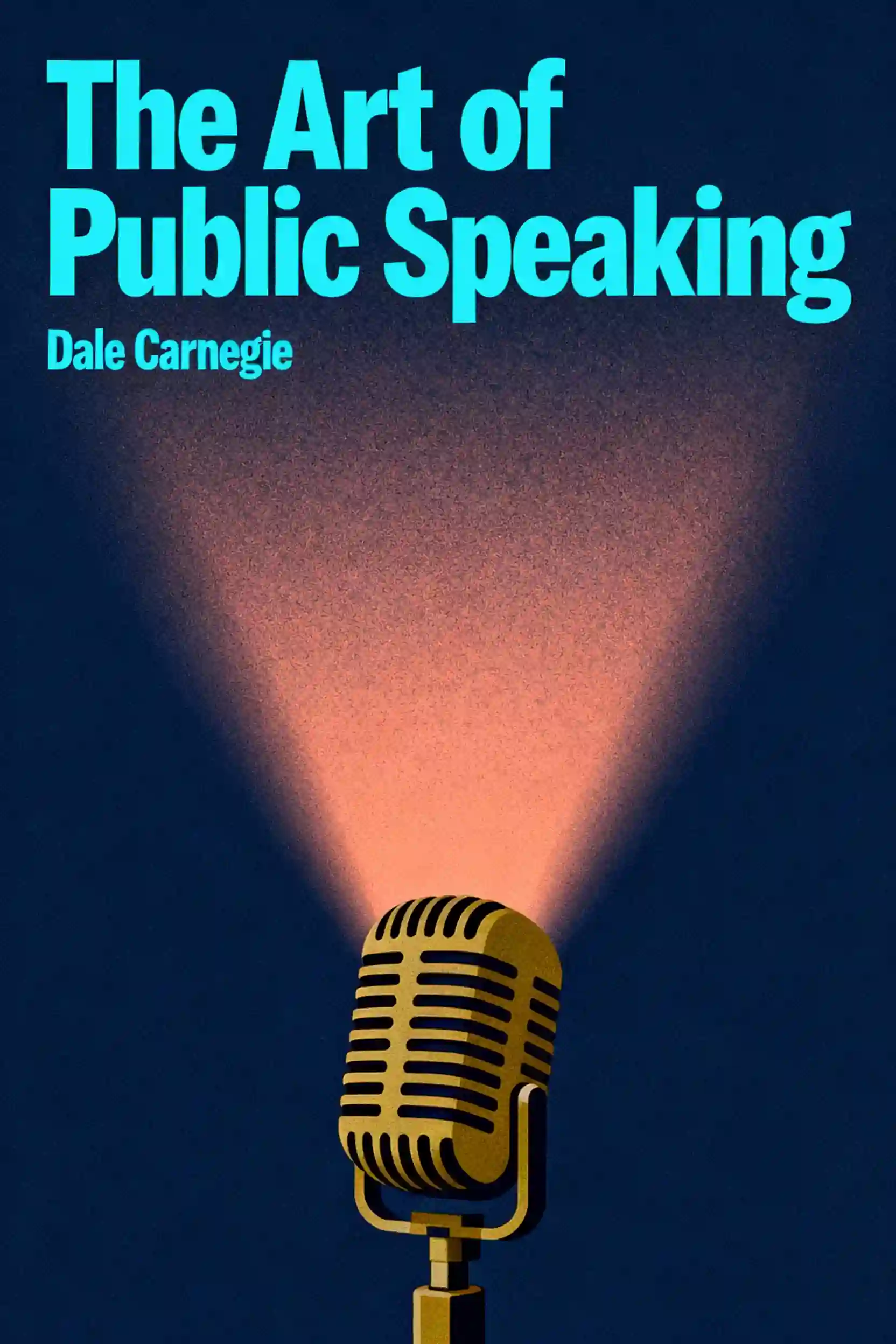
    Art of Public Speaking
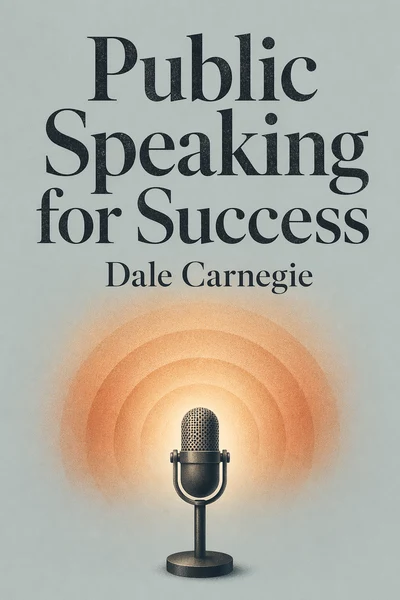
    Public Speaking for Success
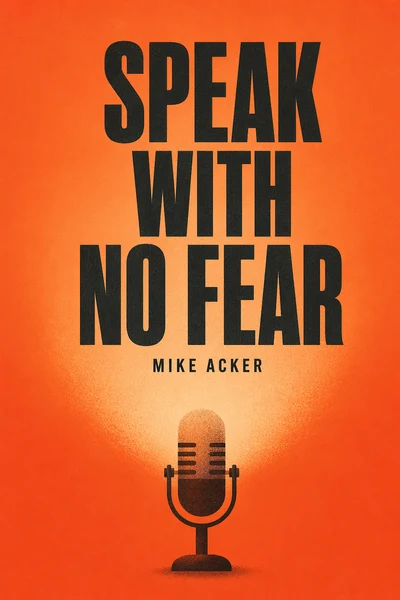
    Speak with No Fear
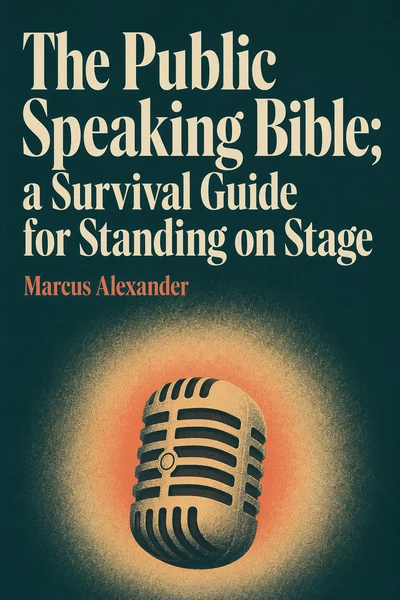
    The Public Speaking Bible; a Survival Guide for Standing on Stage
    Say It Well
    Quick Confidence

    자주 묻는 질문

    Physiologically, anxiety and excitement are nearly identical states characterized by high arousal, including a racing heart and sweaty palms. Attempting to "calm down" requires the nervous system to make a massive leap from high arousal to low arousal, which is difficult to achieve under pressure. By practicing "arousal reappraisal" and labeling the feeling as excitement, you perform a lateral shift that keeps the energy but changes the internal narrative, viewing the physical rush as the body mobilizing resources to help you succeed.

    CBT addresses glossophobia by targeting irrational "automatic thoughts," such as the belief that the audience is judging you harshly. It encourages speakers to look for realistic evidence rather than falling into traps like "mind reading." Additionally, CBT utilizes "exposure," which involves starting with small, low-stakes speaking tasks to retrain the brain to recognize that these situations are not actually dangerous, eventually building the "muscle" needed for larger presentations.

    Establishing a grounded presence by standing with feet shoulder-width apart prevents nervous swaying and opens the chest for better breathing. Using diaphragmatic or "belly" breathing signals the nervous system to reduce adrenaline and restores mental clarity. Furthermore, maintaining eye contact with individuals for about three seconds—the length of a complete thought—transforms a daunting public speech into a series of intimate, manageable conversations.

    Memorizing a verbatim script often increases anxiety because the speaker becomes terrified of forgetting a single "perfect" word, which can lead to freezing if they lose their place. Structured preparation focuses on key points, transitions, and "anchors" while leaving the middle flexible. This approach allows for a more natural, conversational flow and enables the speaker to use storytelling and intentional pauses, which the audience perceives as a sign of confidence and authority.

    Virtual reality platforms allow speakers to engage in exposure therapy within realistic digital environments, such as conference halls, without real-world stakes. For those without VR, recording a video on a phone is a highly effective way to identify nervous habits like filler words or fidgeting. By seeing these behaviors on camera, they shift from being mysterious personality flaws to specific, manageable habits that can be adjusted through consistent, daily practice.

    컬럼비아 대학교 동문들이 제작 | 샌프란시스코에서 개발

    BeFreed는 호기심 넘치는 글로벌 커뮤니티를 하나로 연결합니다

    4.7

    평균 평점

    앱 평가 7.84천 개 이상

    BeFreed 커뮤니티

    정말이지 아직 앱을 다 써 보지도 않았는데, 며칠 써 본 것만으로도 깊은 인상을 받았어요… BeFreed는 제가 써 본 어떤 학습 앱과도 차원이 달라요. 몰입감이 엄청나고 집중력도 실제로 좋아져서, 스마트폰을 하염없이 스크롤하는 분들께 딱이에요!

    @ladyInfinity

    정확히 23일 전에 BeFreed를 구입했는데, 그날부터 하루도 빠짐없이 쓰고 있어요. 제 일상 업무 흐름과 학습 습관에 완전히 자리 잡았어요.

    @jayallen

    솔직히 이 앱은 제 기대를 전부 뛰어넘었어요. 어떤 주제든 오디오로 만들어 달라고 할 수 있고, 결과물이 놀라워요. 제 전문 분야는 심리치료 쪽이고 여러 학문이 얽혀 있는데도 답변이 아주 정확해요.

    @Raguipa

    제일 고마운 건 스크롤하는 시간이 확 줄었다는 거예요. 검색하는 시간은 줄고 흡수하는 시간은 늘었어요. 오디오북 전권, 팟캐스트, 학습 플랜의 조합이 정말 훌륭해요.

    @colonyofcreatorsNGO

    저는 24년째 PhotoReading 속진 학습 강사로 일하고 있어요… 책과 독서, 배움이 제 전문인데, BeFreed는 정보를 소화하기 쉽게 전달하는 혁신적인 방식을 정말 잘 구현했어요.

    @BeFreed user

    단순한 책 요약 앱이 아니에요. '재미' 스타일을 써 봤는데, 전통적인 방식보다 훨씬 나은 요약이고 아이디어를 이해하기도 쉬워요. 이것만으로도 값어치를 해요.

    @austinakon

    이 앱이 정말 좋아요. 며칠 써 봤는데 듣는 걸 멈출 수가 없어요. 시작하기에 이보다 좋을 수 없어요.

    @jcrules328

    정말 마음에 들어요. 한 달 정도 써 봤는데 숨은 보석을 찾은 기분이에요. BeFreed로 제가 원하는 주제를 직접 만들 수 있어서 좋고, 목소리도 훌륭한 데다 내레이션 선택지가 무궁무진해요.

    @DanielCZ

    정말이지 아직 앱을 다 써 보지도 않았는데, 며칠 써 본 것만으로도 깊은 인상을 받았어요… BeFreed는 제가 써 본 어떤 학습 앱과도 차원이 달라요. 몰입감이 엄청나고 집중력도 실제로 좋아져서, 스마트폰을 하염없이 스크롤하는 분들께 딱이에요!

    @ladyInfinity

    정확히 23일 전에 BeFreed를 구입했는데, 그날부터 하루도 빠짐없이 쓰고 있어요. 제 일상 업무 흐름과 학습 습관에 완전히 자리 잡았어요.

    @jayallen

    솔직히 이 앱은 제 기대를 전부 뛰어넘었어요. 어떤 주제든 오디오로 만들어 달라고 할 수 있고, 결과물이 놀라워요. 제 전문 분야는 심리치료 쪽이고 여러 학문이 얽혀 있는데도 답변이 아주 정확해요.

    @Raguipa

    제일 고마운 건 스크롤하는 시간이 확 줄었다는 거예요. 검색하는 시간은 줄고 흡수하는 시간은 늘었어요. 오디오북 전권, 팟캐스트, 학습 플랜의 조합이 정말 훌륭해요.

    @colonyofcreatorsNGO

    저는 24년째 PhotoReading 속진 학습 강사로 일하고 있어요… 책과 독서, 배움이 제 전문인데, BeFreed는 정보를 소화하기 쉽게 전달하는 혁신적인 방식을 정말 잘 구현했어요.

    @BeFreed user

    단순한 책 요약 앱이 아니에요. '재미' 스타일을 써 봤는데, 전통적인 방식보다 훨씬 나은 요약이고 아이디어를 이해하기도 쉬워요. 이것만으로도 값어치를 해요.

    @austinakon

    이 앱이 정말 좋아요. 며칠 써 봤는데 듣는 걸 멈출 수가 없어요. 시작하기에 이보다 좋을 수 없어요.

    @jcrules328

    정말 마음에 들어요. 한 달 정도 써 봤는데 숨은 보석을 찾은 기분이에요. BeFreed로 제가 원하는 주제를 직접 만들 수 있어서 좋고, 목소리도 훌륭한 데다 내레이션 선택지가 무궁무진해요.

    @DanielCZ

    유용한 정보와 아이디어를 8~15분짜리 팟캐스트 스타일 오디오로 압축해서 들을 수 있다는 게 정말 좋아요. 원래 팟캐스트는 군더더기가 많아서 안 좋아했는데, 여기는 그걸 싹 걷어냈어요.

    @BeFreed user

    박사 과정을 마무리하는 중이라 낯선 자료를 많이 읽어야 해요… BeFreed에서는 프롬프트만 입력하면 앱이 자료를 찾아서 오디오 팟캐스트로 만들어 줘요. BeFreed의 과정이 NotebookLM보다 더 매끄럽게 느껴져요.

    @Brad

    아침을 준비하거나 산책하거나 출퇴근할 때 들을 것을 YouTube에서 자주 찾곤 했는데, BeFreed는 광고도 군더더기도 없이 훨씬 더 딱 맞는 걸 들려줘요!

    @BeFreed user

    이 플랫폼의 가장 큰 장점은 활용도예요. 다루지 못하는 주제가 말 그대로 하나도 없어요. 무엇을 던져도 다 소화해요… 제한이 전혀 없으면서 약속을 실제로 지키는 학습 도구는 정말 드물어요.

    @jayallen

    BeFreed는 환상적이에요. 디자인이 편해서 헤매는 시간은 줄고 배우는 시간은 늘었어요. 오디오북, 팟캐스트, 학습 플랜의 조합은 천재적이에요. 제 하루가 완전히 달라졌어요.

    @BeFreed user

    처음엔 이탈리아어로 팟캐스트를 만드는 방법을 이해하는 데 시간이 좀 걸렸는데, 알고 나니까 — 와! 정말 대단해요! 어떤 주제든 설명해 달라고 하면 정말 똑똑하게 잘 설명해 줘요!

    @matteo77

    BeFreed는 제가 매일 쓰는 오디오북 앱이 됐어요… 제일 마음에 드는 건 텍스트를 넣으면 이동 중에도 들을 수 있는 오디오로 만들어 준다는 점이에요.

    @kotanzu1

    유용한 정보와 아이디어를 8~15분짜리 팟캐스트 스타일 오디오로 압축해서 들을 수 있다는 게 정말 좋아요. 원래 팟캐스트는 군더더기가 많아서 안 좋아했는데, 여기는 그걸 싹 걷어냈어요.

    @BeFreed user

    박사 과정을 마무리하는 중이라 낯선 자료를 많이 읽어야 해요… BeFreed에서는 프롬프트만 입력하면 앱이 자료를 찾아서 오디오 팟캐스트로 만들어 줘요. BeFreed의 과정이 NotebookLM보다 더 매끄럽게 느껴져요.

    @Brad

    아침을 준비하거나 산책하거나 출퇴근할 때 들을 것을 YouTube에서 자주 찾곤 했는데, BeFreed는 광고도 군더더기도 없이 훨씬 더 딱 맞는 걸 들려줘요!

    @BeFreed user

    이 플랫폼의 가장 큰 장점은 활용도예요. 다루지 못하는 주제가 말 그대로 하나도 없어요. 무엇을 던져도 다 소화해요… 제한이 전혀 없으면서 약속을 실제로 지키는 학습 도구는 정말 드물어요.

    @jayallen

    BeFreed는 환상적이에요. 디자인이 편해서 헤매는 시간은 줄고 배우는 시간은 늘었어요. 오디오북, 팟캐스트, 학습 플랜의 조합은 천재적이에요. 제 하루가 완전히 달라졌어요.

    @BeFreed user

    처음엔 이탈리아어로 팟캐스트를 만드는 방법을 이해하는 데 시간이 좀 걸렸는데, 알고 나니까 — 와! 정말 대단해요! 어떤 주제든 설명해 달라고 하면 정말 똑똑하게 잘 설명해 줘요!

    @matteo77

    BeFreed는 제가 매일 쓰는 오디오북 앱이 됐어요… 제일 마음에 드는 건 텍스트를 넣으면 이동 중에도 들을 수 있는 오디오로 만들어 준다는 점이에요.

    @kotanzu1

    웹에서 BeFreed가 어떻게 논의되고 있는지 더 보기
    129.7K19.5K
    55.2K19.2K
    154.2K10827355
    48.1K2.5K
    81.2K6.6K
    82.3K1.8K
    지금 바로 학습 여정을 시작하세요
    BeFreed 앱
    BeFreed

    무엇이든 개인화된 학습

    DiscordLinkedIn
    추천 도서 요약
    Crucial ConversationsThe Perfect MarriageInto the WildNever Split the DifferenceAttachedGood to GreatSay Nothing
    인기 카테고리
    Self HelpCommunication SkillRelationshipMindfulnessPhilosophyInspirationProductivity
    유명인 추천 도서
    Elon MuskCharlie KirkBill GatesSteve JobsAndrew HubermanJoe RoganJordan Peterson
    수상작 컬렉션
    Pulitzer PrizeNational Book AwardGoodreads Choice AwardsNobel Prize in LiteratureNew York TimesCaldecott MedalNebula Award
    추천 주제
    ManagementAmerican HistoryWarTradingStoicismAnxietySex
    연도별 베스트 도서
    2025 Best Non Fiction Books2024 Best Non Fiction Books2023 Best Non Fiction Books
    추천 저자
    Chimamanda Ngozi AdichieGeorge OrwellO. J. SimpsonBarbara O'NeillWinston ChurchillCharlie Kirk
    BeFreed vs 다른 앱
    BeFreed vs. Other Book Summary AppsBeFreed vs. ElevenReaderBeFreed vs. ReadwiseBeFreed vs. Anki
    학습 도구
    Knowledge VisualizerAI Podcast Generator
    정보
    회사 소개arrow
    가격arrow
    FAQarrow
    블로그arrow
    채용arrow
    파트너십arrow
    앰배서더 프로그램arrow
    디렉토리arrow
    BeFreed
    Try now
    © 2026 BeFreed
    이용 약관개인정보 처리방침
    BeFreed

    무엇이든 개인화된 학습

    DiscordLinkedIn
    추천 도서 요약
    Crucial ConversationsThe Perfect MarriageInto the WildNever Split the DifferenceAttachedGood to GreatSay Nothing
    인기 카테고리
    Self HelpCommunication SkillRelationshipMindfulnessPhilosophyInspirationProductivity
    유명인 추천 도서
    Elon MuskCharlie KirkBill GatesSteve JobsAndrew HubermanJoe RoganJordan Peterson
    수상작 컬렉션
    Pulitzer PrizeNational Book AwardGoodreads Choice AwardsNobel Prize in LiteratureNew York TimesCaldecott MedalNebula Award
    추천 주제
    ManagementAmerican HistoryWarTradingStoicismAnxietySex
    연도별 베스트 도서
    2025 Best Non Fiction Books2024 Best Non Fiction Books2023 Best Non Fiction Books
    학습 도구
    Knowledge VisualizerAI Podcast Generator
    추천 저자
    Chimamanda Ngozi AdichieGeorge OrwellO. J. SimpsonBarbara O'NeillWinston ChurchillCharlie Kirk
    BeFreed vs 다른 앱
    BeFreed vs. Other Book Summary AppsBeFreed vs. ElevenReaderBeFreed vs. ReadwiseBeFreed vs. Anki
    정보
    회사 소개arrow
    가격arrow
    FAQarrow
    블로그arrow
    채용arrow
    파트너십arrow
    앰배서더 프로그램arrow
    디렉토리arrow
    BeFreed
    Try now
    © 2026 BeFreed
    이용 약관개인정보 처리방침

    비슷한 콘텐츠

    Public speaking fear is more natural than you think 책 표지
    The Art of Public SpeakingPublic Speaking for SuccessSpeak With No FearSay It Well
    24 sources
    Public speaking fear is more natural than you think
    Struggling with presentation nerves? Learn why your brain reacts this way and how to use mental rehearsal and VR to build authentic confidence.
    26 min
    Transform Public Speaking Anxiety Into Confident Energy 책 표지
    The Art of Public SpeakingSpeak With No FearPublic Speaking for SuccessThe Public Speaking Bible; a Survival Guide for Standing on Stage
    19 sources
    Transform Public Speaking Anxiety Into Confident Energy
    Discover how to reframe nervousness as excitement and use proven mental shifts to become a confident public speaker. Learn practical techniques from Stanford and Harvard experts.
    18 min
    Classroom confidence and why speaking up feels scary 책 표지
    Speak with No FearArt of Public SpeakingHow to Be YourselfPublic Speaking for Success
    22 sources
    Classroom confidence and why speaking up feels scary
    Public speaking anxiety is a biological survival response, not a lack of skill. Learn how to reframe nervous energy and build social resilience.
    29 min
    Public Speaking: From Panic to Performance 책 표지
    Public Speaking for Beginners: Complete Guide | Presenter's ArenaHow to Get Better at Public Speaking (2026 Guide): Confidence, Speech Practice, Presentation SkillsToastmasters International -Fix Your Fear of SpeakingAdvanced Presentation Skills: What Senior Leaders Do Differently [2026]
    8 sources
    Public Speaking: From Panic to Performance
    Public speaking triggers an ancient survival response, but you can reframe that anxiety as excitement. Learn to build confidence and master delivery.
    18 min
    Public speaking skills and overcoming stage fright 책 표지
    Public Speaking for SuccessThink Faster, Talk SmarterOvercoming the Fear of Public Speaking: 2026 Expert StrategiesPublic Speaking Tips to Calm Nerves (2026)
    6 sources
    Public speaking skills and overcoming stage fright
    Struggling with glossophobia? Learn why your brain treats a stage like a predator and how to use neuroscience to turn nervous energy into career growth.
    17 min
    Conquer Your Public Speaking Fear 책 표지
    The Art of Public SpeakingPublic Speaking for SuccessThe Public Speaking Bible; a Survival Guide for Standing on StageSecrets of Dynamic Communication
    24 sources
    Conquer Your Public Speaking Fear
    Transform speaking anxiety into powerful presentation skills with practical techniques. Learn how to channel nervousness productively and connect authentically with any audience.
    23 min
    Public Speaking: The Fear of Being Judged 책 표지
    Short Communication Core beliefs, automatic thoughts and response expectancies in predicting public speaking anxietyTargeting the probability versus cost of feared outcomes in public speaking anxietyWhy Are We Scared of Public Speaking? | Psychology TodayPublic Speaking Therapy: Conquering Fear with Professional Help
    8 sources
    Public Speaking: The Fear of Being Judged
    Public speaking triggers ancient survival instincts that can stall your career. Learn how to rewire your brain's threat response and speak with confidence.
    1177 min
    Speaking with Confidence: Transform Fear into Power 책 표지
    Speak With No FearThe Art of Public SpeakingPublic Speaking for SuccessThe Public Speaking Bible; a Survival Guide for Standing on Stage
    21 sources
    Speaking with Confidence: Transform Fear into Power
    Discover how to turn public speaking anxiety into authentic confidence with proven techniques for preparation, vocal presence, and body language that connects with any audience.
    15 min

    Recommended Learning Plans

    Tame Your Speaking Fears
    학습 계획

    Tame Your Speaking Fears

    Public speaking anxiety often stems from a physiological hijack that overrides logic. This plan is essential for professionals who want to regain physical control and mental clarity during presentations. It is ideal for anyone looking to transform nervous energy into a confident, service-driven presence.

    1 h 30 m•3 섹션
    Become more confident speaker
    학습 계획

    Become more confident speaker

    Public speaking is consistently ranked as one of the top fears, yet it's an essential skill for career advancement, leadership, and personal influence. This learning plan is ideal for professionals seeking promotions, entrepreneurs pitching ideas, team leaders inspiring others, or anyone who wants to express themselves with greater confidence and impact in meetings, presentations, or social situations.

    4 h 57 m•4 섹션
    why im always anxious when it comes to speak
    학습 계획

    why im always anxious when it comes to speak

    This plan is designed for professionals and students who feel held back by a persistent fear of public speaking. It provides a structured path from understanding the biological roots of anxiety to mastering advanced communication techniques in real-time scenarios.

    4 h 31 m•4 섹션
    Master Public Speaking
    학습 계획

    Master Public Speaking

    Public speaking is consistently ranked as one of the most valuable professional skills, yet most people struggle with fear and lack of training. This comprehensive plan takes you from conquering anxiety to delivering world-class presentations, making it essential for professionals, entrepreneurs, leaders, and anyone who wants to communicate ideas effectively and influence others with confidence.

    1 h 58 m•4 섹션
    Overcome Speaking Anxiety & Speak Confidently
    학습 계획

    Overcome Speaking Anxiety & Speak Confidently

    This plan is designed for professionals and aspiring leaders who feel held back by the fear of public speaking. It provides a comprehensive roadmap from managing anxiety to mastering the advanced nonverbal and structural skills needed to influence any audience.

    5 h 20 m•4 섹션
    Beat stage fright and improve communication
    학습 계획

    Beat stage fright and improve communication

    Effective communication is the cornerstone of professional growth and personal influence. This plan is ideal for professionals and students looking to replace public speaking anxiety with a commanding, persuasive presence.

    5 h 37 m•4 섹션
    Speak with Steady Confidence
    학습 계획

    Speak with Steady Confidence

    This plan is essential for professionals who struggle with physical tension or mental blanks during high-stakes presentations. It provides actionable techniques for anyone looking to transform nervous energy into a grounded, authoritative speaking style.

    1 h 30 m•3 섹션
    To learn how to speak fluently in public
    학습 계획

    To learn how to speak fluently in public

    Effective communication is the cornerstone of leadership and professional success. This plan is designed for aspiring leaders and professionals who want to transform their stage presence from fearful to influential.

    5 h 5 m•4 섹션