How to Be Yourself 개요
Silence your Inner Critic with clinical psychologist Ellen Hendriksen's science-backed guide to conquering social anxiety. Endorsed by "Quiet" author Susan Cain as "groundbreaking," this compassionate roadmap reveals why your authentic self - not a filtered version - is your greatest social asset.
- Replace catastrophic self-talk with evidence-based questions to disarm social anxiety
- Practice gradual exposure to feared situations to rewire your brain’s threat response
- Recognize safety behaviors like over-preparing as hidden barriers to authentic connection
- Embrace self-compassion over self-criticism to quiet the inner critic’s false narratives
- Shift focus from perceived flaws to situational awareness in social interactions
- Disrupt perfectionism by accepting “good enough” instead of rehearsing imaginary judgments
- Build social confidence through structured role-playing before high-stakes encounters
- Reframe anxiety as excitement energy to harness physiological arousal productively
- Cultivate authentic presence by balancing self-monitoring with outward engagement
- Identify and challenge the “spotlight effect” distorting social self-perception
- Develop conversational agility through curiosity-led questions rather than performance pressure
- Apply the “three-step replace method” to transform anxiety-inducing thought patterns
How to Be Yourself의 저자 소개
Ellen Hendriksen is a clinical psychologist, anxiety expert, and bestselling author of How to Be Yourself: Quiet Your Inner Critic and Rise Above Social Anxiety. A faculty member at Boston University’s Center for Anxiety and Related Disorders (CARD), she combines evidence-based strategies with compassionate guidance to help readers overcome self-doubt and social anxiety.
Her work is rooted in 15+ years of clinical practice and research, including training at Harvard Medical School and a PhD from UCLA.
Hendriksen’s expertise has been featured in The New York Times, The Washington Post, BBC News, and Harvard Business Review. She founded the award-winning podcast The Savvy Psychologist, which garnered 15 million downloads and ranked #3 on iTunes. Her follow-up book, How to Be Enough: Self-Acceptance for Self-Critics and Perfectionists, expands on themes of self-compassion and personal growth.
How to Be Yourself has resonated globally, earning over 8,800 ratings on Goodreads and translations into multiple languages. Hendriksen’s accessible, science-backed approach continues to empower readers to embrace authenticity and quiet their inner critics.
How to Be Yourself에 대한 자주 묻는 질문
What is How to Be Yourself by Ellen Hendriksen about?
How to Be Yourself by Ellen Hendriksen is a guide to overcoming social anxiety through cognitive-behavioral techniques, self-compassion, and embracing authenticity. The book explores the roots of social anxiety, offers actionable strategies to quiet the "Inner Critic," and shares real-life success stories to help readers build confidence in social settings.
Who should read How to Be Yourself?
This book is ideal for anyone struggling with social anxiety, shyness, or self-doubt in interpersonal or professional settings. It’s also valuable for readers interested in psychology, self-help, or improving communication skills. Hendriksen’s relatable tone makes it accessible to both those new to anxiety management and individuals seeking advanced strategies.
Is How to Be Yourself worth reading?
Yes, How to Be Yourself is praised for its blend of scientific research, practical advice, and empathetic storytelling. Readers highlight its actionable tips for managing anxiety and appreciate Hendriksen’s firsthand experience with social anxiety. However, some note it could delve deeper into root causes like childhood trauma.
What are the main strategies in How to Be Yourself to manage social anxiety?
Key strategies include:
- Rewiring behavior: Gradually facing fears to reduce avoidance.
- Challenging the Inner Critic: Replacing self-critical thoughts with evidence-based reasoning.
- Embracing discomfort: Learning to tolerate uncertainty in social situations.
These methods are rooted in cognitive-behavioral therapy (CBT) and emphasize incremental progress.
How does How to Be Yourself address the Inner Critic?
The book identifies the Inner Critic as the voice fueling self-doubt and provides tools to silence it. Hendriksen teaches readers to recognize irrational fears, gather evidence against negative self-talk, and reframe thoughts using compassion. This approach helps build self-trust over time.
What role do cognitive-behavioral techniques play in the book?
Cognitive-behavioral techniques form the backbone of Hendriksen’s methodology. The book guides readers to identify anxiety triggers, disrupt negative thought patterns, and adopt behaviors that reinforce confidence. Practical exercises, like exposure therapy and journaling, are included to apply these principles.
Are there real-life examples in How to Be Yourself?
Yes, Hendriksen integrates stories from her clinical practice and personal experiences to illustrate concepts. These examples demonstrate how individuals overcame specific challenges, such as public speaking, networking, or navigating conflicts, making the strategies relatable.
How does Ellen Hendriksen’s personal experience influence the book?
As someone who has managed social anxiety herself, Hendriksen writes with empathy and authenticity. Her firsthand insights add credibility and create a nonjudgmental tone, resonating with readers who feel isolated by their struggles.
What are some criticisms of How to Be Yourself?
Some reviewers note the book focuses more on symptom management than exploring underlying causes like low self-esteem or childhood trauma. A few also find the advice overly basic for those with severe anxiety, though most praise its practicality.
How does How to Be Yourself compare to other books on social anxiety?
Unlike purely theoretical guides, Hendriksen’s book combines science with actionable steps, similar to The Anxiety Toolkit by Alice Boyes. However, its unique emphasis on authenticity and self-acceptance sets it apart, offering a holistic approach to social confidence.
Can How to Be Yourself help with workplace social anxiety?
Absolutely. The book addresses common workplace challenges like meetings, presentations, and networking. Techniques such as reframing self-doubt and practicing assertiveness are tailored to professional settings, helping readers navigate career-related social interactions.
What are the key quotes from How to Be Yourself?
Notable quotes include:
- “You already have everything you need to succeed in any social situation.”
- “Social anxiety is a fear of being judged inadequate, not a reality of being inadequate.”
These lines encapsulate the book’s empowering message and evidence-based perspective.
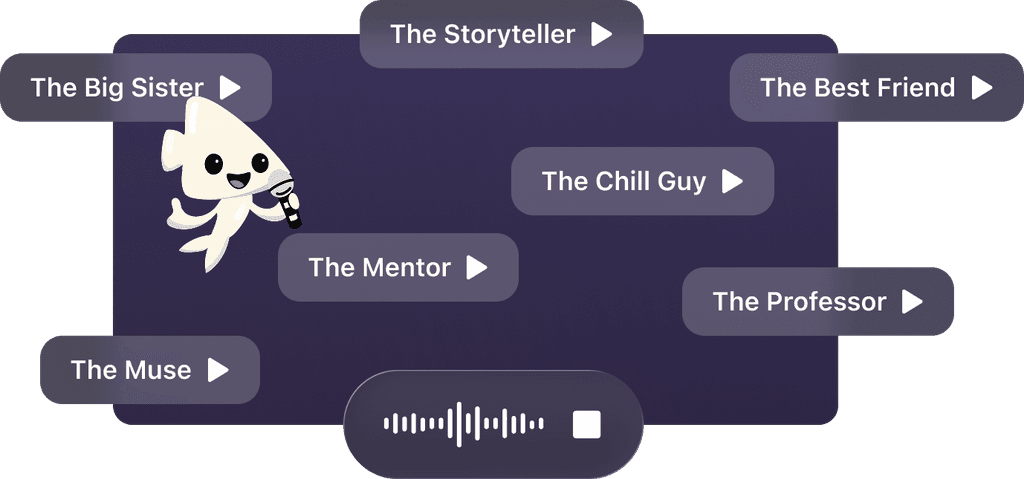
저자의 목소리로 책을 느껴보세요
핵심 아이디어를 빠르게 캡처하여 신속하게 학습
How to Be Yourself의 등장인물
- Ellen HendriksenAuthor and psychologist at Boston University
- MaeveJim's mother who modeled fear of social scrutiny
- Cynthia KaganResearcher who studied behavioral inhibition
- JenniferToddler in a study on behavioral inhibition
How to Be Yourself의 핵심 주제
- social anxiety management
- behavioral inhibition
- fear of judgment
- overcoming avoidance
- authentic self-expression
How to Be Yourself의 명언
Avoidance temporarily relieves anxiety but becomes disastrous long-term.
Social anxiety isn't an evolutionary mistake but a necessary trait.
Introversion is largely innate while anxiety is typically developed through experience.
Solitude energizes and refreshes introverts but merely provides temporary relief from anxiety.
Social anxiety actively interferes with desired activities and goals.
나만의 학습 방법 탐색하기
 개인화 모드
How to Be Yourself을 나만의 학습 스타일로 경험하기
무엇이든 묻고, 학습 스타일을 선택하고, 나에게 맞는 인사이트를 함께 만들어보세요.
샌프란시스코에서 컬럼비아 대학교 동문들이 만들었습니다
"Instead of endless scrolling, I just hit play on BeFreed. It saves me so much time."


"I never knew where to start with nonfiction—BeFreed’s book lists turned into podcasts gave me a clear path."


"Perfect balance between learning and entertainment. Finished ‘Thinking, Fast and Slow’ on my commute this week."
"Crazy how much I learned while walking the dog. BeFreed = small habits → big gains."
"Reading used to feel like a chore. Now it’s just part of my lifestyle."

"Feels effortless compared to reading. I’ve finished 6 books this month already."
"BeFreed turned my guilty doomscrolling into something that feels productive and inspiring."

"BeFreed turned my commute into learning time. 20-min podcasts are perfect for finishing books I never had time for."
"BeFreed replaced my podcast queue. Imagine Spotify for books — that’s it. 🙌"

"It is great for me to learn something from the book without reading it."
"The themed book list podcasts help me connect ideas across authors—like a guided audio journey."
"Makes me feel smarter every time before going to work"
샌프란시스코에서 컬럼비아 대학교 동문들이 만들었습니다
"Instead of endless scrolling, I just hit play on BeFreed. It saves me so much time."
"I never knew where to start with nonfiction—BeFreed’s book lists turned into podcasts gave me a clear path."
"Perfect balance between learning and entertainment. Finished ‘Thinking, Fast and Slow’ on my commute this week."
"Crazy how much I learned while walking the dog. BeFreed = small habits → big gains."
"Reading used to feel like a chore. Now it’s just part of my lifestyle."
"Feels effortless compared to reading. I’ve finished 6 books this month already."
"BeFreed turned my guilty doomscrolling into something that feels productive and inspiring."
"BeFreed turned my commute into learning time. 20-min podcasts are perfect for finishing books I never had time for."
"BeFreed replaced my podcast queue. Imagine Spotify for books — that’s it. 🙌"
"It is great for me to learn something from the book without reading it."
"The themed book list podcasts help me connect ideas across authors—like a guided audio journey."
"Makes me feel smarter every time before going to work"
"Instead of endless scrolling, I just hit play on BeFreed. It saves me so much time."
"I never knew where to start with nonfiction—BeFreed’s book lists turned into podcasts gave me a clear path."
"Perfect balance between learning and entertainment. Finished ‘Thinking, Fast and Slow’ on my commute this week."
"Crazy how much I learned while walking the dog. BeFreed = small habits → big gains."
"Reading used to feel like a chore. Now it’s just part of my lifestyle."
"Feels effortless compared to reading. I’ve finished 6 books this month already."
"BeFreed turned my guilty doomscrolling into something that feels productive and inspiring."
"BeFreed turned my commute into learning time. 20-min podcasts are perfect for finishing books I never had time for."
"BeFreed replaced my podcast queue. Imagine Spotify for books — that’s it. 🙌"
"It is great for me to learn something from the book without reading it."
"The themed book list podcasts help me connect ideas across authors—like a guided audio journey."
"Makes me feel smarter every time before going to work"
"Instead of endless scrolling, I just hit play on BeFreed. It saves me so much time."
"I never knew where to start with nonfiction—BeFreed’s book lists turned into podcasts gave me a clear path."
"Perfect balance between learning and entertainment. Finished ‘Thinking, Fast and Slow’ on my commute this week."
"Crazy how much I learned while walking the dog. BeFreed = small habits → big gains."
"Reading used to feel like a chore. Now it’s just part of my lifestyle."
"Feels effortless compared to reading. I’ve finished 6 books this month already."
"BeFreed turned my guilty doomscrolling into something that feels productive and inspiring."
"BeFreed turned my commute into learning time. 20-min podcasts are perfect for finishing books I never had time for."
"BeFreed replaced my podcast queue. Imagine Spotify for books — that’s it. 🙌"
"It is great for me to learn something from the book without reading it."
"The themed book list podcasts help me connect ideas across authors—like a guided audio journey."
"Makes me feel smarter every time before going to work"

How to Be Yourself 요약 다운로드
How to Be Yourself 요약을 무료 PDF 또는 EPUB으로 받으세요. 인쇄하거나 오프라인에서 언제든 읽을 수 있습니다.