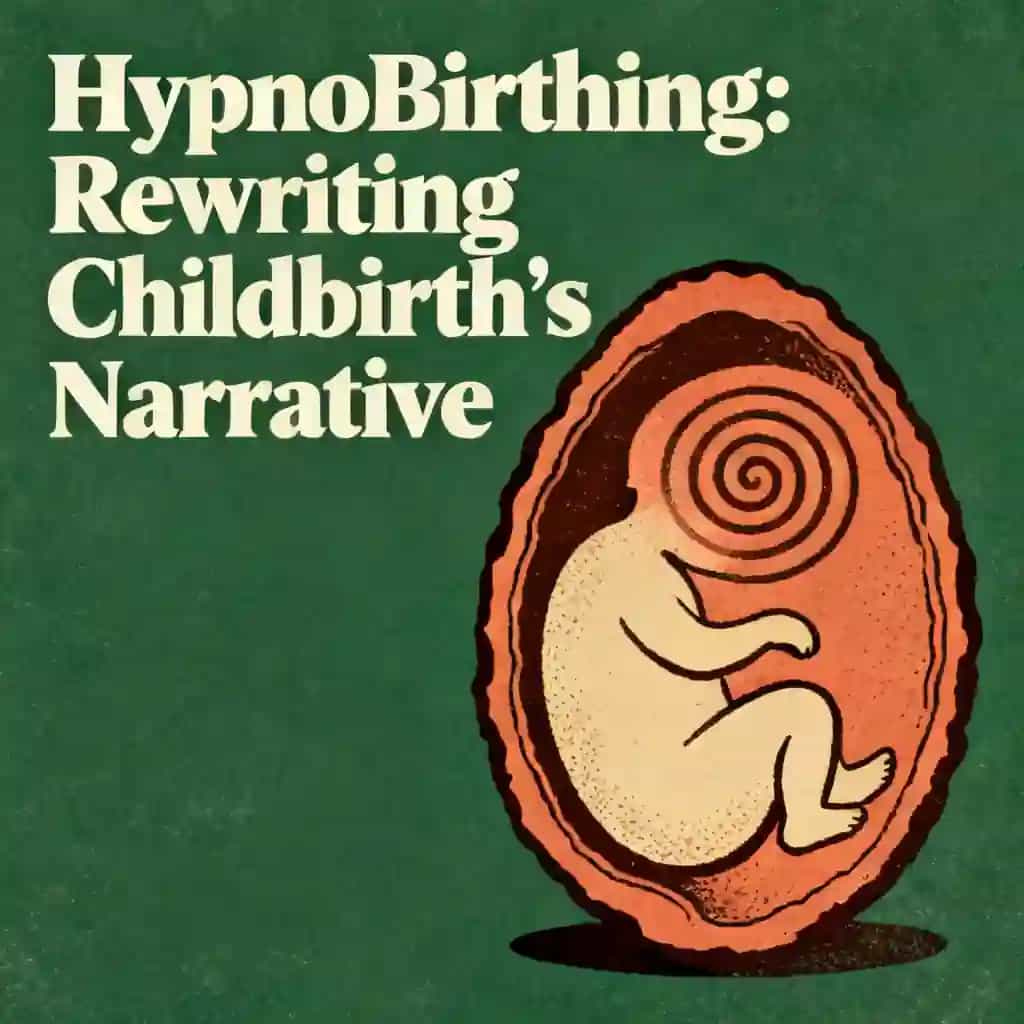
HypnoBirthing: The Breakthrough Approach to Safer, Easier, More Comfortable Birthing by Marie F. Mongan Summary

Overview of HypnoBirthing
Discover HypnoBirthing - the revolutionary childbirth method that's transformed millions of birth experiences worldwide. Marie Mongan's award-winning approach empowers women to reclaim natural birth through meditation and self-hypnosis. What if labor could be peaceful instead of painful? Celebrities and midwives agree - it's possible.
- HypnoBirthing teaches mothers to trust their body’s innate wisdom for joyful childbirth
- Marie Mongan’s method replaces fear with calm through self-hypnosis and positive affirmations
- Birth becomes gentler when reframing contractions as natural “surges” rather than pain
- Deep relaxation techniques prevent tension that creates unnecessary labor discomfort
- The Mongan Method eliminates “purple pushing” for baby-led crowning without strain
- HypnoBirthing couples use partner-guided visualization to maintain oxytocin-rich labor environments
- Breathing patterns sync uterine surges with pelvic floor relaxation for efficient delivery
- This philosophy reduces interventions by honoring birth’s natural timeline and rhythms
- Affirmations like “My body knows how to birth” build prenatal confidence
- HypnoBirthing transforms birth anxiety into empowerment through mental rehearsal techniques
- Marie Mongan’s approach disproves the myth that severe pain defines childbirth
- The method combines ancient relaxation practices with modern pain neuroscience insights
About the Author of HypnoBirthing
Marie F. Mongan (1933–2019), author of HypnoBirthing: The Mongan Method, was an award-winning hypnotherapist and pioneer of fear-free childbirth education.
A former college dean and licensed counselor, Mongan combined hypnosis, meditation, and positive affirmations to create her groundbreaking approach to natural birthing. Her work—rooted in overcoming traumatic personal birth experiences from the 1950s—revolutionized prenatal care by addressing the fear-tension-pain cycle through self-hypnosis techniques.
As founder of HypnoBirthing International, she trained practitioners across 46 countries, with her methods endorsed by figures like Kate Middleton and Jessica Alba. Mongan received multiple accolades, including the National Guild of Hypnotists’ Charles Tebbetts Award, and her institute remains a global authority on instinctive birthing practices.
Translated into numerous languages, HypnoBirthing has empowered millions to reframe childbirth as a calm, empowering experience, solidifying its status as a cornerstone of modern holistic maternity care.
FAQs About HypnoBirthing
What is HypnoBirthing: The Mongan Method about?
HypnoBirthing: The Mongan Method outlines a natural childbirth approach that combines self-hypnosis, relaxation, visualization, and breathing techniques to reduce fear and pain during labor. Developed by Marie F. Mongan, it emphasizes trusting the body’s innate ability to birth calmly, reframing medicalized terms like “contractions” as “surges” to promote a positive mindset. The method aims to shorten labor, minimize interventions, and enhance bonding with the newborn.
Who should read HypnoBirthing: The Mongan Method?
Expectant parents seeking a drug-free, low-intervention birth experience will benefit most. It’s ideal for those open to mind-body techniques, first-time mothers, and individuals wanting to replace fear with empowerment. The book also supports partners in learning advocacy and relaxation coaching roles.
Is HypnoBirthing: The Mongan Method worth reading?
Yes, particularly for parents interested in evidence-based, natural birth strategies. The 4th edition includes updated relaxation exercises and a CD for guided practice. Reviews highlight its effectiveness in reducing labor pain and fostering a sense of control, though some note it heavily promotes paid HypnoBirthing classes.
How does HypnoBirthing address fear during childbirth?
The method disrupts the “fear-tension-pain” cycle by teaching visualization, affirmations, and deep relaxation. By reframing labor as a natural process (not a medical emergency), it reduces adrenaline, allowing the body to release endorphins for pain management.
What are the key HypnoBirthing techniques?
- Self-hypnosis: Induces deep relaxation to override fear responses.
- “Breathing baby down”: Gentle pushes guided by the body’s urges, avoiding forced pushing.
- Positive framing: Replaces terms like “contraction” with “surge” to reduce anxiety.
Does HypnoBirthing: The Mongan Method oppose medical interventions?
While advocating for minimal interventions, the book acknowledges their necessity in emergencies. It critiques routine practices like forced pushing or arbitrary labor timelines, encouraging informed consent and collaborative decision-making with providers.
How does HypnoBirthing compare to the Bradley Method?
Both prioritize natural birth, but HypnoBirthing focuses more on mental conditioning through hypnosis, whereas Bradley emphasizes physical coaching and nutrition. Studies suggest HypnoBirthing may reduce perceived pain more effectively, while Bradley offers structured partner involvement.
What criticisms exist about the Mongan Method?
Some note the book’s heavy promotion of HypnoBirthing classes and its idealistic view of birth. Critics argue it may undervalue medical pain management for high-risk pregnancies, though supporters stress its adaptability to diverse birth plans.
How does HypnoBirthing involve birth partners?
Partners learn to act as “birthing companions,” using calming touch, guided imagery, and affirmative language. They’re trained to advocate for the mother’s preferences and maintain a stress-free environment.
What scientific evidence supports HypnoBirthing?
Research cited in the book shows reduced labor times, lower epidural use, and higher satisfaction rates. A 2024 study in Maternal Newborn Nursing linked the method to increased confidence and reduced perineal trauma.
Can HypnoBirthing help with hospital births?
Yes. The techniques are adaptable to any setting. The book provides scripts for communicating with hospital staff, such as requesting delayed cord clamping or dimmed lighting, to align interventions with HypnoBirthing principles.
What metaphors does Marie Mongan use in the book?
Mongan compares labor to “waves” (surges) that rise and fall naturally, and describes the cervix as a “flower blooming” to visualize gradual opening. These metaphors reinforce trust in the body’s rhythm.
Feel the book through the author's voice
Turn knowledge into engaging, example-rich insights
Capture key ideas in a flash for fast learning
Enjoy the book in a fun and engaging way
Key Themes in HypnoBirthing
Quotes from HypnoBirthing
Birth is not inherently painful--it's our cultural conditioning and fear that create tension.
"It didn't hurt. It wasn't supposed to, was it, Doctor?"
"I couldn't believe a loving God would design a flawed system of procreation."
HypnoBirthing continues to empower parents exploring their birthing options.
The uterus is perfectly designed for birthing when unencumbered by fear.
Characters in HypnoBirthing
Quick Summary Mode - Read or listen to HypnoBirthing Summary in 9 Minutes

Break down key ideas from HypnoBirthing into bite-sized takeaways to understand how innovative teams create, collaborate, and grow.

Flash Card Mode - Top 8 Insights from HypnoBirthing in a Nutshell

Distill HypnoBirthing into rapid-fire memory cues that highlight key principles of candor, teamwork, and creative resilience.

Fun Mode - HypnoBirthing Lessons Told Through 25-Min Stories

Experience HypnoBirthing through vivid storytelling that turns innovation lessons into moments you'll remember and apply.
Personalize Mode - Read or listen to HypnoBirthing Summary in 0 Minutes

Ask anything, pick the voice, and co-create insights that truly resonate with you.

From Columbia University alumni built in San Francisco
"Instead of endless scrolling, I just hit play on BeFreed. It saves me so much time."


"I never knew where to start with nonfiction—BeFreed’s book lists turned into podcasts gave me a clear path."


"Perfect balance between learning and entertainment. Finished ‘Thinking, Fast and Slow’ on my commute this week."
"Crazy how much I learned while walking the dog. BeFreed = small habits → big gains."
"Reading used to feel like a chore. Now it’s just part of my lifestyle."

"Feels effortless compared to reading. I’ve finished 6 books this month already."
"BeFreed turned my guilty doomscrolling into something that feels productive and inspiring."

"BeFreed turned my commute into learning time. 20-min podcasts are perfect for finishing books I never had time for."
"BeFreed replaced my podcast queue. Imagine Spotify for books — that’s it. 🙌"

"It is great for me to learn something from the book without reading it."
"The themed book list podcasts help me connect ideas across authors—like a guided audio journey."
"Makes me feel smarter every time before going to work"
From Columbia University alumni built in San Francisco
"Instead of endless scrolling, I just hit play on BeFreed. It saves me so much time."
"I never knew where to start with nonfiction—BeFreed’s book lists turned into podcasts gave me a clear path."
"Perfect balance between learning and entertainment. Finished ‘Thinking, Fast and Slow’ on my commute this week."
"Crazy how much I learned while walking the dog. BeFreed = small habits → big gains."
"Reading used to feel like a chore. Now it’s just part of my lifestyle."
"Feels effortless compared to reading. I’ve finished 6 books this month already."
"BeFreed turned my guilty doomscrolling into something that feels productive and inspiring."
"BeFreed turned my commute into learning time. 20-min podcasts are perfect for finishing books I never had time for."
"BeFreed replaced my podcast queue. Imagine Spotify for books — that’s it. 🙌"
"It is great for me to learn something from the book without reading it."
"The themed book list podcasts help me connect ideas across authors—like a guided audio journey."
"Makes me feel smarter every time before going to work"
"Instead of endless scrolling, I just hit play on BeFreed. It saves me so much time."
"I never knew where to start with nonfiction—BeFreed’s book lists turned into podcasts gave me a clear path."
"Perfect balance between learning and entertainment. Finished ‘Thinking, Fast and Slow’ on my commute this week."
"Crazy how much I learned while walking the dog. BeFreed = small habits → big gains."
"Reading used to feel like a chore. Now it’s just part of my lifestyle."
"Feels effortless compared to reading. I’ve finished 6 books this month already."
"BeFreed turned my guilty doomscrolling into something that feels productive and inspiring."
"BeFreed turned my commute into learning time. 20-min podcasts are perfect for finishing books I never had time for."
"BeFreed replaced my podcast queue. Imagine Spotify for books — that’s it. 🙌"
"It is great for me to learn something from the book without reading it."
"The themed book list podcasts help me connect ideas across authors—like a guided audio journey."
"Makes me feel smarter every time before going to work"
"Instead of endless scrolling, I just hit play on BeFreed. It saves me so much time."
"I never knew where to start with nonfiction—BeFreed’s book lists turned into podcasts gave me a clear path."
"Perfect balance between learning and entertainment. Finished ‘Thinking, Fast and Slow’ on my commute this week."
"Crazy how much I learned while walking the dog. BeFreed = small habits → big gains."
"Reading used to feel like a chore. Now it’s just part of my lifestyle."
"Feels effortless compared to reading. I’ve finished 6 books this month already."
"BeFreed turned my guilty doomscrolling into something that feels productive and inspiring."
"BeFreed turned my commute into learning time. 20-min podcasts are perfect for finishing books I never had time for."
"BeFreed replaced my podcast queue. Imagine Spotify for books — that’s it. 🙌"
"It is great for me to learn something from the book without reading it."
"The themed book list podcasts help me connect ideas across authors—like a guided audio journey."
"Makes me feel smarter every time before going to work"

Get the HypnoBirthing summary as a free PDF or EPUB. Print it or read offline anytime.