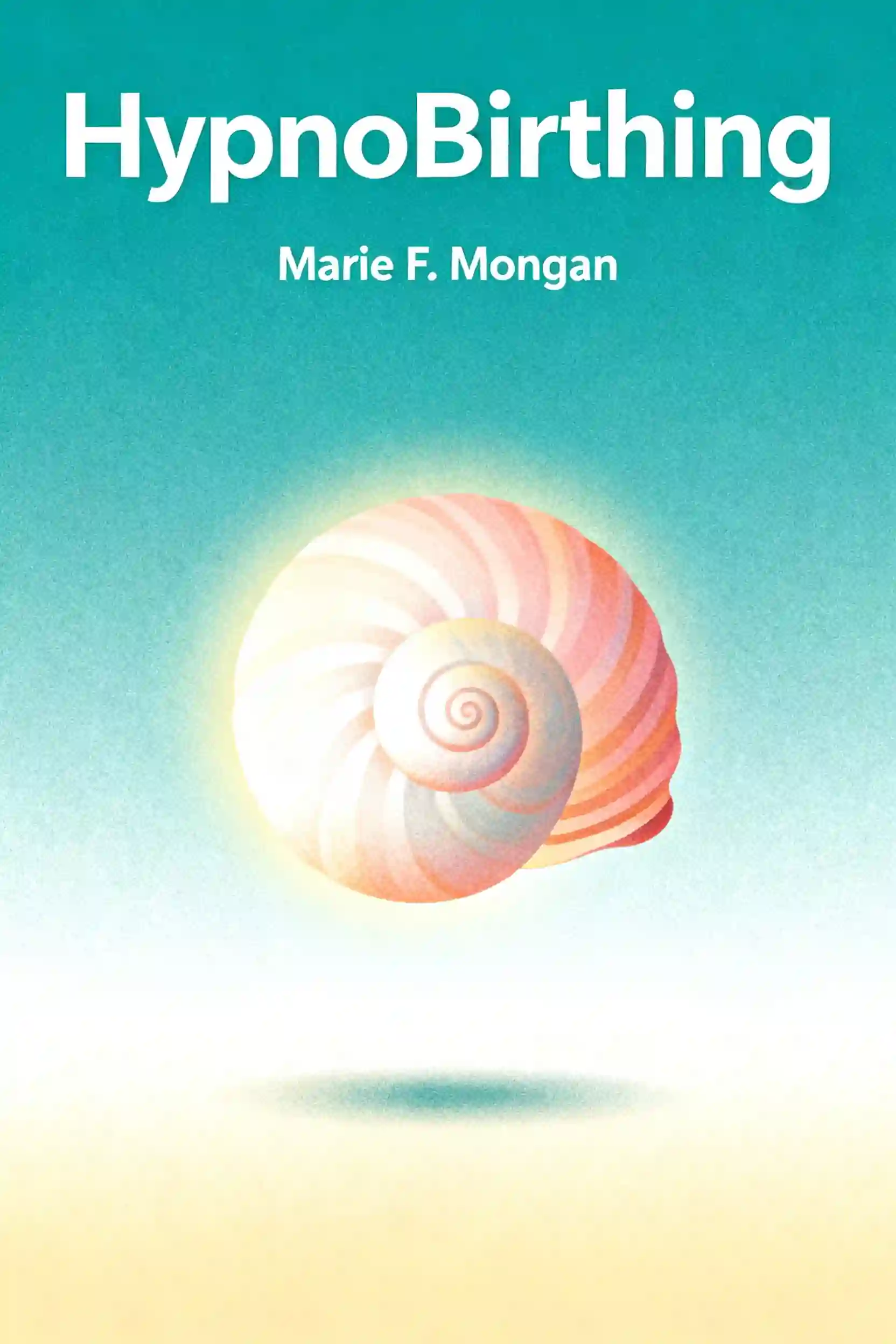
HypnoBirthing: Rewriting the Narrative of Childbirth
Explore how shifting your mindset and using self-hypnosis can break the fear-tension-pain cycle, transforming birth into a calm, natural, and empowering experience.

Best quote from HypnoBirthing: Rewriting the Narrative of Childbirth
The brain, not the body, is the primary controller of the pain experience. Hypnobirthing is about transforming the perception from 'this is a threat' to 'this is my body doing exactly what it was designed to do.'
Generated by Freedee_4EA9A9BC
Hypnobirth

Frequently Asked Questions
The Fear-Tension-Pain cycle is a concept developed by Dr. Grantly Dick-Read which suggests that when a birthing person feels afraid, their body enters a "fight or flight" sympathetic nervous system response. This causes muscles to tense up and diverts oxygenated blood away from the uterus to the limbs. Because the uterine muscles lack the oxygen they need to function efficiently, they become ischemic, which creates the physical sensation of intense pain. By using relaxation techniques to eliminate fear, a person can reduce tension and significantly diminish or even eliminate that pain.
HypnoBirthing encourages a shift in language to reframe the biological process, such as replacing the medical term "contractions" with the gentler word "surges." Visualization techniques, such as picturing the cervix opening like a flower or imagining waves rising and falling, provide the mind with a rhythm to focus on. These mental anchors help prevent the brain from spiraling into "what if" thinking, keeping the body in a state of deep relaxation or "deep focus" so it can perform its natural functions without mental interference.
There are three primary breathing patterns tailored to different stages of the birthing process. "Calm Breathing" is used between surges to maintain a low heart rate and conserve energy. "Surge Breathing" (or "Up Breathing") involves visualizing a balloon filling in the belly to help the uterine muscles pull upward and open the cervix. Finally, "Birth Breathing" (or "Down Breathing" / "J-Breathing") is used as the baby moves through the birth canal, relying on the body's natural expulsive reflex rather than forceful, strained pushing.
Yes, various studies indicate significant benefits. A 2024 study of first-time mothers found that those trained in hypnobirthing reported lower pain scores (averaging 5.0 on a 10-point scale) compared to those who were not (averaging 8.0). Research also shows that reducing "death anxiety" through these methods can lead to a shorter duration of labor. Furthermore, participants often report higher satisfaction with their birth experience, a lower risk of postpartum depression symptoms, and higher Apgar scores for their babies.
Absolutely. HypnoBirthing is described as a "toolkit for confidence" rather than a guarantee of a specific outcome. The techniques for deep focus and relaxation can be used during an epidural, a C-section (sometimes called "Hypno-Cesarean" preparation), or other medical interventions. Staying calm helps keep the nervous system regulated, which can lead to faster physical and emotional recovery times regardless of the clinical path the birth takes.
From Columbia University alumni built in San Francisco
BeFreed Brings Together A Global Community Of Curious Minds


"Instead of endless scrolling, I just hit play on BeFreed. It saves me so much time."


"I never knew where to start with nonfiction—BeFreed’s book lists turned into podcasts gave me a clear path."


"Perfect balance between learning and entertainment. Finished ‘Thinking, Fast and Slow’ on my commute this week."
"Crazy how much I learned while walking the dog. BeFreed = small habits → big gains."
"Reading used to feel like a chore. Now it’s just part of my lifestyle."

"Feels effortless compared to reading. I’ve finished 6 books this month already."
"BeFreed turned my guilty doomscrolling into something that feels productive and inspiring."

"BeFreed turned my commute into learning time. 20-min podcasts are perfect for finishing books I never had time for."
"BeFreed replaced my podcast queue. Imagine Spotify for books — that’s it. 🙌"

"It is great for me to learn something from the book without reading it."
"The themed book list podcasts help me connect ideas across authors—like a guided audio journey."
"Makes me feel smarter every time before going to work"
From Columbia University alumni built in San Francisco
BeFreed Brings Together A Global Community Of Curious Minds
"Instead of endless scrolling, I just hit play on BeFreed. It saves me so much time."
"I never knew where to start with nonfiction—BeFreed’s book lists turned into podcasts gave me a clear path."
"Perfect balance between learning and entertainment. Finished ‘Thinking, Fast and Slow’ on my commute this week."
"Crazy how much I learned while walking the dog. BeFreed = small habits → big gains."
"Reading used to feel like a chore. Now it’s just part of my lifestyle."
"Feels effortless compared to reading. I’ve finished 6 books this month already."
"BeFreed turned my guilty doomscrolling into something that feels productive and inspiring."
"BeFreed turned my commute into learning time. 20-min podcasts are perfect for finishing books I never had time for."
"BeFreed replaced my podcast queue. Imagine Spotify for books — that’s it. 🙌"
"It is great for me to learn something from the book without reading it."
"The themed book list podcasts help me connect ideas across authors—like a guided audio journey."
"Makes me feel smarter every time before going to work"
"Instead of endless scrolling, I just hit play on BeFreed. It saves me so much time."
"I never knew where to start with nonfiction—BeFreed’s book lists turned into podcasts gave me a clear path."
"Perfect balance between learning and entertainment. Finished ‘Thinking, Fast and Slow’ on my commute this week."
"Crazy how much I learned while walking the dog. BeFreed = small habits → big gains."
"Reading used to feel like a chore. Now it’s just part of my lifestyle."
"Feels effortless compared to reading. I’ve finished 6 books this month already."
"BeFreed turned my guilty doomscrolling into something that feels productive and inspiring."
"BeFreed turned my commute into learning time. 20-min podcasts are perfect for finishing books I never had time for."
"BeFreed replaced my podcast queue. Imagine Spotify for books — that’s it. 🙌"
"It is great for me to learn something from the book without reading it."
"The themed book list podcasts help me connect ideas across authors—like a guided audio journey."
"Makes me feel smarter every time before going to work"
"Instead of endless scrolling, I just hit play on BeFreed. It saves me so much time."
"I never knew where to start with nonfiction—BeFreed’s book lists turned into podcasts gave me a clear path."
"Perfect balance between learning and entertainment. Finished ‘Thinking, Fast and Slow’ on my commute this week."
"Crazy how much I learned while walking the dog. BeFreed = small habits → big gains."
"Reading used to feel like a chore. Now it’s just part of my lifestyle."
"Feels effortless compared to reading. I’ve finished 6 books this month already."
"BeFreed turned my guilty doomscrolling into something that feels productive and inspiring."
"BeFreed turned my commute into learning time. 20-min podcasts are perfect for finishing books I never had time for."
"BeFreed replaced my podcast queue. Imagine Spotify for books — that’s it. 🙌"
"It is great for me to learn something from the book without reading it."
"The themed book list podcasts help me connect ideas across authors—like a guided audio journey."
"Makes me feel smarter every time before going to work"