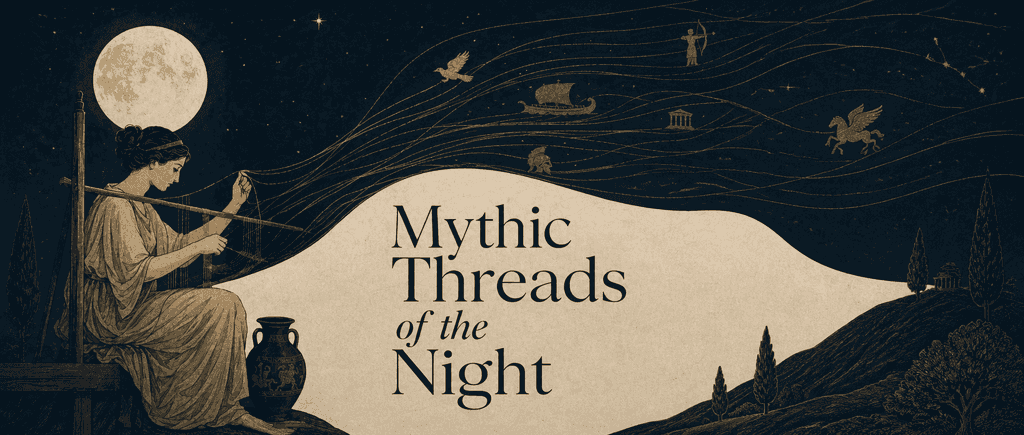
Overview of A Touch of Darkness
In "A Touch of Darkness," librarian-turned-bestseller Scarlett St. Clair reimagines Hades and Persephone in a seductive romance that exploded on BookTok with 13 million views. This self-published phenomenon revolutionized modern mythology retellings, proving sometimes the darkest love stories burn brightest.
- A Touch of Darkness by Scarlett St. Clair is a fiction novel, not a non-fiction book.
- The book is a paranormal romance and Greek mythology retelling that follows Persephone, Goddess of Spring, who makes a deal with Hades after losing a poker game at his nightclub.
- It's the first installment in the Hades x Persephone Saga series.
- Fiction novels like A Touch of Darkness are narrative-driven stories with plot, character development, and fictional events rather than teachable concepts or philosophical frameworks.
- Consider plot summaries and character analyses for SEO-optimized content.
- Consider themes and tropes (enemies-to-lovers, forced proximity, Greek mythology retellings).
- Consider comparison to similar paranormal romance titles.
- Consider reading order for the series.
- Consider content warnings and spice level information.
About the Author of A Touch of Darkness
Scarlett St. Clair is the #1 New York Times bestselling author of A Touch of Darkness and a leading voice in contemporary Greek mythology retellings and fantasy romance. A citizen of the Muscogee Nation, St. Clair brings a fresh perspective to ancient myths, reimagining the Hades and Persephone story with dark sensuality and modern emotional depth.
Her obsession with Greek mythology, combined with her academic background—a master's degree in library science and a bachelor's in English writing—fuels her richly layered narratives that blend romance, mythology, and the afterlife.
Beyond the Hades x Persephone Saga, St. Clair has authored the Adrian x Isolde series (beginning with King of Battle and Blood), the Fairy Tale Retelling series, and her latest work, Terror at the Gates. Her books have sold millions of copies worldwide, establishing her as a global bestselling author whose spicy, feminist-driven fantasies resonate with readers seeking empowered female characters and intoxicating romance. A Touch of Darkness launched a phenomenon that redefined Greek myth romance for a new generation.
FAQs About A Touch of Darkness
What is A Touch of Darkness by Scarlett St. Clair about?
A Touch of Darkness is a modern Greek mythology retelling where Persephone, the goddess of spring disguised as a mortal journalist in New Athens, strikes a bargain with Hades, the god of the dead. She must create life in the Underworld within six months or lose her freedom forever, but complications arise when she discovers she cannot use her powers—and begins falling for the forbidden god.
Who is Scarlett St. Clair?
Scarlett St. Clair is a #1 New York Times bestselling author and citizen of the Muscogee Nation who writes the Hades x Persephone saga. She holds a master's degree in library science and a bachelor's in English writing, and worked as a librarian before becoming a full-time self-published author in 2020. Her expertise in reader behavior informs her community-building approach to writing romance and fantasy novels.
Is A Touch of Darkness worth reading?
A Touch of Darkness is worth reading for fans of spicy Greek mythology retellings with strong romantic elements and modern settings. The book became a #1 New York Times bestseller and resonates particularly with readers seeking sex-positive romance, female agency, and fresh perspectives on ancient myths. Many readers credit St. Clair's series with reigniting their passion for reading.
Who should read A Touch of Darkness?
A Touch of Darkness is ideal for adult readers who enjoy romantasy (romance-fantasy blends), Greek mythology retellings, and steamy contemporary romance with explicit scenes. The book appeals to fans of forbidden romance tropes, slow-burn relationships, and modern urban fantasy settings where gods and mortals coexist. Readers seeking sex-positive narratives centered on female experience will particularly appreciate St. Clair's approach.
What is the main conflict in A Touch of Darkness?
The central conflict involves Persephone's bargain with Hades to create life in the Underworld despite having no control over her spring goddess powers. Additional tensions arise from her mother Demeter's disapproval, a bet between Hades and Aphrodite about making someone fall in love, and Persephone's journalism exposé threatening to reveal Hades' secrets. The forbidden nature of their romance further complicates their relationship.
How does A Touch of Darkness reimagine the Hades and Persephone myth?
A Touch of Darkness transforms the traditional abduction myth into a consensual, modern love story set in New Athens where gods run businesses like Hades' casino Nevernight. Rather than portraying Persephone as a victim, St. Clair centers female agency by making Persephone an ambitious journalist who willingly enters the bargain. The retelling emphasizes choice, consent, and sex positivity while exploring power dynamics in healthy relationships.
What are the main themes in A Touch of Darkness by Scarlett St. Clair?
A Touch of Darkness explores female agency and autonomy through Persephone's journey to claim her goddess powers and independence from her controlling mother. The novel emphasizes sex positivity by centering women's sexual experiences and depicting healthy intimate relationships. Additional themes include identity discovery, challenging first impressions, and the tension between public perception versus private truth as Persephone learns Hades' true nature.
What is the setting of A Touch of Darkness?
A Touch of Darkness takes place in New Athens, a contemporary city where Greek gods and mortals live side by side, with deities owning mortal businesses. Hades operates Nevernight, an exclusive casino and club with impossibly long wait lists, while the Underworld features beautiful realms like Asphodel and Elysium. This modern urban fantasy setting allows ancient mythology to intersect with contemporary life, including journalism, internships, and social dynamics.
How does the bargain work between Persephone and Hades in A Touch of Darkness?
After losing a poker game at Hades' club Nevernight, Persephone unknowingly strikes a deal marked by a strange symbol on her skin. The bargain requires her to create life—grow plants and flowers—in the Underworld within six months to earn her freedom. The challenge becomes nearly impossible when Persephone reveals plants wither at her touch due to suppressed powers, forcing her to regularly visit the Underworld and train with the goddess Hecate.
What role does Persephone's journalism career play in A Touch of Darkness?
Persephone works as an intern at New Athens News and initially plans to expose Hades' supposedly shady dealings through investigative journalism. Her editor grants complete creative freedom, which she uses to write a critical article—published prematurely by colleague Adonis without her consent. This journalism subplot creates conflict between her professional ambitions and growing feelings for Hades, ultimately forcing her to confront her prejudgments.
How does A Touch of Darkness address female sexuality and relationships?
A Touch of Darkness intentionally centers women's sexual experiences as an act of sex positivity and empowerment. St. Clair writes steamy adult scenes that prioritize Persephone's perspective, pleasure, and agency, challenging sexually repressive cultural narratives. The novel portrays sex as a natural expression of love and power rather than something shameful, with St. Clair noting that "there's power in women embracing sex" that society often finds threatening.
What happens at the end of A Touch of Darkness?
After discovering Hades made a bet with Aphrodite about making someone fall in love within six months, a heartbroken Persephone confronts him at the Well of Reincarnation. When Hades doesn't reciprocate her love confession, she summons vines to restrain him—inadvertently fulfilling her contract by creating life in the Underworld. She returns to the mortal realm, destroys blackmail photos, turns the traitorous Minthe into a mint plant, and confronts her mother Demeter about withholding her powers.
Feel the book through the author's voice
Turn knowledge into engaging, example-rich insights
Capture key ideas in a flash for fast learning
Enjoy the book in a fun and engaging way
Characters in A Touch of Darkness
- PersephoneGoddess of Spring and journalism student
- HadesGod of the Dead and owner of Nevernight
- DemeterPersephone's controlling mother
- LexaPersephone's best friend
Key Themes in A Touch of Darkness
- modern myth retelling
- forbidden divine romance
- coming of age rebellion
- power dynamics
- hidden identity
Quotes from A Touch of Darkness
Gods view women as either "power plays or playthings."
"I challenge what destroys their lives and give them a choice to conquer or succumb."
Love is a "selfish reason for resurrection"
This secrecy has become Persephone's prison.
Her journey begins not with confidence but with rebellion.
Explore Your Way of Learning
 Quick Summary Mode
Read or listen to A Touch of Darkness Summary in 8 Minutes
Break down key ideas from A Touch of Darkness into bite-sized takeaways to understand how innovative teams create, collaborate, and grow.

 Fun Mode
A Touch of Darkness Lessons Told Through 21-Min Stories
Experience A Touch of Darkness through vivid storytelling that turns innovation lessons into moments you'll remember and apply.
 Personalize Mode
Experience A Touch of Darkness in your own learning style
Ask anything, choose your learning style, and co-create insights that truly resonate with you.
From Columbia University alumni built in San Francisco
"Instead of endless scrolling, I just hit play on BeFreed. It saves me so much time."


"I never knew where to start with nonfiction—BeFreed’s book lists turned into podcasts gave me a clear path."


"Perfect balance between learning and entertainment. Finished ‘Thinking, Fast and Slow’ on my commute this week."
"Crazy how much I learned while walking the dog. BeFreed = small habits → big gains."
"Reading used to feel like a chore. Now it’s just part of my lifestyle."

"Feels effortless compared to reading. I’ve finished 6 books this month already."
"BeFreed turned my guilty doomscrolling into something that feels productive and inspiring."

"BeFreed turned my commute into learning time. 20-min podcasts are perfect for finishing books I never had time for."
"BeFreed replaced my podcast queue. Imagine Spotify for books — that’s it. 🙌"

"It is great for me to learn something from the book without reading it."
"The themed book list podcasts help me connect ideas across authors—like a guided audio journey."
"Makes me feel smarter every time before going to work"
From Columbia University alumni built in San Francisco
"Instead of endless scrolling, I just hit play on BeFreed. It saves me so much time."
"I never knew where to start with nonfiction—BeFreed’s book lists turned into podcasts gave me a clear path."
"Perfect balance between learning and entertainment. Finished ‘Thinking, Fast and Slow’ on my commute this week."
"Crazy how much I learned while walking the dog. BeFreed = small habits → big gains."
"Reading used to feel like a chore. Now it’s just part of my lifestyle."
"Feels effortless compared to reading. I’ve finished 6 books this month already."
"BeFreed turned my guilty doomscrolling into something that feels productive and inspiring."
"BeFreed turned my commute into learning time. 20-min podcasts are perfect for finishing books I never had time for."
"BeFreed replaced my podcast queue. Imagine Spotify for books — that’s it. 🙌"
"It is great for me to learn something from the book without reading it."
"The themed book list podcasts help me connect ideas across authors—like a guided audio journey."
"Makes me feel smarter every time before going to work"
"Instead of endless scrolling, I just hit play on BeFreed. It saves me so much time."
"I never knew where to start with nonfiction—BeFreed’s book lists turned into podcasts gave me a clear path."
"Perfect balance between learning and entertainment. Finished ‘Thinking, Fast and Slow’ on my commute this week."
"Crazy how much I learned while walking the dog. BeFreed = small habits → big gains."
"Reading used to feel like a chore. Now it’s just part of my lifestyle."
"Feels effortless compared to reading. I’ve finished 6 books this month already."
"BeFreed turned my guilty doomscrolling into something that feels productive and inspiring."
"BeFreed turned my commute into learning time. 20-min podcasts are perfect for finishing books I never had time for."
"BeFreed replaced my podcast queue. Imagine Spotify for books — that’s it. 🙌"
"It is great for me to learn something from the book without reading it."
"The themed book list podcasts help me connect ideas across authors—like a guided audio journey."
"Makes me feel smarter every time before going to work"
"Instead of endless scrolling, I just hit play on BeFreed. It saves me so much time."
"I never knew where to start with nonfiction—BeFreed’s book lists turned into podcasts gave me a clear path."
"Perfect balance between learning and entertainment. Finished ‘Thinking, Fast and Slow’ on my commute this week."
"Crazy how much I learned while walking the dog. BeFreed = small habits → big gains."
"Reading used to feel like a chore. Now it’s just part of my lifestyle."
"Feels effortless compared to reading. I’ve finished 6 books this month already."
"BeFreed turned my guilty doomscrolling into something that feels productive and inspiring."
"BeFreed turned my commute into learning time. 20-min podcasts are perfect for finishing books I never had time for."
"BeFreed replaced my podcast queue. Imagine Spotify for books — that’s it. 🙌"
"It is great for me to learn something from the book without reading it."
"The themed book list podcasts help me connect ideas across authors—like a guided audio journey."
"Makes me feel smarter every time before going to work"

Download Summary of A Touch of Darkness
Get the A Touch of Darkness summary as a free PDF or EPUB. Print it or read offline anytime.