The spirituality of imperfection: modern wisdom from classic stories by Ernest Kurtz Summary

Overview of The spirituality of imperfection
In "The Spirituality of Imperfection," discover why embracing human flaws creates true healing. This spiritual classic has sold 200,000+ copies, becoming foundational in recovery communities worldwide. What secret wisdom made this storytelling masterpiece resonate across Buddhism, Christianity, and Twelve-Step programs for three decades?
- Ernest Kurtz defines spirituality of imperfection as embracing human flaws
- The book uses one hundred stories to teach spiritual wisdom
- Perfectionism is the most tragic human mistake according to Kurtz
- True spirituality begins with accepting your essential imperfection and limitations
- The Spirituality of Imperfection teaches six dimensions of recovery spirituality
- Story plus forgiveness equals healing in Kurtz's spiritual framework
- Spirituality thrives in questions not answers says The Spirituality of Imperfection
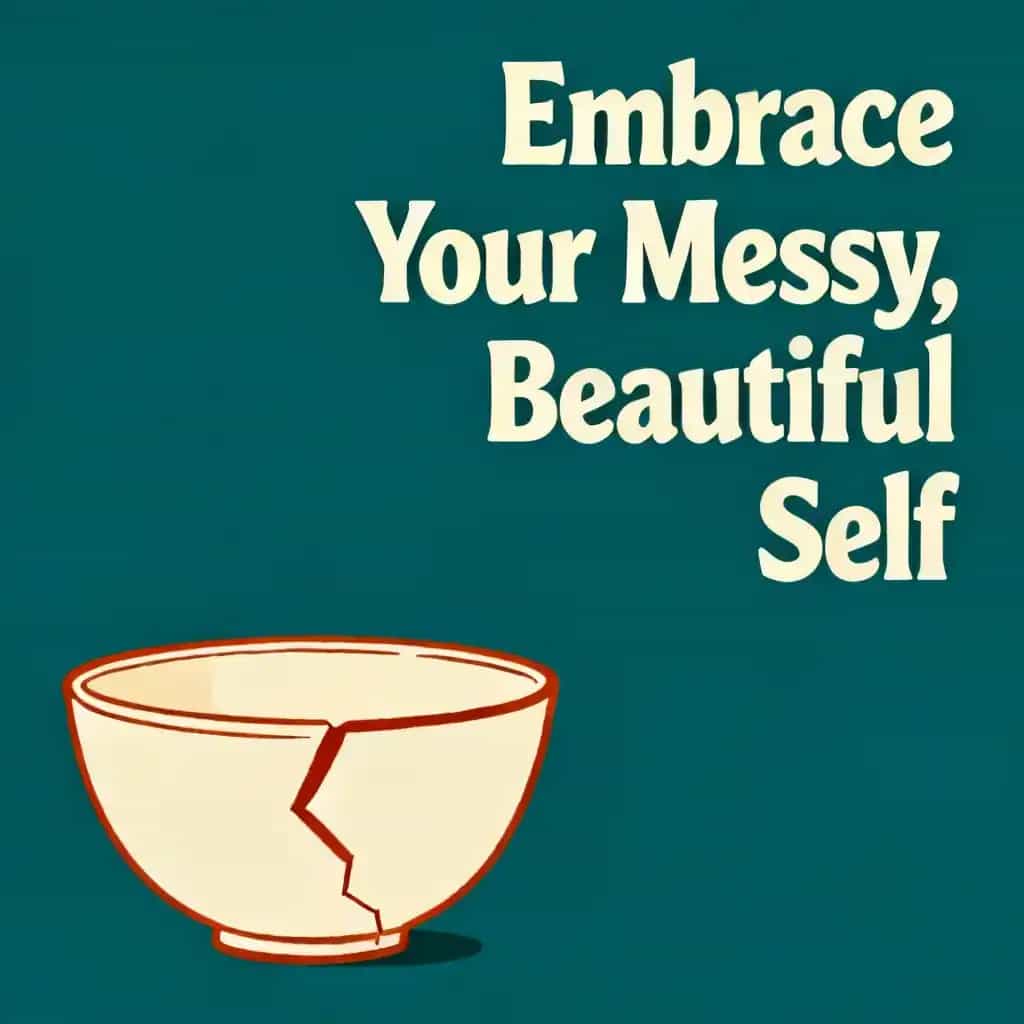
- Your imperfections are the crack that lets spiritual growth in
- Denying your errors means denying your humanity says Ernest Kurtz
- Kurtz teaches spirituality is found between paradox extremes not absolutes
- If something is worth doing it is worth doing badly
- Compassion toward yourself requires letting go of the perfection quest
About the Author of The spirituality of imperfection
Ernest Kurtz (1935-2015) is the author of The Spirituality of Imperfection and a renowned historian of Alcoholics Anonymous and spirituality expert. Co-written with Katherine Ketcham, this landmark work explores the spiritual—though not necessarily religious—principles underlying recovery and human transformation, emphasizing the acceptance of imperfection through the power of storytelling.
Kurtz earned his Ph.D. from Harvard University in 1978, and his doctoral dissertation became Not-God: A History of Alcoholics Anonymous, widely considered the authoritative chronicle of AA's founding and development.
As the first researcher granted full access to AA's archives, Kurtz became known as "AA's ablest chronicler." His other influential works include Shame and Guilt, Experiencing Spirituality, and The Collected Ernie Kurtz. He taught at the University of Georgia and Loyola University of Chicago, and served on the faculty of the Rutgers University Summer School of Alcohol Studies for nearly two decades, shaping generations of addiction recovery professionals.
FAQs About The spirituality of imperfection
What is The Spirituality of Imperfection about?
The Spirituality of Imperfection by Ernest Kurtz and Katherine Ketcham explores how embracing human flaws and limitations leads to authentic spiritual growth. Through stories from diverse wisdom traditions, the book reveals that accepting imperfection—rather than pursuing perfection—opens the path to healing, meaning, and connection with something greater than ourselves. It emphasizes that spirituality begins with recognizing we are "not God" and finding peace within our fractured, paradoxical human nature.
Who are Ernest Kurtz and Katherine Ketcham?
Ernest Kurtz earned his Ph.D. from Harvard University and authored the landmark history Not-God: A History of Alcoholics Anonymous. He taught American History and the History of Religion at multiple universities and became AA's most influential second-generation chronicler. Katherine Ketcham co-authored The Spirituality of Imperfection with Kurtz, contributing her expertise in translating complex spiritual concepts into accessible wisdom. Together, they created a groundbreaking exploration of imperfection-centered spirituality.
Who should read The Spirituality of Imperfection by Ernest Kurtz?
The Spirituality of Imperfection is ideal for individuals in addiction recovery, particularly those following Twelve-Step programs like Alcoholics Anonymous. It also serves spiritual seekers struggling with perfectionism, mental health professionals, and anyone interested in personal growth through storytelling and wisdom traditions. The book appeals to readers seeking meaning beyond organized religion, those confronting life's limitations, and anyone wanting to understand how accepting flaws creates genuine transformation.
Is The Spirituality of Imperfection worth reading?
The Spirituality of Imperfection is worth reading for its profound reframing of human limitations as pathways to spiritual wisdom rather than obstacles to overcome. The book offers practical insights through compelling stories from multiple traditions, making complex spiritual concepts accessible and actionable. Readers gain a realistic, non-dogmatic approach to spirituality that embraces questions over answers, journey over destination, and acceptance over denial.
What is the main message of The Spirituality of Imperfection?
The central message of The Spirituality of Imperfection is that "trying to be perfect is the most tragic human mistake". Ernest Kurtz and Katherine Ketcham argue that spirituality begins when we accept our fractured being and stop playing God. True healing comes from embracing limitations, acknowledging powerlessness, and finding meaning in the space between perfection and worthlessness. This recognition of imperfection creates the "wound" that allows spiritual connection to enter.
What does kenosis mean in The Spirituality of Imperfection?
Kenosis in The Spirituality of Imperfection refers to the ancient Greek concept of "emptying out"—surrendering control and hitting bottom. Ernest Kurtz explains this as the spiritual process where we realize we are lost by ourselves and cannot fix everything through willpower alone. In Alcoholics Anonymous language, kenosis represents the moment of surrender that precedes transformation. This emptying creates space for spiritual insight and acceptance of human powerlessness.
How does The Spirituality of Imperfection relate to Alcoholics Anonymous?
The Spirituality of Imperfection explains the underlying spiritual principles of Alcoholics Anonymous without requiring religious belief. Ernest Kurtz, who wrote the definitive AA history Not-God, shows how AA's founders used imperfection-centered spirituality practically. The book explores AA's core insight—"first of all, we had to quit playing God"—and demonstrates how accepting limitations enables recovery. Part Two specifically discusses how AA put these spiritual concepts into practice for healing.
What are the three parts of The Spirituality of Imperfection?
The Spirituality of Imperfection is structured in three parts:
- Part One presents the Roots of Wisdom, emphasizing recognition and acceptance of humans as imperfect beings.
- Part Two explores how AA founders put spirituality to use through practical application of these principles.
- Part Three discusses the benefits—release, gratitude, humility, tolerance, and forgiveness—that come from embracing imperfection.
Each section uses stories and anecdotes from diverse traditions to illustrate concepts.
What does "Story + Forgiveness = Healed" mean in The Spirituality of Imperfection?
The quote "When a man comes to you and tells you your own story, you know that your sins are forgiven. And when you are forgiven, you are healed" captures Ernest Kurtz's belief in storytelling's healing power. This principle suggests that having our experiences witnessed and reflected back creates recognition, acceptance, and forgiveness. The formula emphasizes that healing requires both narrative connection and compassionate forgiveness—not isolation or shame. Stories become vehicles for transformation when they reveal shared human imperfection.
How does The Spirituality of Imperfection define spirituality versus religion?
The Spirituality of Imperfection distinguishes spirituality as a personal, inner pursuit of meaning and connection with higher power, focusing on individual growth and peace. Religion involves organized structures, specific beliefs, rituals, and communal worship practices. Ernest Kurtz and Katherine Ketcham emphasize that their spirituality makes no claim to be "confoundedly right" but instead values questions over answers and journey over perfection. This approach welcomes all belief systems, including agnostic and atheist perspectives.
What are the key themes in The Spirituality of Imperfection?
The Spirituality of Imperfection explores:
- Humility and self-acceptance—recognizing limitations and flaws as essential to wisdom.
- Compassion and forgiveness toward oneself forms another central theme, encouraging readers to embrace rather than reject their imperfections.
- The book emphasizes paradox and balance—accepting we are neither everything nor nothing.
Additional themes include the necessity of suffering, the danger of denial, the importance of storytelling, and finding humor in difficult situations.
What criticisms exist of The Spirituality of Imperfection?
While search results don't detail specific criticisms, The Spirituality of Imperfection's heavy emphasis on Alcoholics Anonymous traditions may feel limiting to readers outside recovery contexts. The book's paradox-centered approach—embracing contradictions without clear answers—might frustrate those seeking definitive spiritual guidance or practical techniques. Some readers may find the extensive storytelling from ancient traditions meandering rather than actionable. The framework requires comfort with ambiguity, which doesn't suit everyone seeking spiritual clarity or step-by-step transformation methods.
Feel the book through the author's voice
Turn knowledge into engaging, example-rich insights
Capture key ideas in a flash for fast learning
Enjoy the book in a fun and engaging way
Key Themes in The spirituality of imperfection
Quotes from The spirituality of imperfection
Wisdom begins where knowledge ends.
To have the answer is to misunderstand the question.
Spirituality begins in suffering.
To be human is to be imperfect.
Only those who acknowledge darkness can truly appreciate light.
Characters in The spirituality of imperfection
Quick Summary Mode - Read or listen to The spirituality of imperfection Summary in 9 Minutes

Break down key ideas from The spirituality of imperfection into bite-sized takeaways to understand how innovative teams create, collaborate, and grow.

Flash Card Mode - Top 10 Insights from The spirituality of imperfection in a Nutshell

Distill The spirituality of imperfection into rapid-fire memory cues that highlight key principles of candor, teamwork, and creative resilience.

Fun Mode - The spirituality of imperfection Lessons Told Through 22-Min Stories

Experience The spirituality of imperfection through vivid storytelling that turns innovation lessons into moments you'll remember and apply.
Personalize Mode - Read or listen to The spirituality of imperfection Summary in 0 Minutes

Ask anything, pick the voice, and co-create insights that truly resonate with you.

From Columbia University alumni built in San Francisco
"Instead of endless scrolling, I just hit play on BeFreed. It saves me so much time."


"I never knew where to start with nonfiction—BeFreed’s book lists turned into podcasts gave me a clear path."


"Perfect balance between learning and entertainment. Finished ‘Thinking, Fast and Slow’ on my commute this week."
"Crazy how much I learned while walking the dog. BeFreed = small habits → big gains."
"Reading used to feel like a chore. Now it’s just part of my lifestyle."

"Feels effortless compared to reading. I’ve finished 6 books this month already."
"BeFreed turned my guilty doomscrolling into something that feels productive and inspiring."

"BeFreed turned my commute into learning time. 20-min podcasts are perfect for finishing books I never had time for."
"BeFreed replaced my podcast queue. Imagine Spotify for books — that’s it. 🙌"

"It is great for me to learn something from the book without reading it."
"The themed book list podcasts help me connect ideas across authors—like a guided audio journey."
"Makes me feel smarter every time before going to work"
From Columbia University alumni built in San Francisco
"Instead of endless scrolling, I just hit play on BeFreed. It saves me so much time."
"I never knew where to start with nonfiction—BeFreed’s book lists turned into podcasts gave me a clear path."
"Perfect balance between learning and entertainment. Finished ‘Thinking, Fast and Slow’ on my commute this week."
"Crazy how much I learned while walking the dog. BeFreed = small habits → big gains."
"Reading used to feel like a chore. Now it’s just part of my lifestyle."
"Feels effortless compared to reading. I’ve finished 6 books this month already."
"BeFreed turned my guilty doomscrolling into something that feels productive and inspiring."
"BeFreed turned my commute into learning time. 20-min podcasts are perfect for finishing books I never had time for."
"BeFreed replaced my podcast queue. Imagine Spotify for books — that’s it. 🙌"
"It is great for me to learn something from the book without reading it."
"The themed book list podcasts help me connect ideas across authors—like a guided audio journey."
"Makes me feel smarter every time before going to work"
"Instead of endless scrolling, I just hit play on BeFreed. It saves me so much time."
"I never knew where to start with nonfiction—BeFreed’s book lists turned into podcasts gave me a clear path."
"Perfect balance between learning and entertainment. Finished ‘Thinking, Fast and Slow’ on my commute this week."
"Crazy how much I learned while walking the dog. BeFreed = small habits → big gains."
"Reading used to feel like a chore. Now it’s just part of my lifestyle."
"Feels effortless compared to reading. I’ve finished 6 books this month already."
"BeFreed turned my guilty doomscrolling into something that feels productive and inspiring."
"BeFreed turned my commute into learning time. 20-min podcasts are perfect for finishing books I never had time for."
"BeFreed replaced my podcast queue. Imagine Spotify for books — that’s it. 🙌"
"It is great for me to learn something from the book without reading it."
"The themed book list podcasts help me connect ideas across authors—like a guided audio journey."
"Makes me feel smarter every time before going to work"
"Instead of endless scrolling, I just hit play on BeFreed. It saves me so much time."
"I never knew where to start with nonfiction—BeFreed’s book lists turned into podcasts gave me a clear path."
"Perfect balance between learning and entertainment. Finished ‘Thinking, Fast and Slow’ on my commute this week."
"Crazy how much I learned while walking the dog. BeFreed = small habits → big gains."
"Reading used to feel like a chore. Now it’s just part of my lifestyle."
"Feels effortless compared to reading. I’ve finished 6 books this month already."
"BeFreed turned my guilty doomscrolling into something that feels productive and inspiring."
"BeFreed turned my commute into learning time. 20-min podcasts are perfect for finishing books I never had time for."
"BeFreed replaced my podcast queue. Imagine Spotify for books — that’s it. 🙌"
"It is great for me to learn something from the book without reading it."
"The themed book list podcasts help me connect ideas across authors—like a guided audio journey."
"Makes me feel smarter every time before going to work"

Get the The spirituality of imperfection summary as a free PDF or EPUB. Print it or read offline anytime.