Better Sex Through Mindfulness: How Women Can Cultivate Desire by Lori A. Brotto Summary

Overview of Better Sex Through Mindfulness
Discover the science of desire in Dr. Brotto's groundbreaking guide, where mindfulness transforms women's sexual experiences. Endorsed by New York Times bestselling authors and featured on Netflix's "The Principles of Pleasure," this pioneering work asks: What if your mind, not your body, holds the key to extraordinary intimacy?
- Mindfulness rewires sexual response by anchoring attention to present-moment sensations
- Stress reduction through breathwork directly boosts desire more than arousal techniques
- Non-judgmental body scans outperform fantasy for building erotic self-awareness
- Multitasking kills sexual satisfaction – mindfulness creates single-focus intimacy
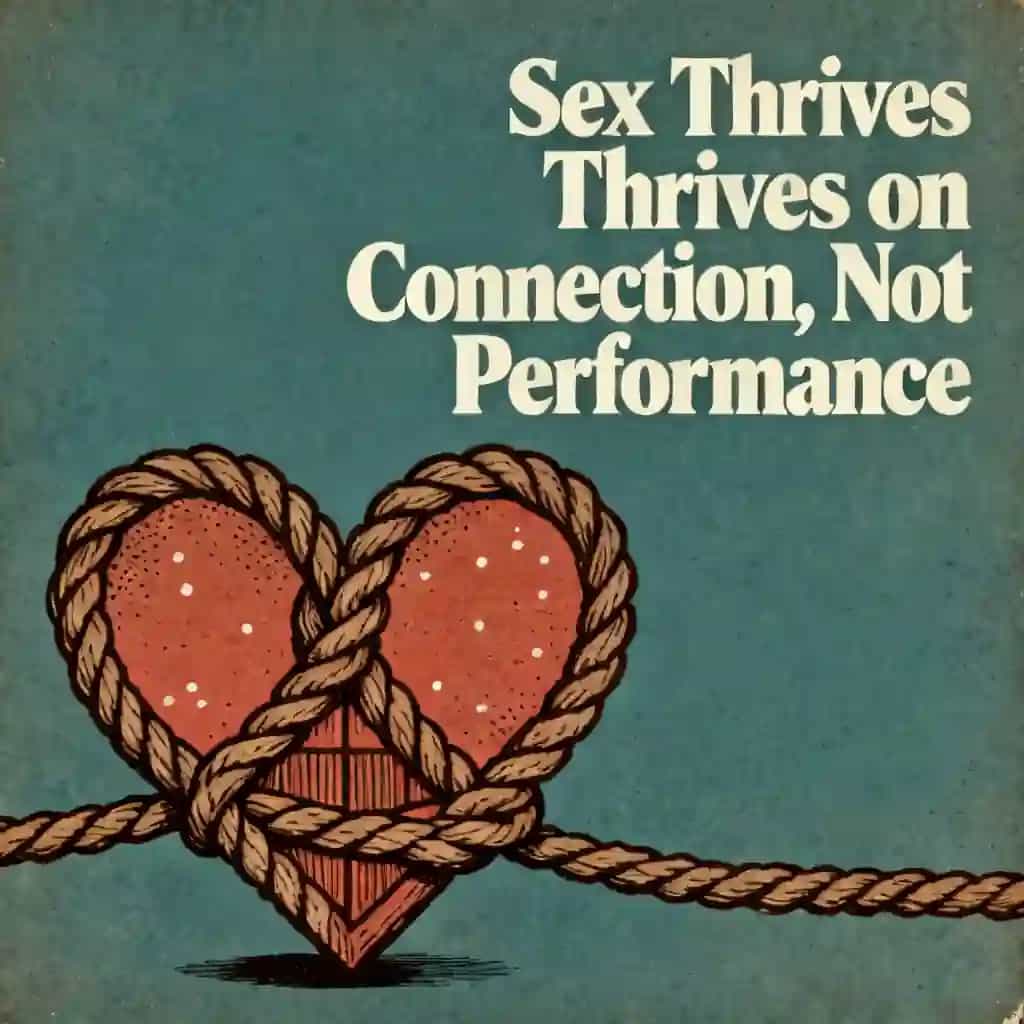
- Sexual desire thrives when treated as practice rather than performance
- Women’s arousal patterns respond better to curiosity than goal-oriented thinking
- Mindful communication bridges the gap between physical touch and emotional needs
- Brotto’s 90-second “body first” technique disrupts anxiety during intimacy
- Sexual droughts often stem from cognitive overload – not relationship issues
- Mindfulness transforms sexual distress into manageable physiological signals
- Daily nonsexual mindfulness practice creates lasting improvements in partnered sex
- Self-compassion exercises outperform confidence-building for overcoming body image barriers
About the Author of Better Sex Through Mindfulness
Lori A. Brotto is a clinical psychologist and a leading expert in women’s sexual health. She is the author of the groundbreaking self-help book Better Sex Through Mindfulness, which merges mindfulness practices with evidence-based strategies to address sexual wellness.
A Professor in the University of British Columbia’s Department of Obstetrics and Gynaecology and holder of a Canada Research Chair in Women’s Sexual Health, Brotto has dedicated over two decades to advancing research on desire disorders, genital pain, and mindfulness-based interventions. Her work as Executive Director of BC Women’s Health Research Institute and director of the UBC Sexual Health Laboratory underscores her authority in the field.
Brotto’s insights have been featured in The New York Times, TED Talks, and podcasts like We Can Do Hard Things and The Savage Lovecast. Better Sex Through Mindfulness distills 15 years of clinical research into accessible tools, empowering readers to reframe intimacy through psychological and somatic awareness. Translated into multiple languages, the book has become a trusted resource for therapists and a catalyst for global conversations on women’s sexual health.
FAQs About Better Sex Through Mindfulness
What is Better Sex Through Mindfulness by Lori A. Brotto about?
Better Sex Through Mindfulness explores how mindfulness practices can enhance women’s sexual well-being by addressing low desire, arousal difficulties, and genital pain. Drawing on 15+ years of clinical research, Dr. Lori Brotto combines scientific evidence with practical exercises to help readers cultivate present-moment awareness, reduce stress-related sexual barriers, and improve intimacy. The book debunks myths about “normal” sexuality while offering strategies grounded in mindfulness-based cognitive therapy.
Who should read Better Sex Through Mindfulness?
This book is ideal for women experiencing sexual concerns like low desire, distraction during intimacy, or pain, as well as therapists and healthcare providers seeking evidence-based approaches. It also benefits partners aiming to support sexual well-being or individuals interested in mindfulness applications beyond traditional stress reduction.
Is Better Sex Through Mindfulness worth reading?
Yes, for its actionable blend of clinical science and accessible mindfulness exercises. Critics praise its research-backed approach but note repetitive sections and heteronormative language. It’s particularly valuable for readers seeking alternatives to pharmaceutical interventions or those navigating stress-related sexual challenges.
What mindfulness exercises does Lori Brotto recommend for sexual health?
Brotto suggests practices like body scans, mindful breathing, and sensory-focused activities (e.g., the “raisin exercise” to heighten awareness). These techniques aim to reduce anxiety, improve bodily connection, and reframe sexual experiences without judgment. Structured mindfulness meditation sessions of 10-15 minutes daily form the core intervention.
How does Better Sex Through Mindfulness address genital pain?
The book frames genital pain (e.g., vulvodynia) as both a physical and psychological experience. Mindfulness helps patients disentangle pain from emotional distress through non-reactive observation of sensations. Brotto emphasizes gradual exposure paired with mindfulness to rebuild positive associations with touch.
What role does the brain play in sexuality according to Brotto?
Brotto identifies the brain as the “master sexual organ,” highlighting how stress, distraction, and negative self-talk inhibit arousal. Mindfulness trains the brain to focus on erotic cues while reducing anxiety’s interference, creating neural pathways that support sexual responsiveness.
How does Better Sex Through Mindfulness critique cultural myths about desire?
The book challenges notions like “spontaneous desire is essential” and “sexual frequency declines irreversibly with age.” Brotto presents evidence that responsive desire (arising from stimulation) is equally valid and that mindfulness can rejuvenate sexual interest at any life stage.
What are the main criticisms of Better Sex Through Mindfulness?
Reviewers note the binary gendered language excludes non-cisgender/queer experiences and that anecdotal repetitions weaken pacing. However, these are outweighed by its clinical rigor and practical framework for sexual well-being.
How does Brotto’s approach differ from Emily Nagoski’s Come As You Are?
While both address women’s sexuality, Brotto focuses specifically on mindfulness as a therapeutic tool, whereas Nagoski explores broader sociocultural and biological factors. The books are complementary—Brotto offers targeted exercises, while Nagoski provides foundational theory.
Can Better Sex Through Mindfulness help with relationship conflicts about sex?
Yes, through exercises designed for partners, like synchronized breathing and mindful touch. The book teaches couples to approach sexual discrepancies without blame, fostering empathy and collaborative problem-solving around mismatched desires.
Why does Brotto emphasize “non-judgmental awareness” in sexuality?
Judging sexual experiences (e.g., “I should want sex more”) amplifies distress. Mindfulness encourages observing thoughts/feelings without evaluation, reducing shame cycles and creating space for authentic sexual responses to emerge.
How relevant is Better Sex Through Mindfulness in 2025?
Its focus on stress reduction remains critical amid rising anxiety rates. Updated research continues to validate mindfulness for sexual health, with recent studies cited in Brotto’s 2022 workbook edition strengthening the original arguments.
Feel the book through the author's voice
Turn knowledge into engaging, example-rich insights
Capture key ideas in a flash for fast learning
Enjoy the book in a fun and engaging way
Key Themes in Better Sex Through Mindfulness
Quotes from Better Sex Through Mindfulness
When we're mentally elsewhere, we literally cannot process sexual cues properly.
The best cure for the body is a quiet mind.
Touch is fundamental to human connection.
Rather than pressing harder on the 'gas pedal' we should focus on releasing the 'brake pedal'.
Electronic distractions can cause an IQ drop equivalent to 10 points.
Characters in Better Sex Through Mindfulness
Quick Summary Mode - Read or listen to Better Sex Through Mindfulness Summary in 9 Minutes

Break down key ideas from Better Sex Through Mindfulness into bite-sized takeaways to understand how innovative teams create, collaborate, and grow.

Flash Card Mode - Top 6 Insights from Better Sex Through Mindfulness in a Nutshell

Distill Better Sex Through Mindfulness into rapid-fire memory cues that highlight key principles of candor, teamwork, and creative resilience.

Fun Mode - Better Sex Through Mindfulness Lessons Told Through 24-Min Stories

Experience Better Sex Through Mindfulness through vivid storytelling that turns innovation lessons into moments you'll remember and apply.
Personalize Mode - Read or listen to Better Sex Through Mindfulness Summary in 0 Minutes

Ask anything, pick the voice, and co-create insights that truly resonate with you.

From Columbia University alumni built in San Francisco
"Instead of endless scrolling, I just hit play on BeFreed. It saves me so much time."


"I never knew where to start with nonfiction—BeFreed’s book lists turned into podcasts gave me a clear path."


"Perfect balance between learning and entertainment. Finished ‘Thinking, Fast and Slow’ on my commute this week."
"Crazy how much I learned while walking the dog. BeFreed = small habits → big gains."
"Reading used to feel like a chore. Now it’s just part of my lifestyle."

"Feels effortless compared to reading. I’ve finished 6 books this month already."
"BeFreed turned my guilty doomscrolling into something that feels productive and inspiring."

"BeFreed turned my commute into learning time. 20-min podcasts are perfect for finishing books I never had time for."
"BeFreed replaced my podcast queue. Imagine Spotify for books — that’s it. 🙌"

"It is great for me to learn something from the book without reading it."
"The themed book list podcasts help me connect ideas across authors—like a guided audio journey."
"Makes me feel smarter every time before going to work"
From Columbia University alumni built in San Francisco
"Instead of endless scrolling, I just hit play on BeFreed. It saves me so much time."
"I never knew where to start with nonfiction—BeFreed’s book lists turned into podcasts gave me a clear path."
"Perfect balance between learning and entertainment. Finished ‘Thinking, Fast and Slow’ on my commute this week."
"Crazy how much I learned while walking the dog. BeFreed = small habits → big gains."
"Reading used to feel like a chore. Now it’s just part of my lifestyle."
"Feels effortless compared to reading. I’ve finished 6 books this month already."
"BeFreed turned my guilty doomscrolling into something that feels productive and inspiring."
"BeFreed turned my commute into learning time. 20-min podcasts are perfect for finishing books I never had time for."
"BeFreed replaced my podcast queue. Imagine Spotify for books — that’s it. 🙌"
"It is great for me to learn something from the book without reading it."
"The themed book list podcasts help me connect ideas across authors—like a guided audio journey."
"Makes me feel smarter every time before going to work"
"Instead of endless scrolling, I just hit play on BeFreed. It saves me so much time."
"I never knew where to start with nonfiction—BeFreed’s book lists turned into podcasts gave me a clear path."
"Perfect balance between learning and entertainment. Finished ‘Thinking, Fast and Slow’ on my commute this week."
"Crazy how much I learned while walking the dog. BeFreed = small habits → big gains."
"Reading used to feel like a chore. Now it’s just part of my lifestyle."
"Feels effortless compared to reading. I’ve finished 6 books this month already."
"BeFreed turned my guilty doomscrolling into something that feels productive and inspiring."
"BeFreed turned my commute into learning time. 20-min podcasts are perfect for finishing books I never had time for."
"BeFreed replaced my podcast queue. Imagine Spotify for books — that’s it. 🙌"
"It is great for me to learn something from the book without reading it."
"The themed book list podcasts help me connect ideas across authors—like a guided audio journey."
"Makes me feel smarter every time before going to work"
"Instead of endless scrolling, I just hit play on BeFreed. It saves me so much time."
"I never knew where to start with nonfiction—BeFreed’s book lists turned into podcasts gave me a clear path."
"Perfect balance between learning and entertainment. Finished ‘Thinking, Fast and Slow’ on my commute this week."
"Crazy how much I learned while walking the dog. BeFreed = small habits → big gains."
"Reading used to feel like a chore. Now it’s just part of my lifestyle."
"Feels effortless compared to reading. I’ve finished 6 books this month already."
"BeFreed turned my guilty doomscrolling into something that feels productive and inspiring."
"BeFreed turned my commute into learning time. 20-min podcasts are perfect for finishing books I never had time for."
"BeFreed replaced my podcast queue. Imagine Spotify for books — that’s it. 🙌"
"It is great for me to learn something from the book without reading it."
"The themed book list podcasts help me connect ideas across authors—like a guided audio journey."
"Makes me feel smarter every time before going to work"

Get the Better Sex Through Mindfulness summary as a free PDF or EPUB. Print it or read offline anytime.