How to ADHD: An Insider's Guide to Working With Your Brain (Not Against It) by Jessica McCabe Summary

Overview of How to ADHD
Jessica McCabe's "How to ADHD" revolutionizes neurodiversity with science-backed strategies from her million-subscriber YouTube channel. Beyond self-help, it's sparked global conversations about ADHD strengths, challenging disorder narratives while offering practical tools. What if your "quirks" are actually superpowers waiting to be harnessed?
- ADHD thrives on interest-based motivation, not willpower or discipline.
- Label emotions to reduce overwhelm and improve ADHD decision-making.
- Build "external brains" with tools and systems to bypass executive dysfunction.
- Reframe bad brain days as neurodivergent needs, not personal failures.
- Harness hyperfocus through environmental design and intentional passion projects.
- Practice radical self-acceptance by separating ADHD symptoms from personal worth.
- Use body doubling and accountability partnerships to boost task completion.
- Create ADHD-friendly routines that accommodate energy fluctuations and sensory needs.
- Develop micro-skills for emotional regulation through mindfulness and movement breaks.
- Jessica McCabe advocates neurodivergent-friendly systems over willpower-based solutions.
- Prioritize connection over perfection to sustain relationships impacted by ADHD.
- Transform shame into self-advocacy by understanding ADHD's biological basis.
About the Author of How to ADHD
Jessica McCabe is the bestselling author of How to ADHD: An Insider’s Guide to Working with Your Brain (Not Against It) and the creator of the award-winning YouTube channel “How to ADHD,” a pioneering resource for neurodiverse communities. As an ADHD advocate and science communicator, McCabe combines personal experience with evidence-based strategies to empower individuals navigating ADHD. Her work, praised by experts like Dr. Ned Hallowell, bridges lived experience and clinical insights, offering practical tools for managing focus, emotions, and productivity.
McCabe’s expertise has been featured in The New York Times, Washington Post, and ADDitude Magazine, and her YouTube channel boasts over 1.65 million subscribers.
She founded “How to ADHD” in 2015 after struggling with ADHD-related challenges, transforming it into a full-time venture supported by a thriving Patreon community. Her debut book became an instant New York Times bestseller, cementing her role as a trusted voice in ADHD education and advocacy.
FAQs About How to ADHD
What is How to ADHD by Jessica McCabe about?
How to ADHD is a practical guide for neurodivergent individuals, offering science-backed strategies to thrive with ADHD. Jessica McCabe combines personal anecdotes, expert insights, and ADHD-friendly formatting to address executive dysfunction, rejection sensitivity, and attention regulation. The book emphasizes working with ADHD traits—not against them—through environmental adaptations, routines, and self-acceptance.
Who should read How to ADHD?
This book is ideal for ADHD individuals seeking actionable strategies, as well as parents, educators, and mental health professionals. Its accessible format (short paragraphs, bullet points, and summaries) caters specifically to neurodivergent readers. Jessica’s blend of lived experience and research makes it valuable for anyone navigating ADHD challenges.
What are the main strategies in How to ADHD?
Key strategies include:
- Environmental design: Reduce clutter and distractions to “boost the signal” of focus.
- Interest-based learning: Leverage curiosity to sustain attention.
- Self-compassion: Replace shame with neuroscience-based understanding of ADHD. McCabe also emphasizes “doing less to achieve more” by simplifying tasks and systems.
How does How to ADHD address rejection sensitivity?
McCabe explains rejection sensitivity dysphoria (RSD) as a common ADHD trait and offers tools to manage emotional overwhelm. She advocates validating feelings, reframing negative self-talk, and seeking supportive communities. Quotes from her YouTube audience provide real-life examples of coping mechanisms.
Is How to ADHD worth reading?
Yes, particularly for those new to ADHD or seeking fresh approaches. The book’s structured yet flexible layout—with chapter summaries and skimmable sections—accommodates ADHD reading challenges. Critics note some overlap with McCabe’s YouTube content, but the depth and organization make it a standalone resource.
How does How to ADHD compare to other ADHD books?
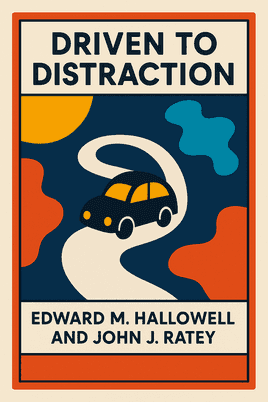
Unlike clinical guides (e.g., Driven to Distraction), McCabe blends memoir, science communication, and interactive elements (community quotes, worksheets). It’s praised for its relatable voice and focus on empowerment over “fixing” neurodivergence.
What quotes are highlighted in How to ADHD?
Notable lines include:
- “Forget ‘try harder.’ When your brain works differently, you need to try different”
- “ADHD isn’t a deficit of attention; it’s a dysregulation of attention” Quotes from McCabe’s community illustrate diverse ADHD experiences.
Can How to ADHD help with workplace challenges?
Yes. The book offers ADHD-friendly productivity tactics, like using “body doubling” (working alongside others) and breaking tasks into “tiny wins.” McCabe also advises advocating for workplace accommodations, such as flexible deadlines.
What are the criticisms of How to ADHD?
Some readers familiar with McCabe’s YouTube channel find the book’s content repetitive. However, newcomers appreciate its consolidated format. A few note the personal anecdotes occasionally overshadow broader ADHD diversity.
How does Jessica McCabe’s background influence How to ADHD?
Diagnosed at 12, McCabe draws from her struggles with ADHD burnout, divorce, and financial instability. Her journey from YouTube creator to author ensures relatable, nonjudgmental advice rooted in lived experience.
Why is How to ADHD relevant in 2025?
As neurodiversity awareness grows, the book provides timely tools for navigating ADHD in workplaces, relationships, and self-care. McCabe’s ongoing YouTube presence and community engagement keep strategies updated for modern challenges.
Where can I find summaries of How to ADHD?
The book includes built-in chapter recaps and “reading shortcuts.” External summaries (e.g., Shortform) condense its frameworks, though McCabe’s ADHD-friendly layout itself aids retention.
Feel the book through the author's voice
Turn knowledge into engaging, example-rich insights
Capture key ideas in a flash for fast learning
Enjoy the book in a fun and engaging way
Key Themes in How to ADHD
Quotes from How to ADHD
"Be yourself!...No, not like that!"
ADHD isn't simply an attention deficit but an inability to control attention.
ADHD brains are chronically understimulated.
ADHD attention has a permanently open door that lets everything in.
Characters in How to ADHD
Quick Summary Mode - Read or listen to How to ADHD Summary in 11 Minutes

Break down key ideas from How to ADHD into bite-sized takeaways to understand how innovative teams create, collaborate, and grow.

Flash Card Mode - Top 9 Insights from How to ADHD in a Nutshell

Distill How to ADHD into rapid-fire memory cues that highlight key principles of candor, teamwork, and creative resilience.

Fun Mode - How to ADHD Lessons Told Through 24-Min Stories

Experience How to ADHD through vivid storytelling that turns innovation lessons into moments you'll remember and apply.
Personalize Mode - Read or listen to How to ADHD Summary in 0 Minutes

Ask anything, pick the voice, and co-create insights that truly resonate with you.

From Columbia University alumni built in San Francisco
"Instead of endless scrolling, I just hit play on BeFreed. It saves me so much time."


"I never knew where to start with nonfiction—BeFreed’s book lists turned into podcasts gave me a clear path."


"Perfect balance between learning and entertainment. Finished ‘Thinking, Fast and Slow’ on my commute this week."
"Crazy how much I learned while walking the dog. BeFreed = small habits → big gains."
"Reading used to feel like a chore. Now it’s just part of my lifestyle."

"Feels effortless compared to reading. I’ve finished 6 books this month already."
"BeFreed turned my guilty doomscrolling into something that feels productive and inspiring."

"BeFreed turned my commute into learning time. 20-min podcasts are perfect for finishing books I never had time for."
"BeFreed replaced my podcast queue. Imagine Spotify for books — that’s it. 🙌"

"It is great for me to learn something from the book without reading it."
"The themed book list podcasts help me connect ideas across authors—like a guided audio journey."
"Makes me feel smarter every time before going to work"
From Columbia University alumni built in San Francisco
"Instead of endless scrolling, I just hit play on BeFreed. It saves me so much time."
"I never knew where to start with nonfiction—BeFreed’s book lists turned into podcasts gave me a clear path."
"Perfect balance between learning and entertainment. Finished ‘Thinking, Fast and Slow’ on my commute this week."
"Crazy how much I learned while walking the dog. BeFreed = small habits → big gains."
"Reading used to feel like a chore. Now it’s just part of my lifestyle."
"Feels effortless compared to reading. I’ve finished 6 books this month already."
"BeFreed turned my guilty doomscrolling into something that feels productive and inspiring."
"BeFreed turned my commute into learning time. 20-min podcasts are perfect for finishing books I never had time for."
"BeFreed replaced my podcast queue. Imagine Spotify for books — that’s it. 🙌"
"It is great for me to learn something from the book without reading it."
"The themed book list podcasts help me connect ideas across authors—like a guided audio journey."
"Makes me feel smarter every time before going to work"
"Instead of endless scrolling, I just hit play on BeFreed. It saves me so much time."
"I never knew where to start with nonfiction—BeFreed’s book lists turned into podcasts gave me a clear path."
"Perfect balance between learning and entertainment. Finished ‘Thinking, Fast and Slow’ on my commute this week."
"Crazy how much I learned while walking the dog. BeFreed = small habits → big gains."
"Reading used to feel like a chore. Now it’s just part of my lifestyle."
"Feels effortless compared to reading. I’ve finished 6 books this month already."
"BeFreed turned my guilty doomscrolling into something that feels productive and inspiring."
"BeFreed turned my commute into learning time. 20-min podcasts are perfect for finishing books I never had time for."
"BeFreed replaced my podcast queue. Imagine Spotify for books — that’s it. 🙌"
"It is great for me to learn something from the book without reading it."
"The themed book list podcasts help me connect ideas across authors—like a guided audio journey."
"Makes me feel smarter every time before going to work"
"Instead of endless scrolling, I just hit play on BeFreed. It saves me so much time."
"I never knew where to start with nonfiction—BeFreed’s book lists turned into podcasts gave me a clear path."
"Perfect balance between learning and entertainment. Finished ‘Thinking, Fast and Slow’ on my commute this week."
"Crazy how much I learned while walking the dog. BeFreed = small habits → big gains."
"Reading used to feel like a chore. Now it’s just part of my lifestyle."
"Feels effortless compared to reading. I’ve finished 6 books this month already."
"BeFreed turned my guilty doomscrolling into something that feels productive and inspiring."
"BeFreed turned my commute into learning time. 20-min podcasts are perfect for finishing books I never had time for."
"BeFreed replaced my podcast queue. Imagine Spotify for books — that’s it. 🙌"
"It is great for me to learn something from the book without reading it."
"The themed book list podcasts help me connect ideas across authors—like a guided audio journey."
"Makes me feel smarter every time before going to work"

Get the How to ADHD summary as a free PDF or EPUB. Print it or read offline anytime.