
Positive Influence: The First and Last Mile of Leadership

Resumen de Positive Influence
"Positive Influence" by Michael and Glenn Parker reveals how leaders help others become their best selves. Endorsed by Marshall Goldsmith, it's the leadership guide that transformed Oprah's approach after learning from Maya Angelou. What's your influence style?
- +Influence creates mutual benefit by prioritizing others' needs over personal agendas.
- Replace coercion with collaborative problem-solving using Tsun-Yan Hsieh’s +Influence framework.
- Practice empathy and mindfulness to align team goals during conflicts.
- Leaders achieve lasting impact by balancing self-interest with others' perspectives.
- Crisis leadership demands +Influence to navigate challenges with integrity and alignment.
- Transform influence from transactional exchanges to meaningful human connections.
- Define personal values to guide ethical and impactful decision-making.
- Avoid manipulation by focusing on sincere appreciation and shared goals.
- Elevate team performance through deliberate practice of +Influence habits daily.
- Cultivate self-awareness to recognize and overcome hidden biases in influence.
- +Influence turns power dynamics into partnerships fostering long-term trust.
- Tsun-Yan Hsieh’s approach links leadership success to positive human impact.
Sobre el autor de Positive Influence
Tsun-Yan Hsieh and Huijin Kong, co-authors of Positive Influence: The First and Last Mile of Leadership, are globally recognized leadership gurus and CEO counselors with decades of experience shaping executive leadership strategies.
Hsieh, a New York Times bestselling co-author of Heart, Smarts, Guts and Luck, has advised over 100 CEOs across 30+ industries during his 48-year career, including roles as an independent director for Singapore Airlines and Sony.
Kong, a Harvard Business School Baker Scholar, co-developed scalable leadership programs adopted by multinational corporations and educational institutions worldwide.
Their book merges practical frameworks with real-world case studies to address leadership’s human dimension, emphasizing empathy, emotional awareness, and strategic influence.
Both founders of the LinHart Group—a leadership consultancy serving Fortune 500 firms—they integrate academic rigor from Hsieh’s adjunct roles at National University of Singapore and Kong’s cross-cultural insights from expanding programs across Asia. Positive Influence has been endorsed by industry leaders like Sunil Mittal (Bharti Airtel) and adopted in MBA curricula for its actionable approach to stakeholder-driven leadership.
Preguntas frecuentes sobre Positive Influence
What is Positive Influence: The First and Last Mile of Leadership about?
Positive Influence explores how leaders can achieve mutually beneficial outcomes through +Influence, a framework combining empathy, alignment, and conflict resolution. Authors Tsun-yan Hsieh and Huijin Kong address modern disconnection caused by digital overload, offering actionable mindsets and skills to foster human connections in professional and personal relationships.
Who should read Positive Influence: The First and Last Mile of Leadership?
CEOs, managers, and professionals seeking to enhance leadership effectiveness through ethical influence. It’s equally valuable for individuals navigating workplace conflicts or aiming to strengthen personal relationships with structured, empathy-driven strategies.
Is Positive Influence worth reading?
Yes—it blends decades of real-world leadership experience with practical frameworks for fostering alignment and resolving conflicts. The book’s emphasis on balancing self-interest with collective good makes it a timeless resource for modern leaders.
What is the +Influence framework?
A methodology focusing on mutually beneficial outcomes, combining three pillars: empathy for others’ perspectives, alignment around shared goals, and conflict resolution through creative compromise. It contrasts transactional persuasion by prioritizing long-term trust.
How does Positive Influence differ from Dale Carnegie’s How to Win Friends and Influence People?
While Carnegie’s work emphasizes persuasion tactics, Positive Influence prioritizes sustained human connection over short-term wins. Hsieh and Kong address digital-era challenges like polarization, advocating for empathy as the foundation of influence.
What are key real-life examples in the book?
Case studies include navigating boardroom disputes at Sony and fostering collaboration in healthcare settings. These illustrate applying +Influence principles to resolve conflicts while maintaining professional relationships.
How does Positive Influence address workplace conflicts?
The book teaches readers to reframe conflicts as opportunities for alignment. Techniques include active listening to uncover shared objectives and proposing solutions that integrate competing priorities.
What role does empathy play in the +Influence framework?
Empathy is the first step to understanding others’ motivations, enabling leaders to craft solutions that resonate emotionally and logically. The authors argue this reduces resistance and fosters voluntary buy-in.
Can Positive Influence help with career advancement?
Yes—it positions influence as a critical leadership skill for driving initiatives and gaining stakeholder support. The book provides tools to build credibility, navigate office politics, and lead cross-functional teams effectively.
What criticisms exist about Positive Influence?
Some readers may find the framework abstract without step-by-step implementation guides. The emphasis on mindset shifts over tactical scripts might challenge those seeking immediate behavioral templates.
How does Tsun-yan Hsieh’s McKinsey experience inform the book?
Hsieh’s 30-year McKinsey tenure grounds the book in real CEO challenges, from managing global teams to steering organizational change. His board roles (e.g., Sony, Dyson) provide boardroom-tested strategies.
Why is Positive Influence relevant in 2025?
As remote work and AI deepen disconnection risks, the book’s focus on human-centric leadership addresses contemporary needs for collaboration in hybrid environments and ethical influence amid automation trends.
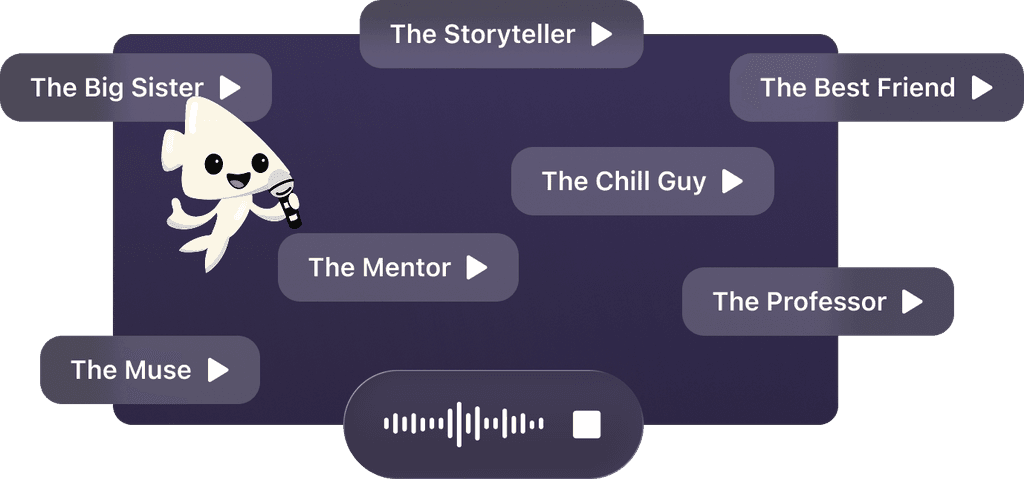
Siente el libro a través de la voz del autor
Convierte el conocimiento en ideas atractivas y llenas de ejemplos
Captura ideas clave en un instante para un aprendizaje rápido
Disfruta el libro de una manera divertida y atractiva
Personajes en Positive Influence
- Tsun-yan HsiehAuthor and leadership expert on positive influence
- Huijin KongCo-author of the book Positive Influence
- Marie CheongCase study on values-aligned career decisions
Temas clave en Positive Influence
- mutual benefit
- subject orientation
- ethical persuasion
- interpersonal dynamics
- stakeholder alignment
Citas de Positive Influence
Influence is unavoidable.
Raw power often trumps genuine influence.
Communication delivers information.
Productivity: Achieving more with less effort.
Effective influence requires putting yourself at risk.
Explora Tu Forma de Aprender
 Modo Resumen Rápido
Lee o escucha el resumen de Positive Influence en 9 minutos
Desglosa las ideas clave de Positive Influence en puntos fáciles de entender para comprender cómo los equipos innovadores crean, colaboran y crecen.

 Modo Divertido
Lecciones de Positive Influence Contadas en Historias de 23 Min
Experimenta Positive Influence a través de narraciones vívidas que convierten las lecciones de innovación en momentos que recordarás y aplicarás.
 Modo Personalizar
Experimenta Positive Influence con tu propio estilo de aprendizaje
Pregunta cualquier cosa, elige tu estilo de aprendizaje y co-crea ideas que realmente resuenen contigo.
Creado por exalumnos de la Universidad de Columbia en San Francisco
"Instead of endless scrolling, I just hit play on BeFreed. It saves me so much time."


"I never knew where to start with nonfiction—BeFreed’s book lists turned into podcasts gave me a clear path."


"Perfect balance between learning and entertainment. Finished ‘Thinking, Fast and Slow’ on my commute this week."
"Crazy how much I learned while walking the dog. BeFreed = small habits → big gains."
"Reading used to feel like a chore. Now it’s just part of my lifestyle."

"Feels effortless compared to reading. I’ve finished 6 books this month already."
"BeFreed turned my guilty doomscrolling into something that feels productive and inspiring."

"BeFreed turned my commute into learning time. 20-min podcasts are perfect for finishing books I never had time for."
"BeFreed replaced my podcast queue. Imagine Spotify for books — that’s it. 🙌"

"It is great for me to learn something from the book without reading it."
"The themed book list podcasts help me connect ideas across authors—like a guided audio journey."
"Makes me feel smarter every time before going to work"
Creado por exalumnos de la Universidad de Columbia en San Francisco
"Instead of endless scrolling, I just hit play on BeFreed. It saves me so much time."
"I never knew where to start with nonfiction—BeFreed’s book lists turned into podcasts gave me a clear path."
"Perfect balance between learning and entertainment. Finished ‘Thinking, Fast and Slow’ on my commute this week."
"Crazy how much I learned while walking the dog. BeFreed = small habits → big gains."
"Reading used to feel like a chore. Now it’s just part of my lifestyle."
"Feels effortless compared to reading. I’ve finished 6 books this month already."
"BeFreed turned my guilty doomscrolling into something that feels productive and inspiring."
"BeFreed turned my commute into learning time. 20-min podcasts are perfect for finishing books I never had time for."
"BeFreed replaced my podcast queue. Imagine Spotify for books — that’s it. 🙌"
"It is great for me to learn something from the book without reading it."
"The themed book list podcasts help me connect ideas across authors—like a guided audio journey."
"Makes me feel smarter every time before going to work"
"Instead of endless scrolling, I just hit play on BeFreed. It saves me so much time."
"I never knew where to start with nonfiction—BeFreed’s book lists turned into podcasts gave me a clear path."
"Perfect balance between learning and entertainment. Finished ‘Thinking, Fast and Slow’ on my commute this week."
"Crazy how much I learned while walking the dog. BeFreed = small habits → big gains."
"Reading used to feel like a chore. Now it’s just part of my lifestyle."
"Feels effortless compared to reading. I’ve finished 6 books this month already."
"BeFreed turned my guilty doomscrolling into something that feels productive and inspiring."
"BeFreed turned my commute into learning time. 20-min podcasts are perfect for finishing books I never had time for."
"BeFreed replaced my podcast queue. Imagine Spotify for books — that’s it. 🙌"
"It is great for me to learn something from the book without reading it."
"The themed book list podcasts help me connect ideas across authors—like a guided audio journey."
"Makes me feel smarter every time before going to work"
"Instead of endless scrolling, I just hit play on BeFreed. It saves me so much time."
"I never knew where to start with nonfiction—BeFreed’s book lists turned into podcasts gave me a clear path."
"Perfect balance between learning and entertainment. Finished ‘Thinking, Fast and Slow’ on my commute this week."
"Crazy how much I learned while walking the dog. BeFreed = small habits → big gains."
"Reading used to feel like a chore. Now it’s just part of my lifestyle."
"Feels effortless compared to reading. I’ve finished 6 books this month already."
"BeFreed turned my guilty doomscrolling into something that feels productive and inspiring."
"BeFreed turned my commute into learning time. 20-min podcasts are perfect for finishing books I never had time for."
"BeFreed replaced my podcast queue. Imagine Spotify for books — that’s it. 🙌"
"It is great for me to learn something from the book without reading it."
"The themed book list podcasts help me connect ideas across authors—like a guided audio journey."
"Makes me feel smarter every time before going to work"

Descargar resumen de Positive Influence
Obtén el resumen de Positive Influence como PDF o EPUB gratis. Imprímelo o léelo sin conexión en cualquier momento.


