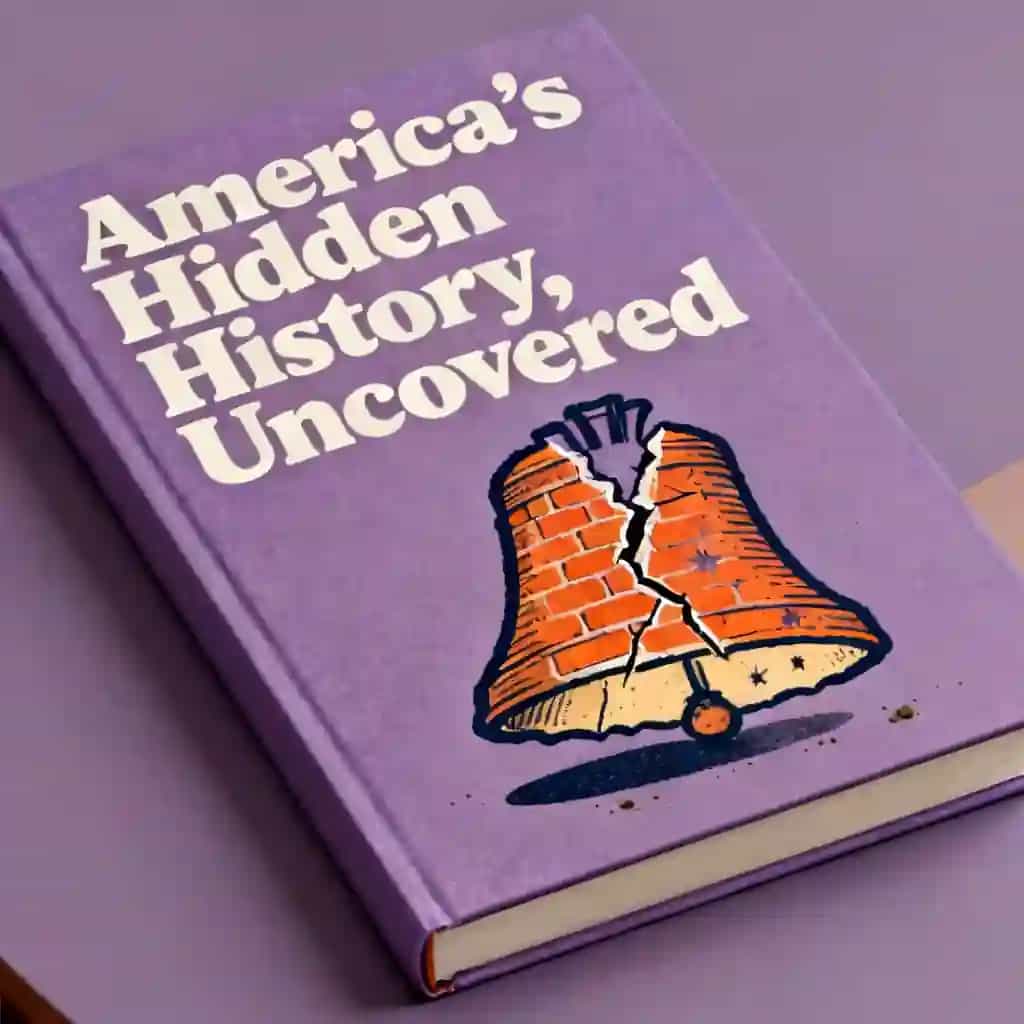
Central America's Forgotten History: Revolution, Violence, and the Roots of Migration

Overview of Central America's Forgotten History
Chomsky unveils America's hidden role in Central America's crises, revealing how U.S. interventions created today's migration patterns. This eye-opening 4.1-rated expose challenges readers: What responsibility do we bear for the refugees at our borders? Essential reading for understanding manufactured chaos.
- US Cold War interventions fueled Central America’s civil wars and refugee crises
- Neocolonial extractivism created cycles of poverty and violence driving modern migration
- Reagan-era policies directly caused displacement erased from mainstream historical narratives
- Indigenous land dispossession under Spanish rule shaped centuries of inequality
- 1980s peace accords enabled neoliberal policies worsening economic precarity post-conflict
- United Fruit Company’s colonial capitalism established oppressive labor and land systems
- Biden’s immigration reforms ignore US responsibility for Central American instability
- Historical “layered forgetting” obscures corporate and military complicity in violence
- Central American revolutions offered alternatives crushed by US-backed counterinsurgency campaigns
- Migration statistics reveal systemic erasure of US foreign policy consequences
- Guatemala’s 1954 CIA-backed coup set template for regional destabilization
- Salvadoran and Honduran asylum seekers carry legacies of death squad atrocities
About the Author of Central America's Forgotten History
Aviva Chomsky, author of Central America's Forgotten History, is a renowned historian and social justice advocate specializing in Latin American studies, labor movements, and immigration policy.
A professor of history and Latin American studies at Salem State University, her work examines systemic inequities through the lens of U.S. foreign policy and globalization.
The book reflects her decades of research on Central America’s colonial legacies and grassroots resistance, informed by her earlier acclaimed works like Undocumented: How Immigration Became Illegal and They Take Our Jobs! And 20 Other Myths About Immigration—both widely taught in academic circles and translated into multiple languages.
Chomsky, who holds a PhD from UC Berkeley and has served as a Harvard research associate, earned the 1997 Best Book Prize from the New England Council of Latin American Studies for West Indian Workers and the United Fruit Company.
Her scholarship combines rigorous archival analysis with activist perspectives, cementing her reputation as a leading voice on intersectional histories of power and migration.
FAQs About Central America's Forgotten History
What is Central America's Forgotten History by Aviva Chomsky about?
Central America's Forgotten History explores the roots of migration from El Salvador, Guatemala, and Honduras by connecting centuries of colonial exploitation, US interventions, and neoliberal policies to modern crises. Chomsky traces displacement from the Spanish conquest to 1980s US-backed wars and 1990s peace accords that enabled corporate exploitation. The book emphasizes how erasing this history allows systemic inequalities to persist.
Who should read Central America's Forgotten History?
This book is essential for readers interested in Latin American history, US foreign policy, immigration, and social justice. Scholars, activists, and policymakers will gain insights into how historical patterns of violence and economic extraction directly inform today’s migration challenges. It’s also critical for those seeking to understand systemic inequities beyond superficial narratives.
Is Central America's Forgotten History worth reading?
Yes—Chomsky’s rigorously researched work restores suppressed histories of revolution and resistance, offering a vital corrective to mainstream narratives. Reviews praise its ability to link past US interventions to current immigration debates, making it indispensable for contextualizing Central America’s humanitarian crises.
How does the book explain migration from Central America?
Chomsky argues migration stems from US Cold War-era militarization, support for authoritarian regimes, and post-1990s neoliberal reforms that prioritized corporate interests over livelihoods. Forced displacement via land grabs (e.g., cotton/beef booms) and dismantled social services left communities impoverished, directly fueling refugee flows.
What role did the United States play in Central America’s conflicts?
The US funded military regimes, trained death squads, and backed economic policies that enriched corporations while destabilizing nations. Examples include overthrowing Guatemala’s government in 1954, supporting Nicaragua’s Contra rebels, and promoting extractive industries that displaced small farmers.
Does the book address indigenous struggles in Central America?
Yes—Chomsky begins with Spanish colonization’s destruction of indigenous societies and highlights ongoing resistance to land dispossession. She ties these struggles to modern movements for sovereignty against transnational corporations and US-backed dictatorships.
What economic factors contributed to Central American migration?
- Export-driven agriculture: Cotton/beef booms evicted peasants, creating landless laborers.
- Neoliberal reforms: Post-war privatizations cut social spending and prioritized foreign investment.
- Resource extraction: Mining and logging displaced communities while enriching elites.
How does Chomsky critique neoliberal policies in the book?
The 1990s peace accords traded militarization for economic “shock therapy,” slashing public services and enabling foreign ownership. This exacerbated poverty, corruption, and gang violence—key drivers of migration today.
What solutions does the book propose for Central America’s crises?
Chomsky advocates for historical accountability, reparations, and rejecting policies that prioritize profit over people. She stresses solidarity with grassroots movements fighting for equitable resource distribution and sovereignty.
How does Central America’s Forgotten History compare to Chomsky’s other works?
While her earlier books focus on labor and immigration, this ties US imperialism directly to Central America’s trauma. It expands on themes from Undocumented: How Immigration Became Illegal by exposing systemic roots of displacement.
Why is this book relevant to current US immigration debates?
It dismantles myths that Central America’s poverty is self-inflicted, showing how US policies created conditions refugees flee. Recognizing this complicity is crucial for ethical asylum policies and addressing migration’s root causes.
What critiques exist about Central America’s Forgotten History?
Some historians note its focus on US culpability may downplay local actors’ roles. However, the book’s strength lies in centering marginalized voices and exposing systemic erasure of colonial violence.
Feel the book through the author's voice
Turn knowledge into engaging, example-rich insights
Capture key ideas in a flash for fast learning
Enjoy the book in a fun and engaging way
Characters in Central America's Forgotten History
- Aviva ChomskyAuthor and historian of Central American history
- Anastasio Somoza GarciaLeader of the Nicaraguan Guardia Nacional
- Juan Jose ArevaloFirst freely elected president of Guatemala
- Jacobo ArbenzGuatemalan president ousted in a CIA-backed coup
- John PeurifoyU.S. Ambassador who led anti-communist campaigns
Key Themes in Central America's Forgotten History
- us foreign intervention
- extractive colonialism
- corporate imperialism
- banana republic politics
- forced labor systems
Quotes from Central America's Forgotten History
You cannot understand today's immigration crisis without understanding the history.
The United States seemed “destined by Providence to plague America with miseries in the name of Freedom.”
The Fruit Company rechristened its territories as “Banana Republics.”
Between Christianity and revolution, there is no contradiction!
Explore Your Way of Learning
 Quick Summary Mode
Read or listen to Central America's Forgotten History Summary in 9 Minutes
Break down key ideas from Central America's Forgotten History into bite-sized takeaways to understand how innovative teams create, collaborate, and grow.

 Fun Mode
Central America's Forgotten History Lessons Told Through 25-Min Stories
Experience Central America's Forgotten History through vivid storytelling that turns innovation lessons into moments you'll remember and apply.
 Personalize Mode
Experience Central America's Forgotten History in your own learning style
Ask anything, choose your learning style, and co-create insights that truly resonate with you.
From Columbia University alumni built in San Francisco
"Instead of endless scrolling, I just hit play on BeFreed. It saves me so much time."


"I never knew where to start with nonfiction—BeFreed’s book lists turned into podcasts gave me a clear path."


"Perfect balance between learning and entertainment. Finished ‘Thinking, Fast and Slow’ on my commute this week."
"Crazy how much I learned while walking the dog. BeFreed = small habits → big gains."
"Reading used to feel like a chore. Now it’s just part of my lifestyle."

"Feels effortless compared to reading. I’ve finished 6 books this month already."
"BeFreed turned my guilty doomscrolling into something that feels productive and inspiring."

"BeFreed turned my commute into learning time. 20-min podcasts are perfect for finishing books I never had time for."
"BeFreed replaced my podcast queue. Imagine Spotify for books — that’s it. 🙌"

"It is great for me to learn something from the book without reading it."
"The themed book list podcasts help me connect ideas across authors—like a guided audio journey."
"Makes me feel smarter every time before going to work"
From Columbia University alumni built in San Francisco
"Instead of endless scrolling, I just hit play on BeFreed. It saves me so much time."
"I never knew where to start with nonfiction—BeFreed’s book lists turned into podcasts gave me a clear path."
"Perfect balance between learning and entertainment. Finished ‘Thinking, Fast and Slow’ on my commute this week."
"Crazy how much I learned while walking the dog. BeFreed = small habits → big gains."
"Reading used to feel like a chore. Now it’s just part of my lifestyle."
"Feels effortless compared to reading. I’ve finished 6 books this month already."
"BeFreed turned my guilty doomscrolling into something that feels productive and inspiring."
"BeFreed turned my commute into learning time. 20-min podcasts are perfect for finishing books I never had time for."
"BeFreed replaced my podcast queue. Imagine Spotify for books — that’s it. 🙌"
"It is great for me to learn something from the book without reading it."
"The themed book list podcasts help me connect ideas across authors—like a guided audio journey."
"Makes me feel smarter every time before going to work"
"Instead of endless scrolling, I just hit play on BeFreed. It saves me so much time."
"I never knew where to start with nonfiction—BeFreed’s book lists turned into podcasts gave me a clear path."
"Perfect balance between learning and entertainment. Finished ‘Thinking, Fast and Slow’ on my commute this week."
"Crazy how much I learned while walking the dog. BeFreed = small habits → big gains."
"Reading used to feel like a chore. Now it’s just part of my lifestyle."
"Feels effortless compared to reading. I’ve finished 6 books this month already."
"BeFreed turned my guilty doomscrolling into something that feels productive and inspiring."
"BeFreed turned my commute into learning time. 20-min podcasts are perfect for finishing books I never had time for."
"BeFreed replaced my podcast queue. Imagine Spotify for books — that’s it. 🙌"
"It is great for me to learn something from the book without reading it."
"The themed book list podcasts help me connect ideas across authors—like a guided audio journey."
"Makes me feel smarter every time before going to work"
"Instead of endless scrolling, I just hit play on BeFreed. It saves me so much time."
"I never knew where to start with nonfiction—BeFreed’s book lists turned into podcasts gave me a clear path."
"Perfect balance between learning and entertainment. Finished ‘Thinking, Fast and Slow’ on my commute this week."
"Crazy how much I learned while walking the dog. BeFreed = small habits → big gains."
"Reading used to feel like a chore. Now it’s just part of my lifestyle."
"Feels effortless compared to reading. I’ve finished 6 books this month already."
"BeFreed turned my guilty doomscrolling into something that feels productive and inspiring."
"BeFreed turned my commute into learning time. 20-min podcasts are perfect for finishing books I never had time for."
"BeFreed replaced my podcast queue. Imagine Spotify for books — that’s it. 🙌"
"It is great for me to learn something from the book without reading it."
"The themed book list podcasts help me connect ideas across authors—like a guided audio journey."
"Makes me feel smarter every time before going to work"

Download Summary of Central America's Forgotten History
Get the Central America's Forgotten History summary as a free PDF or EPUB. Print it or read offline anytime.