Generations
Overview of Generations
In "Generations," Jean Twenge analyzes 39 million people across six American generations, revealing how technology - not historical events - shapes our differences. Angela Duckworth calls it a unifying force, while The New York Times praises this "lavishly informative" data-driven social psychology masterpiece.

Key Themes in Generations
- generational data analysis
- technological determinism
- individualism vs collectivism
- slow life strategy
- demographic shifts
Quotes from Generations
Today, individual choice reigns supreme.
Conformity was paramount.
Boomers have dominated American politics.
Characters in Generations
- Jean M. TwengeAuthor and psychologist who analyzed 39 million people
- Gloria SteinemSilent Generation leader and feminist activist
- Richard and Mildred LovingInterracial couple who challenged marriage laws
About the Author
About the Author of Generations
Jean Marie Twenge is the author of Generations and a leading psychologist specializing in generational differences and their impact on American society.
Born in 1971, Twenge serves as a professor of psychology at San Diego State University, where her research draws from a dataset of over 40 million people spanning multiple decades. In Generations, she examines the distinct characteristics, values, and challenges that define Gen Z, Millennials, Gen X, Boomers, and Silents, offering data-driven insights into how each generation shapes—and is shaped by—cultural and technological shifts.
Twenge is also the author of bestselling books including iGen, Generation Me, and The Narcissism Epidemic, all exploring how technology, individualism, and cultural expectations influence youth mental health and behavior. Her work has appeared in The New York Times, Time, and The Atlantic, and she has been featured on Today, Good Morning America, and NPR.
With more than 190 scientific publications to her name, Twenge is a trusted voice on understanding generational divides and their implications for families, workplaces, and society at large.
Download Summary of Generations
Get the Generations summary as a free PDF or EPUB. Print it or read offline anytime.
FAQs About This Book
Generations by Jean M. Twenge is a comprehensive analysis of the six living generations in the United States—Silents, Boomers, Gen X, Millennials, Gen Z, and the emerging generation. Twenge uses data from 39 million people to reveal how technology, rather than major events, drives generational differences. The book explores shifts in attitudes toward mental health, politics, sexuality, marriage, gender identity, race, and life goals across these distinct cohorts.
Jean M. Twenge is a professor of psychology at San Diego State University and a leading expert on generational differences. She has authored over 190 scientific publications and several bestselling books including iGen and Generation Me. Twenge's research has been featured in The New York Times, Time, and major media outlets. Her unique qualification lies in analyzing massive datasets spanning decades, making her the reigning authority on how technology and culture shape generational identity.
Generations by Jean M. Twenge is essential reading for pastors, corporate leaders, teachers, managers, parents, and anyone working across generational lines. The book helps professionals understand their coworkers, employees, and clients better. It's particularly valuable for those in leadership positions who need to navigate generational conflicts, build effective teams, or market to different age groups. Anyone curious about why their parents, children, or peers think and behave differently will gain profound insights.
Generations by Jean M. Twenge is absolutely worth reading for its groundbreaking approach to understanding American society. Reviewers call it a "landmark achievement" and "lavishly informative," praising its surprising data and incisive commentary. Unlike other generational books that rely on stereotypes, Twenge uses robust scientific data from nearly a century of surveys. The book changes how readers view their parents, peers, coworkers, and children, making it both intellectually rigorous and practically applicable.
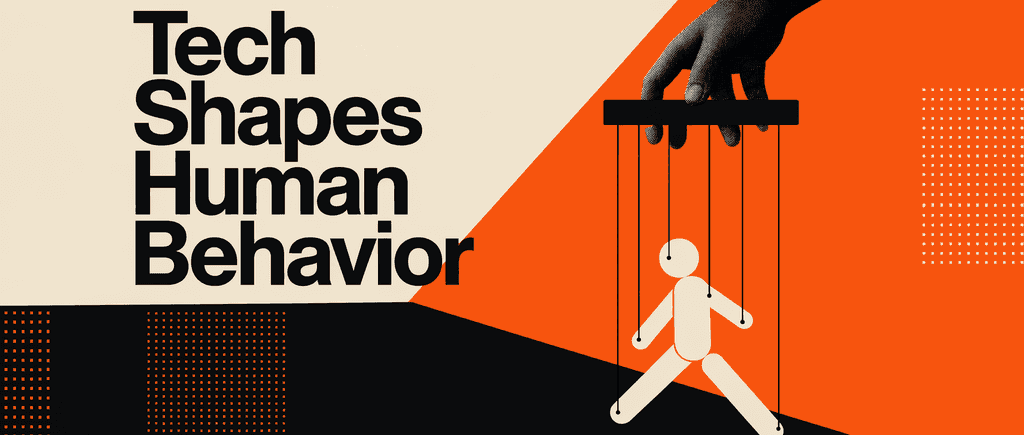
The Technology Model of Generations, proposed by Jean M. Twenge in Generations, argues that technological advancements—not major historical events—are the primary driver of generational differences. Twenge challenges conventional theories that blame the Great Depression or 9/11 for shaping generations. Instead, she demonstrates that technologies like television and smartphones create the cultural changes that define each generation's unique attitudes, behaviors, and worldview. This model explains why generations are becoming shorter as technology evolves faster.
According to Jean M. Twenge in Generations, generations are becoming shorter because technological change has accelerated dramatically. While landline telephones took decades to reach 50% adoption, smartphones achieved this milestone in just five and a half years—the fastest technology adoption in human history. As new technologies reshape culture more rapidly, the experiences that define each generation compress into shorter timeframes, creating more distinct generational boundaries than ever before.
In Generations, Jean M. Twenge describes "slow living" as the modern trend where people marry later, have children later, work longer, and live longer compared to previous generations. "Fast living" characterized earlier generations who married young, had children early, drank more, and died younger. This shift toward slow living results from technology reducing survival pressures and cultural changes emphasizing individual fulfillment over traditional life milestones. Each successive generation has moved further toward this slower life trajectory.
Jean M. Twenge reveals surprising insights about the Silent Generation (1925-1945) in Generations. Contrary to popular belief, Silents—not Boomers—drove the civil rights, women's rights, and sexual revolutions, as they were in their twenties and thirties during these movements. This smaller generation enjoyed less competition for jobs and housing during America's largest economic expansion. Notable Silents still shaping politics include Joe Biden, Bernie Sanders, Nancy Pelosi, Mitch McConnell, and Warren Buffett.
In Generations, Jean M. Twenge identifies Generation Z as digital natives who grew up with smartphones and social media, fundamentally changing their communication styles. Gen Z is the most racially and ethnically diverse generation in American history, shaping their perspectives on social justice and equality. They exhibit heightened awareness of mental health issues, prioritizing emotional safety and well-being over previous generations. Twenge also explores how COVID-19 uniquely impacted Gen Z's development and worldview.
Generations by Jean M. Twenge traces a clear cultural shift from collectivism to individualism across American generations, particularly starting with Boomers. Technology enabled this shift by reducing the time and effort required for basic survival, allowing people to contemplate personal fulfillment and identity. Twenge argues that until well into the 20th century, it was difficult to live alone or focus on being "special" given survival demands. Modern technology and prosperity facilitate the focus on self-fulfillment that defines contemporary generations.
Generations by Jean M. Twenge stands out as the first "big data" book about generations, analyzing robust national surveys covering 39 million people—some dating back nearly a century. Unlike books relying on anecdotes or stereotypes, Twenge uses rigorous statistical analysis to reveal genuine differences. She acknowledges criticisms of generational categories while demonstrating their scientific validity. The book combines unifying perspectives with deep dives into specific topics like mental health, sexuality, politics, and race across all six living generations.
In Generations, Jean M. Twenge explores how each generation differs in mental health, political beliefs, sexual behavior, gender identity, attitudes about race, life goals, drug and alcohol use, marriage patterns, and parenting styles. The book examines what Silents and Boomers want from retirement, how Gen X faces middle age, Millennials' workplace ideals and parenting approaches, and Gen Z's unique challenges. Twenge reveals that technology, individualism, and slower life trajectories are the common threads connecting these diverse experiences.