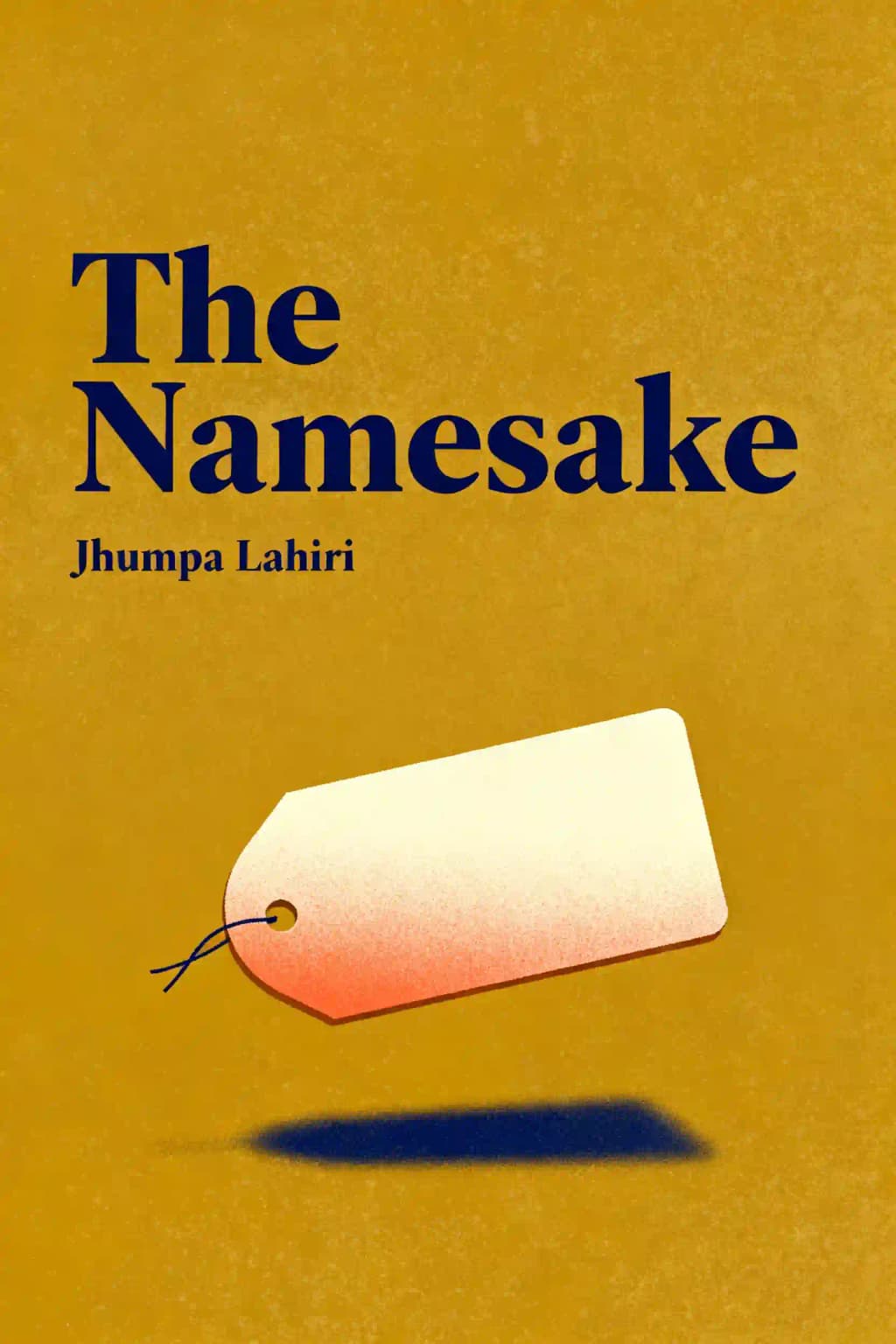
Namesake
Overview of Namesake
Lahiri's masterpiece chronicles a Bengali family's three-decade journey through identity and belonging in America. Obama-honored and adapted to film, this New York Times Notable Book captures the universal struggle between family obligation and self-discovery - a cultural touchstone that resonates with immigrants and seekers alike.

Key Themes in Namesake
- immigrant cultural displacement
- second-generation identity
- naming and legacy
- intergenerational conflict
- bengali-american experience
Quotes from Namesake
As we navigate an increasingly globalized world, Lahiri's exploration of identity speaks to anyone who has ever felt caught between worlds.
The accident taught him that life could change - or end - in an instant.
Like many children of immigrants, Gogol inherits a legacy he doesn't fully comprehend.
Death is not a pastime, not a place to make paintings.
Characters in Namesake
- Gogol GanguliThe protagonist born to Bengali immigrants
- Ashoke GanguliGogol's father and a doctoral student at MIT
- Ashima GanguliGogol's mother who struggles with displacement
- Nikolai GogolThe Russian author whose book saved Ashoke's life
About the Author
About the Author of Namesake
Nilanjana Sudeshna "Jhumpa" Lahiri is the Pulitzer Prize-winning author of The Namesake and a leading voice in contemporary fiction exploring the immigrant experience. Born in London in 1967 to Bengali immigrant parents and raised in the United States, Lahiri draws from her bicultural upbringing to illuminate themes of identity, cultural displacement, and the complexities of belonging.
The Namesake, her debut novel, follows a Bengali family across generations as they navigate life between India and America. Lahiri first achieved international acclaim with Interpreter of Maladies (1999), which won the Pulitzer Prize for Fiction, making her the first South Asian author to receive this honor.
Her subsequent works include Unaccustomed Earth and The Lowland, a Man Booker Prize finalist. In 2014, she received the National Humanities Medal. The Namesake was adapted into a critically acclaimed 2007 film by director Mira Nair and has been translated into numerous languages, cementing its status as a modern classic of immigrant literature.
Download Summary of Namesake
Get the Namesake summary as a free PDF or EPUB. Print it or read offline anytime.
FAQs About This Book
The Namesake is a novel about the Bengali Ganguli family navigating the immigrant experience in America from 1968 onwards. The story follows Ashoke and Ashima Ganguli as they move from Kolkata to Cambridge, Massachusetts, and centers on their son Gogol, who struggles with his unusual name and his identity between two conflicting cultures. The novel explores themes of cultural displacement, generational conflict, and the search for belonging across three decades.
The Namesake is ideal for readers interested in immigrant narratives, cultural identity, and family dynamics. Anyone exploring questions of heritage, assimilation, and the tensions between tradition and modernity will find this novel compelling. It's particularly valuable for second-generation immigrants grappling with dual identities, students of diaspora literature, and those who enjoyed Lahiri's Pulitzer Prize-winning collection Interpreter of Maladies. Fans of character-driven literary fiction with emotional depth will appreciate Lahiri's subtle, nuanced storytelling.
The Namesake is widely considered a significant work of contemporary literature, earning recognition as a New York Times Notable Book and Los Angeles Times Book Prize finalist. Jhumpa Lahiri's elegant prose and compassionate portrayal of immigrant experiences resonate across cultures. The novel's exploration of identity, belonging, and generational relationships remains deeply relevant, leading to a 2007 film adaptation by acclaimed director Mira Nair. Critics praise Lahiri's ability to illuminate universal human experiences through specific cultural details.
Jhumpa Lahiri is a British-American author born in London in 1967 who became the youngest recipient of the Pulitzer Prize for Fiction in 2000 for her debut collection Interpreter of Maladies. The Namesake was her first novel, published in 2003. Her other acclaimed works include Unaccustomed Earth, which won the Frank O'Connor International Short Story Award, and The Lowland, a finalist for the Man Booker Prize and National Book Award. Lahiri received the National Humanities Medal in 2014 and currently teaches at Barnard College.
The title The Namesake refers to the protagonist Gogol Ganguli, who is named after Russian author Nikolai Gogol. Ashoke chose this name because he was reading Gogol's work during a devastating train accident in India that nearly killed him—a dropped page from "The Overcoat" helped rescuers locate him in the wreckage. The name carries profound significance for Ashoke but becomes a source of identity struggle for his son, who eventually changes his name to Nikhil, embodying the novel's themes of naming, identity, and cultural inheritance.
The Namesake explores cultural identity and the immigrant experience as its central themes, examining how Bengali traditions clash with American culture. The novel addresses generational conflict between first-generation immigrants who maintain cultural ties and their American-born children seeking assimilation. Additional themes include:
- Displacement and belonging
- The significance of naming and self-definition
- Family obligations versus personal desires
- The lasting impact of trauma across generations
Lahiri examines how cultural heritage shapes identity while individuals navigate between two worlds.
The name Gogol symbolizes multiple layers of meaning in The Namesake—survival, cultural displacement, and parental expectations. For Ashoke, it represents his miraculous rescue from the train accident and his motivation to start anew in America. For his son, however, Gogol becomes a burden representing his parents' Bengali heritage and his own struggle with not fitting typical American norms. The name embodies the disconnect between immigrant parents' experiences and their children's American identity, making it a central metaphor for the alienation and search for belonging that defines the novel.
Gogol Ganguli's identity journey in The Namesake spans from childhood confusion to eventual acceptance. Initially embarrassed by his unusual name and Bengali heritage, he legally changes his name to Nikhil before attending Yale University, attempting to shed his cultural background. He pursues relationships with American women, particularly socialite Maxine, distancing himself from his family. However, after his father Ashoke's sudden death, Gogol returns to his roots, eventually marrying a Bengali woman before that marriage collapses. The novel concludes with Gogol gaining deeper understanding of his heritage and his father's choices.
The train accident in The Namesake is the novel's pivotal backstory that shapes the entire narrative. In 1961, young Ashoke survived a catastrophic train derailment in India while reading Nikolai Gogol's "The Overcoat". Lying injured in the wreckage, he dropped a crumpled page from the story, which caught rescuers' attention and saved his life. This traumatic event motivated Ashoke to leave India and pursue opportunities in America, directly leading to the family's immigration. The accident explains why Ashoke names his son Gogol and represents themes of survival, fate, and the immigrant drive for new beginnings.
The Namesake portrays immigration as a complex negotiation between preserving cultural identity and adapting to American society. Jhumpa Lahiri depicts Ashima's loneliness and alienation in Cambridge, contrasting Bengali traditions like arranged marriage and naming ceremonies with American hospital procedures and suburban life. The novel shows how first-generation immigrants like Ashoke and Ashima maintain connections to Kolkata through Bengali community gatherings while their children become increasingly Americanized. Lahiri explores practical challenges like language barriers alongside emotional struggles of displacement, homesickness, and the perpetual feeling of not fully belonging in either culture.
The Namesake concludes with the Ganguli family's final Christmas in their suburban Massachusetts home before Ashima permanently returns to Kolkata. This ending follows a series of losses and transformations—Ashoke's unexpected death from a heart attack, Gogol's failed relationships including his marriage to childhood friend Moushumi, and the family's gradual acceptance of change. The conclusion represents Ashima's decision to live between two countries, spending time in both India and America rather than choosing one. Gogol, now understanding his father's choices more deeply, begins reconnecting with his heritage and the meaning behind his name.
Both The Namesake and Interpreter of Maladies by Jhumpa Lahiri explore themes of cultural displacement, identity, and the Bengali-American immigrant experience. While Interpreter of Maladies is a Pulitzer Prize-winning short story collection examining diverse characters and relationships through nine stories, The Namesake is a full-length novel focusing on one family across thirty years. The Namesake allows for deeper character development and generational exploration that the shorter format couldn't achieve. Both works share Lahiri's signature elegant prose, emotional subtlety, and compassionate examination of love, loss, and belonging in immigrant communities.