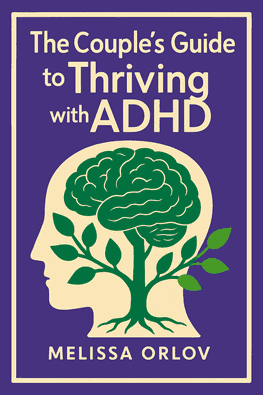
A. D. D. and Romance: Finding Fulfillment in Love, Sex, and Relationships by Jonathan Scott Halverstadt Summary

Overview of A. D. D. and Romance
Discover how ADD impacts love, sex, and relationships in Halverstadt's pioneering guide. For over two decades, this therapist-authored resource has helped countless couples navigate attention challenges, offering rare insights into building intimacy when traditional relationship advice fails.
- ADHD partners thrive with structured intimacy rituals and clear relationship expectations
- Time-blindness management is crucial for maintaining trust in ADHD-affected relationships
- Non-ADHD partners should lead with curiosity, not criticism, during emotional dysregulation
- "SWEETHEART" framework helps couples schedule weekly relationship maintenance check-ins
- Sexual hyperfocus requires mutual agreements to balance passion with emotional connection
- Financial impulsivity in ADHD relationships needs visual tracking systems and accountability partners
- Emotional RSD (Rejection Sensitivity Dysphoria) responds best to pre-planned reassurance protocols
- ADHD partners benefit from "body doubling" technique for shared household tasks
- Non-ADHD partners must initiate repair conversations within 24-hour conflict windows
- Medication timing significantly impacts relationship quality and should be coordinated with intimacy
- Implement "speaker-listener" technique with physical object passing to prevent conversation derailment
- ADHD love languages often prioritize novelty and spontaneity over traditional romance markers
About the Author of A. D. D. and Romance
Jonathan Scott Halverstadt is a licensed marriage and family therapist and ADHD expert renowned for his pioneering work on neurodiverse relationships.
His seminal book A.D.D. & Romance: Finding Fulfillment in Love, Sex & Relationships merges three decades of clinical experience with personal insights as someone diagnosed with ADHD and learning disabilities. Specializing in ADHD's impact on romantic partnerships, Halverstadt developed practical frameworks for communication and intimacy while collaborating with Dr. Daniel Amen at the Amen Clinic for Behavioral Medicine.
His other works, including ADD Christianity and the Church and Anger, Rage & Hope, establish him as a thought leader in behavioral health intersections with spirituality and emotional regulation.
A sought-after speaker at national ADHD conferences, Halverstadt’s compassionate, solution-focused approach has made his books enduring resources since their 1990s publication, frequently cited in relationship counseling and ADHD support communities.
FAQs About A. D. D. and Romance
What is A.D.D. & Romance by Jonathan Scott Halverstadt about?
"A.D.D. & Romance" provides actionable strategies for couples navigating relationships where one or both partners have ADHD. Licensed therapist Jonathan Scott Halverstadt combines clinical expertise with personal ADHD experience to address communication breakdowns, emotional disconnection, and intimacy challenges. The book offers practical tools like structured dialogue exercises and symptom management techniques to rebuild trust and sustain fulfilling partnerships.
Who should read A.D.D. & Romance?
This book is essential for ADHD individuals struggling in relationships, partners of those with ADHD, and therapists specializing in neurodiverse couples. Halverstadt’s insights help readers understand how ADHD symptoms like impulsivity or distractibility impact relational dynamics, making it valuable for anyone seeking to improve communication or reignite passion in ADHD-affected partnerships.
Is A.D.D. & Romance worth reading for newer couples?
Yes—the book equips newer couples with proactive frameworks to prevent common ADHD-related pitfalls. Halverstadt emphasizes early habit-building, such as creating “focus rituals” for quality time and establishing clear emotional check-ins. These strategies foster mutual understanding before resentment or miscommunication patterns solidify.
What ADHD-specific relationship challenges does the book address?
Halverstadt tackles hyperfocus-induced neglect, emotional dysregulation during conflicts, and inconsistent attention spans. He provides science-backed explanations for why ADHD brains struggle with routine intimacy and offers compensatory techniques, like scheduled “connection moments” and sensory-friendly date ideas tailored to ADHD preferences.
How does Jonathan Scott Halverstadt’s background enhance the book’s advice?
As a therapist diagnosed with ADHD, Halverstadt merges professional knowledge with lived experience. This dual perspective ensures advice is both clinically sound and realistically adaptable. His writing style—concise chapters with bullet-point summaries—accommodates ADHD readers’ processing needs while maintaining depth.
What communication frameworks does the book recommend?
The “Pause-Reflect-Respond” method helps ADHD partners avoid impulsive reactions during heated discussions. For non-ADHD partners, the “SAFE” framework (Specific, Anchored, Focused, Empathetic) teaches how to structure conversations that keep ADHD individuals engaged without feeling criticized.
Does A.D.D. & Romance address sexual intimacy issues?
Yes—the book dedicates chapters to ADHD’s impact on sexual consistency and sensory needs. Halverstadt suggests collaborative scheduling to combat libido fluctuations and techniques like “sensory zoning” to minimize distractions during intimacy. He normalizes these challenges while providing shame-free solutions.
How does this book differ from general relationship guides?
Unlike generic advice, A.D.D. & Romance specifically targets neurochemical factors affecting ADHD relationships. Halverstadt explains how dopamine deficits undermine routine romantic gestures and offers dopamine-boosting alternatives, like spontaneous adventure dates or gamified relationship goals.
Can non-ADHD partners benefit from reading this alone?
Absolutely. The book includes dedicated sections helping non-ADHD partners reframe behaviors like forgetfulness as neurological traits rather than personal slights. Exercises like “The Four-Question Rebalance” teach constructive response patterns that reduce conflict cycles.
Are there actionable exercises included?
Each chapter concludes with tailored exercises, such as the “Distraction Inventory” to identify focus barriers, and “Emotional Mapping” to visualize relationship pain points. Partners can use these tools independently or together, with adjustments for varying ADHD symptom severities.
How does the book handle long-term relationship sustainability?
Halverstadt introduces the “Reset Protocol” for recurring issues—a step system to pause arguments, assess ADHD-related triggers, and collaboratively redesign interaction patterns. Case studies show couples using this to transform chronic fights into growth opportunities.
What’s the core takeaway from A.D.D. & Romance?
ADHD relationships thrive when partners stop diagnosing each other and start designing systems. The book’s strength lies in its shift from pathology-focused thinking to practical co-creation, empowering couples to build unique partnerships that honor ADHD’s challenges and strengths equally.
Feel the book through the author's voice
Turn knowledge into engaging, example-rich insights
Capture key ideas in a flash for fast learning
Enjoy the book in a fun and engaging way
Key Themes in A. D. D. and Romance
Quotes from A. D. D. and Romance
"He just isn't really there for me," because the ADD partner seems emotionally distant.
Forgetfulness becomes a relationship killer when it creates patterns of unreliability.
People with ADD often mistake intense attraction for lasting love.
The truth was Denny still cared for Suzanne, but his ADD caused him to become bored with the relationship.
This hyperfocused courtship isn't purely altruistic; it's largely self-medication.
Characters in A. D. D. and Romance
Quick Summary Mode - Read or listen to A. D. D. and Romance Summary in 9 Minutes

Break down key ideas from A. D. D. and Romance into bite-sized takeaways to understand how innovative teams create, collaborate, and grow.

Flash Card Mode - Top 6 Insights from A. D. D. and Romance in a Nutshell

Distill A. D. D. and Romance into rapid-fire memory cues that highlight key principles of candor, teamwork, and creative resilience.

Fun Mode - A. D. D. and Romance Lessons Told Through 23-Min Stories

Experience A. D. D. and Romance through vivid storytelling that turns innovation lessons into moments you'll remember and apply.
Personalize Mode - Read or listen to A. D. D. and Romance Summary in 0 Minutes

Ask anything, pick the voice, and co-create insights that truly resonate with you.

From Columbia University alumni built in San Francisco
"Instead of endless scrolling, I just hit play on BeFreed. It saves me so much time."


"I never knew where to start with nonfiction—BeFreed’s book lists turned into podcasts gave me a clear path."


"Perfect balance between learning and entertainment. Finished ‘Thinking, Fast and Slow’ on my commute this week."
"Crazy how much I learned while walking the dog. BeFreed = small habits → big gains."
"Reading used to feel like a chore. Now it’s just part of my lifestyle."

"Feels effortless compared to reading. I’ve finished 6 books this month already."
"BeFreed turned my guilty doomscrolling into something that feels productive and inspiring."

"BeFreed turned my commute into learning time. 20-min podcasts are perfect for finishing books I never had time for."
"BeFreed replaced my podcast queue. Imagine Spotify for books — that’s it. 🙌"

"It is great for me to learn something from the book without reading it."
"The themed book list podcasts help me connect ideas across authors—like a guided audio journey."
"Makes me feel smarter every time before going to work"
From Columbia University alumni built in San Francisco
"Instead of endless scrolling, I just hit play on BeFreed. It saves me so much time."
"I never knew where to start with nonfiction—BeFreed’s book lists turned into podcasts gave me a clear path."
"Perfect balance between learning and entertainment. Finished ‘Thinking, Fast and Slow’ on my commute this week."
"Crazy how much I learned while walking the dog. BeFreed = small habits → big gains."
"Reading used to feel like a chore. Now it’s just part of my lifestyle."
"Feels effortless compared to reading. I’ve finished 6 books this month already."
"BeFreed turned my guilty doomscrolling into something that feels productive and inspiring."
"BeFreed turned my commute into learning time. 20-min podcasts are perfect for finishing books I never had time for."
"BeFreed replaced my podcast queue. Imagine Spotify for books — that’s it. 🙌"
"It is great for me to learn something from the book without reading it."
"The themed book list podcasts help me connect ideas across authors—like a guided audio journey."
"Makes me feel smarter every time before going to work"
"Instead of endless scrolling, I just hit play on BeFreed. It saves me so much time."
"I never knew where to start with nonfiction—BeFreed’s book lists turned into podcasts gave me a clear path."
"Perfect balance between learning and entertainment. Finished ‘Thinking, Fast and Slow’ on my commute this week."
"Crazy how much I learned while walking the dog. BeFreed = small habits → big gains."
"Reading used to feel like a chore. Now it’s just part of my lifestyle."
"Feels effortless compared to reading. I’ve finished 6 books this month already."
"BeFreed turned my guilty doomscrolling into something that feels productive and inspiring."
"BeFreed turned my commute into learning time. 20-min podcasts are perfect for finishing books I never had time for."
"BeFreed replaced my podcast queue. Imagine Spotify for books — that’s it. 🙌"
"It is great for me to learn something from the book without reading it."
"The themed book list podcasts help me connect ideas across authors—like a guided audio journey."
"Makes me feel smarter every time before going to work"
"Instead of endless scrolling, I just hit play on BeFreed. It saves me so much time."
"I never knew where to start with nonfiction—BeFreed’s book lists turned into podcasts gave me a clear path."
"Perfect balance between learning and entertainment. Finished ‘Thinking, Fast and Slow’ on my commute this week."
"Crazy how much I learned while walking the dog. BeFreed = small habits → big gains."
"Reading used to feel like a chore. Now it’s just part of my lifestyle."
"Feels effortless compared to reading. I’ve finished 6 books this month already."
"BeFreed turned my guilty doomscrolling into something that feels productive and inspiring."
"BeFreed turned my commute into learning time. 20-min podcasts are perfect for finishing books I never had time for."
"BeFreed replaced my podcast queue. Imagine Spotify for books — that’s it. 🙌"
"It is great for me to learn something from the book without reading it."
"The themed book list podcasts help me connect ideas across authors—like a guided audio journey."
"Makes me feel smarter every time before going to work"

Get the A. D. D. and Romance summary as a free PDF or EPUB. Print it or read offline anytime.