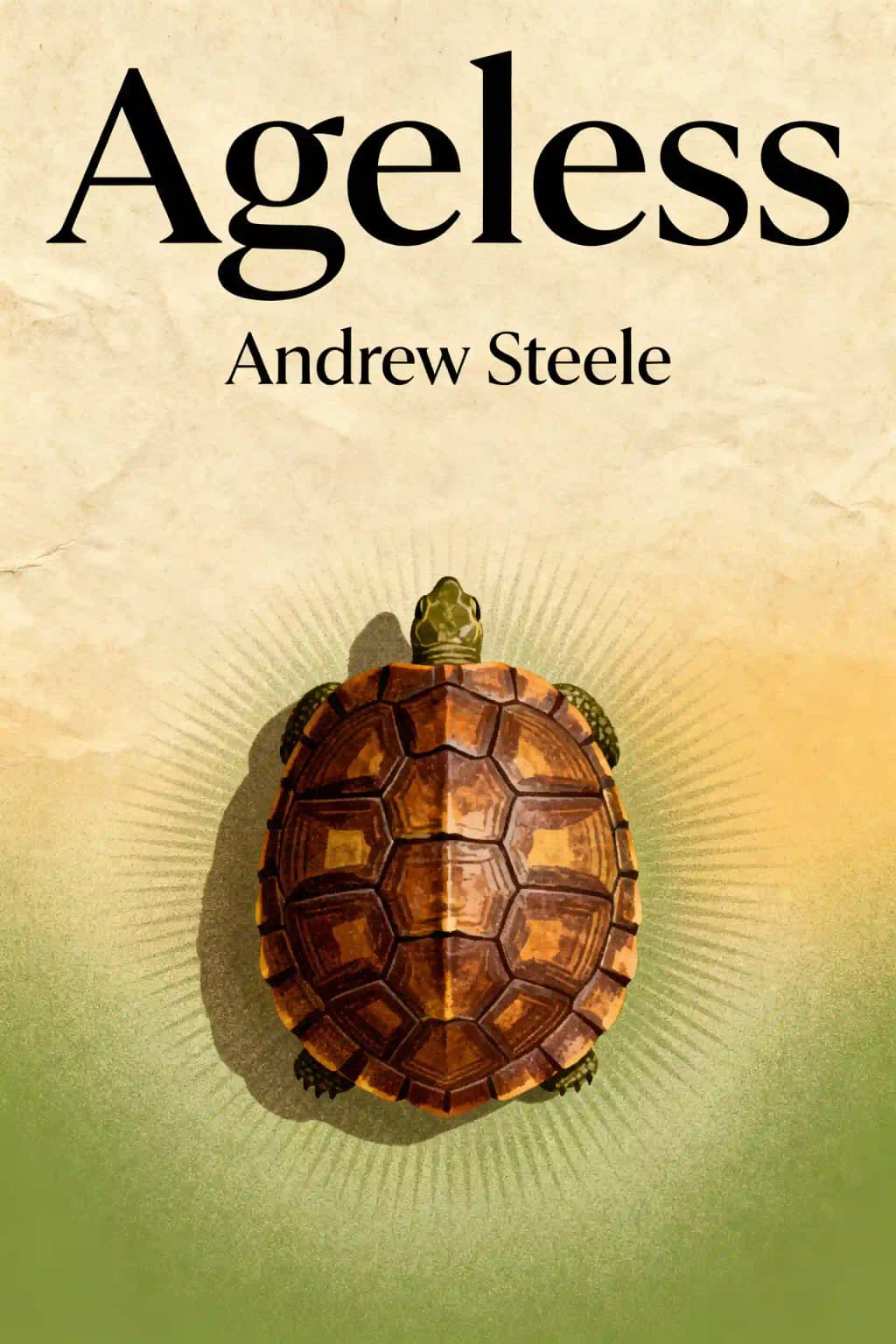
Ageless
The New Science of Getting Older Without Getting Old
Overview of Ageless
Could aging become optional? In "Ageless," biologist Andrew Steele reveals groundbreaking science behind living longer without decline. Endorsed by longevity experts and compared to Bill Bryson's work, it demystifies how gene editing and cellular reprogramming could transform humanity's future - without selling snake oil.

Key Themes in Ageless
- biological immortality
- negligible senescence
- longevity science
- cellular aging hallmarks
- biogerontology breakthroughs
Quotes from Ageless
Senolytics are drugs that kill senescent cells.
Aging isn't inevitable but malleable.
Aging is perhaps humanity's most peculiar blind spot.
Evolution prioritizes reproduction over survival.
Aging isn't inevitable but an evolutionary oversight.
Characters in Ageless
- Andrew SteeleAuthor and scientist who wrote Ageless
- Clive McCayCornell researcher who studied calorie restriction
- Michael KlassScientist who discovered the first longevity genes
- Tom JohnsonResearcher who identified the age-1 gene
- Cynthia KenyonBiogerontologist who discovered the daf-2 gene
About the Author
About the Author of Ageless
Andrew Steele is a scientist, writer, and leading authority on aging research, acclaimed for his bestselling book Ageless: The New Science of Getting Older Without Getting Old.
With a PhD in physics from the University of Oxford, Steele pivoted to computational biology, conducting groundbreaking work at London’s Francis Crick Institute using machine learning to analyze DNA and predict cardiovascular risks.
His expertise in biotechnology and longevity informs the book’s exploration of aging as a solvable scientific challenge, blending genetics, epigenetics, and cutting-edge therapies. A regular contributor to The Guardian, The Telegraph, and Wall Street Journal, Steele has appeared on BBC programs, Discovery’s Impossible Engineering, and TED-style talks, distilling complex science into engaging narratives.
He chairs the advocacy group Science is Vital and runs a popular YouTube channel demystifying aging science. Ageless has been widely praised for its actionable insights into extending human healthspan, establishing Steele as a trusted voice in progressive gerontology.
Download Summary of Ageless
Get the Ageless summary as a free PDF or EPUB. Print it or read offline anytime.
FAQs About This Book
Ageless explores the science of aging, arguing that biological decline isn’t inevitable. Steele explains cellular processes like DNA damage, mitochondrial dysfunction, and immune system aging, while highlighting cutting-edge research on extending healthspan. The book advocates for treating aging as a medical condition, with insights into therapies like senolytics and genetic interventions.
This book is ideal for science enthusiasts, biohackers, and anyone interested in longevity. It’s also valuable for readers seeking evidence-based strategies to improve healthspan. Steele’s accessible writing makes complex topics like epigenetics and stem cell research engaging for non-experts.
Yes—it combines rigorous science with actionable advice. Steele balances optimism with caution, emphasizing proven lifestyle changes (exercise, vaccination) while critiquing unproven fads. The book’s exploration of “negligible senescence” in animals offers hope for future human applications.
Key concepts include:
- Aging results from accumulated cellular damage, not just time.
- “Biological immortality” exists in nature (e.g., tortoises).
- Senolytic drugs may remove aging cells to prolong health.
- Dietary restriction’s effects on longevity are species-dependent.
Steele outlines multi-target approaches: repairing DNA, restoring mitochondrial function, and rejuvenating stem cells. He discusses promising therapies like mTOR inhibitors and plasma transfusions, while stressing the need for clinical trials.
Evidence-based tips include:
- Regular exercise to maintain muscle and cognitive health.
- Prioritizing sleep and dental hygiene.
- Avoiding smoking and excessive sun exposure.
- Skepticism toward supplements lacking peer-reviewed support.
Some experts argue aging reversal faces thermodynamic limits, and Steele’s timeline for treatments (decades) may be optimistic. Critics note animal studies (e.g., worm longevity genes) don’t always translate to humans.
Steele distinguishes chronological age from biological age, defining aging as the progressive decline of cellular repair mechanisms. He identifies 10 hallmarks, including telomere shortening and protein aggregation.
With AI accelerating drug discovery, Steele’s research framework remains timely. The book’s focus on preventative health aligns with global trends toward precision medicine and aging population challenges.
Both books target aging as a treatable condition, but Steele emphasizes computational biology and clinical trials, while Sinclair focuses more on epigenetics and NAD+ boosters. Ageless provides a broader survey of research methodologies.
- “Aging is biology, not chronology.”
- “The first person to live to 1,000 might already be 60.”
- “We’re not trying to cheat death, but to cheat disease.”
Yes—Steele addresses concerns about inequality and overpopulation but argues curing age-related diseases is a moral imperative. He advocates for equitable access to emerging therapies.