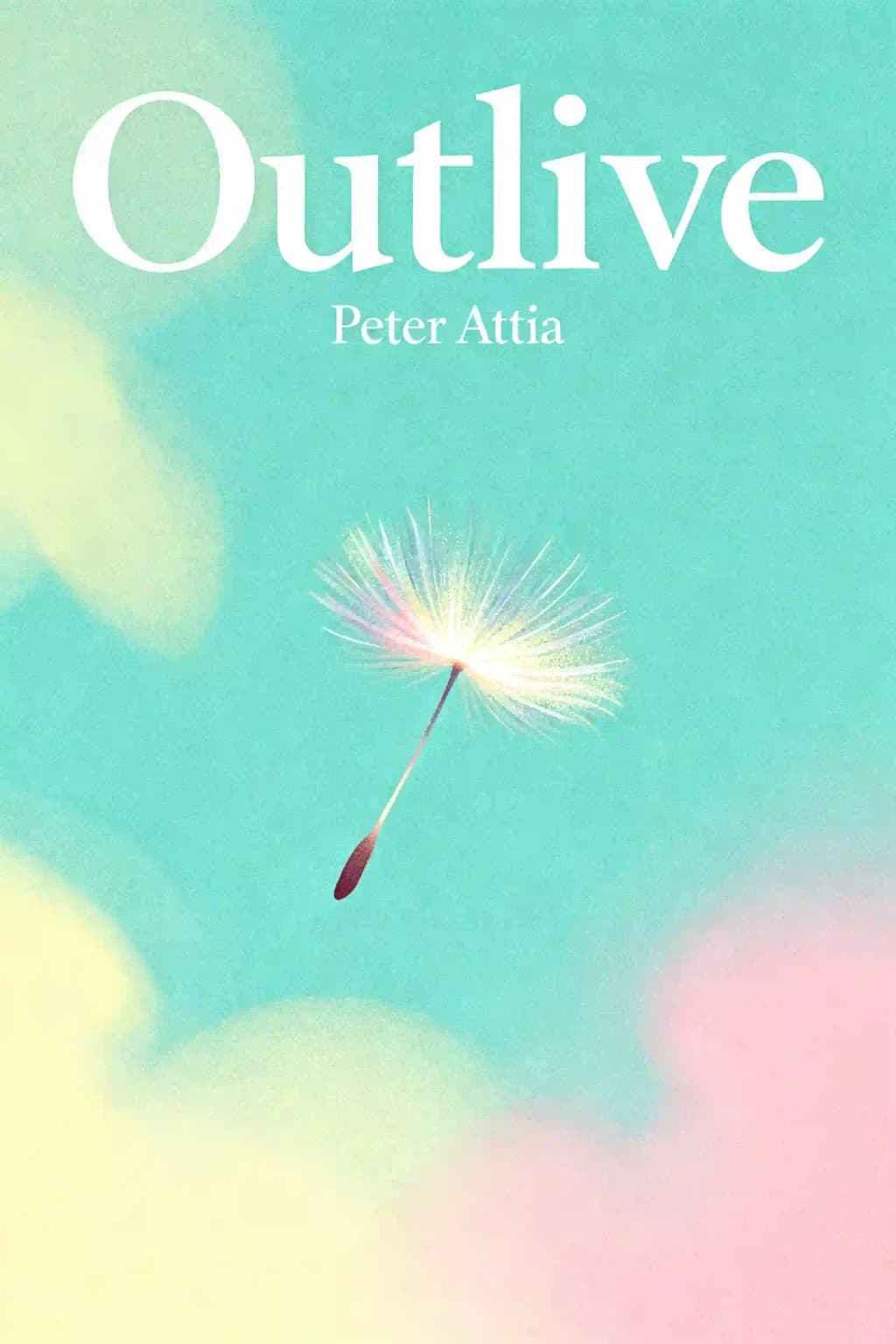
In "Outlive," renowned physician Peter Attia challenges conventional healthcare by focusing on extending healthspan, not just lifespan. Endorsed by thought leaders like Derek Sivers, this revolutionary guide offers science-backed strategies against aging's "Four Horsemen," transforming how we approach longevity. What's your health worth?
Feel the book through the author's voice
Turn knowledge into engaging, example-rich insights
Capture key ideas in a flash for fast learning
Enjoy the book in a fun and engaging way
Break down key ideas from Outlive into bite-sized takeaways to understand how innovative teams create, collaborate, and grow.
Distill Outlive into rapid-fire memory cues that highlight Pixar’s principles of candor, teamwork, and creative resilience.

Experience Outlive through vivid storytelling that turns Pixar’s innovation lessons into moments you’ll remember and apply.
Ask anything, pick the voice, and co-create insights that truly resonate with you.

From Columbia University alumni built in San Francisco

Get the Outlive summary as a free PDF or EPUB. Print it or read offline anytime.
A thirty-something woman arrives at the ER, her life slipping away despite our frantic efforts. She's gone in minutes. Meanwhile, down the hall, a cancer patient fights a battle that's been quietly raging in his body for years. These two deaths-one sudden, one slow-taught me something crucial early in my medical training: we've become remarkably good at emergency interventions but tragically poor at prevention. We're like firefighters who've mastered putting out blazes but never learned to check the smoke detectors. Here's what keeps me up at night: that "sudden" heart attack? It's not sudden at all. The disease process has been progressing silently for decades, like termites eating away at a house's foundation. My own wake-up call came after swimming 21 miles across the ocean-an achievement that should have marked peak fitness. Instead, my wife's comment about my weight led to blood tests revealing insulin resistance and dangerously low testosterone. With a family history of men dying from heart disease in their forties, I realized I was sprinting toward the same cliff. This moment sparked an obsession that would reshape how I understood health entirely: we're treating chronic diseases far too late, waiting for arbitrary thresholds instead of addressing the metabolic dysfunction that begins years-sometimes decades-before diagnosis. Prevention isn't passive; it's actively choosing to intervene before disaster strikes.