Wired for Dating: How Understanding Neurobiology and Attachment Style Can Help You Find Your Ideal Mate by Stan Tatkin Summary

Overview of Wired for Dating
Rewire your dating life with Stan Tatkin's neuroscience-backed guide that decodes your attachment style and brain wiring. Why do relationship experts praise this book? It challenges the myth that self-love must precede partnership, offering practical tools for finding genuine connection in today's complex dating landscape.
- Attachment styles (Anchor, Wave, Island) dictate dating behavior and relationship compatibility.
- Create a "couple bubble" to prioritize mutual safety and emotional security.
- Neurobiological wiring determines how we regulate stress during dating conflicts.
- Conflict resolution hinges on repairing ruptures faster than creating them.
- Secure relationships require partners to function as a collaborative team.
- Dating success involves understanding your partner’s childhood attachment patterns.
- Avoidants (Islands) need autonomy while anxious types (Waves) crave connection.
- Stan Tatkin’s method integrates neuroscience with practical dating exercises.
- Healthy relationships thrive on mutual admiration over criticism for sustained attraction.
- Use conflict as a tool to strengthen connection rather than create distance.
- Dating mindfully means prioritizing secure functioning over short-term chemistry.
- Partners must become experts in each other’s needs for lasting love.
About the Author of Wired for Dating
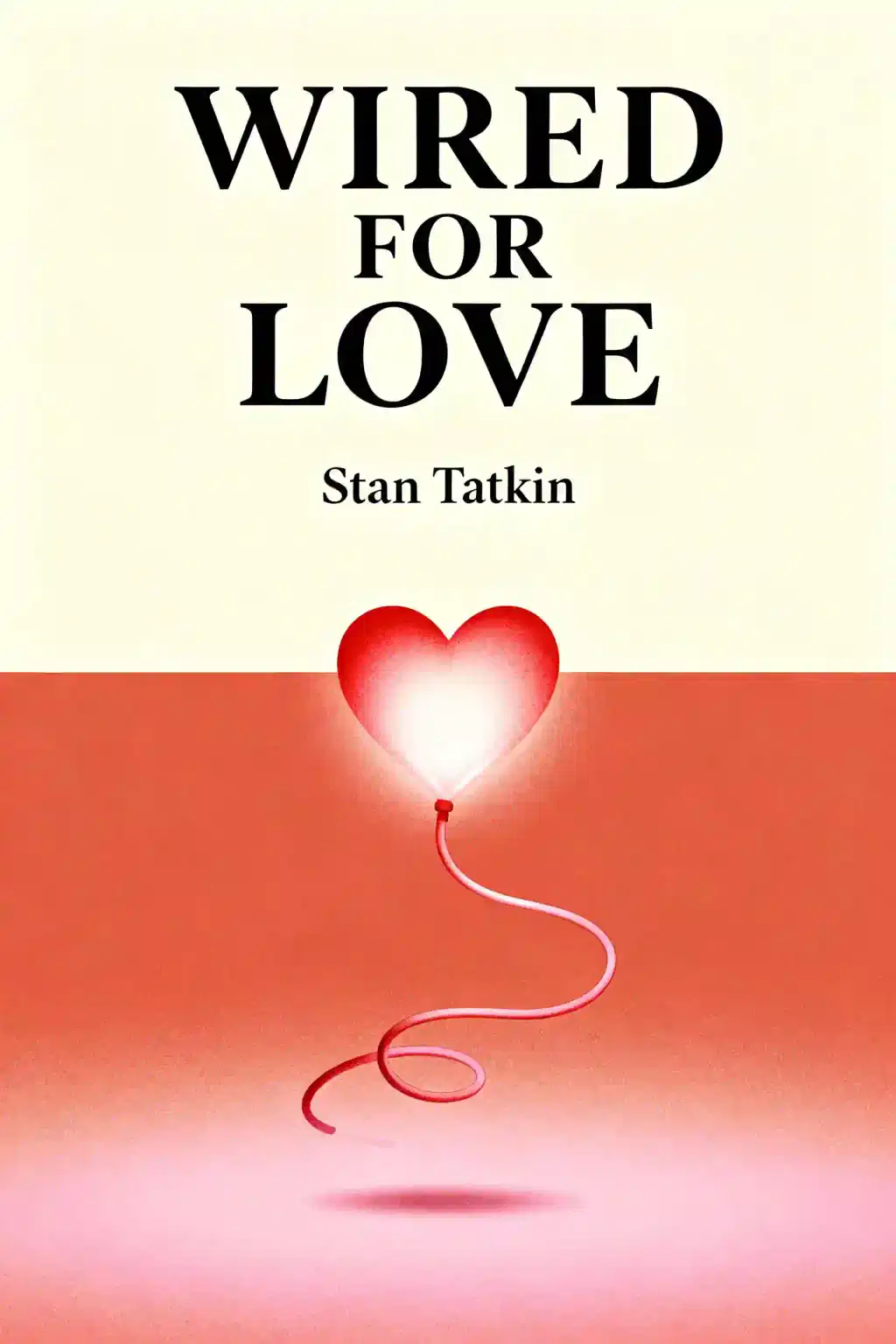
Dr. Stan Tatkin, clinical psychologist and relationship expert, is the acclaimed author of Wired for Dating: How Understanding Your Partner’s Brain and Attachment Style Can Help You Defuse Conflict and Build a Secure Relationship. A pioneer in integrating neuroscience and attachment theory, Tatkin developed the Psychobiological Approach to Couples Therapy (PACT), a framework used globally by therapists to foster secure-functioning relationships. His work, including bestselling titles like Wired for Love and In Each Other’s Care, combines clinical research with practical strategies for modern dating and partnerships.
As cofounder of the PACT Institute and an assistant clinical professor at UCLA’s David Geffen School of Medicine, Tatkin trains thousands of mental health professionals. His TEDx talk on relationships has surpassed 1.7 million views, reflecting his widespread influence.
Wired for Dating—praised for its actionable insights on vetting partners and avoiding self-sabotage—has been translated into multiple languages, solidifying Tatkin’s reputation as a leading voice in evidence-based relationship guidance.
FAQs About Wired for Dating
What is Wired for Dating by Stan Tatkin about?
Wired for Dating combines neuroscience and attachment theory to help readers navigate romantic relationships. Stan Tatkin explains how neurobiological processes and attachment styles (anchor, island, wave) influence dating behaviors, offering practical tools to build secure, lasting partnerships. The book emphasizes mindfulness, partner vetting, and fostering mutual sensitivity in relationships.
Who should read Wired for Dating?
This book is ideal for singles seeking science-backed dating strategies, individuals struggling with recurring relationship patterns, and therapists looking to integrate psychobiological insights into their practice. It’s also valuable for fans of Tatkin’s Wired for Love or those interested in attachment theory applications.
Is Wired for Dating worth reading?
Yes, it provides actionable advice grounded in research, helping readers understand their attachment style and improve relationship outcomes. Critics praise its blend of neurobiology and practical exercises, though some note its focus on long-term commitment may not resonate with casual daters.
What are the three attachment styles in Wired for Dating?
- Anchors: Stable, secure partners who thrive on reciprocity.
- Islands: Independent types who prioritize self-reliance.
- Waves: Emotionally inconsistent individuals torn between connection and autonomy.
Understanding these styles helps diagnose compatibility and address conflicts.
How does Wired for Dating help with partner vetting?
Tatkin advises observing how potential partners handle stress, communicate needs, and respond to bids for connection. Exercises like “face-reading” and mindfulness practices help assess emotional availability and alignment with secure-functioning principles.
What is a “secure-functioning relationship” in Wired for Dating?
It’s a partnership built on mutual care, fairness, and collaborative problem-solving. Tatkin argues such relationships rely on co-regulating emotions and prioritizing the couple’s well-being over individual agendas.
How does Wired for Dating differ from other relationship books?
Unlike anecdotal guides, Tatkin’s approach merges clinical psychology, attachment theory, and neuroscience. It focuses on early dating phases, offering frameworks like arousal regulation and partner synchronization rarely covered in broader relationship manuals.
What are the key quotes from Wired for Dating?
- “Your job is to become a detective of your own and others’ behavior.”
- “Secure functioning requires two things: mutual care and protection.”
These emphasize self-awareness and shared responsibility in relationships.
Can Wired for Dating help with online dating?
Yes, Tatkin’s principles apply to digital contexts: profile analysis, communication patterns, and assessing consistency between online/offline behaviors. The book teaches readers to spot red flags (e.g., emotional unavailability) early.
How does Wired for Dating address conflict resolution?
It promotes “fighting well” by staying present, avoiding blame, and repairing ruptures quickly. Techniques include soothing physiological arousal and reframing disagreements as collaborative challenges.
What criticisms exist about Wired for Dating?
Some readers find its emphasis on long-term commitment restrictive, noting it undervalues casual dating. Others suggest the neurobiological focus may oversimplify complex relationship dynamics.
How does Wired for Dating compare to Tatkin’s Wired for Love?
Wired for Dating targets singles exploring early relationship stages, while Wired for Love addresses established couples. Both share psychobiological foundations but differ in practical applications and case studies.
What practical exercises are in Wired for Dating?
- Mindful breathing to manage dating anxiety.
- Partner interviews to assess values and conflict styles.
- Embodiment practices to enhance nonverbal communication.
Feel the book through the author's voice
Turn knowledge into engaging, example-rich insights
Capture key ideas in a flash for fast learning
Enjoy the book in a fun and engaging way
Key Themes in Wired for Dating
Quotes from Wired for Dating
Humans are hardwired for connection-it's not just a preference but a biological necessity.
We're fundamentally dependent beings who occasionally need space.
Our brains literally develop through relationship.
Connection isn't secondary to individual fulfillment-it's our primary reality.
Love is blind.
Quick Summary Mode - Read or listen to Wired for Dating Summary in 9 Minutes

Break down key ideas from Wired for Dating into bite-sized takeaways to understand how innovative teams create, collaborate, and grow.

Flash Card Mode - Top 6 Insights from Wired for Dating in a Nutshell

Distill Wired for Dating into rapid-fire memory cues that highlight key principles of candor, teamwork, and creative resilience.

Fun Mode - Wired for Dating Lessons Told Through 24-Min Stories

Experience Wired for Dating through vivid storytelling that turns innovation lessons into moments you'll remember and apply.
Personalize Mode - Read or listen to Wired for Dating Summary in 0 Minutes

Ask anything, pick the voice, and co-create insights that truly resonate with you.

From Columbia University alumni built in San Francisco
"Instead of endless scrolling, I just hit play on BeFreed. It saves me so much time."


"I never knew where to start with nonfiction—BeFreed’s book lists turned into podcasts gave me a clear path."


"Perfect balance between learning and entertainment. Finished ‘Thinking, Fast and Slow’ on my commute this week."
"Crazy how much I learned while walking the dog. BeFreed = small habits → big gains."
"Reading used to feel like a chore. Now it’s just part of my lifestyle."

"Feels effortless compared to reading. I’ve finished 6 books this month already."
"BeFreed turned my guilty doomscrolling into something that feels productive and inspiring."

"BeFreed turned my commute into learning time. 20-min podcasts are perfect for finishing books I never had time for."
"BeFreed replaced my podcast queue. Imagine Spotify for books — that’s it. 🙌"

"It is great for me to learn something from the book without reading it."
"The themed book list podcasts help me connect ideas across authors—like a guided audio journey."
"Makes me feel smarter every time before going to work"
From Columbia University alumni built in San Francisco
"Instead of endless scrolling, I just hit play on BeFreed. It saves me so much time."
"I never knew where to start with nonfiction—BeFreed’s book lists turned into podcasts gave me a clear path."
"Perfect balance between learning and entertainment. Finished ‘Thinking, Fast and Slow’ on my commute this week."
"Crazy how much I learned while walking the dog. BeFreed = small habits → big gains."
"Reading used to feel like a chore. Now it’s just part of my lifestyle."
"Feels effortless compared to reading. I’ve finished 6 books this month already."
"BeFreed turned my guilty doomscrolling into something that feels productive and inspiring."
"BeFreed turned my commute into learning time. 20-min podcasts are perfect for finishing books I never had time for."
"BeFreed replaced my podcast queue. Imagine Spotify for books — that’s it. 🙌"
"It is great for me to learn something from the book without reading it."
"The themed book list podcasts help me connect ideas across authors—like a guided audio journey."
"Makes me feel smarter every time before going to work"
"Instead of endless scrolling, I just hit play on BeFreed. It saves me so much time."
"I never knew where to start with nonfiction—BeFreed’s book lists turned into podcasts gave me a clear path."
"Perfect balance between learning and entertainment. Finished ‘Thinking, Fast and Slow’ on my commute this week."
"Crazy how much I learned while walking the dog. BeFreed = small habits → big gains."
"Reading used to feel like a chore. Now it’s just part of my lifestyle."
"Feels effortless compared to reading. I’ve finished 6 books this month already."
"BeFreed turned my guilty doomscrolling into something that feels productive and inspiring."
"BeFreed turned my commute into learning time. 20-min podcasts are perfect for finishing books I never had time for."
"BeFreed replaced my podcast queue. Imagine Spotify for books — that’s it. 🙌"
"It is great for me to learn something from the book without reading it."
"The themed book list podcasts help me connect ideas across authors—like a guided audio journey."
"Makes me feel smarter every time before going to work"
"Instead of endless scrolling, I just hit play on BeFreed. It saves me so much time."
"I never knew where to start with nonfiction—BeFreed’s book lists turned into podcasts gave me a clear path."
"Perfect balance between learning and entertainment. Finished ‘Thinking, Fast and Slow’ on my commute this week."
"Crazy how much I learned while walking the dog. BeFreed = small habits → big gains."
"Reading used to feel like a chore. Now it’s just part of my lifestyle."
"Feels effortless compared to reading. I’ve finished 6 books this month already."
"BeFreed turned my guilty doomscrolling into something that feels productive and inspiring."
"BeFreed turned my commute into learning time. 20-min podcasts are perfect for finishing books I never had time for."
"BeFreed replaced my podcast queue. Imagine Spotify for books — that’s it. 🙌"
"It is great for me to learn something from the book without reading it."
"The themed book list podcasts help me connect ideas across authors—like a guided audio journey."
"Makes me feel smarter every time before going to work"

Get the Wired for Dating summary as a free PDF or EPUB. Print it or read offline anytime.