
Peak performance: elevate your game, avoid burnout, and thrive with the new science of success

Overview of Peak performance
"Peak Performance" reveals the science-backed formula "stress + rest = growth" that Olympic coaches and elite performers swear by. Endorsed by Adam Grant, it's the counterintuitive guide that proves your greatest breakthroughs happen not through constant hustle, but strategic recovery. Ready to transcend your limits?
- Stress-rest cycles drive sustainable growth more than nonstop effort.
- Purpose-driven goals outlast motivation alone for elite performance.
- Priming rituals boost neurochemical readiness before high-stakes tasks.
- Strategic recovery days prevent burnout better than reduced workloads.
- Cognitive flexibility beats rigid specialization in creative breakthroughs.
- Self-transcending missions activate dopamine for grit during plateaus.
- Micro-habits with deliberate practice compound faster than grand gestures.
- Non-linear progress requires trusting process over short-term results.
- Environmental design shapes behavior more reliably than willpower.
- Peak Performance redefines success as consistency, not intensity.
About the Author of Peak performance
Brad Stulberg and Steve Magness, co-authors of Peak Performance: Elevate Your Game, Avoid Burnout, and Thrive with the New Science of Success, are leading voices in human performance science and sustainable excellence. Stulberg, a health and performance writer featured in The New Yorker and Outside Magazine, partners with Magness, an elite running coach for Olympians and lecturer at St. Mary’s University, to bridge research and real-world application. Their book—a groundbreaking blend of psychology, neuroscience, and athlete case studies—explores themes like stress-rest cycles, purposeful practice, and transcending self-imposed limits.
The duo also co-wrote The Passion Paradox, examining healthy obsession in high achievement. Stulberg’s evidence-based columns and Magness’ Science of Running blog establish their authority across sports, business, and creative domains. Regularly featured on NPR, The Psychology Podcast, and major publications, their work is endorsed by Arianna Huffington and Daniel H. Pink. Peak Performance has become essential reading in athletic training programs and corporate leadership curriculums, praised for transforming how professionals approach growth without burnout.
FAQs About Peak performance
What is Peak Performance by Brad Stulberg about?
Peak Performance explores the science of sustainable success, emphasizing cycles of strategic stress and rest to achieve excellence without burnout. Brad Stulberg and Steve Magness combine research from athletics, business, and neuroscience to outline principles like purposeful practice, mental fitness, and optimized environments. The book provides actionable strategies for balancing effort with recovery to unlock long-term growth.
Who should read Peak Performance?
This book is ideal for professionals, athletes, entrepreneurs, and anyone seeking to maximize productivity while maintaining well-being. It’s particularly valuable for those facing high-pressure environments or struggling with burnout. Readers interested in evidence-based strategies for career advancement, creative pursuits, or personal development will find its cross-disciplinary insights transformative.
Is Peak Performance worth reading?
Yes—the book distills complex scientific concepts into practical tools for sustainable success. It’s praised for blending storytelling with actionable advice, making it accessible for both casual readers and performance-driven individuals. Critics highlight its fresh perspective on balancing ambition with health, offering a counter-narrative to "hustle culture".
Who is Brad Stulberg?
Brad Stulberg is a researcher, writer, and coach specializing in sustainable performance and well-being. Co-author of Peak Performance and The Passion Paradox, he writes for Outside Magazine and the New York Times. His work bridges ancient wisdom and modern science, helping individuals and organizations thrive without burnout.
How do stress and rest cycles improve performance?
The book’s core framework, Stress + Rest = Growth, argues that deliberate challenges paired with recovery periods drive improvement. Examples include athletes alternating intense training with rest days or professionals working in focused sprints followed by breaks. This approach prevents burnout while fostering resilience and adaptability.
What routines does Peak Performance recommend?
Key routines include:
- Morning rituals to set intentionality
- Pre-task priming (e.g., deep breathing)
- Time-blocking for focused work sessions
- Daily reflection to assess progress These habits reduce decision fatigue, enhance focus, and create structure for consistent high performance.
Does Peak Performance address mental fitness?
Yes—it advocates mindfulness, meditation, and cognitive reframing to build mental resilience. The authors highlight techniques like “thought labeling” to manage pressure and visualization to prepare for challenges. Mental fitness is framed as equally critical as physical training for sustained success.
How to optimize your environment for peak performance?
The book advises:
- Cultivating supportive communities
- Designing distraction-free workspaces
- Aligning surroundings with goals (e.g., accessible tools for skill practice)
- Regularly auditing triggers that derail focus Environmental tweaks amplify motivation and reduce barriers to entry for productive habits.
What is “purposeful practice” in Peak Performance?
Purposeful practice involves aligning effort with deeply held values or long-term objectives. Unlike repetitive drills, it requires intentional challenges just beyond one’s current ability (“just-manageable difficulty”). Examples include a musician mastering progressively complex pieces or a writer tackling increasingly ambitious projects.
Are there criticisms of Peak Performance?
Some reviewers note the principles may feel intuitive to readers familiar with performance literature. Others suggest the athletic examples (e.g., elite runners) don’t always translate neatly to corporate contexts. However, most praise its synthesis of diverse research into a cohesive system.
How does Peak Performance compare to Atomic Habits?
While Atomic Habits focuses on incremental behavior change, Peak Performance emphasizes sustainable systems for high-intensity achievement. Both advocate structured routines, but Stulberg and Magness prioritize balancing effort with recovery—a dimension less central to Clear’s work.
What are key quotes from Peak Performance?
- “Growth occurs at the edge of discomfort, not in the comfort zone.”
- “Rest is not the enemy of achievement but its partner.”
- “Purpose turns practice from a chore into a choice.” These lines encapsulate the book’s themes of intentional stress, recovery, and alignment.
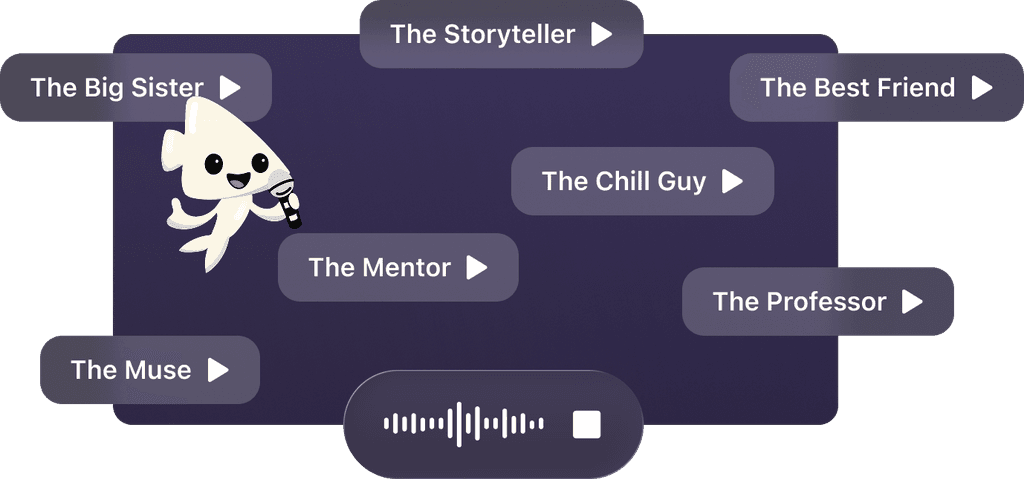
Feel the book through the author's voice
Turn knowledge into engaging, example-rich insights
Capture key ideas in a flash for fast learning
Enjoy the book in a fun and engaging way
Characters in Peak performance
- Brad StulbergCo-author and performance coach
- Steve MagnessCo-author and performance expert
- Deena KastorOlympic medalist used as a case study for recovery
- Josh WaitzkinChess and Tai Chi champion who cycles focus
- Stephen SeilerPhysiologist who studied elite athlete training
Key Themes in Peak performance
- stress rest cycle
- sustainable excellence
- deliberate recovery
- burnout prevention
- skill acquisition biology
Quotes from Peak performance
Stress + Rest = Growth.
Purpose provides the 'why' that drives motivation.
Authenticity is the daily practice of letting go of who we think we’re supposed to be and embracing who we are.
The workouts are the easy part.
Explore Your Way of Learning
 Quick Summary Mode
Read or listen to Peak performance Summary in 11 Minutes
Break down key ideas from Peak performance into bite-sized takeaways to understand how innovative teams create, collaborate, and grow.

 Fun Mode
Peak performance Lessons Told Through 26-Min Stories
Experience Peak performance through vivid storytelling that turns innovation lessons into moments you'll remember and apply.
 Personalize Mode
Experience Peak performance in your own learning style
Ask anything, choose your learning style, and co-create insights that truly resonate with you.
From Columbia University alumni built in San Francisco
"Instead of endless scrolling, I just hit play on BeFreed. It saves me so much time."


"I never knew where to start with nonfiction—BeFreed’s book lists turned into podcasts gave me a clear path."


"Perfect balance between learning and entertainment. Finished ‘Thinking, Fast and Slow’ on my commute this week."
"Crazy how much I learned while walking the dog. BeFreed = small habits → big gains."
"Reading used to feel like a chore. Now it’s just part of my lifestyle."

"Feels effortless compared to reading. I’ve finished 6 books this month already."
"BeFreed turned my guilty doomscrolling into something that feels productive and inspiring."

"BeFreed turned my commute into learning time. 20-min podcasts are perfect for finishing books I never had time for."
"BeFreed replaced my podcast queue. Imagine Spotify for books — that’s it. 🙌"

"It is great for me to learn something from the book without reading it."
"The themed book list podcasts help me connect ideas across authors—like a guided audio journey."
"Makes me feel smarter every time before going to work"
From Columbia University alumni built in San Francisco
"Instead of endless scrolling, I just hit play on BeFreed. It saves me so much time."
"I never knew where to start with nonfiction—BeFreed’s book lists turned into podcasts gave me a clear path."
"Perfect balance between learning and entertainment. Finished ‘Thinking, Fast and Slow’ on my commute this week."
"Crazy how much I learned while walking the dog. BeFreed = small habits → big gains."
"Reading used to feel like a chore. Now it’s just part of my lifestyle."
"Feels effortless compared to reading. I’ve finished 6 books this month already."
"BeFreed turned my guilty doomscrolling into something that feels productive and inspiring."
"BeFreed turned my commute into learning time. 20-min podcasts are perfect for finishing books I never had time for."
"BeFreed replaced my podcast queue. Imagine Spotify for books — that’s it. 🙌"
"It is great for me to learn something from the book without reading it."
"The themed book list podcasts help me connect ideas across authors—like a guided audio journey."
"Makes me feel smarter every time before going to work"
"Instead of endless scrolling, I just hit play on BeFreed. It saves me so much time."
"I never knew where to start with nonfiction—BeFreed’s book lists turned into podcasts gave me a clear path."
"Perfect balance between learning and entertainment. Finished ‘Thinking, Fast and Slow’ on my commute this week."
"Crazy how much I learned while walking the dog. BeFreed = small habits → big gains."
"Reading used to feel like a chore. Now it’s just part of my lifestyle."
"Feels effortless compared to reading. I’ve finished 6 books this month already."
"BeFreed turned my guilty doomscrolling into something that feels productive and inspiring."
"BeFreed turned my commute into learning time. 20-min podcasts are perfect for finishing books I never had time for."
"BeFreed replaced my podcast queue. Imagine Spotify for books — that’s it. 🙌"
"It is great for me to learn something from the book without reading it."
"The themed book list podcasts help me connect ideas across authors—like a guided audio journey."
"Makes me feel smarter every time before going to work"
"Instead of endless scrolling, I just hit play on BeFreed. It saves me so much time."
"I never knew where to start with nonfiction—BeFreed’s book lists turned into podcasts gave me a clear path."
"Perfect balance between learning and entertainment. Finished ‘Thinking, Fast and Slow’ on my commute this week."
"Crazy how much I learned while walking the dog. BeFreed = small habits → big gains."
"Reading used to feel like a chore. Now it’s just part of my lifestyle."
"Feels effortless compared to reading. I’ve finished 6 books this month already."
"BeFreed turned my guilty doomscrolling into something that feels productive and inspiring."
"BeFreed turned my commute into learning time. 20-min podcasts are perfect for finishing books I never had time for."
"BeFreed replaced my podcast queue. Imagine Spotify for books — that’s it. 🙌"
"It is great for me to learn something from the book without reading it."
"The themed book list podcasts help me connect ideas across authors—like a guided audio journey."
"Makes me feel smarter every time before going to work"

Download Summary of Peak performance
Get the Peak performance summary as a free PDF or EPUB. Print it or read offline anytime.


