Middle School Matters: The 10 Key Skills Kids Need to Thrive in Middle School and Beyond - and How Parents Can Help

Overview of Middle School Matters
Navigating middle school isn't just surviving - it's thriving. Endorsed by Harvard's Rick Weissbourd, this guide reveals 10 essential skills kids need during this pivotal developmental window. What if these three awkward years actually determine your child's future success more than high school?
- Middle school serves as a low-stakes training ground for lifelong resilience-building
- Teach tweens to separate friendship choices from social survival instincts
- Replace conflict avoidance with practiced emotional regulation techniques
- Normalize failure as essential for developing academic grit
- Create homework systems that outlast fluctuating motivation levels
- Use social media missteps as teachable moments for digital citizenship
- Counter perfectionism by linking self-worth to effort over outcomes
- Position extracurriculars as identity laboratories rather than résumé padding
- Address exclusion by teaching proactive inclusion strategies
- Develop “middle school superpowers” through deliberate practice of 10 core skills
- Replace helicopter parenting with scaffolded independence-building exercises
- Treat peer conflict as negotiation training for workplace dynamics
About the Author of Middle School Matters
Phyllis L. Fagell, bestselling author of Middle School Matters: The 10 Key Skills Kids Need to Thrive in Middle School and Beyond—and How Parents Can Help, is a licensed clinical professional counselor, certified school counselor, and journalist specializing in adolescent development.
Drawing from her roles as a K-8 school counselor at Sheridan School and a therapist at The Chrysalis Group, Fagell combines clinical expertise with practical strategies to address the book’s core themes of resilience, social dynamics, and academic challenges unique to tweens. Her insights have been featured in The Washington Post, CNN, NPR, and Psychology Today, cementing her authority in education and parenting circles.
Fagell’s follow-up book, Middle School Superpowers, expands on these themes, offering actionable tools for fostering emotional regulation and identity formation. A sought-after speaker and consultant, she bridges research-based methods with real-world classroom experience. Her work is widely endorsed by educators and caregivers for its clarity and effectiveness, with Middle School Matters remaining a trusted resource in school districts nationwide.
FAQs About Middle School Matters
What is Middle School Matters by Phyllis L. Fagell about?
Middle School Matters provides actionable strategies for parents and educators to help adolescents navigate academic, social, and emotional challenges during grades 6–8. Phyllis Fagell, a school counselor and therapist, identifies ten key skills—like conflict resolution, self-advocacy, and resilience—and offers research-backed advice using real-life examples from students and classrooms. The book emphasizes using these years as a "low-stakes training ground" for lifelong success.
Who should read Middle School Matters?
This book is ideal for parents of 10–14-year-olds, middle school educators, and counselors. It equips readers to address issues like bullying, homework struggles, friendship dynamics, and emotional regulation. Fagell’s dual perspective as a counselor and journalist makes it valuable for both home and school environments.
Is Middle School Matters worth reading?
Yes—reviewers call it a "must-read" for its practical, research-driven approach. It combines professional expertise with relatable anecdotes, offering tools like conversation starters and crisis scripts. Educators praise its actionable tips for classroom implementation, while parents appreciate its focus on fostering independence.
What topics does Middle School Matters cover?
Key topics include:
- Building integrity and honesty.
- Navigating social conflicts and gossip.
- Encouraging self-advocacy and resilience.
- Managing academic pressure and homework.
- Addressing cyberbullying and social media. Each chapter includes "Top Tips for Parents" and discussion prompts.
What are the main concepts in Middle School Matters?
Fagell reframes middle school as a critical window to develop lifelong skills like emotional regulation and ethical decision-making. Central ideas include fostering independence through "guided autonomy," normalizing failure as a growth tool, and teaching kids to advocate for themselves without parental overreach.
How does Middle School Matters differ from other parenting books?
Unlike broader parenting guides, it focuses exclusively on ages 10–14 and addresses both home and school settings. Fagell integrates educator-specific strategies—like classroom empathy exercises—alongside parent tips, creating a holistic resource. Real student quotes and therapist-approved scripts add practicality.
What is Phyllis Fagell’s background?
Phyllis Fagell is a licensed therapist, school counselor, and journalist. She has worked in K–8 schools, private practice, and contributes to The Washington Post. Her expertise blends clinical psychology, education, and real-world experience with middle schoolers’ challenges.
Are there notable quotes from Middle School Matters?
- “Middle school is the last stop before kids start making high-stakes decisions.”
- “Resilience isn’t about avoiding failure—it’s about learning to move through it.”
Ken Ginsburg, MD, praises it as “an actionable guide filled with skill-sets to support kids through critical years”.
Has Middle School Matters received criticism?
While largely praised, some parents note the sheer volume of strategies can feel overwhelming. Fagell advises focusing on 1–2 chapters matching a child’s current needs. The book assumes access to supportive schools, which may not apply universally.
How does Middle School Matters compare to The Whole-Brain Child?
Both emphasize emotional development, but Fagell’s book is more age-specific and tactical. While The Whole-Brain Child explains developmental science, Middle School Matters offers step-by-step fixes for issues like social exclusion or academic burnout.
Can Middle School Matters help with bullying?
Yes. Fagell provides scripts to help kids confront bullying, distinguish teasing from harassment, and involve adults effectively. She stresses teaching assertiveness over avoidance and fostering peer alliances to reduce isolation.
Why is Middle School Matters relevant in 2025?
Despite technological shifts, core middle school challenges—identity exploration, social hierarchy navigation, and academic transitions—persist. Updated editions address modern issues like TikTok conflicts and AI-driven homework pressures, keeping strategies current.
What other books has Phyllis Fagell written?
Fagell’s follow-up, Middle School Superpowers (2023), focuses on building resilience post-pandemic. It complements Middle School Matters by addressing contemporary issues like remote learning fallout and anxiety management.
How can educators use Middle School Matters?
The book includes classroom exercises, like role-playing empathy scenarios and peer mediation frameworks. Fagell also advises teachers on creating inclusive environments and partnering with parents during crises.
Does Middle School Matters address neurodiverse teens?
Yes. Fagell discusses supporting ADHD, anxiety, and autism-spectrum students, emphasizing individualized strategies. Tips include breaking down social cues explicitly and creating sensory-friendly study spaces.
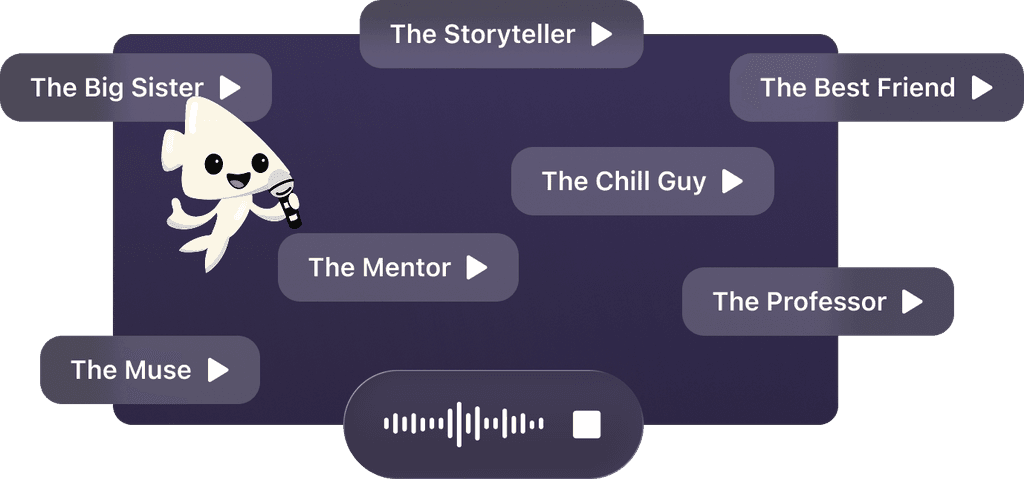
Feel the book through the author's voice
Turn knowledge into engaging, example-rich insights
Capture key ideas in a flash for fast learning
Enjoy the book in a fun and engaging way
Characters in Middle School Matters
- Phyllis L. FagellAuthor, school counselor, and psychotherapist
- Dr. Joanna CohenExpert on adolescent brain development
Key Themes in Middle School Matters
- adolescent brain development
- social emotional learning
- digital citizenship training
- middle school transition
- ethical decision making
Quotes from Middle School Matters
Middle school...[is] a critical developmental opportunity.
Managing supercharged emotions...creates exhaustion.
Adolescents struggle to delay immediate rewards.
Lying undermines their long-term goals.
Teachable moments, not catastrophes.
Explore Your Way of Learning
 Quick Summary Mode
Read or listen to Middle School Matters Summary in 10 Minutes
Break down key ideas from Middle School Matters into bite-sized takeaways to understand how innovative teams create, collaborate, and grow.

 Fun Mode
Middle School Matters Lessons Told Through 23-Min Stories
Experience Middle School Matters through vivid storytelling that turns innovation lessons into moments you'll remember and apply.
 Personalize Mode
Experience Middle School Matters in your own learning style
Ask anything, choose your learning style, and co-create insights that truly resonate with you.
From Columbia University alumni built in San Francisco
"Instead of endless scrolling, I just hit play on BeFreed. It saves me so much time."


"I never knew where to start with nonfiction—BeFreed’s book lists turned into podcasts gave me a clear path."


"Perfect balance between learning and entertainment. Finished ‘Thinking, Fast and Slow’ on my commute this week."
"Crazy how much I learned while walking the dog. BeFreed = small habits → big gains."
"Reading used to feel like a chore. Now it’s just part of my lifestyle."

"Feels effortless compared to reading. I’ve finished 6 books this month already."
"BeFreed turned my guilty doomscrolling into something that feels productive and inspiring."

"BeFreed turned my commute into learning time. 20-min podcasts are perfect for finishing books I never had time for."
"BeFreed replaced my podcast queue. Imagine Spotify for books — that’s it. 🙌"

"It is great for me to learn something from the book without reading it."
"The themed book list podcasts help me connect ideas across authors—like a guided audio journey."
"Makes me feel smarter every time before going to work"
From Columbia University alumni built in San Francisco
"Instead of endless scrolling, I just hit play on BeFreed. It saves me so much time."
"I never knew where to start with nonfiction—BeFreed’s book lists turned into podcasts gave me a clear path."
"Perfect balance between learning and entertainment. Finished ‘Thinking, Fast and Slow’ on my commute this week."
"Crazy how much I learned while walking the dog. BeFreed = small habits → big gains."
"Reading used to feel like a chore. Now it’s just part of my lifestyle."
"Feels effortless compared to reading. I’ve finished 6 books this month already."
"BeFreed turned my guilty doomscrolling into something that feels productive and inspiring."
"BeFreed turned my commute into learning time. 20-min podcasts are perfect for finishing books I never had time for."
"BeFreed replaced my podcast queue. Imagine Spotify for books — that’s it. 🙌"
"It is great for me to learn something from the book without reading it."
"The themed book list podcasts help me connect ideas across authors—like a guided audio journey."
"Makes me feel smarter every time before going to work"
"Instead of endless scrolling, I just hit play on BeFreed. It saves me so much time."
"I never knew where to start with nonfiction—BeFreed’s book lists turned into podcasts gave me a clear path."
"Perfect balance between learning and entertainment. Finished ‘Thinking, Fast and Slow’ on my commute this week."
"Crazy how much I learned while walking the dog. BeFreed = small habits → big gains."
"Reading used to feel like a chore. Now it’s just part of my lifestyle."
"Feels effortless compared to reading. I’ve finished 6 books this month already."
"BeFreed turned my guilty doomscrolling into something that feels productive and inspiring."
"BeFreed turned my commute into learning time. 20-min podcasts are perfect for finishing books I never had time for."
"BeFreed replaced my podcast queue. Imagine Spotify for books — that’s it. 🙌"
"It is great for me to learn something from the book without reading it."
"The themed book list podcasts help me connect ideas across authors—like a guided audio journey."
"Makes me feel smarter every time before going to work"
"Instead of endless scrolling, I just hit play on BeFreed. It saves me so much time."
"I never knew where to start with nonfiction—BeFreed’s book lists turned into podcasts gave me a clear path."
"Perfect balance between learning and entertainment. Finished ‘Thinking, Fast and Slow’ on my commute this week."
"Crazy how much I learned while walking the dog. BeFreed = small habits → big gains."
"Reading used to feel like a chore. Now it’s just part of my lifestyle."
"Feels effortless compared to reading. I’ve finished 6 books this month already."
"BeFreed turned my guilty doomscrolling into something that feels productive and inspiring."
"BeFreed turned my commute into learning time. 20-min podcasts are perfect for finishing books I never had time for."
"BeFreed replaced my podcast queue. Imagine Spotify for books — that’s it. 🙌"
"It is great for me to learn something from the book without reading it."
"The themed book list podcasts help me connect ideas across authors—like a guided audio journey."
"Makes me feel smarter every time before going to work"

Download Summary of Middle School Matters
Get the Middle School Matters summary as a free PDF or EPUB. Print it or read offline anytime.