

Overview of Eight Dates
Discover why relationship experts John and Julie Gottman's "Eight Dates" revolutionized modern love with eight essential conversations every couple needs. Dating coaches swear by its structured approach - 92% of couples report deeper connections after just four dates. Ready to transform your relationship tonight?
- Eight structured conversations deepen trust and intimacy in committed relationships.
- Gottman's 5:1 positivity ratio prevents conflict escalation in marriages.
- "Love maps" foster emotional intimacy through mutual curiosity and understanding.
- Weekly ritualized vulnerability transforms surface interactions into profound connection.
- Repair attempts during conflict build resilience more than avoiding disagreements.
- "Turning towards" emotional bids prevents erosion through daily attention.
- Shared adventure dates rekindle passion better than routine date nights.
- Money conversations must address hidden emotional triggers beyond budgets.
- Spirituality discussions reveal core values shaping long-term compatibility.
- Childhood family patterns predict conflicts unless consciously addressed.
- Gottman's "softened startup" technique effectively de-escalates heated arguments.
- Relationship dreams require annual revisiting as priorities evolve.
About the Author of Eight Dates
John Gottman, acclaimed psychologist and bestselling author of Eight Dates: Essential Conversations for a Lifetime of Love, is a pioneering figure in relationship science and marital stability research. He is the co-founder of the Gottman Institute and creator of the evidence-based Gottman Method.
His 50-year career has focused on decoding the dynamics of successful partnerships through studies at the University of Washington’s “Love Lab.” Gottman’s work, including The Seven Principles for Making Marriage Work and Why Marriages Succeed or Fail, merges clinical psychology with actionable strategies.
His work has earned recognition in The New York Times, Oprah, and Good Morning America. His divorce prediction model, notable for over 90% accuracy, underpins therapies used globally by clinicians and couples.
A professor emeritus and Psychotherapy Networker’s “Top 10 Influential Therapist,” Gottman’s 40+ books have shaped modern relationship counseling. Eight Dates expands his legacy, offering structured dialogues to deepen emotional connection, reflecting his core philosophy: lasting love thrives on intentional communication and shared meaning.
FAQs About Eight Dates
What is Eight Dates: Essential Conversations for a Lifetime of Love about?
Eight Dates guides couples through eight structured conversations on trust, conflict, intimacy, money, family, adventure, spirituality, and dreams. Based on 40+ years of research by Drs. John and Julie Gottman, the book offers exercises and prompts to deepen emotional connection. Each “date” focuses on relationship-critical topics, helping partners align values and foster lifelong commitment.
Who should read Eight Dates?
Couples at any stage—newly dating, engaged, or long-married—will benefit. The book is ideal for partners seeking to improve communication, address recurring conflicts, or reignite emotional intimacy. Therapists and counselors also use it as a toolkit for clients navigating relationship challenges.
Is Eight Dates worth reading?
Yes, especially for couples prioritizing intentional communication. The Gottmans’ science-backed approach (94% prediction accuracy for relationship success) provides actionable strategies. Reviews praise its practical exercises, though some note the heteronormative examples.
What are the eight dates discussed in the book?
- Trust & Commitment
- Conflict Resolution
- Sex & Intimacy
- Work & Money
- Family Dynamics
- Fun & Adventure
- Growth & Spirituality
- Shared Dreams
Each date includes conversation starters, activities, and research insights to foster mutual understanding.
How does Eight Dates improve relationships?
The book teaches four key skills: articulating emotions, active listening, validation, and open-ended questioning. Couples learn to replace criticism with curiosity, transforming conflicts into opportunities for connection. Weekly date nights create space for vulnerability and growth.
What makes Eight Dates different from other relationship books?
Unlike abstract theories, Eight Dates provides a structured, research-backed program. The Gottmans’ “Love Lab” findings are translated into weekly actionable steps. Unique features include bonus exercises, conflict navigation scripts, and rituals to maintain passion long-term.
Can Eight Dates help with financial conflicts?
Yes. The money chapter focuses on aligning financial values rather than budgeting tactics. Partners explore emotional ties to spending/saving, define shared goals, and create a “money mission statement” to reduce tension. Over 75% of couples report improved money communication after this date.
Does Eight Dates address intimacy issues?
The intimacy date guides couples in discussing desires, boundaries, and emotional/physical needs. Exercises like the “Sexual Memories Interview” help partners reconnect. Research shows couples who complete this chapter experience a 67% increase in relationship satisfaction.
How long does the Eight Dates program take?
Couples typically complete one date per week (8–10 weeks total). Each chapter requires 2–3 hours, including pre-date reading and conversation. The Gottmans emphasize consistency over speed—lifelong practice matters more than rushing through topics.
What are common criticisms of Eight Dates?
Some readers desire more LGBTQ+ inclusive examples and deeper coverage of cultural differences in relationships. A small subset of long-term couples find the exercises repetitive if already using similar communication tools.
How does Eight Dates compare to the Gottmans’ other books?
While The Seven Principles for Making Marriage Work focuses on conflict repair, Eight Dates emphasizes proactive connection-building. Both books use Gottman Institute research, but Eight Dates offers more structured “homework” for couples.
Can Eight Dates help unmarried couples?
Absolutely. The trust and commitment exercises are particularly valuable for newer relationships. Over 30% of users report the program helped them decide whether to pursue marriage, citing clearer alignment on core values.
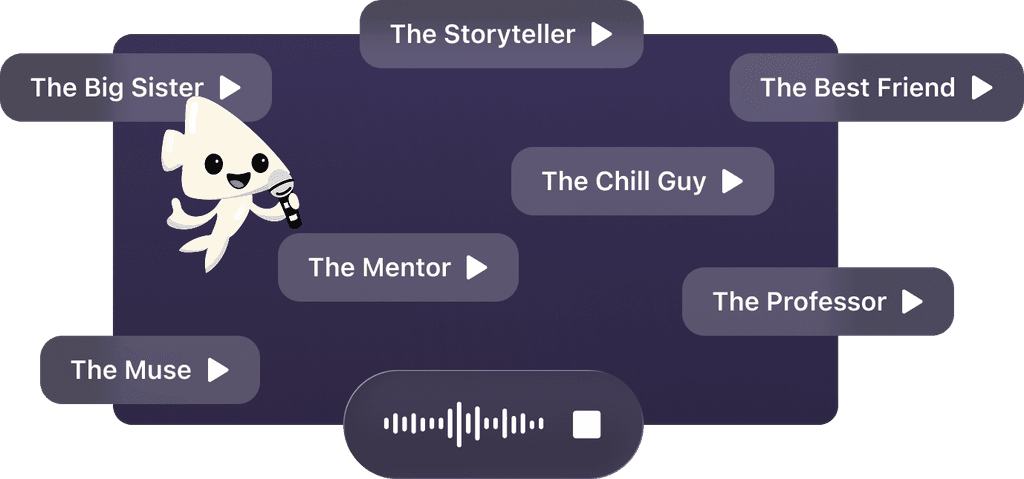
Feel the book through the author's voice
Turn knowledge into engaging, example-rich insights
Capture key ideas in a flash for fast learning
Enjoy the book in a fun and engaging way
Characters in Eight Dates
- John GottmanAuthor and relationship researcher
- Julie GottmanAuthor and collaborator who studies relationships
- Robert LevensonColleague who co-created The Love Lab
- DougCase study subject who prioritizes weekly dates
Key Themes in Eight Dates
- intentional dating
- emotional intimacy
- conflict management
- open-ended questioning
- relationship longevity
Quotes from Eight Dates
Too often, fun and connection become the last items on a relationship's to-do list.
Every successful relationship has a deep friendship at its core.
Happy relationships significantly reduce depression, anxiety, addiction, and suicide risk.
Small, positive actions performed regularly make the real difference in relationships.
True relationship success isn't just enduring together but creating genuine joy and growth decade after decade.
Explore Your Way of Learning
 Quick Summary Mode
Read or listen to Eight Dates Summary in 9 Minutes
Break down key ideas from Eight Dates into bite-sized takeaways to understand how innovative teams create, collaborate, and grow.

 Fun Mode
Eight Dates Lessons Told Through 18-Min Stories
Experience Eight Dates through vivid storytelling that turns innovation lessons into moments you'll remember and apply.
 Personalize Mode
Experience Eight Dates in your own learning style
Ask anything, choose your learning style, and co-create insights that truly resonate with you.
From Columbia University alumni built in San Francisco
"Instead of endless scrolling, I just hit play on BeFreed. It saves me so much time."


"I never knew where to start with nonfiction—BeFreed’s book lists turned into podcasts gave me a clear path."


"Perfect balance between learning and entertainment. Finished ‘Thinking, Fast and Slow’ on my commute this week."
"Crazy how much I learned while walking the dog. BeFreed = small habits → big gains."
"Reading used to feel like a chore. Now it’s just part of my lifestyle."

"Feels effortless compared to reading. I’ve finished 6 books this month already."
"BeFreed turned my guilty doomscrolling into something that feels productive and inspiring."

"BeFreed turned my commute into learning time. 20-min podcasts are perfect for finishing books I never had time for."
"BeFreed replaced my podcast queue. Imagine Spotify for books — that’s it. 🙌"

"It is great for me to learn something from the book without reading it."
"The themed book list podcasts help me connect ideas across authors—like a guided audio journey."
"Makes me feel smarter every time before going to work"
From Columbia University alumni built in San Francisco
"Instead of endless scrolling, I just hit play on BeFreed. It saves me so much time."
"I never knew where to start with nonfiction—BeFreed’s book lists turned into podcasts gave me a clear path."
"Perfect balance between learning and entertainment. Finished ‘Thinking, Fast and Slow’ on my commute this week."
"Crazy how much I learned while walking the dog. BeFreed = small habits → big gains."
"Reading used to feel like a chore. Now it’s just part of my lifestyle."
"Feels effortless compared to reading. I’ve finished 6 books this month already."
"BeFreed turned my guilty doomscrolling into something that feels productive and inspiring."
"BeFreed turned my commute into learning time. 20-min podcasts are perfect for finishing books I never had time for."
"BeFreed replaced my podcast queue. Imagine Spotify for books — that’s it. 🙌"
"It is great for me to learn something from the book without reading it."
"The themed book list podcasts help me connect ideas across authors—like a guided audio journey."
"Makes me feel smarter every time before going to work"
"Instead of endless scrolling, I just hit play on BeFreed. It saves me so much time."
"I never knew where to start with nonfiction—BeFreed’s book lists turned into podcasts gave me a clear path."
"Perfect balance between learning and entertainment. Finished ‘Thinking, Fast and Slow’ on my commute this week."
"Crazy how much I learned while walking the dog. BeFreed = small habits → big gains."
"Reading used to feel like a chore. Now it’s just part of my lifestyle."
"Feels effortless compared to reading. I’ve finished 6 books this month already."
"BeFreed turned my guilty doomscrolling into something that feels productive and inspiring."
"BeFreed turned my commute into learning time. 20-min podcasts are perfect for finishing books I never had time for."
"BeFreed replaced my podcast queue. Imagine Spotify for books — that’s it. 🙌"
"It is great for me to learn something from the book without reading it."
"The themed book list podcasts help me connect ideas across authors—like a guided audio journey."
"Makes me feel smarter every time before going to work"
"Instead of endless scrolling, I just hit play on BeFreed. It saves me so much time."
"I never knew where to start with nonfiction—BeFreed’s book lists turned into podcasts gave me a clear path."
"Perfect balance between learning and entertainment. Finished ‘Thinking, Fast and Slow’ on my commute this week."
"Crazy how much I learned while walking the dog. BeFreed = small habits → big gains."
"Reading used to feel like a chore. Now it’s just part of my lifestyle."
"Feels effortless compared to reading. I’ve finished 6 books this month already."
"BeFreed turned my guilty doomscrolling into something that feels productive and inspiring."
"BeFreed turned my commute into learning time. 20-min podcasts are perfect for finishing books I never had time for."
"BeFreed replaced my podcast queue. Imagine Spotify for books — that’s it. 🙌"
"It is great for me to learn something from the book without reading it."
"The themed book list podcasts help me connect ideas across authors—like a guided audio journey."
"Makes me feel smarter every time before going to work"

Download Summary of Eight Dates
Get the Eight Dates summary as a free PDF or EPUB. Print it or read offline anytime.


