BeFreed
    Categories>Politics>Untangling the Middle East Web

    Untangling the Middle East Web

    15 min
    |
    |
    15 de fev. de 2026
    PoliticsHistorySociety

    Two hosts break down how October 7th reshuffled Middle Eastern politics, exploring the ancient rivalries, economic forces, and power games behind today's headlines.

    Untangling the Middle East Web

    Melhor citação de Untangling the Middle East Web

    “

    Local grievances get supercharged by outside powers, turning civil uprisings into regional wars where the human cost is enormous because regional powers are fighting their broader strategic competition through smaller countries.

    ”

    Esta aula em áudio foi criada por um membro da comunidade BeFreed

    Pergunta de entrada

    General knowledge and background behind today’s current events

    Vozes dos apresentadores
    Lenaplay
    Niaplay
    Estilo de aprendizagem
    Rápido
    Fontes de conhecimento
    Prisoners of Geography
    World Order
    A World in Disarray
    False Economy
    The Economists' Hour: The Rise of a Discipline, the Failures of Globalization, and the Road to Nationalism
    Next Decade

    Descubra mais

    Learn the Middle East history

    Learn the Middle East history

    PLANO DE APRENDIZADO

    Learn the Middle East history

    This plan provides a vital historical lens for understanding one of the world's most complex regions. It is ideal for students, journalists, or travelers seeking to move beyond headlines to grasp the deep-rooted origins of modern Middle Eastern dynamics.

    3 h 16 m•4 Seções
    US-Iran Conflict: Past, Present & Future

    US-Iran Conflict: Past, Present & Future

    PLANO DE APRENDIZADO

    US-Iran Conflict: Past, Present & Future

    This plan is essential for anyone seeking to understand the most volatile relationship in modern geopolitics. It is ideal for students of international relations, policy professionals, or curious citizens wanting to look beyond the headlines at the roots of Middle Eastern conflict.

    3 h 43 m•4 Seções
    Current events local and abroad and history

    Current events local and abroad and history

    PLANO DE APRENDIZADO

    Current events local and abroad and history

    In an era of information overload and geopolitical upheaval, understanding current events requires both historical perspective and media literacy. This learning plan is ideal for anyone who wants to make sense of today's headlines, from engaged citizens and news consumers to professionals whose work requires geopolitical awareness and critical thinking about global affairs.

    2 h 22 m•4 Seções
    Track current news and key historical events

    Track current news and key historical events

    PLANO DE APRENDIZADO

    Track current news and key historical events

    In an era of misinformation, understanding the intersection of history and current events is essential for informed citizenship. This plan is designed for curious minds and aspiring analysts who want to decode global power dynamics through a lens of historical context and media literacy.

    2 h 1 m•4 Seções
    World history and geopolitics

    World history and geopolitics

    PLANO DE APRENDIZADO

    World history and geopolitics

    This learning plan equips you with the historical depth and geopolitical literacy to make sense of today's complex world. Perfect for professionals in policy, business, or journalism, as well as curious citizens who want to move beyond headlines to understand the deep forces shaping international relations, conflicts, and opportunities in our interconnected age.

    1 h 58 m•4 Seções
    Global News, Politics & Economics

    Global News, Politics & Economics

    PLANO DE APRENDIZADO

    Global News, Politics & Economics

    In an era of rapid globalization and misinformation, understanding the intersection of power and money is essential. This plan is ideal for professionals and students looking to decode complex international events and develop a sophisticated worldview.

    2 h 27 m•4 Seções
    Explore History, Politics & Memoirs

    Explore History, Politics & Memoirs

    PLANO DE APRENDIZADO

    Explore History, Politics & Memoirs

    This plan provides a comprehensive lens for understanding how historical forces and political structures dictate the modern world. It is ideal for curious minds and aspiring leaders who want to connect historical precedents with contemporary global dynamics.

    2 h 33 m•4 Seções
    History

    History

    PLANO DE APRENDIZADO

    History

    Understanding history provides the essential context needed to navigate today's complex geopolitical landscape. This plan is ideal for curious minds and students seeking to connect the dots between ancient innovations and modern global structures.

    2 h 23 m•4 Seções

    Criado por ex-alunos da Universidade de Columbia em San Francisco

    BeFreed Reúne Uma Comunidade Global De 1,000,000 Mentes Curiosas
    Veja mais sobre como o BeFreed é discutido na web

    "Instead of endless scrolling, I just hit play on BeFreed. It saves me so much time."

    @Moemenn
    platform
    star
    star
    star
    star
    star

    "I never knew where to start with nonfiction—BeFreed’s book lists turned into podcasts gave me a clear path."

    @Chloe, Solo founder, LA
    platform
    comments
    12
    likes
    117

    "Perfect balance between learning and entertainment. Finished ‘Thinking, Fast and Slow’ on my commute this week."

    @Raaaaaachelw
    platform
    star
    star
    star
    star
    star

    "Crazy how much I learned while walking the dog. BeFreed = small habits → big gains."

    @Matt, YC alum
    platform
    comments
    12
    likes
    108

    "Reading used to feel like a chore. Now it’s just part of my lifestyle."

    @Erin, Investment Banking Associate , NYC
    platform
    comments
    254
    likes
    17

    "Feels effortless compared to reading. I’ve finished 6 books this month already."

    @djmikemoore
    platform
    star
    star
    star
    star
    star

    "BeFreed turned my guilty doomscrolling into something that feels productive and inspiring."

    @Pitiful
    platform
    comments
    96
    likes
    4.5K

    "BeFreed turned my commute into learning time. 20-min podcasts are perfect for finishing books I never had time for."

    @SofiaP
    platform
    star
    star
    star
    star
    star

    "BeFreed replaced my podcast queue. Imagine Spotify for books — that’s it. 🙌"

    @Jaded_Falcon
    platform
    comments
    201
    thumbsUp
    16

    "It is great for me to learn something from the book without reading it."

    @OojasSalunke
    platform
    star
    star
    star
    star
    star

    "The themed book list podcasts help me connect ideas across authors—like a guided audio journey."

    @Leo, Law Student, UPenn
    platform
    comments
    37
    likes
    483

    "Makes me feel smarter every time before going to work"

    @Cashflowbubu
    platform
    star
    star
    star
    star
    star

    Criado por ex-alunos da Universidade de Columbia em San Francisco

    BeFreed Reúne Uma Comunidade Global De 1,000,000 Mentes Curiosas
    Veja mais sobre como o BeFreed é discutido na web

    "Instead of endless scrolling, I just hit play on BeFreed. It saves me so much time."

    @Moemenn
    platform
    star
    star
    star
    star
    star

    "I never knew where to start with nonfiction—BeFreed’s book lists turned into podcasts gave me a clear path."

    @Chloe, Solo founder, LA
    platform
    comments
    12
    likes
    117

    "Perfect balance between learning and entertainment. Finished ‘Thinking, Fast and Slow’ on my commute this week."

    @Raaaaaachelw
    platform
    star
    star
    star
    star
    star

    "Crazy how much I learned while walking the dog. BeFreed = small habits → big gains."

    @Matt, YC alum
    platform
    comments
    12
    likes
    108

    "Reading used to feel like a chore. Now it’s just part of my lifestyle."

    @Erin, Investment Banking Associate , NYC
    platform
    comments
    254
    likes
    17

    "Feels effortless compared to reading. I’ve finished 6 books this month already."

    @djmikemoore
    platform
    star
    star
    star
    star
    star

    "BeFreed turned my guilty doomscrolling into something that feels productive and inspiring."

    @Pitiful
    platform
    comments
    96
    likes
    4.5K

    "BeFreed turned my commute into learning time. 20-min podcasts are perfect for finishing books I never had time for."

    @SofiaP
    platform
    star
    star
    star
    star
    star

    "BeFreed replaced my podcast queue. Imagine Spotify for books — that’s it. 🙌"

    @Jaded_Falcon
    platform
    comments
    201
    thumbsUp
    16

    "It is great for me to learn something from the book without reading it."

    @OojasSalunke
    platform
    star
    star
    star
    star
    star

    "The themed book list podcasts help me connect ideas across authors—like a guided audio journey."

    @Leo, Law Student, UPenn
    platform
    comments
    37
    likes
    483

    "Makes me feel smarter every time before going to work"

    @Cashflowbubu
    platform
    star
    star
    star
    star
    star

    "Instead of endless scrolling, I just hit play on BeFreed. It saves me so much time."

    @Moemenn
    platform
    star
    star
    star
    star
    star

    "I never knew where to start with nonfiction—BeFreed’s book lists turned into podcasts gave me a clear path."

    @Chloe, Solo founder, LA
    platform
    comments
    12
    likes
    117

    "Perfect balance between learning and entertainment. Finished ‘Thinking, Fast and Slow’ on my commute this week."

    @Raaaaaachelw
    platform
    star
    star
    star
    star
    star

    "Crazy how much I learned while walking the dog. BeFreed = small habits → big gains."

    @Matt, YC alum
    platform
    comments
    12
    likes
    108

    "Reading used to feel like a chore. Now it’s just part of my lifestyle."

    @Erin, Investment Banking Associate , NYC
    platform
    comments
    254
    likes
    17

    "Feels effortless compared to reading. I’ve finished 6 books this month already."

    @djmikemoore
    platform
    star
    star
    star
    star
    star

    "BeFreed turned my guilty doomscrolling into something that feels productive and inspiring."

    @Pitiful
    platform
    comments
    96
    likes
    4.5K

    "BeFreed turned my commute into learning time. 20-min podcasts are perfect for finishing books I never had time for."

    @SofiaP
    platform
    star
    star
    star
    star
    star

    "BeFreed replaced my podcast queue. Imagine Spotify for books — that’s it. 🙌"

    @Jaded_Falcon
    platform
    comments
    201
    thumbsUp
    16

    "It is great for me to learn something from the book without reading it."

    @OojasSalunke
    platform
    star
    star
    star
    star
    star

    "The themed book list podcasts help me connect ideas across authors—like a guided audio journey."

    @Leo, Law Student, UPenn
    platform
    comments
    37
    likes
    483

    "Makes me feel smarter every time before going to work"

    @Cashflowbubu
    platform
    star
    star
    star
    star
    star

    "Instead of endless scrolling, I just hit play on BeFreed. It saves me so much time."

    @Moemenn
    platform
    star
    star
    star
    star
    star

    "I never knew where to start with nonfiction—BeFreed’s book lists turned into podcasts gave me a clear path."

    @Chloe, Solo founder, LA
    platform
    comments
    12
    likes
    117

    "Perfect balance between learning and entertainment. Finished ‘Thinking, Fast and Slow’ on my commute this week."

    @Raaaaaachelw
    platform
    star
    star
    star
    star
    star

    "Crazy how much I learned while walking the dog. BeFreed = small habits → big gains."

    @Matt, YC alum
    platform
    comments
    12
    likes
    108

    "Reading used to feel like a chore. Now it’s just part of my lifestyle."

    @Erin, Investment Banking Associate , NYC
    platform
    comments
    254
    likes
    17

    "Feels effortless compared to reading. I’ve finished 6 books this month already."

    @djmikemoore
    platform
    star
    star
    star
    star
    star

    "BeFreed turned my guilty doomscrolling into something that feels productive and inspiring."

    @Pitiful
    platform
    comments
    96
    likes
    4.5K

    "BeFreed turned my commute into learning time. 20-min podcasts are perfect for finishing books I never had time for."

    @SofiaP
    platform
    star
    star
    star
    star
    star

    "BeFreed replaced my podcast queue. Imagine Spotify for books — that’s it. 🙌"

    @Jaded_Falcon
    platform
    comments
    201
    thumbsUp
    16

    "It is great for me to learn something from the book without reading it."

    @OojasSalunke
    platform
    star
    star
    star
    star
    star

    "The themed book list podcasts help me connect ideas across authors—like a guided audio journey."

    @Leo, Law Student, UPenn
    platform
    comments
    37
    likes
    483

    "Makes me feel smarter every time before going to work"

    @Cashflowbubu
    platform
    star
    star
    star
    star
    star
    1.5K Ratings4.7
    Comece sua jornada de aprendizado, agora
    BeFreed App
    BeFreed

    Aprenda Qualquer Coisa, Personalizado

    DiscordLinkedIn
    Resumos de livros em destaque
    Crucial ConversationsThe Perfect MarriageInto the WildNever Split the DifferenceAttachedGood to GreatSay Nothing
    Categorias em alta
    Self HelpCommunication SkillRelationshipMindfulnessPhilosophyInspirationProductivity
    Lista de leitura de celebridades
    Elon MuskCharlie KirkBill GatesSteve JobsAndrew HubermanJoe RoganJordan Peterson
    Coleção premiada
    Pulitzer PrizeNational Book AwardGoodreads Choice AwardsNobel Prize in LiteratureNew York TimesCaldecott MedalNebula Award
    Tópicos em destaque
    ManagementAmerican HistoryWarTradingStoicismAnxietySex
    Melhores livros por ano
    2025 Best Non Fiction Books2024 Best Non Fiction Books2023 Best Non Fiction Books
    Autores em destaque
    Chimamanda Ngozi AdichieGeorge OrwellO. J. SimpsonBarbara O'NeillWinston ChurchillCharlie Kirk
    BeFreed vs outros apps
    BeFreed vs. Other Book Summary AppsBeFreed vs. ElevenReaderBeFreed vs. ReadwiseBeFreed vs. Anki
    Ferramentas de aprendizado
    Knowledge VisualizerAI Podcast Generator
    Informações
    Sobre Nósarrow
    Preçosarrow
    Perguntas Frequentesarrow
    Blogarrow
    Carreirasarrow
    Parceriasarrow
    Programa de Embaixadoresarrow
    Diretórioarrow
    BeFreed
    Try now
    © 2026 BeFreed
    Termos de UsoPolítica de Privacidade
    BeFreed

    Aprenda Qualquer Coisa, Personalizado

    DiscordLinkedIn
    Resumos de livros em destaque
    Crucial ConversationsThe Perfect MarriageInto the WildNever Split the DifferenceAttachedGood to GreatSay Nothing
    Categorias em alta
    Self HelpCommunication SkillRelationshipMindfulnessPhilosophyInspirationProductivity
    Lista de leitura de celebridades
    Elon MuskCharlie KirkBill GatesSteve JobsAndrew HubermanJoe RoganJordan Peterson
    Coleção premiada
    Pulitzer PrizeNational Book AwardGoodreads Choice AwardsNobel Prize in LiteratureNew York TimesCaldecott MedalNebula Award
    Tópicos em destaque
    ManagementAmerican HistoryWarTradingStoicismAnxietySex
    Melhores livros por ano
    2025 Best Non Fiction Books2024 Best Non Fiction Books2023 Best Non Fiction Books
    Ferramentas de aprendizado
    Knowledge VisualizerAI Podcast Generator
    Autores em destaque
    Chimamanda Ngozi AdichieGeorge OrwellO. J. SimpsonBarbara O'NeillWinston ChurchillCharlie Kirk
    BeFreed vs outros apps
    BeFreed vs. Other Book Summary AppsBeFreed vs. ElevenReaderBeFreed vs. ReadwiseBeFreed vs. Anki
    Informações
    Sobre Nósarrow
    Preçosarrow
    Perguntas Frequentesarrow
    Blogarrow
    Carreirasarrow
    Parceriasarrow
    Programa de Embaixadoresarrow
    Diretórioarrow
    BeFreed
    Try now
    © 2026 BeFreed
    Termos de UsoPolítica de Privacidade

    Pontos-chave

    1

    Untangling the Middle East Web

    0:00

    Lena: Hey Nia, I was scrolling through news this morning and honestly? The Middle East feels like this massive, tangled web that I can never quite untangle. Like, every headline seems connected to ten other conflicts.

    0:12

    Nia: Oh, I totally get that feeling! You know what's wild though? There's actually this fascinating pattern underneath all the chaos. It's like... imagine if you took a family feud that's been going on for decades, but then each family member started making alliances with completely different neighbors.

    0:28

    Lena: Right! And then those neighbors have their own feuds going on. I mean, just this week I saw stories about Yemen fighting itself, Iran backing groups everywhere, and Saudi Arabia somehow both fighting and making peace with different people at the same time.

    0:42

    Nia: Exactly! And here's what's really interesting - a lot of these current tensions actually trace back to this massive shift that happened after October 7th. Before that attack, you had Israel and Saudi Arabia on the verge of this historic peace deal, Palestinians feeling increasingly sidelined, and Iran watching nervously from the sidelines.

    1:01

    Lena: So that one event basically reshuffled the entire regional deck of cards?

    1:06

    Nia: It absolutely did. So let's dive into how that single day created this domino effect that's still reshaping Middle Eastern politics today.

    2

    The Domino Effect That Changed Everything

    1:17

    Nia: So here's what made October 7th such a seismic shift—it didn't just disrupt one relationship, it completely rewired the entire regional power grid. Before that attack, you had this really fascinating moment where Israel and Saudi Arabia were quietly working toward normalization. Think about how massive that would have been!

    1:40

    Lena: Wait, Saudi Arabia and Israel? But aren't they supposed to be, like, natural enemies?

    1:46

    Nia: That's exactly what makes it so interesting! See, both countries were looking at Iran as their biggest threat. It's this classic case of "the enemy of my enemy is my friend." Saudi Arabia was watching Iran expand its influence through proxies in Yemen, Lebanon, Syria—basically surrounding them with hostile forces.

    2:06

    Lena: Oh, so it was like a strategic marriage of convenience?

    0:42

    Nia: Exactly! And the Palestinians were becoming increasingly frustrated because they felt like they were being traded away in this deal. The Abraham Accords had already shown that Arab countries were willing to normalize with Israel without solving the Palestinian issue first. That was a huge departure from decades of Arab policy.

    2:30

    Lena: So Hamas basically threw a wrench into this whole realignment?

    2:34

    Nia: More like a nuclear bomb than a wrench. Suddenly, Saudi Arabia couldn't be seen publicly making peace with Israel while Gaza was being destroyed. Iran got exactly what it wanted—the normalization process derailed and Israel tied up in a grinding conflict that's making it look increasingly isolated internationally.

    2:52

    Lena: That's so calculated. But how does this connect to what we're seeing in places like Yemen or Syria?

    2:59

    Nia: Well, that's where the proxy war element gets really complex. Iran has been building this "axis of resistance" for years—Hezbollah in Lebanon, the Houthis in Yemen, various militias in Iraq and Syria. When Israel got pulled into Gaza, it created opportunities for all these groups to either support Hamas or create new pressure points.

    3

    The Chessboard of Ancient Rivalries

    3:44

    Lena: You know what's fascinating? Every time I try to understand one conflict, it seems like there are these much deeper historical currents underneath.

    3:53

    Nia: Oh absolutely! Like, take the Saudi-Iran rivalry. On the surface, it looks like it's about oil or regional influence, but there's this profound religious dimension that goes back centuries. Saudi Arabia sees itself as the guardian of Sunni Islam's holiest sites, while Iran positions itself as the leader of Shia Muslims worldwide.

    4:14

    Lena: So it's not just politics—it's theology?

    4:18

    Nia: It's both, and that's what makes it so intractable. When the Iranian Revolution happened in 1979, it wasn't just a change of government. Ayatollah Khomeini was explicitly calling for the overthrow of monarchies across the region. Imagine how that sounded to the Saudi royal family!

    4:34

    Lena: Yikes. That's basically a direct existential threat.

    4:39

    Nia: Exactly. And then you layer on top of that the fact that Iran is Persian, not Arab, which adds this whole ethnic dimension to the religious and political competition. It's like they're fighting on multiple levels simultaneously.

    4:52

    Lena: But how does this ancient rivalry play out in modern conflicts? Like, what does it mean for regular people living in Yemen or Lebanon?

    5:00

    Nia: That's where it gets really tragic. These proxy conflicts mean that local grievances get supercharged by outside powers. In Yemen, you had legitimate complaints about government corruption and economic problems, but then Saudi Arabia and Iran started funneling weapons and money to different sides, turning a civil uprising into a regional war.

    5:19

    Lena: So local problems become international battlegrounds?

    5:24

    Nia: Precisely. And the human cost is enormous. We're talking about entire generations growing up in war zones because regional powers are fighting their broader strategic competition through these smaller countries.

    4

    The Economics of Endless Conflict

    5:39

    Lena: Something I've been wondering about—how do these countries actually sustain all this fighting? War is expensive, right?

    5:47

    Nia: Oh, that's such a crucial point that doesn't get enough attention! The economics of Middle Eastern conflict are absolutely wild. You've got oil-rich countries like Saudi Arabia and Iran that can literally afford to fund proxy wars across multiple countries simultaneously.

    6:04

    Lena: It's like they're playing a very expensive video game, except with real human lives.

    6:09

    Nia: That's a chilling but accurate analogy. Saudi Arabia's defense spending is around $70 billion annually—that's more than most countries' entire government budgets. Iran, even under sanctions, still manages to fund Hezbollah with hundreds of millions of dollars each year.

    6:26

    Lena: But wait, isn't Iran supposed to be economically struggling because of sanctions?

    6:31

    Nia: They are! And that's what makes their strategy so interesting. Iran has basically decided that funding these proxy groups is worth the economic sacrifice because it gives them leverage far beyond what their actual military could achieve. It's asymmetric warfare on a regional scale.

    6:48

    Lena: So they're getting more bang for their buck by funding militias than by building traditional armies?

    0:42

    Nia: Exactly! A few million dollars in weapons and training can create a militia that ties down an entire Israeli division or threatens shipping lanes in the Red Sea. From Iran's perspective, that's an incredible return on investment.

    7:08

    Lena: But what about the countries where these proxy fights are happening? Like, what's the economic impact on places like Lebanon or Yemen?

    7:16

    Nia: Devastating. Lebanon's economy has basically collapsed—their currency has lost over 90% of its value. Yemen has become the world's worst humanitarian crisis. These proxy conflicts don't just cost lives; they destroy entire economic systems and create poverty that lasts for generations.

    5

    The Information War Behind the Shooting War

    7:35

    Nia: You know what's really fascinating about modern Middle Eastern conflicts? They're not just fought with missiles and militias anymore. There's this whole information warfare dimension that's reshaping how these conflicts play out.

    7:49

    Lena: Oh, like social media and propaganda?

    7:52

    Nia: Way more sophisticated than that. Take how Hamas documented and broadcast the October 7th attack. They weren't just trying to inflict maximum damage—they were creating a media event designed to provoke a massive Israeli response that would shift global opinion.

    2:52

    Lena: That's so calculated. They knew Israel would retaliate heavily?

    8:13

    Nia: Absolutely. And Iran has been pioneering these information warfare tactics for years. They've got this whole ecosystem of media outlets, social media networks, and even video games that promote their narrative across the region.

    8:26

    Lena: Video games? Seriously?

    8:29

    Nia: Dead serious! Hezbollah has actually created video games where players fight Israeli forces. It's part of this broader strategy to shape how young people across the Arab world think about these conflicts. They're playing a generational game.

    8:42

    Lena: That's both clever and terrifying. But how effective is this stuff really?

    8:47

    Nia: Incredibly effective. Look at how quickly global opinion shifted during the Gaza conflict. Within weeks, you had massive protests in cities around the world, university campuses in chaos, and even longtime allies of Israel expressing serious concerns about civilian casualties.

    9:07

    Lena: So the information war can actually change the political landscape?

    9:11

    Nia: It absolutely can. When American college students are occupying campuses over a Middle Eastern conflict, you know that information warfare has reached a new level of sophistication. These groups have figured out how to make distant conflicts feel immediate and personal to people thousands of miles away.

    6

    The Great Power Shadow Game

    9:31

    Lena: Something I keep noticing is how the US, Russia, and China seem to pop up in all these Middle Eastern stories. Are they just trying to grab oil, or is there something bigger going on?

    9:44

    Nia: Oh, there's definitely something much bigger happening! The Middle East has become this fascinating testing ground for great power competition in the 21st century. It's like watching three different approaches to global influence play out in real time.

    9:58

    Lena: What do you mean by different approaches?

    10:00

    Nia: Well, the US still operates on this traditional alliance model—we've got formal defense treaties with Israel, close partnerships with Saudi Arabia and the Gulf states, military bases scattered across the region. It's very institutional and official.

    10:14

    Lena: And Russia and China are doing something different?

    10:18

    Nia: Totally different! Russia is basically offering services as a mercenary power. They'll provide military support, weapons, diplomatic cover—but without all the human rights lectures that come with American partnerships. Assad in Syria loved that approach.

    10:34

    Lena: So they're like the "no questions asked" option?

    0:42

    Nia: Exactly! And China is playing an even longer game. They're not really interested in military involvement, but they're quietly becoming everyone's biggest trading partner. They buy oil from Iran despite sanctions, invest in Israeli technology, fund infrastructure projects in Saudi Arabia.

    10:54

    Lena: So while the US and Russia are fighting over military influence, China is just buying economic influence?

    11:02

    Nia: That's brilliant, right? While everyone else is getting bogged down in these expensive conflicts, China is building the Belt and Road Initiative and positioning itself as the indispensable economic partner. They're playing chess while everyone else is playing checkers.

    11:15

    Lena: But doesn't this make the region even more unstable? Like, now you've got all these great powers with competing interests?

    11:22

    Nia: It's definitely creating new complexities. When Russia and Iran cooperate in Syria but compete in Central Asia, or when China tries to maintain good relations with both Israel and Iran simultaneously, it creates these weird triangular tensions that didn't exist during the Cold War.

    7

    Your Roadmap for Making Sense of the Chaos

    11:38

    Lena: Okay, so for our listeners who are feeling as overwhelmed as I was this morning—what's the practical takeaway here? How do we actually make sense of Middle Eastern news when it comes across our feeds?

    11:50

    Nia: Great question! I think the key is having a few mental frameworks that help you sort through the noise. First, always ask yourself: whose proxy war is this really? Most conflicts in the region have local grievances, but they get amplified by outside powers with their own agendas.

    12:06

    Lena: So like a two-layer analysis—what's happening locally, and who's funding it from outside?

    0:42

    Nia: Exactly! Second framework: follow the money and weapons. When you see a militia or political group suddenly getting more sophisticated equipment or funding, ask where that's coming from. It usually tells you which regional power is making a move.

    12:25

    Lena: That makes so much sense. What about the information side of things?

    12:30

    Nia: Always be skeptical of videos or stories that seem designed to provoke maximum emotional response. Ask yourself: who benefits if I share this? Who benefits if Western audiences get outraged about this particular incident right now?

    12:45

    Lena: So we need to be more media-literate consumers, basically.

    8:13

    Nia: Absolutely. And here's a big one—pay attention to economic indicators, not just military ones. When Lebanon's currency collapses or when oil prices spike, those are often bigger drivers of future conflict than whatever military skirmish is dominating headlines.

    13:06

    Lena: Because economic desperation creates the conditions for more violence?

    13:11

    Nia: Right! And finally, remember that these conflicts operate on multiple timescales simultaneously. You've got immediate tactical moves, medium-term strategic positioning, and these deep historical currents that play out over decades. The news cycle focuses on the immediate stuff, but understanding the deeper patterns helps you see where things are really heading.

    8

    The Long View on an Ancient Land

    13:35

    Lena: As we wrap up today's conversation, I'm struck by how these modern conflicts are happening in places with such ancient histories. Like, we're talking about regions where civilization basically began.

    13:48

    Nia: That's such a profound point, Lena. There's something both tragic and fascinating about watching 21st-century proxy wars play out in the cradle of human civilization. These are lands where people have been figuring out how to live together—and fighting about it—for literally thousands of years.

    14:06

    Lena: And yet the fundamental dynamics seem almost timeless, don't they? Powerful neighbors competing for influence, smaller communities caught in the middle, resources and trade routes that everyone wants to control.

    4:39

    Nia: Exactly. The weapons change, the communication methods evolve, but the basic human dynamics of power, fear, and competition remain remarkably constant. What's different now is the speed and scale—a single incident can reshape regional politics overnight in ways that would have taken years or decades in previous eras.

    14:38

    Lena: So for our listeners trying to make sense of this complex region, maybe the key is remembering that behind all the geopolitical analysis, these are real communities with deep roots trying to navigate forces much larger than themselves.

    14:53

    Nia: Beautifully said. And I think that perspective—seeing both the big strategic picture and the human reality underneath—is what helps us stay informed without becoming overwhelmed or cynical.

    15:05

    Lena: Well, this has been absolutely fascinating. Thanks for helping untangle that web with me today, Nia.

    15:10

    Nia: Thank you too, Lena! And to everyone listening—we'd love to hear what global topics you'd like us to explore next. Keep questioning, keep learning, and we'll see you in the next episode.

    Mais como este

    podcast cover
    A Peace to End All PeaceLawrence in ArabiaIsrael: A Concise History of a Nation RebornThe Hundred Years' War on Palestine
    17 sources
    Middle East's Political Tapestry
    Explore how geography, religion, and imperial ambitions shaped the Middle East's complex political landscape from ancient civilizations through Islamic empires to modern geopolitical challenges.
    15 min
    podcast cover
    A peace to end all peaceLawrence in ArabiaThe American War in AfghanistanThe Revenge of Geography
    23 sources
    Middle East War: Why the Region Is at a Tipping Point
    With U.S. troops arriving and tensions rising, the Middle East faces a total regional explosion. Learn how this conflict impacts global energy and safety.
    31 min
    podcast cover
    Israel: A Concise History of a Nation RebornOn PalestinePalestineThe Hundred Years' War on Palestine
    10 sources
    Untangling Israel-Palestine: A Clear-Eyed History
    Two hosts trace the century-long Israel-Palestine conflict from its concrete historical origins to today's crisis, offering balanced context beyond the headlines.
    47 min
    podcast cover
    A Peace to End All PeaceLawrence in ArabiaThe Hundred Years' War on PalestineDestiny Disrupted
    11 sources
    Drawing Lines: The Middle East Puzzle
    Explore how borders drawn a century ago by European powers continue to shape today's Middle East conflicts, from the post-Ottoman carve-up to modern geopolitical tensions.
    28 min
    podcast cover
    A Peace to End All PeacePrisoners of GeographyThe Revenge of GeographyNew Cold Wars
    25 sources
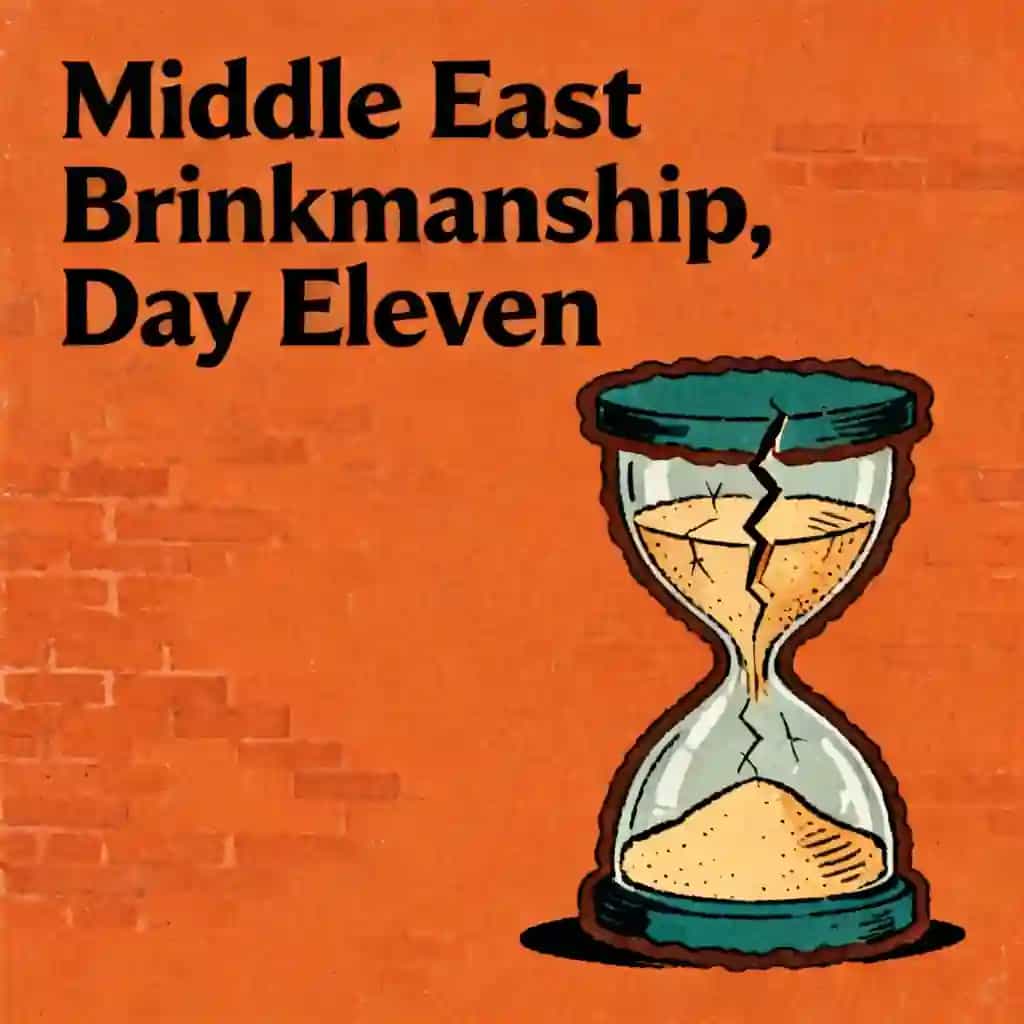
    Middle East Brinkmanship: Day 11 of Chaos
    Explore the most volatile day of the conflict yet as strikes intensify inside Iran, the Strait of Hormuz closes, and global oil markets teeter on the edge of collapse.
    18 min
    podcast cover
    Direct source: pca.st
    1 source
    Middle East Tensions and the Strait of Hormuz Crisis
    Global conflict is escalating as threats to energy security rise. Learn how military actions and diplomatic shifts are reshaping international risk.
    34 min
    book cover
    Destiny Disrupted
    Tamim Ansary
    A historical narrative of the Islamic world's impact on global events through Islamic eyes.
    9 min
    book cover
    A peace to end all peace
    David Fromkin
    A gripping account of how the Allies reshaped the Middle East after World War I, creating conflicts that persist today.
    10 min