Explore the intersection of massive deregulatory shifts, local ecological crises, and the interdisciplinary science driving the future of conservation.
Melhor citação de The Economics of Environmental Policy and Restoration
“
We are borrowing from the future every time we destroy a complex ecosystem. Even the best restoration is an attempt to pay back that debt, but the interest is high.
”
R
Generated by Rello
Pergunta de entrada
Environmental
Vozes dos apresentadores
Lena
Miles
Fontes de conhecimento
Perguntas frequentes
An ecoscape is a perspective on nature that moves past invisible boundaries, such as where a river ends and the ocean begins, to recognize that different environments are inextricably linked. This concept is vital for restoration because managing a single area in isolation—like a coastal mangrove—is often ineffective if one ignores connected issues like sediment runoff from upstream farms. Successful restoration requires looking at the entire interdisciplinary web of chemistry, biology, and law that connects land and sea.
While mass reforestation is often seen as a "silver bullet" for carbon capture, planting a monoculture of a single species can create a "green desert." These plantations lack the complex functional diversity of insects, birds, and soil microbiomes found in native forests. Research suggests that natural regeneration is often better for biodiversity than active planting, as it allows for the return of multiple taxa and functional diversity that active plantations often lack.
Climate-smart MSP is an evolution of traditional ocean planning that integrates ecosystem restoration and future climate projections into the management of human activities like fishing and wind farms. Instead of using static maps, it employs modeling to predict where habitats like "blue carbon" sinks or "climatic refugia" (areas resistant to warming) will be in the future. This proactive approach ensures that protected areas remain effective even as species migrate due to rising ocean temperatures.
According to economic modeling of the European power sector, a mix of renewables and "high-capture" CCS (which catches over 99 percent of emissions) is the most cost-effective path to net-zero by 2050. Relying 100 percent on renewables without CCS backup can cause costs to skyrocket due to the need to overbuild infrastructure for peak demand. However, the geography of carbon storage is a major factor, as countries without deep-sea storage access may face significantly higher costs to implement these systems.
Community-centered approaches are essential because restoration projects often fail if they do not align with the livelihoods and social goals of local people. Indigenous groups manage about a quarter of the world's land, and their Traditional Ecological Knowledge provides expert insight into how these specific ecosystems function. Shifting the culture from "plundering" to "healing" involves empowering local stewards—such as paying fishers to maintain the health of seagrass meadows rather than just for the fish they catch.
Criado por ex-alunos da Universidade de Columbia | em San Francisco
BeFreed Reúne Uma Comunidade Global De Mentes Curiosas
4.7
avaliação média
Mais de 7,84 mil avaliações do app
Comunidade BeFreed
Sério, eu ainda nem explorei o app por completo, mas só de usar nos últimos dias já fiquei impressionada… O BeFreed está em outro nível comparado a qualquer outro app de aprendizado que já usei. Ele prende demais a atenção e realmente melhora a concentração — ótimo para quem não larga o scroll!
@ladyInfinity
Comprei o BeFreed há exatamente 23 dias e uso todos os dias desde então. Ele se encaixou por completo na minha rotina de trabalho e nos meus hábitos de estudo.
@jayallen
A verdade é que o app superou todas as minhas expectativas. Posso pedir para gerar áudio sobre qualquer tema, seja qual for, e o resultado é impressionante. Minha área profissional é uma especialização em psicoterapia, bem multidisciplinar; mesmo assim, as respostas são muito precisas.
@Raguipa
O que eu mais valorizo é o quanto ele reduziu meu tempo de scroll: passo menos tempo procurando e mais tempo absorvendo informação. A combinação de audiolivros completos, podcasts e os planos de aprendizado é brilhante.
@colonyofcreatorsNGO
Sou instrutor de aprendizado acelerado PhotoReading há 24 anos… livros, leitura e aprendizado são a minha praia, e o BeFreed fez um ótimo trabalho ao trazer uma abordagem inovadora para entregar informação de um jeito fácil de consumir.
@BeFreed user
Não é só um app de resumo de livros: usei a opção de leitura divertida e é um resumo muito melhor, um jeito mais fácil de captar as ideias do que o tradicional. Só isso já vale o investimento.
@austinakon
Amo este app. Usei por vários dias e não consigo parar de ouvir. Um jeito ótimo de começar.
@jcrules328
Gosto muito do programa; já estou testando há cerca de um mês e sinto que é uma verdadeira joia. Funciona muito bem porque posso usar o BeFreed para criar meus próprios temas, e a voz é ótima, com opções ilimitadas de narração.
@DanielCZ
Sério, eu ainda nem explorei o app por completo, mas só de usar nos últimos dias já fiquei impressionada… O BeFreed está em outro nível comparado a qualquer outro app de aprendizado que já usei. Ele prende demais a atenção e realmente melhora a concentração — ótimo para quem não larga o scroll!
@ladyInfinity
Comprei o BeFreed há exatamente 23 dias e uso todos os dias desde então. Ele se encaixou por completo na minha rotina de trabalho e nos meus hábitos de estudo.
@jayallen
A verdade é que o app superou todas as minhas expectativas. Posso pedir para gerar áudio sobre qualquer tema, seja qual for, e o resultado é impressionante. Minha área profissional é uma especialização em psicoterapia, bem multidisciplinar; mesmo assim, as respostas são muito precisas.
@Raguipa
O que eu mais valorizo é o quanto ele reduziu meu tempo de scroll: passo menos tempo procurando e mais tempo absorvendo informação. A combinação de audiolivros completos, podcasts e os planos de aprendizado é brilhante.
@colonyofcreatorsNGO
Sou instrutor de aprendizado acelerado PhotoReading há 24 anos… livros, leitura e aprendizado são a minha praia, e o BeFreed fez um ótimo trabalho ao trazer uma abordagem inovadora para entregar informação de um jeito fácil de consumir.
@BeFreed user
Não é só um app de resumo de livros: usei a opção de leitura divertida e é um resumo muito melhor, um jeito mais fácil de captar as ideias do que o tradicional. Só isso já vale o investimento.
@austinakon
Amo este app. Usei por vários dias e não consigo parar de ouvir. Um jeito ótimo de começar.
@jcrules328
Gosto muito do programa; já estou testando há cerca de um mês e sinto que é uma verdadeira joia. Funciona muito bem porque posso usar o BeFreed para criar meus próprios temas, e a voz é ótima, com opções ilimitadas de narração.
@DanielCZ
Adoro poder receber informações e ideias úteis e condensadas em um áudio estilo podcast de 8 a 15 minutos. Não sou muito fã de podcasts por causa da enrolação, mas aqui vai direto ao ponto.
@BeFreed user
Estou terminando meu doutorado e preciso ler muito material desconhecido… Com o BeFreed, você só digita um prompt e o app encontra as fontes e gera um podcast em áudio. Acho o processo do BeFreed mais fluido que o do NotebookLM.
@Brad
Costumo procurar no YouTube algo para ouvir enquanto preparo o café da manhã, caminho ou me desloco, e o BeFreed oferece uma abordagem ainda mais certeira, sem anúncios e sem enrolação!
@BeFreed user
A melhor coisa desta plataforma é a versatilidade. Literalmente nenhum assunto fica de fora. Ela dá conta de tudo o que você mandar… É raro encontrar uma ferramenta de aprendizado sem limitações que realmente cumpre o que promete.
@jayallen
O BeFreed é fantástico. O design intuitivo faz com que eu passe menos tempo navegando e mais tempo aprendendo. A mistura de audiolivros, podcasts e planos de aprendizado é uma combinação genial que mudou completamente a minha rotina.
@BeFreed user
No começo, levei um tempo para entender como criar podcasts em italiano e… boom! É incrível! Posso pedir para explicar qualquer assunto e ele explica super bem, com muita inteligência!
@matteo77
O BeFreed virou meu app diário de audiolivros… O que eu mais gosto é que você coloca o seu texto e recebe um áudio para ouvir em qualquer lugar.
@kotanzu1
Adoro poder receber informações e ideias úteis e condensadas em um áudio estilo podcast de 8 a 15 minutos. Não sou muito fã de podcasts por causa da enrolação, mas aqui vai direto ao ponto.
@BeFreed user
Estou terminando meu doutorado e preciso ler muito material desconhecido… Com o BeFreed, você só digita um prompt e o app encontra as fontes e gera um podcast em áudio. Acho o processo do BeFreed mais fluido que o do NotebookLM.
@Brad
Costumo procurar no YouTube algo para ouvir enquanto preparo o café da manhã, caminho ou me desloco, e o BeFreed oferece uma abordagem ainda mais certeira, sem anúncios e sem enrolação!
@BeFreed user
A melhor coisa desta plataforma é a versatilidade. Literalmente nenhum assunto fica de fora. Ela dá conta de tudo o que você mandar… É raro encontrar uma ferramenta de aprendizado sem limitações que realmente cumpre o que promete.
@jayallen
O BeFreed é fantástico. O design intuitivo faz com que eu passe menos tempo navegando e mais tempo aprendendo. A mistura de audiolivros, podcasts e planos de aprendizado é uma combinação genial que mudou completamente a minha rotina.
@BeFreed user
No começo, levei um tempo para entender como criar podcasts em italiano e… boom! É incrível! Posso pedir para explicar qualquer assunto e ele explica super bem, com muita inteligência!
@matteo77
O BeFreed virou meu app diário de audiolivros… O que eu mais gosto é que você coloca o seu texto e recebe um áudio para ouvir em qualquer lugar.
Struggling to balance time, money, and energy? Learn how constrained optimization and trade-offs shape every decision you make and the world around you.
From ancient household management to global systems, explore how economies actually work, why growth obsession dominates, and what the data really tells us about inequality and sustainability.
Discover why economic policy isn't about rational self-interest-it's about competing values and visions of society. Explore fascinating research on how our deepest beliefs drive everything from tax preferences to climate action.
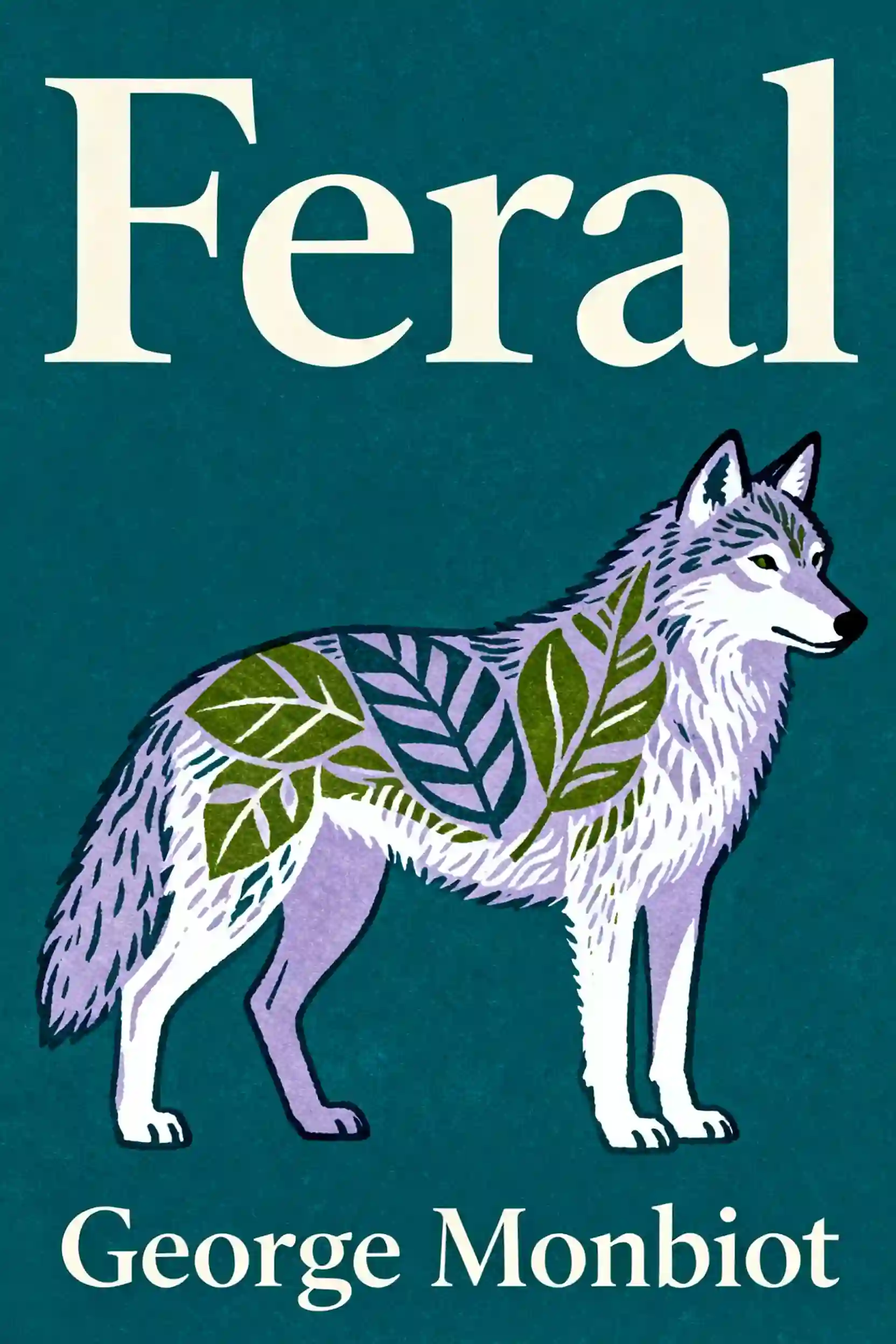
Explore the nuts and bolts of rewilding through real success stories-from Welsh beaver reintroductions to Australian soil restoration. Discover practical steps, economic incentives, and proven strategies for healing landscapes.
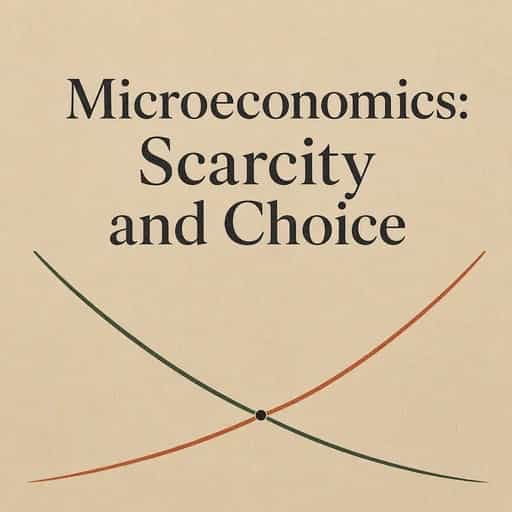
Why do prices change so fast? Learn how individual choices and supply and demand shape the markets we use every day to make better financial decisions.