How to Build Good Habits: Science-Based Strategies for Success
Learn how to build good habits using science-based strategies for behavior change. Master habit formation and daily routines to boost your productivity today.

Melhor citação de How to Build Good Habits: Science-Based Strategies for Success
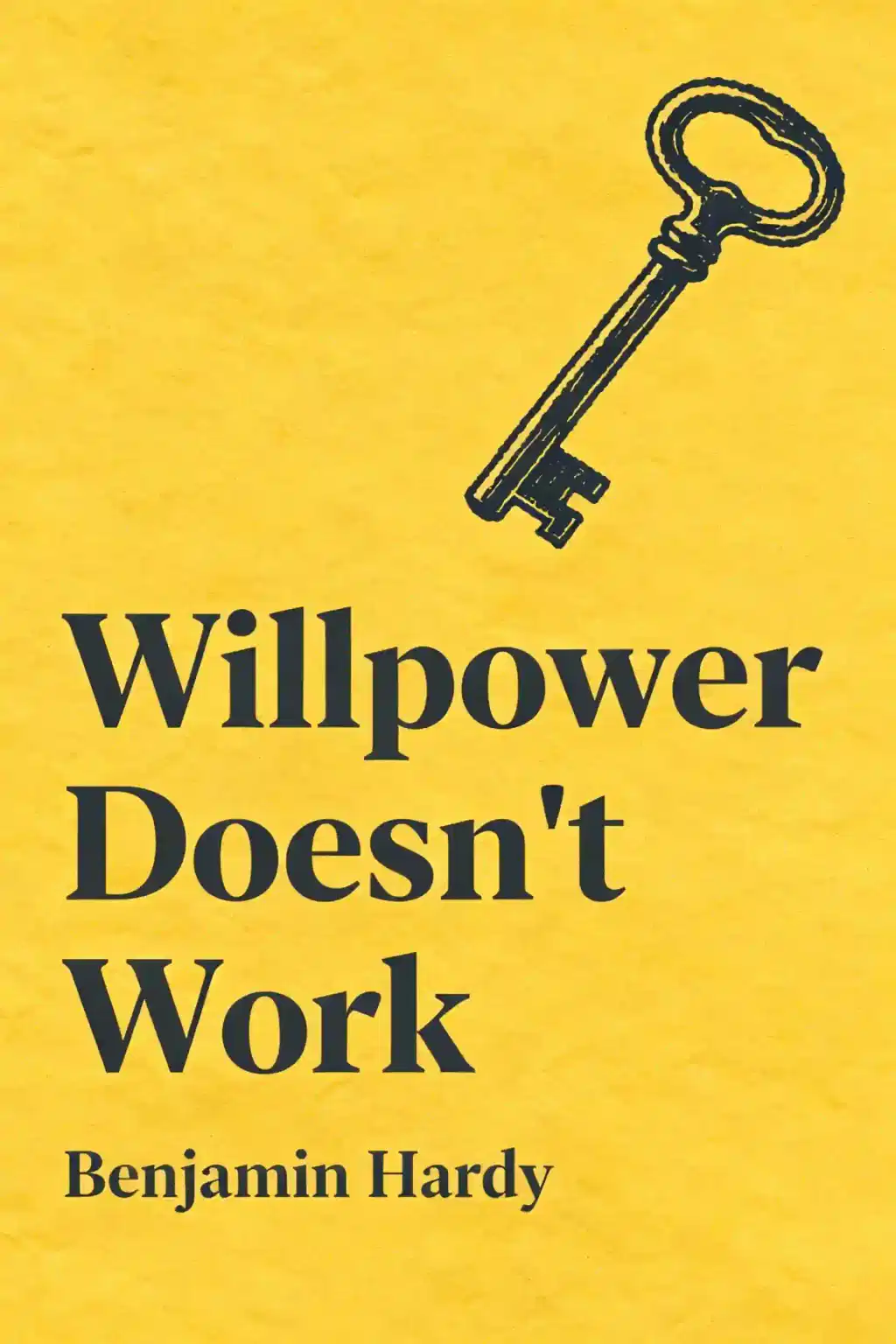
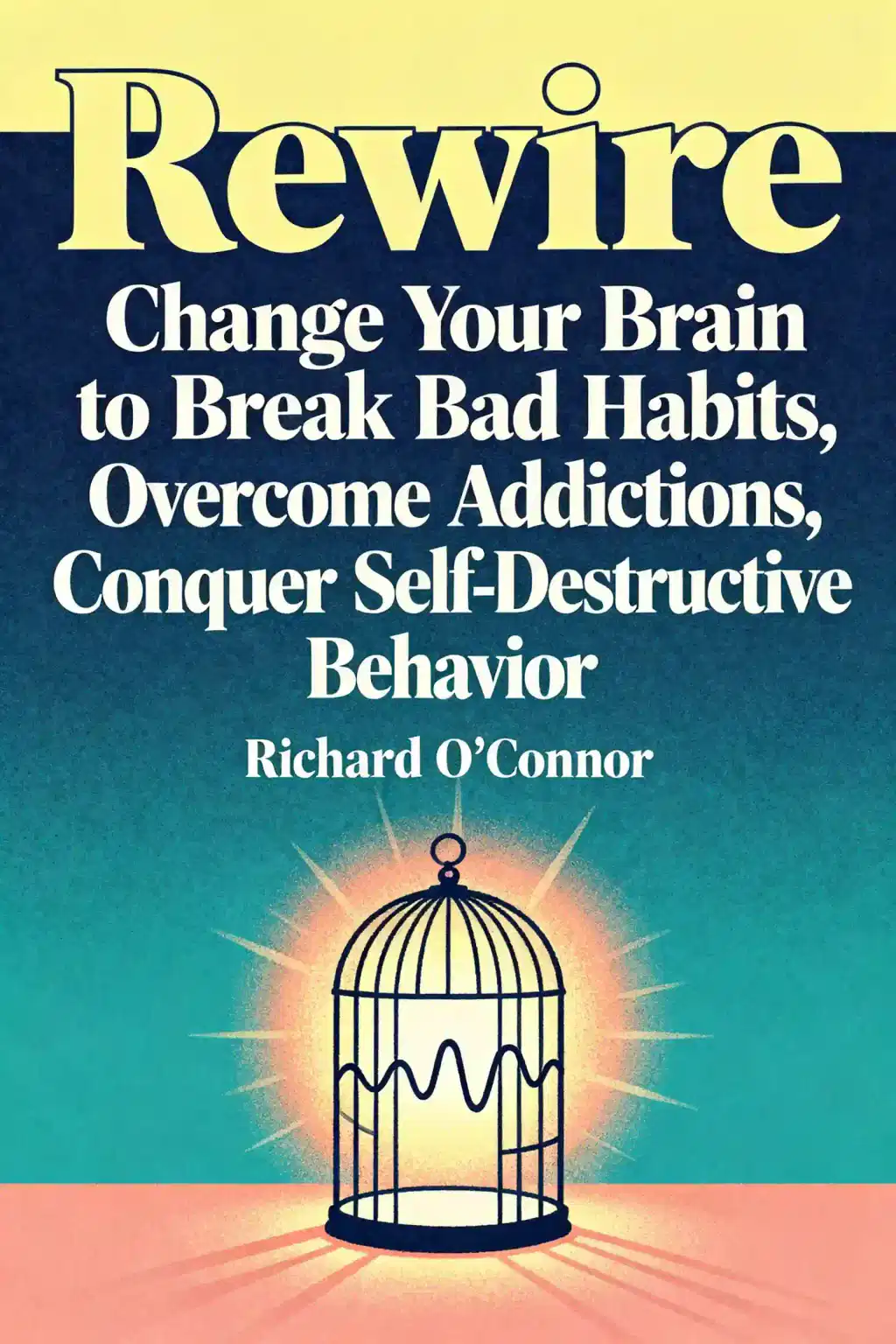
When you try to use willpower to stop a habit, you are essentially asking your tired, easily fatigued prefrontal cortex to get into a wrestling match with the deep-seated, automatic scripts running in your basal ganglia. In a moment of stress or exhaustion, the prefrontal cortex almost always loses.

Esta aula em áudio foi criada por um membro da comunidade BeFreed
How to Build Good Habits

Perguntas frequentes
The most effective way to start building good habits is to focus on small, manageable changes rather than radical transformations. By utilizing habit formation techniques like those found in Atomic Habits, you can integrate new behaviors into your daily routine without feeling overwhelmed. Consistency is key in behavior change, so starting small ensures you can maintain the habit long enough for it to become an automatic part of your lifestyle.
Habit formation is a unique process for everyone, but science-based strategies suggest that consistency is more important than a specific number of days. While many people cite 21 days, research into behavior change shows it can take longer depending on the complexity of the daily routine you are trying to establish. Focusing on self-improvement and repeating the action in a stable context helps the brain automate the new behavior more efficiently.
You can improve your productivity by aligning your daily routine with proven behavior change principles. This involves identifying triggers that lead to productive actions and removing friction that causes procrastination. By mastering the art of how to build good habits, you create a system where high-performance tasks become second nature, allowing you to achieve more with less mental effort and sustained focus throughout the day.
Descubra mais

Build Habits That Actually Stick
Despite good intentions, 80% of New Year's resolutions fail by February because most people don't understand how habits actually form in the brain. This learning plan provides science-backed frameworks to design sustainable habit systems that align with your identity and environment, making behavior change automatic rather than exhausting.

How to build habits.
In an era of constant distraction, mastering behavior architecture is the ultimate competitive advantage. This plan is designed for professionals and individuals seeking to replace friction with flow by leveraging neuroscience and systematic design.

The Habit Architect: Building Unbreakable Systems
In an era of constant distraction, the ability to engineer your own behavior is a superpower. This plan is designed for professionals and high-achievers who want to move beyond willpower by building systems that make success inevitable.

The Psychology of Habitual Fitness
This plan is essential for anyone who struggles with consistency or relies solely on fleeting willpower to stay active. It bridges the gap between biological impulses and long-term goals, making it ideal for busy professionals or beginners looking to build a sustainable fitness identity.

Build discipline and stick to goals
This plan is designed for individuals who struggle with consistency and want to move beyond fleeting motivation. It offers a systematic approach to self-control by combining psychological insights with practical environmental design, making it ideal for anyone seeking professional or personal excellence.

Hack Your Habit Loop
This plan is essential for anyone struggling with procrastination or inconsistent routines. It provides a scientific framework to dismantle bad habits and replace them with sustainable, high-performance behaviors through precise psychological triggers.

The Science of Staying Steady
This learning plan is designed for high achievers who struggle with consistency after the initial excitement of a new goal wears off. It provides a scientific framework for moving beyond willpower by focusing on environmental design, neurological endurance, and identity-based change.

Build discipline without motivation
This plan is essential for high-achievers who struggle with consistency and want to move beyond the cycle of temporary motivation. It is designed for anyone looking to bridge the gap between intention and action using science, systems, and ancient wisdom.
Criado por ex-alunos da Universidade de Columbia em San Francisco
"Instead of endless scrolling, I just hit play on BeFreed. It saves me so much time."


"I never knew where to start with nonfiction—BeFreed’s book lists turned into podcasts gave me a clear path."


"Perfect balance between learning and entertainment. Finished ‘Thinking, Fast and Slow’ on my commute this week."
"Crazy how much I learned while walking the dog. BeFreed = small habits → big gains."
"Reading used to feel like a chore. Now it’s just part of my lifestyle."

"Feels effortless compared to reading. I’ve finished 6 books this month already."
"BeFreed turned my guilty doomscrolling into something that feels productive and inspiring."

"BeFreed turned my commute into learning time. 20-min podcasts are perfect for finishing books I never had time for."
"BeFreed replaced my podcast queue. Imagine Spotify for books — that’s it. 🙌"

"It is great for me to learn something from the book without reading it."
"The themed book list podcasts help me connect ideas across authors—like a guided audio journey."
"Makes me feel smarter every time before going to work"
Criado por ex-alunos da Universidade de Columbia em San Francisco
"Instead of endless scrolling, I just hit play on BeFreed. It saves me so much time."
"I never knew where to start with nonfiction—BeFreed’s book lists turned into podcasts gave me a clear path."
"Perfect balance between learning and entertainment. Finished ‘Thinking, Fast and Slow’ on my commute this week."
"Crazy how much I learned while walking the dog. BeFreed = small habits → big gains."
"Reading used to feel like a chore. Now it’s just part of my lifestyle."
"Feels effortless compared to reading. I’ve finished 6 books this month already."
"BeFreed turned my guilty doomscrolling into something that feels productive and inspiring."
"BeFreed turned my commute into learning time. 20-min podcasts are perfect for finishing books I never had time for."
"BeFreed replaced my podcast queue. Imagine Spotify for books — that’s it. 🙌"
"It is great for me to learn something from the book without reading it."
"The themed book list podcasts help me connect ideas across authors—like a guided audio journey."
"Makes me feel smarter every time before going to work"
"Instead of endless scrolling, I just hit play on BeFreed. It saves me so much time."
"I never knew where to start with nonfiction—BeFreed’s book lists turned into podcasts gave me a clear path."
"Perfect balance between learning and entertainment. Finished ‘Thinking, Fast and Slow’ on my commute this week."
"Crazy how much I learned while walking the dog. BeFreed = small habits → big gains."
"Reading used to feel like a chore. Now it’s just part of my lifestyle."
"Feels effortless compared to reading. I’ve finished 6 books this month already."
"BeFreed turned my guilty doomscrolling into something that feels productive and inspiring."
"BeFreed turned my commute into learning time. 20-min podcasts are perfect for finishing books I never had time for."
"BeFreed replaced my podcast queue. Imagine Spotify for books — that’s it. 🙌"
"It is great for me to learn something from the book without reading it."
"The themed book list podcasts help me connect ideas across authors—like a guided audio journey."
"Makes me feel smarter every time before going to work"
"Instead of endless scrolling, I just hit play on BeFreed. It saves me so much time."
"I never knew where to start with nonfiction—BeFreed’s book lists turned into podcasts gave me a clear path."
"Perfect balance between learning and entertainment. Finished ‘Thinking, Fast and Slow’ on my commute this week."
"Crazy how much I learned while walking the dog. BeFreed = small habits → big gains."
"Reading used to feel like a chore. Now it’s just part of my lifestyle."
"Feels effortless compared to reading. I’ve finished 6 books this month already."
"BeFreed turned my guilty doomscrolling into something that feels productive and inspiring."
"BeFreed turned my commute into learning time. 20-min podcasts are perfect for finishing books I never had time for."
"BeFreed replaced my podcast queue. Imagine Spotify for books — that’s it. 🙌"
"It is great for me to learn something from the book without reading it."
"The themed book list podcasts help me connect ideas across authors—like a guided audio journey."
"Makes me feel smarter every time before going to work"