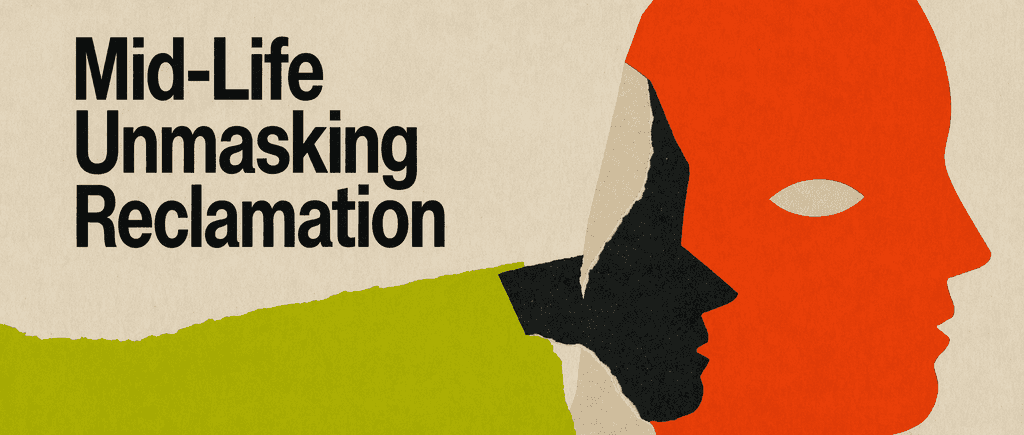
Beyond the 'Dude' Label: Navigating Family Gatherings
Stop being the family educator and start protecting your peace. Learn somatic tools and proven scripts to handle misgendering and reclaim your identity during holiday dinners without the burnout.

Melhor citação de Beyond the 'Dude' Label: Navigating Family Gatherings
Your personal safety is paramount, and you aren't 'less valid' as a gender-fluid person just because you choose to stay under the radar for your own protection. Sometimes the boundary is simply choosing who gets access to the real you.
Generated by Sohana
How to talk with relatives and they don't think I am dude or something like that

Perguntas frequentes
While you can choose to share your experience, research suggests that "preaching" or lecturing can often backfire by triggering "reactance," which strengthens a person's opposing beliefs. Instead of acting as a formal educator or advocate, the script suggests shifting the energy to being a family member who wants to be close. You can lead with "good news" by framing your identity as a discovery that brings you joy, which invites curiosity rather than defensiveness. If the conversation becomes too academic or taxing, you are encouraged to use a "resource pack" of links to organizations like The Trevor Project or PFLAG so they can do their own homework.
Personal safety is paramount and non-negotiable. If you believe that sharing your identity or pushing back on gendered language will result in physical, emotional, or financial harm, it is perfectly valid to stay "under the radar." Choosing not to share does not make your identity any less real or valid. Boundaries are a form of self-respect, and you have the right to decide who gets access to the most authentic version of you based on your own instincts and safety check.
The best approach is to use plain language and relatable metaphors rather than academic jargon. You might describe gender as being like "seasons" or "shifting tides" to show that change is a natural part of a whole. Another effective method is to compare it to personality traits—such as being shy in one context and outgoing in another—to explain how different sides of the same person can be expressed at different times. The goal is to help them understand that while your internal "map" has changed, you are still the same person they have always known.
It is helpful to distinguish between a "slip-up" (an accidental mistake) and "sabotage" (intentional disrespect). For genuine mistakes, the most effective response is a "Quick Correction and Move On." You can provide a brief nudge, such as "Actually, I’m using they/them now," and then immediately continue the conversation. This prevents the situation from becoming a moment where you have to perform emotional labor by comforting the relative for their mistake. If someone struggles with pronouns specifically, you can suggest they use your name instead as an intermediate step.
"I" statements are tools used to keep the focus on your own feelings and needs, which reduces the likelihood of the other person becoming defensive. Instead of accusing someone by saying "You always misgender me," an "I" statement would be: "I feel hurt when my pronouns aren't respected" or "I need to feel seen in this family." This approach frames your identity as a statement of fact regarding your internal experience rather than an attack on the other person's behavior, making it easier to set firm boundaries.
Criado por ex-alunos da Universidade de Columbia em San Francisco
"Instead of endless scrolling, I just hit play on BeFreed. It saves me so much time."


"I never knew where to start with nonfiction—BeFreed’s book lists turned into podcasts gave me a clear path."


"Perfect balance between learning and entertainment. Finished ‘Thinking, Fast and Slow’ on my commute this week."
"Crazy how much I learned while walking the dog. BeFreed = small habits → big gains."
"Reading used to feel like a chore. Now it’s just part of my lifestyle."

"Feels effortless compared to reading. I’ve finished 6 books this month already."
"BeFreed turned my guilty doomscrolling into something that feels productive and inspiring."

"BeFreed turned my commute into learning time. 20-min podcasts are perfect for finishing books I never had time for."
"BeFreed replaced my podcast queue. Imagine Spotify for books — that’s it. 🙌"

"It is great for me to learn something from the book without reading it."
"The themed book list podcasts help me connect ideas across authors—like a guided audio journey."
"Makes me feel smarter every time before going to work"
Criado por ex-alunos da Universidade de Columbia em San Francisco
"Instead of endless scrolling, I just hit play on BeFreed. It saves me so much time."
"I never knew where to start with nonfiction—BeFreed’s book lists turned into podcasts gave me a clear path."
"Perfect balance between learning and entertainment. Finished ‘Thinking, Fast and Slow’ on my commute this week."
"Crazy how much I learned while walking the dog. BeFreed = small habits → big gains."
"Reading used to feel like a chore. Now it’s just part of my lifestyle."
"Feels effortless compared to reading. I’ve finished 6 books this month already."
"BeFreed turned my guilty doomscrolling into something that feels productive and inspiring."
"BeFreed turned my commute into learning time. 20-min podcasts are perfect for finishing books I never had time for."
"BeFreed replaced my podcast queue. Imagine Spotify for books — that’s it. 🙌"
"It is great for me to learn something from the book without reading it."
"The themed book list podcasts help me connect ideas across authors—like a guided audio journey."
"Makes me feel smarter every time before going to work"
"Instead of endless scrolling, I just hit play on BeFreed. It saves me so much time."
"I never knew where to start with nonfiction—BeFreed’s book lists turned into podcasts gave me a clear path."
"Perfect balance between learning and entertainment. Finished ‘Thinking, Fast and Slow’ on my commute this week."
"Crazy how much I learned while walking the dog. BeFreed = small habits → big gains."
"Reading used to feel like a chore. Now it’s just part of my lifestyle."
"Feels effortless compared to reading. I’ve finished 6 books this month already."
"BeFreed turned my guilty doomscrolling into something that feels productive and inspiring."
"BeFreed turned my commute into learning time. 20-min podcasts are perfect for finishing books I never had time for."
"BeFreed replaced my podcast queue. Imagine Spotify for books — that’s it. 🙌"
"It is great for me to learn something from the book without reading it."
"The themed book list podcasts help me connect ideas across authors—like a guided audio journey."
"Makes me feel smarter every time before going to work"
"Instead of endless scrolling, I just hit play on BeFreed. It saves me so much time."
"I never knew where to start with nonfiction—BeFreed’s book lists turned into podcasts gave me a clear path."
"Perfect balance between learning and entertainment. Finished ‘Thinking, Fast and Slow’ on my commute this week."
"Crazy how much I learned while walking the dog. BeFreed = small habits → big gains."
"Reading used to feel like a chore. Now it’s just part of my lifestyle."
"Feels effortless compared to reading. I’ve finished 6 books this month already."
"BeFreed turned my guilty doomscrolling into something that feels productive and inspiring."
"BeFreed turned my commute into learning time. 20-min podcasts are perfect for finishing books I never had time for."
"BeFreed replaced my podcast queue. Imagine Spotify for books — that’s it. 🙌"
"It is great for me to learn something from the book without reading it."
"The themed book list podcasts help me connect ideas across authors—like a guided audio journey."
"Makes me feel smarter every time before going to work"