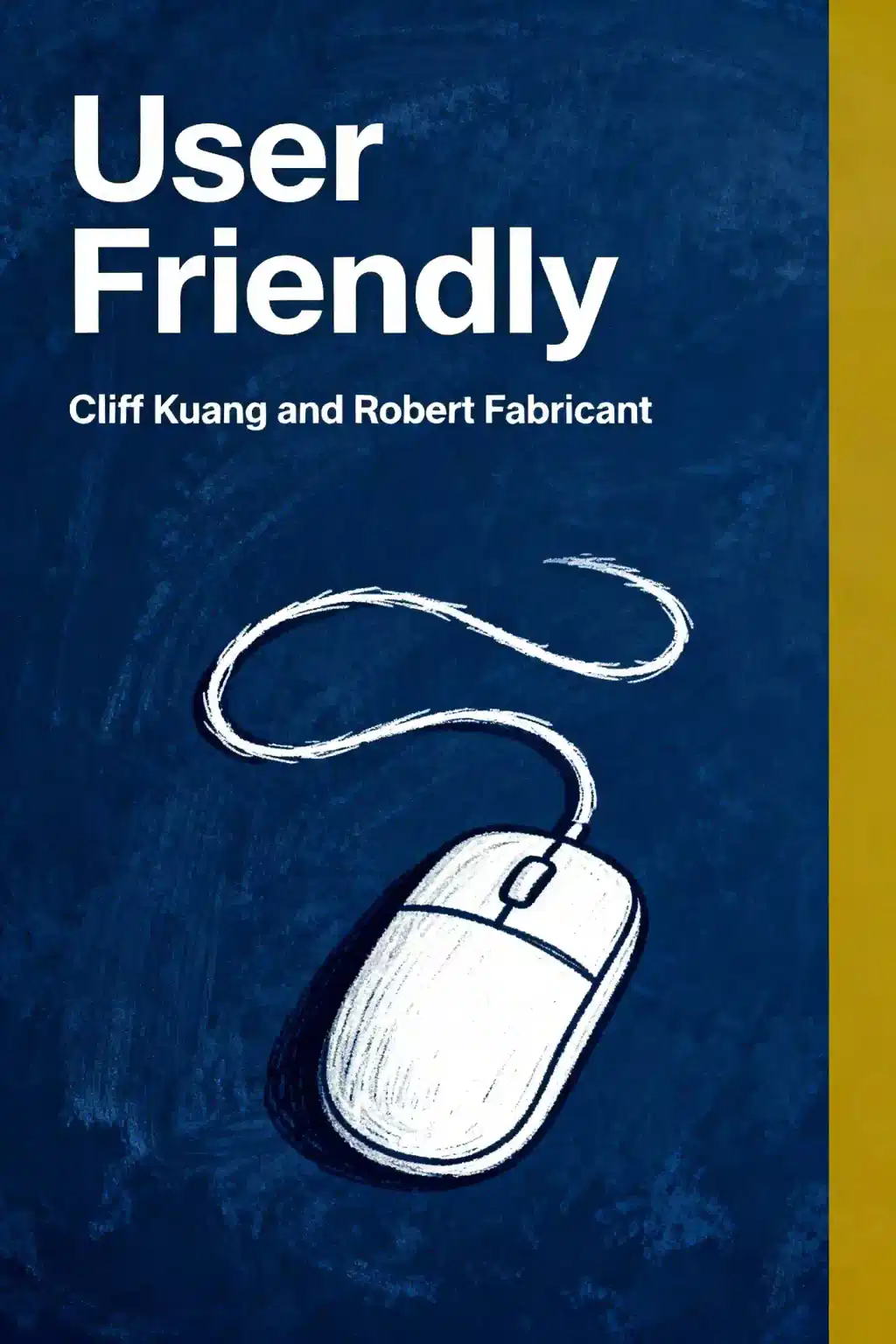
User Friendly: Como o design invisível está mudando o modo como vivemos e trabalhamos
Como as Regras Ocultas do Design Estão Mudando a Maneira Como Vivemos, Trabalhamos e nos Divertimos
Visão geral de User Friendly: Como o design invisível está mudando o modo como vivemos e trabalhamos
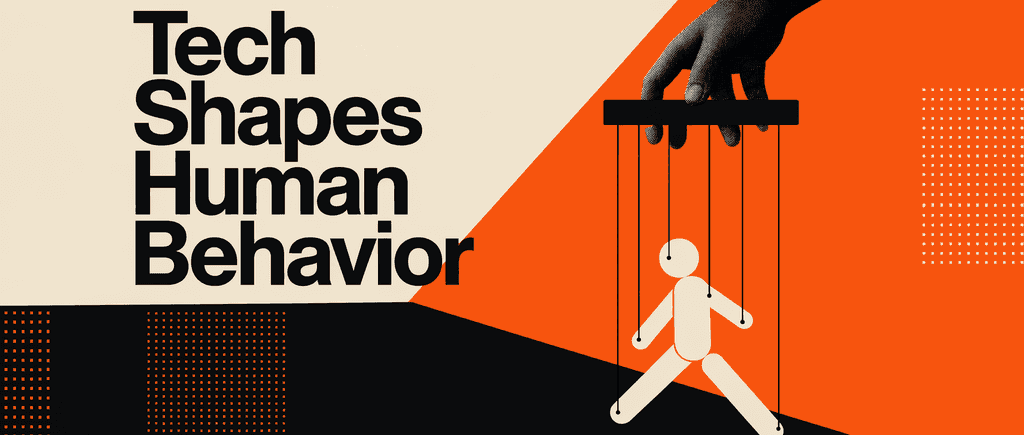
"User Friendly" revela como o design molda invisivelmente as nossas vidas, traçando a experiência do utilizador (UX) desde o feminismo dos anos 1920 até à ascensão de Silicon Valley. Um texto fundamental para compreender a nossa relação com a tecnologia, desafia os designers a criarem produtos que priorizem o bem-estar humano em vez de interfaces viciantes.
Temas principais em User Friendly: Como o design invisível está mudando o modo como vivemos e trabalhamos
- human-centered design
- user experience history
- error-tolerant systems
- machine-human interaction
- cognitive psychology application
Citações de User Friendly: Como o design invisível está mudando o modo como vivemos e trabalhamos
Critical information was "squirreled away out of sight."
Humans might make errors, but they aren't wrong.
Certain combinations of color, light, and line would bring a wave of applause.
Why not use man as the starting point for all design?
The toll was counted in lives lost when technology stopped making sense.
Personagens de User Friendly: Como o design invisível está mudando o modo como vivemos e trabalhamos
- Henry DreyfussIndustrial designer who pioneered human-centered design
- Donald NormanCognitive scientist who coined 'user experience'
- Christine FrederickHome economist who applied scientific management to housework
- Fred ScheimannNuclear facility worker during the Three Mile Island crisis
Baixar resumo de User Friendly: Como o design invisível está mudando o modo como vivemos e trabalhamos
Obtenha o resumo de User Friendly: Como o design invisível está mudando o modo como vivemos e trabalhamos como PDF ou EPUB gratuito. Imprima ou leia offline a qualquer momento.