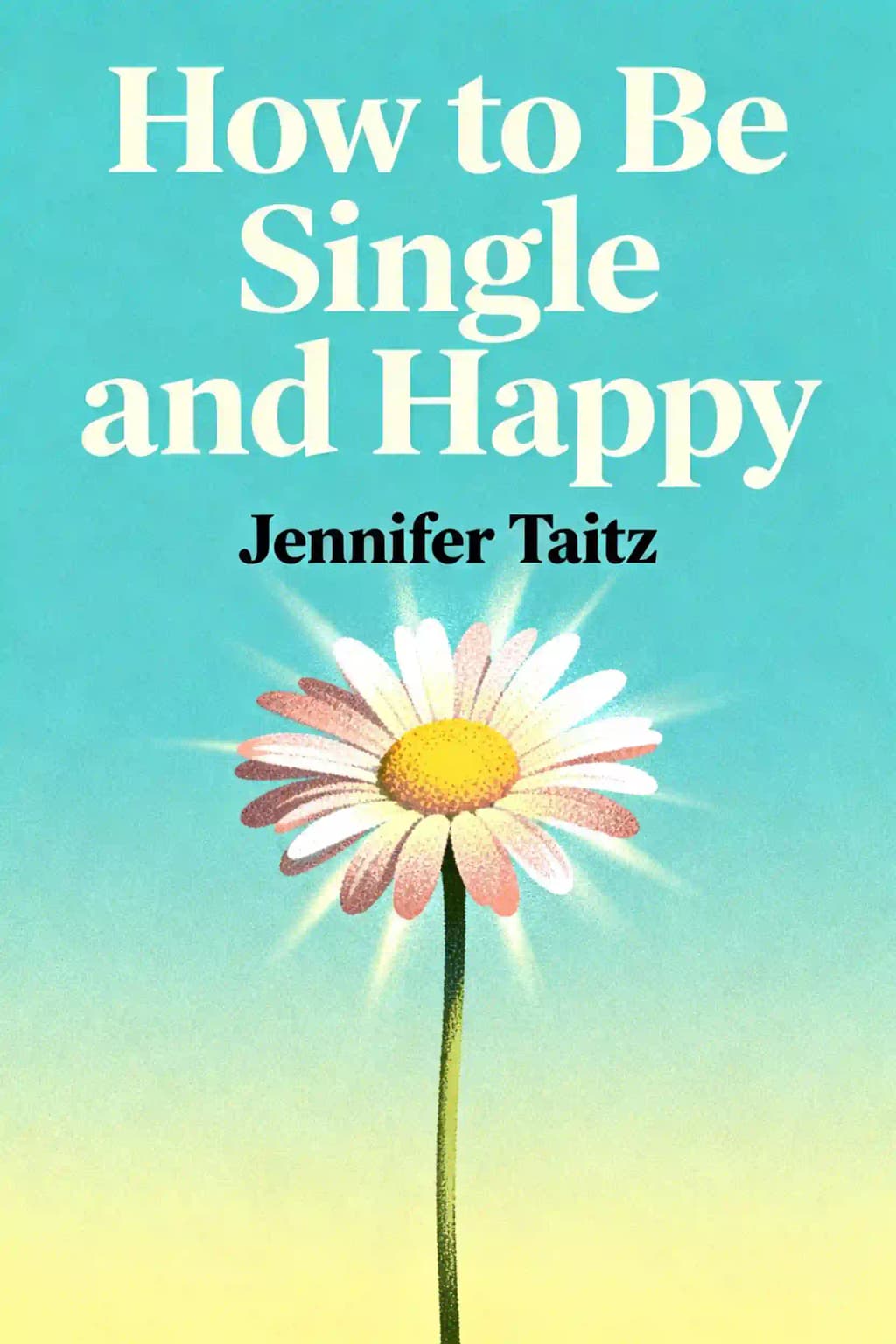
How to be single and happy
science-based strategies for keeping your sanity while looking for a soul mate
Visão geral de How to be single and happy
Psychologist Jennifer Taitz's guide shatters the "happily ever after" myth, using cognitive behavioral therapy to transform singlehood from waiting room to wonderland. What if finding yourself - not a partner - is the key to happiness modern psychology confirms?

Temas principais em How to be single and happy
- relationship status mindset
- affective forecasting errors
- rumination recovery
- hedonic treadmill theory
- intentional happiness
Citações de How to be single and happy
The belief that happiness depends on finding a romantic partner not only makes finding love harder-it guarantees unhappiness.
Our mindsets powerfully impact our reality.
Obsessive overthinking about being single can hijack your peace of mind.
Regret can consume us when we blame ourselves for past relationship decisions.
Personagens de How to be single and happy
- Jennifer TaitzAuthor and clinical psychologist
- JulianaCase study who found happiness after divorce
- Sonja LyubomirskyPositive psychologist researching happiness
- Susan Nolen-HoeksemaProfessor researching rumination and depression
Baixar resumo de How to be single and happy
Obtenha o resumo de How to be single and happy como PDF ou EPUB gratuito. Imprima ou leia offline a qualquer momento.
Perguntas Frequentes Sobre Este Livro
How to Be Single and Happy is a science-based guide offering strategies to cultivate contentment and emotional resilience while single. Drawing on cognitive behavioral therapy (CBT) and dialectical behavior therapy (DBT), Dr. Taitz provides tools like mindfulness, self-compassion, and values alignment to combat loneliness, overanalyzing relationships, and societal pressures. The book emphasizes that happiness is independent of relationship status and includes actionable steps to build a fulfilling life.
This book is ideal for single individuals seeking to reframe loneliness, those anxious about dating, or anyone prioritizing emotional well-being. It’s also valuable for readers interested in evidence-based psychology, as Dr. Taitz blends clinical expertise with relatable anecdotes. Fans of self-help books like The Subtle Art of Not Giving a Fck* or Daring Greatly will appreciate its practical focus.
Yes—the book is a Forbes and Women’s Health recommended read, praised for its research-backed approach and inclusivity across ages, sexualities, and identities. Readers report reduced anxiety and improved self-worth after applying its mindfulness exercises and judgment-reduction techniques.
Key ideas include:
- Mindfulness: Observing emotions without judgment to break negative thought cycles.
- Values-Based Living: Aligning actions with personal goals (e.g., creativity, community) rather than societal expectations.
- Self-Compassion: Replacing self-criticism with kindness during dating setbacks.
- Emotional Resilience: Building skills to navigate loneliness and uncertainty.
Dr. Taitz challenges myths like “singlehood equals failure” and provides scripts to handle intrusive questions about relationship status. She encourages readers to redefine success on their own terms, using exercises to identify and reject unhelpful cultural narratives.
The “worry paradox” refers to how fixating on finding a partner drains mental energy and hinders meaningful connections. Dr. Taitz explains that anxiety about being single often leads to impulsive decisions, and she offers CBT techniques to interrupt this cycle.
Yes—the book advocates for “values-driven dating,” where actions align with self-respect rather than desperation. It includes tips for setting boundaries, avoiding overanalysis, and staying present during dates. Dr. Taitz also debunks common dating myths, like “playing hard to get.”
Unlike generic advice, How to Be Single and Happy integrates clinical psychology frameworks like CBT and DBT. It avoids platitudes (e.g., “love yourself first”) in favor of structured exercises, such as emotion-tracking journals and mindfulness meditations.
Mindfulness is central to managing emotions like loneliness or regret. Dr. Taitz teaches readers to observe feelings without reaction, which reduces rumination and fosters acceptance. Practices include body scans, breath-focused meditation, and nonjudgmental self-talk.
Some reviewers note the book focuses more on individual mindset shifts than systemic issues (e.g., dating app algorithms or societal stigma). However, most praise its actionable strategies and compassionate tone, with one reader calling it “an anchor lifted from my chest.”
As a UCLA-affiliated psychologist board-certified in CBT and DBT, Dr. Taitz merges clinical rigor with accessibility. Her experience treating anxiety and emotional dysregulation shines through in the book’s structured yet empathetic approach.
Absolutely—the emotional regulation skills apply broadly to stress management, career challenges, and self-esteem. Readers cite benefits like reduced emotional eating and improved relationships with friends/family.