Capítulo 1
The Hidden Dangers on Your Plate: Exposing Food Industry Deception
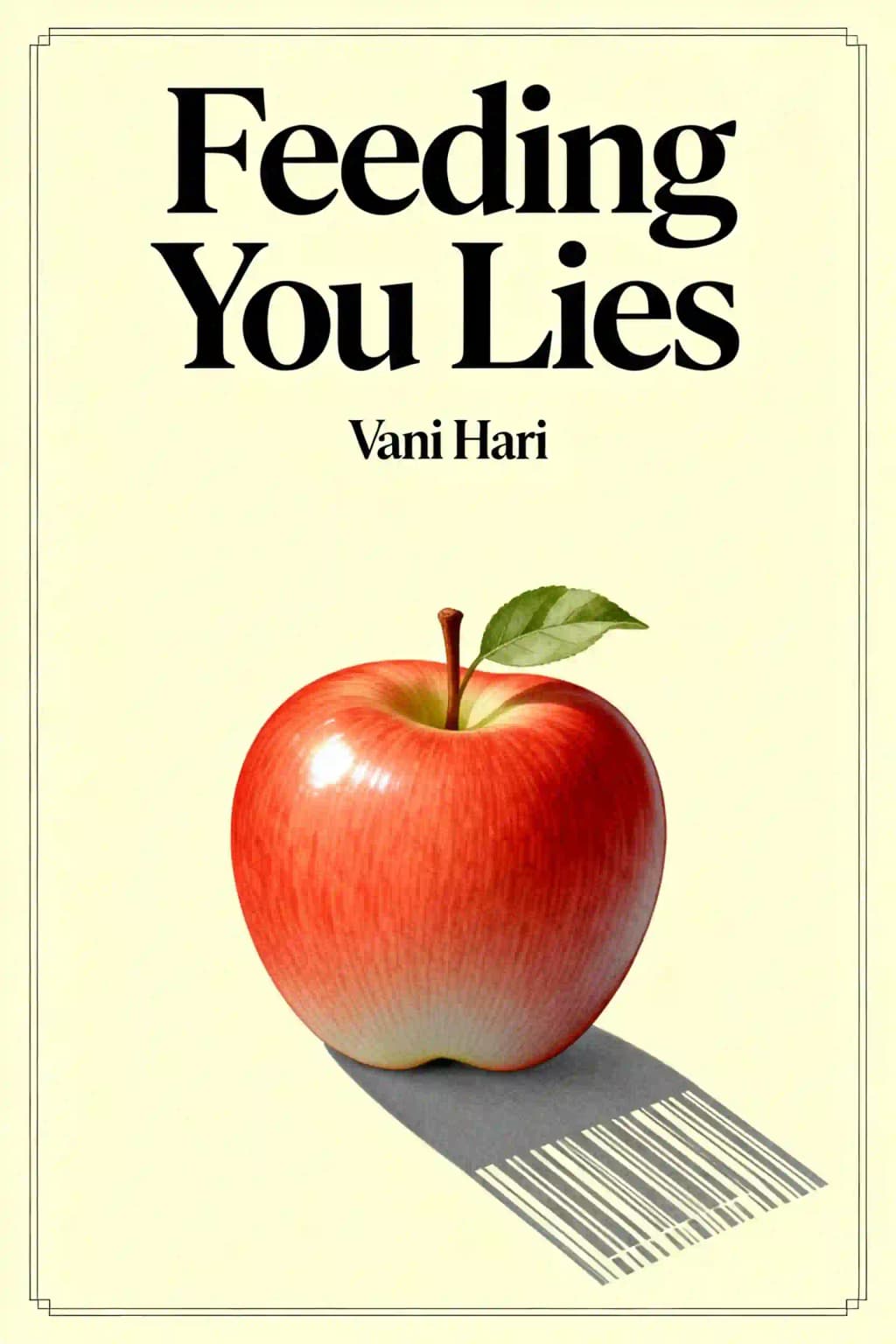
Have you ever wondered why the same Doritos that contain artificial colors in America use natural paprika extract in the UK? Or why McDonald's fries in London have just four simple ingredients while the US version requires 19, including mysterious "natural beef flavor" and dimethylpolysiloxane? These aren't random differences but deliberate choices by food manufacturers who sell Americans products containing ingredients banned in other countries. Vani Hari, known as "Food Babe," discovered this disturbing reality after her own health crisis at age 22 led her to investigate what's really in our food. Her investigations have forced major corporations like Subway, Kraft, and Starbucks to remove harmful ingredients from their products, making her both a hero to consumers and, according to The New York Times, "Public Enemy No. 1 of big food companies." Through meticulous research and fearless activism, Hari has created a movement that's changing how Americans think about food, earning her recognition from Time magazine as one of the "Most Influential People on the Internet" while facing vicious industry-backed attacks designed to silence her voice.
Capítulo 2
The Puppet Masters: How Big Food Controls the Conversation
Remember those delicious Fig Newtons from your childhood? Originally created in 1891 as digestive aids, today's versions contain multiple forms of sugar, heavily processed oils, artificial flavors, and synthetic dyes that require warning labels in Europe. This transformation from health food to chemical cocktail exemplifies how the food industry prioritizes profits over health, spending millions to convince consumers their products aren't causing widespread health problems.
To maintain this deception, food companies create seemingly independent "front groups" with grassroots-sounding names to spread industry-favorable information while hiding their corporate connections. These organizations follow a predictable pattern: corporations funnel money through foundations to establish supposedly independent groups that create websites, train "experts" (often strategically recruiting mothers), and place these messengers in media without disclosing industry ties. Just four food and chemical trade associations spent over $500 million in a five-year period on these propaganda efforts.
Key industry front groups include the American Council on Science and Health (funded by Bayer, McDonald's, Coca-Cola, and Monsanto despite claiming independence), the Cornell Alliance for Science (essentially the PR arm for agrochemical companies), and the Center for Food Integrity (spending over $23 million between 2012-2016 pushing member agendas). These groups work alongside traditional trade associations like the Calorie Control Council, Sugar Association, and Grocery Manufacturers Association that openly represent industry interests through lobbying, political donations, and advertising.
Since consumers distrust information directly from industry, food companies strategically work with university scientists who appear independent. Under the guise of "science outreach," these academics spread industry talking points while maintaining the appearance of scientific objectivity. The Food Babe's personal experience with Dr. Kevin Folta illustrates this dynamic perfectly. Despite claiming independence, Folta viciously attacked her work while secretly receiving $25,000 from Monsanto. His industry connections were only revealed through Freedom of Information Act requests that exposed his communications with Monsanto, demonstrating how academics can serve as industry puppets while publicly denying any relationship.
Research funded by food manufacturers is dramatically biased toward favorable outcomes. Studies show that beverage industry-funded research is four to eight times more likely to produce industry-favorable conclusions than independent studies. These biased findings influence governmental guidelines and FDA decisions. As nutrition professor Marion Nestle explains, corporate funding fundamentally discourages critical thinking-scientists who accept industry money often internalize sponsor values and design studies lacking rigorous controls.
Even our government actively promotes unhealthy foods. Tax dollars fund the "dairy checkoff" program where the USDA helps market dairy-laden fast food like Pizza Hut's 25% cheesier pizzas and McDonald's larger cheese slices. These unhealthy foods are promoted despite dairy's questionable health benefits and the fact that most American dairy contains hormones, antibiotics, and chemicals from stressed cows. The government's support of dairy illustrates how powerful lobbying shapes our food policies at the expense of public health.
Capítulo 3
The Misinformation Machine: Spreading Food Lies
Big Food doesn't just create lies about processed foods-they've mastered spreading these falsehoods through sophisticated means beyond traditional marketing. They manipulate media and pay "experts" to promote their products, as when Coca-Cola employed dozens of dietitians and nutritionists to write articles praising smaller soda cans as "healthy treats" without disclosing their financial relationship. The company even sponsored science journalism conferences to plant favorable stories that appeared in major news outlets.
The American Heart Association's "heart check" certification program exemplifies how health organizations help spread food industry lies. While some healthy foods earn certification, many sugar-laden, processed foods with harmful ingredients also receive the AHA seal. Products like Pepperidge Farm bread containing trans fats, artificially colored wraps, sugary soy milk, and processed deli meats all carry the heart-healthy certification despite research from Harvard showing these foods dramatically increase heart disease risk. Companies pay thousands for this seal, which the AHA's own research confirms helps sell products.
The controversy over coconut oil perfectly illustrates how nutritional guidance can be compromised. Despite coconut oil's documented benefits against heart disease, cancer, obesity, and diabetes, the AHA recommended inflammatory, heavily processed corn oil instead. A 2017 study in Nutrition Journal contradicted the AHA, showing that replacing saturated fats with polyunsaturated fats like corn oil doesn't reduce heart disease risk. The AHA's conclusions relied on cherry-picked studies, with the most recent from 1971-ancient by modern research standards. Their Presidential Advisory panel included members funded by drug companies making cholesterol pills, the Canola Oil Council, and Unilever-revealing major conflicts of interest.
The media landscape has also been corrupted by industry influence. After the Food Babe's viral expose of Starbucks' Pumpkin Spice Latte ingredients, critics emerged from nowhere, trolling her social media and sending hate mail. Major media outlets began quoting "experts" with undisclosed industry ties. NPR published a hit piece featuring critics like Kavin Senapathy-not a scientist but a GMO advocate with connections to Monsanto-who co-wrote a book called "The Fear Babe." Another critic, Dr. Kevin Folta, claimed to be an "independent scientist" while receiving funding from numerous agricultural industry groups including Bayer (who acquired Monsanto).
The industry employs "astroturfing"-hiring groups to leave comments online that appear to be grassroots movements supporting their position. When the Food Babe appeared on the cover of Experience Life magazine, hundreds of negative comments suddenly flooded their Facebook page, and 136 one-star reviews appeared on Amazon, dropping the magazine's rating from 412 stars to 212 stars in days. Court documents later revealed Monsanto's "Let Nothing Go" program employs third parties to defend the company online while appearing unconnected to the industry.
Many seemingly legitimate websites are actually digital fronts for Big Food. GMOAnswers.com appears committed to transparency but is actually run by PR firm Ketchum and funded by GMO companies. Wikipedia pages can be manipulated by corporate interests through paid editors. When the Food Babe's Wikipedia page was created, it was soon hijacked by editors who portrayed her negatively, removing positive attributes while emphasizing criticisms from pro-GMO sources. An investigation by The Atlantic confirmed this practice is widespread, with freelance Wikipedia editors charging upwards of $50 per hour to shape public perception.
Capítulo 4
The American Exception: Toxic Foods Banned Elsewhere
Walking into a European grocery store reveals startling differences in food quality compared to America. Mountain Dew in the UK uses natural beta carotene for coloring while the US version contains petroleum-based Yellow #5 and brominated vegetable oil (BVO). PepsiCo promised to remove BVO in 2014 but hasn't followed through. The pattern repeats across countless products-American versions consistently contain artificial colors, flavors, and GMO ingredients that their European counterparts don't.
The differences between American and UK food products are striking. McDonald's fries in the UK contain just potatoes, oil, dextrose, and salt, while US versions include "natural beef flavor," sodium acid pyrophosphate, and dimethylpolysiloxane. Quaker's Strawberries & Cream oatmeal in America uses artificially dyed apple pieces and Red 40 instead of actual strawberries, while the UK version contains real fruit. Doritos in the US are colored with artificial dyes but use natural paprika extract and annatto in the UK. Even staples like Heinz Ketchup and Coca-Cola are GMO-free in Britain but contain GMO ingredients in America.
This happens because the FDA's oversight of food ingredients is dangerously lax. While Americans believe the FDA rigorously tests food additives, the reality is manufacturers can simply declare ingredients "Generally Recognized as Safe" (GRAS) without FDA approval. Companies hire their own experts with no conflict-of-interest guidelines, and the FDA doesn't even know about many additives in our food. The number of food additives has grown from 800 in 1958 to about 10,000 today, with an estimated 1,000 chemicals secretly added without FDA notification. Even the FDA's former deputy commissioner admitted they "simply do not have the information to vouch for the safety of many of these chemicals."
Fortunately, consumer activism can drive change. The Food Babe Army has successfully pressured major companies like Kellogg's and General Mills to remove BHT from cereals, convinced Subway to eliminate the "yoga mat chemical" from their bread, persuaded Kraft to remove artificial yellow dyes from Mac & Cheese, and got Starbucks to stop using class IV caramel color in their US drinks. These victories show that consumer pressure can drive meaningful change in the American food system even when regulatory agencies fail.
Capítulo 5
The Calorie Deception: Why Diet Foods Make You Fat
During her post-college years, Vani Hari relied on low-calorie diet foods like Lean Cuisine and Smart Ones frozen meals, believing these calorie-controlled options were healthier than her mother's traditional Indian cooking. During this period, she developed health problems including asthma, allergies, endometriosis, and eczema, while failing to lose weight.
The truth is that not all calories are created equal. The body processes different foods differently, regardless of calorie content. A 135-calorie Twinkie filled with high-fructose corn syrup, bleached flour, and artificial ingredients affects the body entirely differently than a 135-calorie pear rich in fiber and nutrients. Dr. Dariush Mozaffarian explains that while calories release the same energy in a laboratory, the human body is more complex. Dr. Mark Hyman adds that foods trigger different biochemical responses-soda spikes blood sugar and increases fat storage, while vegetables balance blood sugar and increase fat burning.
Artificial sweeteners, once hailed as weight-loss miracles, actually make weight management harder. In 1965, chemist James Schlatter accidentally discovered aspartame when he licked his finger while working on an ulcer drug. This artificial sweetener, 200 times sweeter than sugar, joined saccharin in the diet food revolution. While these sweeteners promised sweetness without calories, creating a $1.5 billion industry, the latest science reveals they actually increase our cravings and make us fatter. Studies from the University of Texas found artificial sweetener consumption linked to obesity, while other research showed a 34 percent increased risk for metabolic syndrome among daily diet soda drinkers. Purdue University scientists discovered rats fed fake sweeteners consumed more calories and gained more weight than sugar-fed rats.
The powerful Calorie Control Council, a trade group of junk food and chemical companies including artificial sweetener manufacturers and soda giants, controls the diet food narrative. They function as an industry front group, offering educational courses to health professionals, funding research, sponsoring blogs, and running propaganda websites like Aspartame.org. Meanwhile, Americans keep getting fatter-obesity rates nearly tripled from 13% in 1960 to 37.9% in 2010, with 75 million Americans dieting at any given time.
Many highly-ranked commercial diet plans rely on processed foods full of additives rather than fresh, whole foods. These "lose weight fast" programs focus on calorie counts while ignoring food quality, packing their products with chemical additives no one would cook with at home. Jenny Craig promises quick weight loss but uses harmful additives like carrageenan (linked to cancer), cellulose (driving inflammation), and sucralose (tied to leukemia) in products like their chemical-laden Philly Cheesesteak. SlimFast replaces two daily meals with artificially sweetened drinks plus processed snacks, allowing just one homemade meal daily-essentially training people to depend on processed foods rather than developing healthy eating habits.
Beyond calories, "obesogens"-endocrine-disrupting chemicals found in foods and everyday items-are sabotaging weight loss efforts. These chemicals create more fat cells, slow metabolism, increase appetite, and decrease satiety by disrupting hormonal regulation. Common culprits include high-fructose corn syrup (which affects leptin, increasing appetite), hormone-treated dairy, BPA in plastics and can linings, tributyltin in plastics, phthalates in packaging and household products, synthetic pesticides, and PFOA in nonstick cookware.
Instead of counting calories, focus on ingredients. When you only care about the calorie count, you'll justify consuming harmful additives like sucralose, BHT, carrageenan, and artificial colors. The solution is cooking at home with minimally processed ingredients, giving you complete control over what enters your body while naturally moderating portion sizes. Choose real, whole foods-especially plant-based options low in sugar-to nourish healthy gut bacteria, which is crucial for maintaining healthy weight.
Capítulo 6
Sweet Poison: The Sugar Industry's Deadly Deception
Sugar seems harmless-sweet, white crystals found in most kitchens. But contrary to popular belief, sugar is actually toxic when consumed in large quantities, which Americans do thanks to the food industry. The sugar lie began with a 1967 article in The New England Journal of Medicine, where Harvard scientists concluded that saturated fat, not sugar, caused heart disease. This influential study was secretly funded by the sugar industry, which paid these scientists the equivalent of $50,000 in today's dollars and handpicked studies that vilified fat while exonerating sugar.
The industry also viciously attacked critics like British nutritionist John Yudkin, whose 1972 book "Pure, White, and Deadly" presented evidence linking sugar to heart disease, fat conversion in the liver, and coronary plaque. The sugar industry's tactics, similar to those used by tobacco companies, included donating to health organizations like the American Heart Association and suppressing contradictory research, setting nutrition science back by decades.
Our sugar consumption has skyrocketed from just 2 pounds annually 200 years ago to approximately 152 pounds yearly today-a staggering 3 pounds weekly. This addiction has been profitable: the global sugar industry is expected to reach $100 billion in revenue by 2018. Our sugar binge directly paralleled sharp rises in obesity and diabetes. In 1980, about 15% of Americans were obese and 6 million had diabetes. By 2000, obesity had risen to 33% and diabetes cases had more than doubled. We blamed fat, but sugar was the true culprit.
Sugar is what the Food Babe calls a "soft kill"-it won't kill you today, but it will eventually. Though it immediately lights up the brain's reward centers like an addictive drug, it's slowly destroying your body. Sugar causes weight gain by adding empty calories and disrupting appetite controls. It damages skin through glycation, creating advanced glycation end products (AGEs) that weaken collagen and elastin, causing wrinkles. Sugar triggers inflammation by increasing cytokines and making the body more acidic, raising disease risk from digestive disorders to cancer. It causes nonalcoholic fatty liver disease, now affecting 90 million Americans including 17% of children. Sugar also leads to tooth decay, creates energy crashes causing fatigue and irritability, damages brain function and memory, weakens immunity, and dramatically increases heart attack risk by up to 400% through insulin resistance and metabolic syndrome.
If sugar is so harmful, why can't we stop eating it? Large sugar consumption actually reduces activity in the brain's reward centers, creating a vicious cycle where we need more sugar to get the same pleasure. This process mirrors drug addiction, with the brain rewiring to demand increasingly larger doses. As Dr. Richard Friedman explains, "The processed food industry has transformed our food into a quasi-drug... Their power to activate our reward circuit, rewire our brain and nudge us in the direction of compulsive consumption is unprecedented."
Companies, organizations, and front groups have been using shady paid-for science to lie about sugar for decades. Recent examples of sugar industry manipulation include studies claiming "candy keeps kids from getting fat" (funded by a candy trade association using flawed methodology), chocolate milk helping athletes recover from concussions (study disavowed by University of Maryland), and "ice cream for breakfast makes you smarter" (funded by an unnamed sugar company).
Breaking a sugar addiction requires deliberate action since sugar is everywhere, often hiding in supposedly healthy foods. The key steps to kicking the habit include: eating at regular times every day to avoid desperate food choices; balancing meals with whole foods containing healthy fats and protein; incorporating healthy fats like avocados, coconut oil, and nuts to stay fuller longer; using naturally sweet spices like cinnamon as sugar substitutes; drinking plenty of water; exercising when cravings hit; enjoying fermented foods like yogurt and kimchi that help eliminate excess sugar; getting enough sleep; using fresh fruit to satisfy sweet cravings; and avoiding artificial sweeteners that only create more cravings for real sugar.
Capítulo 7
Liquid Lies: The Soda Industry's Toxic Influence
Coca-Cola, one of the world's top three food companies, produces sugar-laden drinks full of processed additives rather than real food. They wield enormous market power, influencing nutrition conversations in media, government policy, and even paying academics to promote their agenda. The Food Babe's fight against Big Soda began with investigating Starbucks's Pumpkin Spice Latte ingredients, uncovering dangerous class IV caramel coloring that's linked to cancer. After her findings went viral with over 10 million views, Starbucks agreed to remove the coloring and post drink ingredients online-a major victory against the soda industry that relies on these additives.
Soda is a concentrated slurry of sugar and controversial chemicals that disrupts basic bodily processes. The CDC links soda consumption to obesity, type 2 diabetes, heart disease, kidney disease, fatty liver disease, gout, and asthma. Studies show drinking just one 12-ounce soda daily increases heart attack risk by 20%, while two sugary drinks daily raises heart attack or heart disease death risk by 40% in women. Unlike fruit sugar that comes with fiber to slow absorption, soda's fiberless sugar overwhelms organs, creates fatty blood globules, and leaves us unsatisfied-all while adding dangerous preservatives like phosphoric acid.
Big Soda will do anything to maintain market share, using tactics similar to the tobacco industry's disinformation campaigns. They've spent around $67 million since 2009 fighting soda taxes and warning labels. Their deception extends to funding nearly 100 medical and public health organizations including the American Diabetes Association and American Heart Association, creating massive conflicts of interest. Coca-Cola even funded the Global Energy Balance Network to combat obesity while secretly directing its messaging to deflect blame from sugary drinks.
Big Soda's tactics mirror those of the tobacco industry, orchestrating elaborate disinformation campaigns to discredit science linking their products to health problems. They've corrupted trusted sources of health information by paying dietitians to tweet against soda taxes, funding health organizations with missions directly contradicted by soda consumption, creating front groups like the Global Energy Balance Network, and paying academics to promote soda as a healthy treat. They've even infiltrated government agencies like the CDC, where officials maintained inappropriate relationships with Coke executives, and lobbied the FDA to discredit food industry critics who expose harmful ingredients.
To break your soda habit, start by tracking consumption for a week to understand how much you're drinking. Don't quit all at once-reduce intake gradually by cutting back a quarter the first week, half the second week, and so on. Replace soda with delicious alternatives like filtered water, organic raw kombucha, sparkling water with fresh fruit, 100 percent raw coconut water, unsweetened tea, fresh pressed green juice, unsweetened plant milks, or coffee without sugar. Using refillable water bottles saves money while avoiding harmful chemicals. Quitting soda sends Big Soda a message that you see through their lies.
Capítulo 8
The "Free" Food Fallacy: How Health Labels Hide Harmful Ingredients
Food packaging has bamboozled consumers into eating more calories and processed ingredients than if they'd stuck with real, unprocessed food. Studies show people eat twice as much of these supposedly "healthier" alternatives. The result: Big Food profits from marketing cheap GMO ingredients as healthy while consumers consume harmful additives. The "free" food fallacy creates a dangerous illusion that allows companies to sell unhealthy products under the guise of health-consciousness.
"Sugar-free" products often just replace table sugar with sugar alcohols or artificial sweeteners like acesulfame potassium, saccharin, aspartame, and sucralose-all with their own health concerns. They rarely save significant calories (Pillsbury's regular brownies have 110 calories while their "sugar-free" version has 90). These products often contain chemically modified sugars like maltodextrin that spike insulin levels similar to regular sugar. Sugar alcohols can also raise blood sugar and cause laxative effects. These products contribute to the obesity epidemic by creating an illusion of security while training taste buds to expect excessively sweet foods, creating a cycle of cravings.
The "fat-free" label tricks consumers into believing cutting dietary fat will reduce body fat, but science shows this rarely works. When fat is removed, it's typically replaced with refined carbohydrates, sugar, or highly processed proteins. Harvard Medical School research found low-fat diets aren't more effective than diets allowing more fat. These diets can actually increase triglycerides and decrease "good" HDL cholesterol, increasing heart disease risk. Products like "reduced fat" peanut butter replace healthy fats with corn syrup solids, sugar, and hydrogenated oils. We shouldn't fear healthy fats in natural foods like avocados, walnuts and chia seeds-the food industry has made us afraid through misleading research, leading to less satisfying foods that make us eat more.
While the FDA banned partially hydrogenated oils (a main source of trans fats), the food industry exploits loopholes to continue using trans fats. Common emulsifiers like "mono- and diglycerides of fatty acids" contain trans fats but aren't required to be labeled as such because they're classified as emulsifiers. Products like Crisco shortening and "I Can't Believe It's Not Butter" light version can claim "no trans fat" while containing these ingredients. Fast food restaurants like McDonald's, Burger King, and Wendy's use these ingredients in various menu items. Even small amounts of trans fats can be dangerous, with the National Academy of Science stating there is "no safe level" of artificial trans fats.
The gluten-free trend has generated misinformation, including claims that eliminating gluten helps with weight loss or is inherently healthier. In reality, only about 1% of people have celiac disease, with another 7-8% having less severe sensitivities, yet about 30% of adults try to avoid gluten. The author identifies three pitfalls of unnecessary gluten-free diets: they don't guarantee weight loss, often contain problematic additives (like tapioca starch, arsenic-contaminated rice products, GMO corn and soy, added sugars, and xanthan gum), and can lead to nutritional deficiencies in fiber, iron, and calcium. For those who need to avoid gluten, focus on naturally gluten-free whole foods rather than processed gluten-free products, using ancient grains, and creative substitutions like cauliflower pizza crust or vegetable "noodles."
Capítulo 9
The Flavor Deception: "Natural" Doesn't Mean Natural
The Food Babe was shocked to see RXBAR placing ingredients on the front of packaging while hiding "natural flavors" in small print on the back. This deception led her to launch her own food company, Truvani, after seeing too many health food brands compromise their quality after acquisition. She explains how difficult and expensive it is to source truly clean ingredients, revealing why food companies rely on the flavor industry instead of quality ingredients.
"Natural flavors" are highly misleading. Rather than simple extracts, these proprietary formulas can contain up to 100 different chemicals including preservatives and stabilizers that aren't required to be labeled. Hint flavored water faced a lawsuit over containing propylene glycol despite claiming only "natural flavors from non-GMO plants." Natural flavors can legally contain glutamate (mimicking MSG), castoreum (from beaver anal glands), and GMO-derived ingredients, while providing no nutritional value-they simply mask the highly processed nature of foods.
No governmental agency oversees flavor safety. Instead, the Flavor and Extract Manufacturers Association (FEMA), an industry trade group, has its own panel of scientists who approve flavors as "Generally Recognized as Safe." Public advocacy groups have raised concerns about cancer-linked flavor substances, while consumers are denied information about what's in these flavors and their safety research.
Food companies use laboratory-created flavors to make processed foods addictive while marketing them as "natural." Flavor scientists from Givaudan, a leading flavor company, admitted on 60 Minutes that they design flavors to create addiction by providing "a burst in the beginning" without lingering so consumers will "want more of it." Natural flavors in foods like salad dressing and condiments are designed to keep us eating otherwise bland foods.
True natural flavor in whole foods indicates nutritional value-the flavors we love in tomatoes come from nutrients like beta carotene and omega-3s. However, food companies have hijacked this natural system by creating foods that taste like nutritious items without containing any of their nutrients. "Flavor chemistry" engineers blueberry flavor without using actual blueberries by identifying key chemical compounds and sourcing them from cheaper materials like tree bark and yeast. While these natural flavors aren't necessarily toxic, their greatest danger is creating food addictions and enticing people to eat unhealthy foods in unhealthy quantities.
The occupational hazards of flavor manufacturing highlight additional concerns. "Popcorn workers' lungs," an irreversible lung disease, is caused by diacetyl, a chemical used to create fake buttery flavor in microwave popcorn. While major manufacturers have eliminated this chemical, its potential substitute, 2,3-pentanedione, is also linked to lung damage in animal studies. Why would chemicals too dangerous to inhale be considered safe to consume?
When choosing foods, ask yourself: "Did someone engineer this to be delicious or did nature engineer this to be delicious?" The word "natural" on a product is "virtually bogus." Read ingredient lists carefully, call companies with questions, and look for products flavored with real food instead of flavor additives.
Capítulo 10
Three Questions That Will Transform Your Health
Drawing from her background as a nationally ranked debater and food activist, the Food Babe has discovered the ugly truth behind food additives, artificial colors, preservatives, and how industries create addictive foods. With companies constantly lying about their products, we must become our own food investigators. You don't need to make this a full-time career-just ask three simple questions about everything you eat: What are the ingredients? Are these ingredients nutritious? Where do these ingredients come from?
Reading ingredient labels is crucial, as packaging fronts are designed to mislead. Food manufacturers exploit consumer tendencies to focus on front labels with misleading claims like "contains antioxidants" while hiding high-fructose corn syrup, artificial colors, and chemical sweeteners in the ingredients list. Many additives in processed foods haven't undergone rigorous FDA safety testing-manufacturers often approve ingredients themselves through a system full of loopholes. The healthiest approach is sticking to whole foods with simple ingredient lists, preferably organic.
Marketing terms like "diet," "light," and "natural" often appear on packages filled with additives that provide zero nutrition. Most food additives were created to improve industry profits, not our health. The easiest way to determine nutritional value is to identify whether a food is "whole" or "processed." Whole foods are typically single-ingredient items found in nature without preservatives or additives. Rather than focusing on calorie counts, emphasize the quality and nutritional value of what you eat. Recent research in the British Medical Journal found that increasing "ultraprocessed" food consumption by just 10% led to a 12% increase in cancer incidence.
Consumers deserve and want to know the origins of their food. Unless shopping exclusively at farmers markets, most produce travels through multiple handlers before reaching grocery stores, often requiring preservatives, pesticides, chemicals, fertilizers, antibiotics, or growth hormones to extend shelf life. PLU codes can help identify organic produce (5-digit codes starting with 9) versus conventional (4-digit codes starting with 3 or 4). For animal proteins, avoid factory farms by seeking meaningful certifications like Animal Welfare Approved, Certified Humane, and Certified Organic. Building relationships with local farmers and restaurants that prioritize quality ingredients puts you in control of your food choices. Knowledge is power in resisting Big Food's deceptive marketing that normalizes chemical-laden processed foods while blaming consumers for health problems.
By asking these three simple questions and making informed choices, you can take back control of your health from an industry that profits from your confusion and illness. The power to change the food system starts with your next meal.