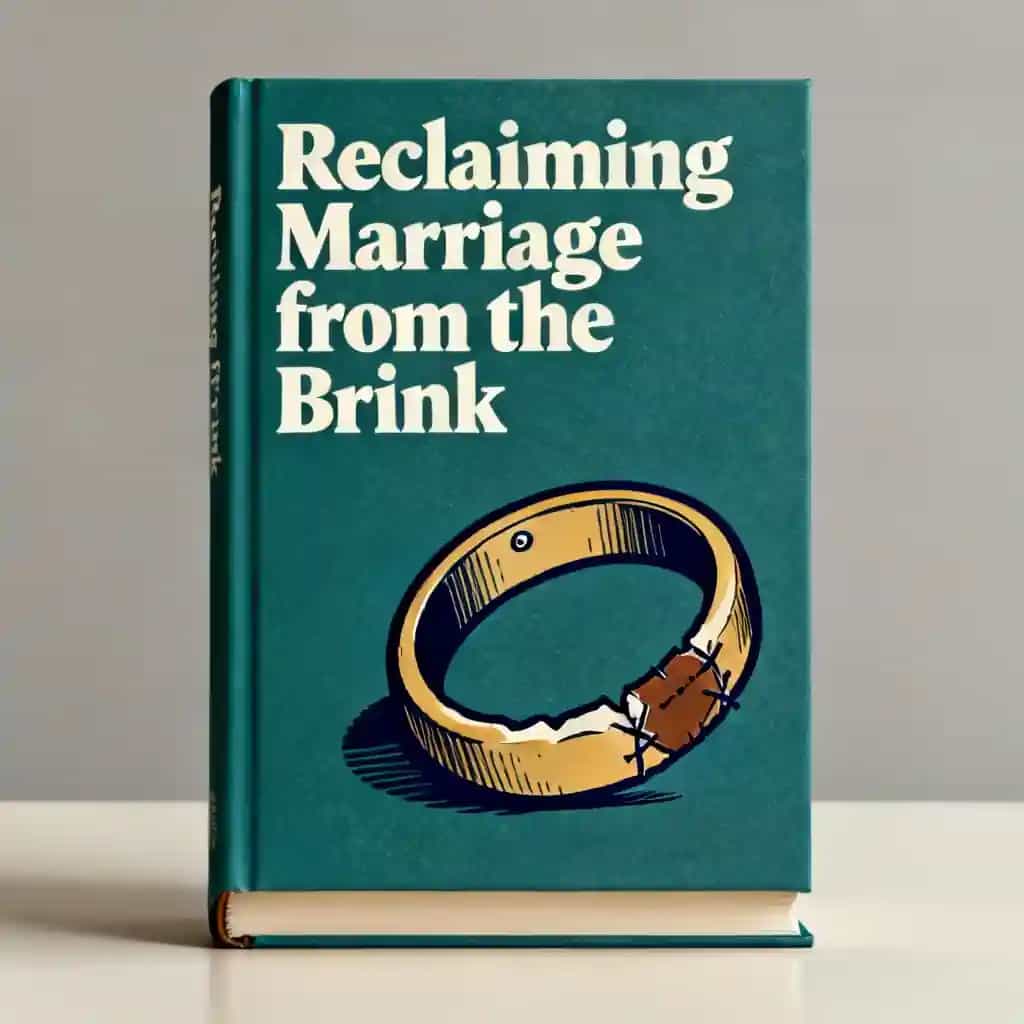
This Is How Your Marriage Ends: A Hopeful Approach to Saving Relationships by Matthew Fray Summary

Overview of This Is How Your Marriage Ends
Matthew Fray's viral journey began with dishes in the sink and ended with profound marital wisdom. This brutally honest guide reveals the small, everyday behaviors silently destroying marriages, resonating powerfully with women while challenging men to confront relationship-killing habits they never recognized.
- Small daily betrayals like forgotten dishes erode trust more than major conflicts
- Men often dismiss wives' concerns as trivial, accelerating marital breakdown through neglect
- Active listening without defensiveness rebuilds emotional safety more than being right
- Divorce stems from accumulated micro-hurts, not single explosive events, per Matthew Fray
- Good husbands unintentionally harm partners by prioritizing logic over empathy in disputes
- Societal norms pressure men to suppress vulnerability, damaging marital communication over time
- Healing requires owning your role in conflicts, not blaming your spouse's reactions
- Matthew Fray's "death by a thousand paper cuts" explains how minor slights destroy marriages
- Saving marriages demands daily intentionality, not grand gestures, to prove commitment
- Women often initiate divorce after years of unmet emotional needs and dismissed pain
- Relationship survival hinges on replacing defensiveness with curiosity about your partner's perspective
- Marital repair starts by validating your spouse's feelings, even when you disagree
About the Author of This Is How Your Marriage Ends
Matthew Fray is a relationship coach, bestselling author, and the voice behind This Is How Your Marriage Ends: A Hopeful Approach to Saving Relationships, a candid guide to repairing fractured partnerships. Blending raw personal experience—his own divorce—with actionable insights, Fray’s work centers on communication breakdowns, emotional responsibility, and trust erosion in marriages.
A former blogger whose viral platform Must Be This Tall To Ride reached millions, he distills hard-won lessons into practical strategies for couples. His expertise has been featured in The New York Times, The Atlantic, and The Sunday Times (UK), and he’s appeared on shows like ABC’s Tamron Hall to discuss relationship dynamics.
Fray’s coaching practice focuses on helping individuals confront unconscious patterns that sabotage intimacy, a theme central to his book. Published by HarperCollins in 2022, This Is How Your Marriage Ends is used in couples’ therapy frameworks and has been embraced for its unflinching yet hopeful tone. The book is available in North America and the UK, bridging personal narrative with universal truths about modern relationships.
FAQs About This Is How Your Marriage Ends
What is This Is How Your Marriage Ends by Matthew Fray about?
This Is How Your Marriage Ends explores how small, repeated behaviors—like dismissing a partner’s concerns—gradually erode trust and emotional safety in relationships. Drawing from his own divorce, Matthew Fray identifies common pitfalls like poor communication and emotional neglect, offering actionable advice to rebuild connection. The book emphasizes self-awareness, accountability, and learning relationship skills often overlooked in modern partnerships.
Who should read This Is How Your Marriage Ends?
This book is ideal for couples experiencing communication breakdowns, individuals seeking to avoid divorce, or anyone wanting to improve relational skills. It’s particularly relevant for those who struggle with emotional validation or recognize patterns of unintentional harm in their partnerships. Fray’s candid storytelling resonates with readers navigating marital strain or post-divorce reflection.
Is This Is How Your Marriage Ends worth reading?
Yes, the book provides relatable examples and practical strategies for repairing relationships, praised for its raw honesty and absence of self-help clichés. Readers gain tools to address “paper cut” conflicts—minor issues that accumulate into major crises—making it valuable for both struggling couples and those seeking proactive relationship maintenance.
What are the main relationship lessons in This Is How Your Marriage Ends?
Key lessons include:
- Trust erosion: Small dismissals (e.g., ignoring chores) signal disrespect.
- Emotional safety: Partners need validation, not problem-solving.
- Accountability: Defensiveness accelerates marital decline.
- Self-reflection: Recognizing blind spots in communication is critical.
How does Matthew Fray’s personal story influence the book?
Fray candidly shares how his divorce stemmed from years of unintentional neglect, like trivializing his wife’s feelings about household tasks. His journey from divorcee to relationship coach adds authenticity, framing the book as both a cautionary tale and a roadmap for change.
What does the “10,000 paper cuts” metaphor mean?
The metaphor describes how minor, frequent grievances—like leaving dishes by the sink—slowly damage relationships. Fray argues these “cuts” symbolize deeper issues of disrespect or indifference, often overlooked until trust is irreparably broken.
How does This Is How Your Marriage Ends address emotional intelligence?
The book stresses emotional intelligence as the foundation for healthy relationships. Fray teaches readers to prioritize empathy over being “right,” actively listen to partners’ needs, and replace defensive reactions with curiosity about a partner’s perspective.
What criticism has This Is How Your Marriage Ends received?
Some critics note the book focuses heavily on Fray’s personal anecdotes rather than clinical research. Others suggest its advice leans more toward post-divorce reflection than preemptive solutions, though many praise its practicality for crisis-stage relationships.
How does this book differ from other marriage guides?
Unlike generic advice, Fray’s approach centers on specific, relatable missteps (e.g., weaponized humor) and their emotional impacts. It avoids abstract theories, instead offering concrete examples of how daily interactions shape marital outcomes.
Can This Is How Your Marriage Ends help prevent divorce?
Yes, by teaching readers to identify and correct damaging patterns early. The book provides frameworks for rebuilding trust through consistent, respectful actions and prioritizing a partner’s emotional needs over ego-driven conflicts.
What role does accountability play in Fray’s advice?
Fray argues that owning one’s mistakes—without deflecting blame—is essential for repair. He encourages readers to ask, “Is being right more important than being connected?” to reframe conflicts as collaborative problem-solving.
How does the book address dating after divorce?
While not its primary focus, Fray touches on post-divorce dating, urging readers to apply lessons about communication and emotional safety to new relationships. He emphasizes self-growth to avoid repeating past mistakes.
Feel the book through the author's voice
Turn knowledge into engaging, example-rich insights
Capture key ideas in a flash for fast learning
Enjoy the book in a fun and engaging way
Key Themes in This Is How Your Marriage Ends
Quotes from This Is How Your Marriage Ends
That’s how you accidentally ruin your marriage. It’s death by a thousand paper cuts.
Most marriages don't explode in dramatic fashion. They die slowly.
Without trust, relationships don't feel safe, and without safety, they cannot survive.
The conditions that destroy marriages are subtle-almost invisible.
Good people can be bad partners.
Characters in This Is How Your Marriage Ends
Quick Summary Mode - Read or listen to This Is How Your Marriage Ends Summary in 8 Minutes

Break down key ideas from This Is How Your Marriage Ends into bite-sized takeaways to understand how innovative teams create, collaborate, and grow.

Flash Card Mode - Top 8 Insights from This Is How Your Marriage Ends in a Nutshell

Distill This Is How Your Marriage Ends into rapid-fire memory cues that highlight key principles of candor, teamwork, and creative resilience.

Fun Mode - This Is How Your Marriage Ends Lessons Told Through 20-Min Stories

Experience This Is How Your Marriage Ends through vivid storytelling that turns innovation lessons into moments you'll remember and apply.
Personalize Mode - Read or listen to This Is How Your Marriage Ends Summary in 0 Minutes

Ask anything, pick the voice, and co-create insights that truly resonate with you.

From Columbia University alumni built in San Francisco
"Instead of endless scrolling, I just hit play on BeFreed. It saves me so much time."


"I never knew where to start with nonfiction—BeFreed’s book lists turned into podcasts gave me a clear path."


"Perfect balance between learning and entertainment. Finished ‘Thinking, Fast and Slow’ on my commute this week."
"Crazy how much I learned while walking the dog. BeFreed = small habits → big gains."
"Reading used to feel like a chore. Now it’s just part of my lifestyle."

"Feels effortless compared to reading. I’ve finished 6 books this month already."
"BeFreed turned my guilty doomscrolling into something that feels productive and inspiring."

"BeFreed turned my commute into learning time. 20-min podcasts are perfect for finishing books I never had time for."
"BeFreed replaced my podcast queue. Imagine Spotify for books — that’s it. 🙌"

"It is great for me to learn something from the book without reading it."
"The themed book list podcasts help me connect ideas across authors—like a guided audio journey."
"Makes me feel smarter every time before going to work"
From Columbia University alumni built in San Francisco
"Instead of endless scrolling, I just hit play on BeFreed. It saves me so much time."
"I never knew where to start with nonfiction—BeFreed’s book lists turned into podcasts gave me a clear path."
"Perfect balance between learning and entertainment. Finished ‘Thinking, Fast and Slow’ on my commute this week."
"Crazy how much I learned while walking the dog. BeFreed = small habits → big gains."
"Reading used to feel like a chore. Now it’s just part of my lifestyle."
"Feels effortless compared to reading. I’ve finished 6 books this month already."
"BeFreed turned my guilty doomscrolling into something that feels productive and inspiring."
"BeFreed turned my commute into learning time. 20-min podcasts are perfect for finishing books I never had time for."
"BeFreed replaced my podcast queue. Imagine Spotify for books — that’s it. 🙌"
"It is great for me to learn something from the book without reading it."
"The themed book list podcasts help me connect ideas across authors—like a guided audio journey."
"Makes me feel smarter every time before going to work"
"Instead of endless scrolling, I just hit play on BeFreed. It saves me so much time."
"I never knew where to start with nonfiction—BeFreed’s book lists turned into podcasts gave me a clear path."
"Perfect balance between learning and entertainment. Finished ‘Thinking, Fast and Slow’ on my commute this week."
"Crazy how much I learned while walking the dog. BeFreed = small habits → big gains."
"Reading used to feel like a chore. Now it’s just part of my lifestyle."
"Feels effortless compared to reading. I’ve finished 6 books this month already."
"BeFreed turned my guilty doomscrolling into something that feels productive and inspiring."
"BeFreed turned my commute into learning time. 20-min podcasts are perfect for finishing books I never had time for."
"BeFreed replaced my podcast queue. Imagine Spotify for books — that’s it. 🙌"
"It is great for me to learn something from the book without reading it."
"The themed book list podcasts help me connect ideas across authors—like a guided audio journey."
"Makes me feel smarter every time before going to work"
"Instead of endless scrolling, I just hit play on BeFreed. It saves me so much time."
"I never knew where to start with nonfiction—BeFreed’s book lists turned into podcasts gave me a clear path."
"Perfect balance between learning and entertainment. Finished ‘Thinking, Fast and Slow’ on my commute this week."
"Crazy how much I learned while walking the dog. BeFreed = small habits → big gains."
"Reading used to feel like a chore. Now it’s just part of my lifestyle."
"Feels effortless compared to reading. I’ve finished 6 books this month already."
"BeFreed turned my guilty doomscrolling into something that feels productive and inspiring."
"BeFreed turned my commute into learning time. 20-min podcasts are perfect for finishing books I never had time for."
"BeFreed replaced my podcast queue. Imagine Spotify for books — that’s it. 🙌"
"It is great for me to learn something from the book without reading it."
"The themed book list podcasts help me connect ideas across authors—like a guided audio journey."
"Makes me feel smarter every time before going to work"

Get the This Is How Your Marriage Ends summary as a free PDF or EPUB. Print it or read offline anytime.