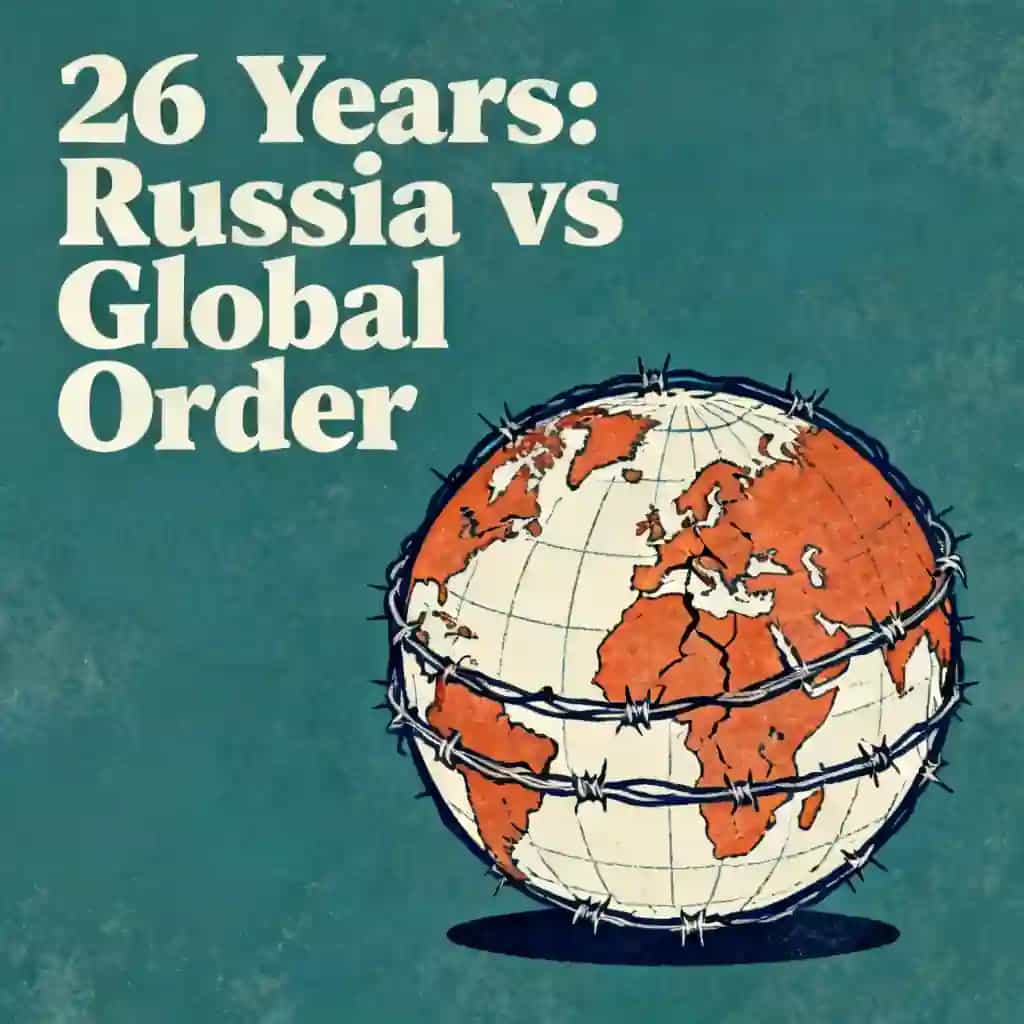
Overview of The Man Without a Face
Masha Gessen's chilling expose reveals Putin's ruthless ascent from KGB obscurity to absolute power. A National Book Award finalist that Anne Applebaum calls "meticulous," this investigation asks: How did a faceless bureaucrat reshape Russia - and potentially the world order?
- How Putin's KGB roots forged his authoritarian playbook for power consolidation
- Why post-Soviet chaos created the perfect vacuum for Putin's political ascendancy
- The psychological scars of Leningrad's wartime devastation that shaped Putin's worldview
- Masha Gessen's unflinching expose on Putin's manipulation of Russian historical trauma
- Decoding Putin's formula: KGB tactics meets post-Communist oligarchic capitalism
- Why Putin's "managed democracy" model thrives on manufactured crises and external enemies
- The accidental president – how bureaucratic mediocrity became autocratic permanence
- Gessen's key revelation: Putin's power stems from weaponizing collective Soviet nostalgia
- Inside the macho persona – how martial arts and spycraft built Putin's mythos
- From crumbling kommunalka to Kremlin throne – Putin's class resentment as political fuel
- How state media manipulation and opposition suppression maintain Putin's "strongman" facade
- Gessen's warning: Putinism as blueprint for 21st-century authoritarian tech-enabled governance
About the Author of The Man Without a Face
Masha Gessen, acclaimed journalist and National Book Award-winning author of The Man Without a Face: The Unlikely Rise of Vladimir Putin, is a leading voice on authoritarianism and post-Soviet politics.
Born in Moscow and later emigrating to the U.S., Gessen draws on decades of investigative rigor and personal experience to dissect power structures, autocratic regimes, and societal resistance. Their 2012 biography of Putin, praised by Foreign Affairs for its incisive analysis, cemented their reputation for unflinching portrayals of political figures.
A staff writer at The New Yorker and contributor to The New York Review of Books, Gessen has authored 11 books, including The Future Is History (2017 National Book Award winner) and Surviving Autocracy, which examines democratic erosion in the U.S. Their work, translated into over 20 languages, blends sharp journalism with historical context, informed by their activism in Russia’s LGBT community and opposition movements.
Gessen teaches at Bard College and has been featured on CNN, MSNBC, and PBS. The Man Without a Face remains a cornerstone text on modern Russian leadership, cited widely in academic and policy circles.
FAQs About The Man Without a Face
What is The Man Without a Face: The Unlikely Rise of Vladimir Putin about?
The Man Without a Face investigates Vladimir Putin’s ascent from a low-ranking KGB officer to Russia’s authoritarian leader. Masha Gessen traces his career, highlighting his use of secrecy, manipulation, and political opportunism during post-Soviet turmoil. The book critiques Putin’s erosion of democratic institutions and offers insights into his consolidation of power, framed by Gessen’s sharp journalistic analysis.
Who should read The Man Without a Face?
This book is essential for readers interested in Russian politics, modern authoritarianism, or 20th-century history. Journalists, policymakers, and students of geopolitics will appreciate its investigative depth, while general audiences gain a gripping narrative about power dynamics. Gessen’s accessible style makes complex political shifts digestible for non-experts.
Is The Man Without a Face worth reading?
Yes—it’s a National Book Award finalist praised for its unflinching portrayal of Putin’s regime. Gessen’s rigorous research and narrative clarity provide a foundational understanding of contemporary Russian politics. Critics note its relevance for analyzing global authoritarian trends, though some debate its critical tone toward Putin.
What are the main themes in The Man Without a Face?
Key themes include the mechanics of autocracy, the weaponization of bureaucracy, and the fragility of democracy. Gessen examines how Putin exploited post-Soviet instability to centralize power, suppress dissent, and cultivate a cult of personality. The book also explores the role of secrecy in modern governance.
How does Masha Gessen portray Vladimir Putin in the book?
Gessen depicts Putin as a cunning strategist shaped by his KGB background, emphasizing his distrust of transparency and reliance on coercive tactics. The title metaphorizes Putin’s elusive public persona and relentless control over his image.
What sources does Masha Gessen use in The Man Without a Face?
Gessen draws on interviews, historical documents, and investigative reporting, including insights from Putin’s associates and critics. Their firsthand experience in Russian journalism and activism lends credibility to the analysis.
How does the book explain Putin’s rise to power?
It attributes Putin’s success to his KGB network, strategic alliances with oligarchs, and exploitation of post-USSR chaos. Gessen argues he transformed Russia into a “managed democracy” by dismantling checks on executive power and manipulating media narratives.
Has The Man Without a Face faced controversy?
Yes. The Kremlin has dismissed it as biased, and Gessen faced backlash for critiquing Putin’s policies. Their exile from Russia in 2013 underscores the risks of dissenting journalism in authoritarian states.
How does this book compare to other Putin biographies?
Unlike sympathetic portrayals, Gessen’s work is openly critical, blending academic rigor with journalistic storytelling. It’s often contrasted with more neutral accounts but praised for its accessibility and prophetic warnings about Putin’s ambitions.
What lessons does The Man Without a Face offer about modern politics?
The book underscores how autocrats exploit institutional weakness, manipulate public perception, and silence opposition. Its analysis of propaganda and centralized control remains relevant for understanding global democratic backsliding.
What criticisms exist about the book?
Some critics argue Gessen’s stance is overly adversarial, potentially oversimplifying Putin’s motivations. Others praise its boldness but note limited emphasis on Putin’s domestic popularity or economic policies.
Are there film adaptations of The Man Without a Face?
No, but Gessen contributed to FX’s The Americans as a translator. Avoid confusion with Isabelle Holland’s 1972 novel of the same name, which inspired a 1993 film.
Feel the book through the author's voice
Turn knowledge into engaging, example-rich insights
Capture key ideas in a flash for fast learning
Enjoy the book in a fun and engaging way
Key Themes in The Man Without a Face
Quotes from The Man Without a Face
Moscow is silent.
This moment crystallized his sense of betrayal.
Putin established himself through sheer aggression.
The city council's radical democratic structure without a formal leader proved impractical.
This fighting spirit followed him to school.
Characters in The Man Without a Face
Quick Summary Mode - Read or listen to The Man Without a Face Summary in 11 Minutes

Break down key ideas from The Man Without a Face into bite-sized takeaways to understand how innovative teams create, collaborate, and grow.

Flash Card Mode - Top 8 Insights from The Man Without a Face in a Nutshell

Distill The Man Without a Face into rapid-fire memory cues that highlight key principles of candor, teamwork, and creative resilience.

Fun Mode - The Man Without a Face Lessons Told Through 24-Min Stories

Experience The Man Without a Face through vivid storytelling that turns innovation lessons into moments you'll remember and apply.
Personalize Mode - Read or listen to The Man Without a Face Summary in 0 Minutes

Ask anything, pick the voice, and co-create insights that truly resonate with you.

From Columbia University alumni built in San Francisco
"Instead of endless scrolling, I just hit play on BeFreed. It saves me so much time."


"I never knew where to start with nonfiction—BeFreed’s book lists turned into podcasts gave me a clear path."


"Perfect balance between learning and entertainment. Finished ‘Thinking, Fast and Slow’ on my commute this week."
"Crazy how much I learned while walking the dog. BeFreed = small habits → big gains."
"Reading used to feel like a chore. Now it’s just part of my lifestyle."

"Feels effortless compared to reading. I’ve finished 6 books this month already."
"BeFreed turned my guilty doomscrolling into something that feels productive and inspiring."

"BeFreed turned my commute into learning time. 20-min podcasts are perfect for finishing books I never had time for."
"BeFreed replaced my podcast queue. Imagine Spotify for books — that’s it. 🙌"

"It is great for me to learn something from the book without reading it."
"The themed book list podcasts help me connect ideas across authors—like a guided audio journey."
"Makes me feel smarter every time before going to work"
From Columbia University alumni built in San Francisco
"Instead of endless scrolling, I just hit play on BeFreed. It saves me so much time."
"I never knew where to start with nonfiction—BeFreed’s book lists turned into podcasts gave me a clear path."
"Perfect balance between learning and entertainment. Finished ‘Thinking, Fast and Slow’ on my commute this week."
"Crazy how much I learned while walking the dog. BeFreed = small habits → big gains."
"Reading used to feel like a chore. Now it’s just part of my lifestyle."
"Feels effortless compared to reading. I’ve finished 6 books this month already."
"BeFreed turned my guilty doomscrolling into something that feels productive and inspiring."
"BeFreed turned my commute into learning time. 20-min podcasts are perfect for finishing books I never had time for."
"BeFreed replaced my podcast queue. Imagine Spotify for books — that’s it. 🙌"
"It is great for me to learn something from the book without reading it."
"The themed book list podcasts help me connect ideas across authors—like a guided audio journey."
"Makes me feel smarter every time before going to work"
"Instead of endless scrolling, I just hit play on BeFreed. It saves me so much time."
"I never knew where to start with nonfiction—BeFreed’s book lists turned into podcasts gave me a clear path."
"Perfect balance between learning and entertainment. Finished ‘Thinking, Fast and Slow’ on my commute this week."
"Crazy how much I learned while walking the dog. BeFreed = small habits → big gains."
"Reading used to feel like a chore. Now it’s just part of my lifestyle."
"Feels effortless compared to reading. I’ve finished 6 books this month already."
"BeFreed turned my guilty doomscrolling into something that feels productive and inspiring."
"BeFreed turned my commute into learning time. 20-min podcasts are perfect for finishing books I never had time for."
"BeFreed replaced my podcast queue. Imagine Spotify for books — that’s it. 🙌"
"It is great for me to learn something from the book without reading it."
"The themed book list podcasts help me connect ideas across authors—like a guided audio journey."
"Makes me feel smarter every time before going to work"
"Instead of endless scrolling, I just hit play on BeFreed. It saves me so much time."
"I never knew where to start with nonfiction—BeFreed’s book lists turned into podcasts gave me a clear path."
"Perfect balance between learning and entertainment. Finished ‘Thinking, Fast and Slow’ on my commute this week."
"Crazy how much I learned while walking the dog. BeFreed = small habits → big gains."
"Reading used to feel like a chore. Now it’s just part of my lifestyle."
"Feels effortless compared to reading. I’ve finished 6 books this month already."
"BeFreed turned my guilty doomscrolling into something that feels productive and inspiring."
"BeFreed turned my commute into learning time. 20-min podcasts are perfect for finishing books I never had time for."
"BeFreed replaced my podcast queue. Imagine Spotify for books — that’s it. 🙌"
"It is great for me to learn something from the book without reading it."
"The themed book list podcasts help me connect ideas across authors—like a guided audio journey."
"Makes me feel smarter every time before going to work"

Get the The Man Without a Face summary as a free PDF or EPUB. Print it or read offline anytime.