Becoming Attached: First Relationships and Their Impact on Our Capacity to Love by Robert Karen Summary

Overview of Becoming Attached
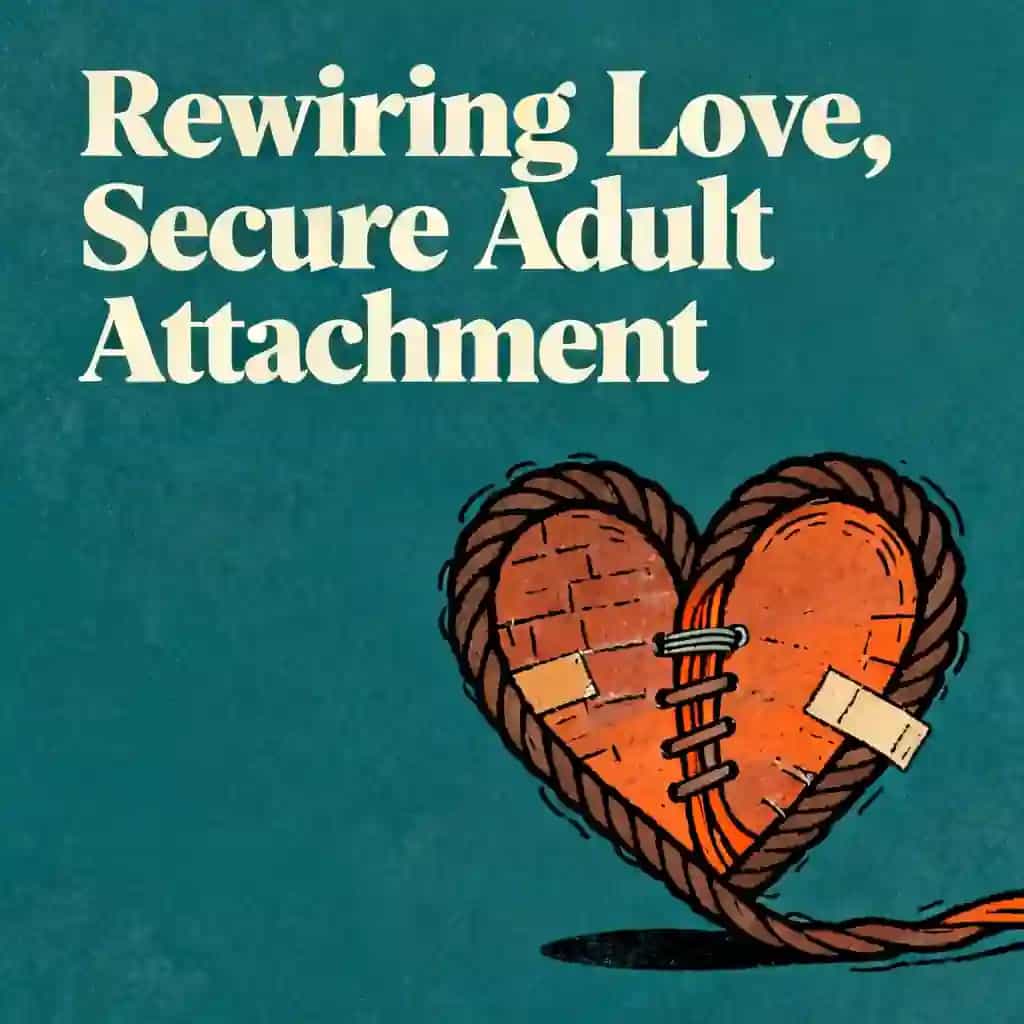
"Becoming Attached" revolutionized parenting by revealing how our earliest bonds shape our entire lives. Once controversial, Robert Karen's exploration of Bowlby and Ainsworth's groundbreaking work now influences modern psychology. What childhood experience might explain your adult relationship patterns?
- Early caregiver bonds shape adult emotional resilience and relationship patterns.
- Secure attachment fosters trust, while insecure types correlate with anxiety or avoidance.
- John Bowlby’s research frames attachment as a biological survival mechanism, not just emotional.
- Mary Ainsworth’s “Strange Situation” experiment identified secure, avoidant, and anxious attachment styles.
- Parenting consistency and emotional responsiveness critically determine lifelong relational health.
- Avoidant attachment stems from childhood emotional neglect; anxious styles emerge from unpredictable care.
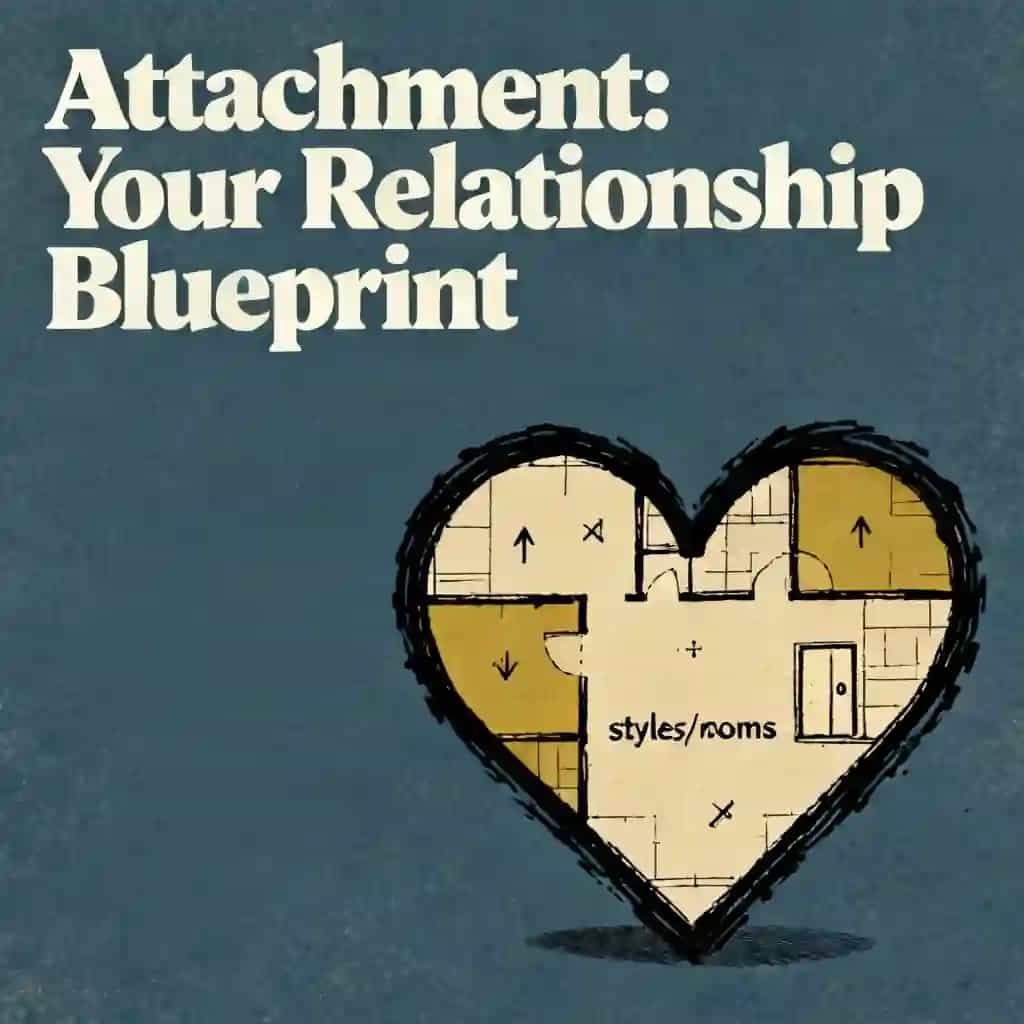
- Therapy and secure adult relationships can rewrite insecure attachment blueprints.
- Prolonged caregiver separation causes developmental trauma across mammalian species.
- Attachment quality depends on genetics, parenting approach, and environmental stressors.
- Intergenerational transmission of insecure attachment breaks via conscious reparenting efforts.
- Recognizing your attachment style is the first step toward healing.
- Robert Karen’s work proves attachment patterns can evolve through self-awareness.
About the Author of Becoming Attached
Robert Karen, clinical psychologist and award-winning author of Becoming Attached: First Relationships and How They Shape Our Capacity to Love, is a leading voice in developmental psychology and attachment theory. An Assistant Clinical Professor at Adelphi University’s Derner Institute of Advanced Psychological Studies, Karen combines decades of private practice experience with rigorous academic research to explore how early caregiver bonds influence lifelong emotional and cognitive development.
His seminal work, recently reissued in a 2024 edition, dissects the science of secure and insecure attachment styles while tracing the historical evolution of this transformative field.
Karen’s expertise extends beyond his clinical work, with appearances on podcasts like Attachment Theory in Action and speaking engagements that bridge academic research with public understanding. Recognized for translating complex psychological concepts into accessible narratives, Becoming Attached has been hailed as the most influential modern text in developmental psychology, widely cited in academic circles and recommended by mental health professionals.
The book’s enduring relevance—spanning three decades and multiple editions—underscores its status as a cornerstone resource for parents, clinicians, and researchers alike.
FAQs About Becoming Attached
What is Becoming Attached by Robert Karen about?
Becoming Attached explores how early caregiver relationships shape lifelong emotional patterns and capacity for love. Drawing on attachment theory, it examines the work of psychologists like John Bowlby and Mary Ainsworth, highlighting the critical role of secure bonds in childhood development. The book addresses parenting styles, daycare debates, and links between early attachment and adult relationship dynamics.
Who should read Becoming Attached?
This book is essential for parents, psychologists, educators, and anyone interested in child development or relationship psychology. It offers insights for individuals reflecting on their own attachment histories and professionals seeking to understand behavioral patterns rooted in early caregiving experiences.
Is Becoming Attached worth reading?
Yes—it’s praised for blending rigorous research with accessible storytelling. Karen synthesizes 70+ years of attachment studies, making complex concepts like secure/base attachment and avoidant behaviors relatable through case studies and historical context. Readers gain actionable insights into fostering healthier relationships.
What are the main concepts in Becoming Attached?
Key ideas include:
- Secure vs. insecure attachment: How responsive caregiving fosters emotional resilience.
- Strange Situation Experiment: Mary Ainsworth’s method for classifying attachment styles (secure, avoidant, ambivalent).
- Intergenerational transmission: How caregivers’ attachment histories influence their parenting.
How does Becoming Attached explain adult relationship patterns?
Karen argues that early attachment quality creates internal “working models” affecting adult intimacy. Securely attached individuals tend to form stable bonds, while insecure attachment (avoidant/ambivalent) correlates with fear of abandonment or emotional detachment in romantic relationships.
What critiques exist about Becoming Attached?
Some scholars argue Karen overemphasizes maternal influence without adequate discussion of cultural/gender differences. Others note limited exploration of interventions for insecure attachment. Despite this, it remains a foundational text in developmental psychology.
How does Robert Karen’s background influence Becoming Attached?
As a clinical psychologist and professor, Karen combines academic rigor with therapeutic case studies. His firsthand experience with patients grappling with attachment wounds adds depth to discussions of attachment theory’s real-world applications.
What role does daycare play in attachment, according to Becoming Attached?
Karen critiques mid-20th century practices separating children from caregivers but acknowledges modern research showing quality daycare doesn’t necessarily harm attachment if children have consistent, loving primary caregivers.
Does Becoming Attached discuss nature vs. nurture?
Yes—it examines how genetics and environment interact. While temperament is innate, Karen emphasizes that secure attachment can buffer genetic predispositions to anxiety or emotional reactivity.
What famous quotes come from Becoming Attached?
Notable lines include:
- “The avoidant child abides at a distance that affords him little warmth.”
- “Attachment isn’t an instinct—it’s a story written in the language of care.”
These highlight Karen’s blend of poetic phrasing and clinical insight.
How has attachment theory evolved since Becoming Attached was published?
Recent editions address neurobiological findings, like fMRI studies showing how early attachment affects brain regions linked to empathy and stress response. Karen also discusses attachment’s role in digital-age parenting challenges.
Are there workbook exercises or actionable steps in Becoming Attached?
While not a self-help guide, it provides reflective questions to help readers analyze their attachment history. Therapists often use its frameworks to guide clients toward understanding relationship patterns.
Feel the book through the author's voice
Turn knowledge into engaging, example-rich insights
Capture key ideas in a flash for fast learning
Enjoy the book in a fun and engaging way
Key Themes in Becoming Attached
Quotes from Becoming Attached
The film's emotional impact was 'catastrophic' for viewers.
Bowlby 'wouldn't send a dog to' boarding school.
Attachment was a primary biological need.
Humans are born with innate behaviors.
Children needed not just physical care but emotional connection.
Characters in Becoming Attached
Quick Summary Mode - Read or listen to Becoming Attached Summary in 9 Minutes

Break down key ideas from Becoming Attached into bite-sized takeaways to understand how innovative teams create, collaborate, and grow.

Flash Card Mode - Top 10 Insights from Becoming Attached in a Nutshell

Distill Becoming Attached into rapid-fire memory cues that highlight key principles of candor, teamwork, and creative resilience.

Fun Mode - Becoming Attached Lessons Told Through 26-Min Stories

Experience Becoming Attached through vivid storytelling that turns innovation lessons into moments you'll remember and apply.
Personalize Mode - Read or listen to Becoming Attached Summary in 0 Minutes

Ask anything, pick the voice, and co-create insights that truly resonate with you.

From Columbia University alumni built in San Francisco
"Instead of endless scrolling, I just hit play on BeFreed. It saves me so much time."


"I never knew where to start with nonfiction—BeFreed’s book lists turned into podcasts gave me a clear path."


"Perfect balance between learning and entertainment. Finished ‘Thinking, Fast and Slow’ on my commute this week."
"Crazy how much I learned while walking the dog. BeFreed = small habits → big gains."
"Reading used to feel like a chore. Now it’s just part of my lifestyle."

"Feels effortless compared to reading. I’ve finished 6 books this month already."
"BeFreed turned my guilty doomscrolling into something that feels productive and inspiring."

"BeFreed turned my commute into learning time. 20-min podcasts are perfect for finishing books I never had time for."
"BeFreed replaced my podcast queue. Imagine Spotify for books — that’s it. 🙌"

"It is great for me to learn something from the book without reading it."
"The themed book list podcasts help me connect ideas across authors—like a guided audio journey."
"Makes me feel smarter every time before going to work"
From Columbia University alumni built in San Francisco
"Instead of endless scrolling, I just hit play on BeFreed. It saves me so much time."
"I never knew where to start with nonfiction—BeFreed’s book lists turned into podcasts gave me a clear path."
"Perfect balance between learning and entertainment. Finished ‘Thinking, Fast and Slow’ on my commute this week."
"Crazy how much I learned while walking the dog. BeFreed = small habits → big gains."
"Reading used to feel like a chore. Now it’s just part of my lifestyle."
"Feels effortless compared to reading. I’ve finished 6 books this month already."
"BeFreed turned my guilty doomscrolling into something that feels productive and inspiring."
"BeFreed turned my commute into learning time. 20-min podcasts are perfect for finishing books I never had time for."
"BeFreed replaced my podcast queue. Imagine Spotify for books — that’s it. 🙌"
"It is great for me to learn something from the book without reading it."
"The themed book list podcasts help me connect ideas across authors—like a guided audio journey."
"Makes me feel smarter every time before going to work"
"Instead of endless scrolling, I just hit play on BeFreed. It saves me so much time."
"I never knew where to start with nonfiction—BeFreed’s book lists turned into podcasts gave me a clear path."
"Perfect balance between learning and entertainment. Finished ‘Thinking, Fast and Slow’ on my commute this week."
"Crazy how much I learned while walking the dog. BeFreed = small habits → big gains."
"Reading used to feel like a chore. Now it’s just part of my lifestyle."
"Feels effortless compared to reading. I’ve finished 6 books this month already."
"BeFreed turned my guilty doomscrolling into something that feels productive and inspiring."
"BeFreed turned my commute into learning time. 20-min podcasts are perfect for finishing books I never had time for."
"BeFreed replaced my podcast queue. Imagine Spotify for books — that’s it. 🙌"
"It is great for me to learn something from the book without reading it."
"The themed book list podcasts help me connect ideas across authors—like a guided audio journey."
"Makes me feel smarter every time before going to work"
"Instead of endless scrolling, I just hit play on BeFreed. It saves me so much time."
"I never knew where to start with nonfiction—BeFreed’s book lists turned into podcasts gave me a clear path."
"Perfect balance between learning and entertainment. Finished ‘Thinking, Fast and Slow’ on my commute this week."
"Crazy how much I learned while walking the dog. BeFreed = small habits → big gains."
"Reading used to feel like a chore. Now it’s just part of my lifestyle."
"Feels effortless compared to reading. I’ve finished 6 books this month already."
"BeFreed turned my guilty doomscrolling into something that feels productive and inspiring."
"BeFreed turned my commute into learning time. 20-min podcasts are perfect for finishing books I never had time for."
"BeFreed replaced my podcast queue. Imagine Spotify for books — that’s it. 🙌"
"It is great for me to learn something from the book without reading it."
"The themed book list podcasts help me connect ideas across authors—like a guided audio journey."
"Makes me feel smarter every time before going to work"

Get the Becoming Attached summary as a free PDF or EPUB. Print it or read offline anytime.