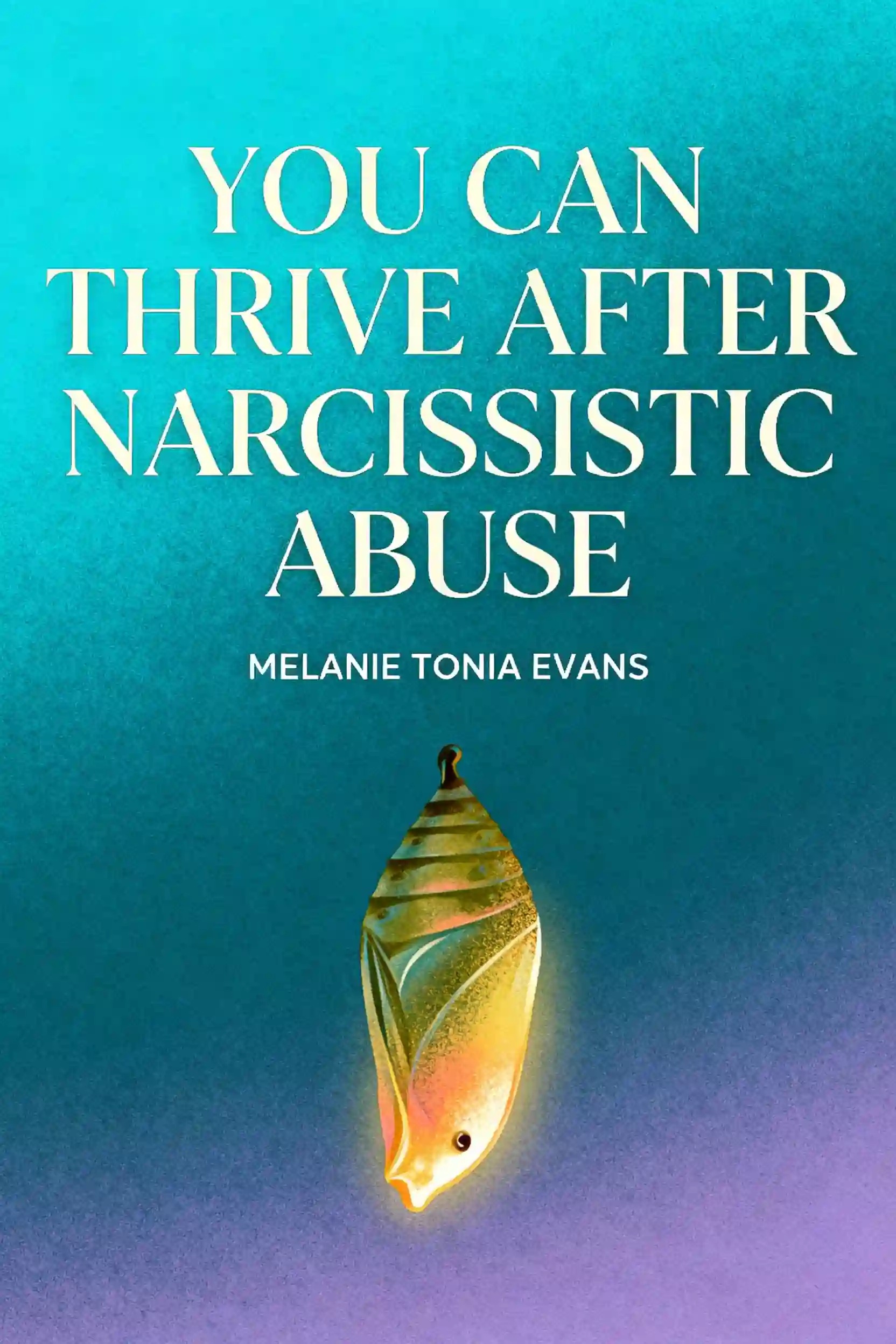
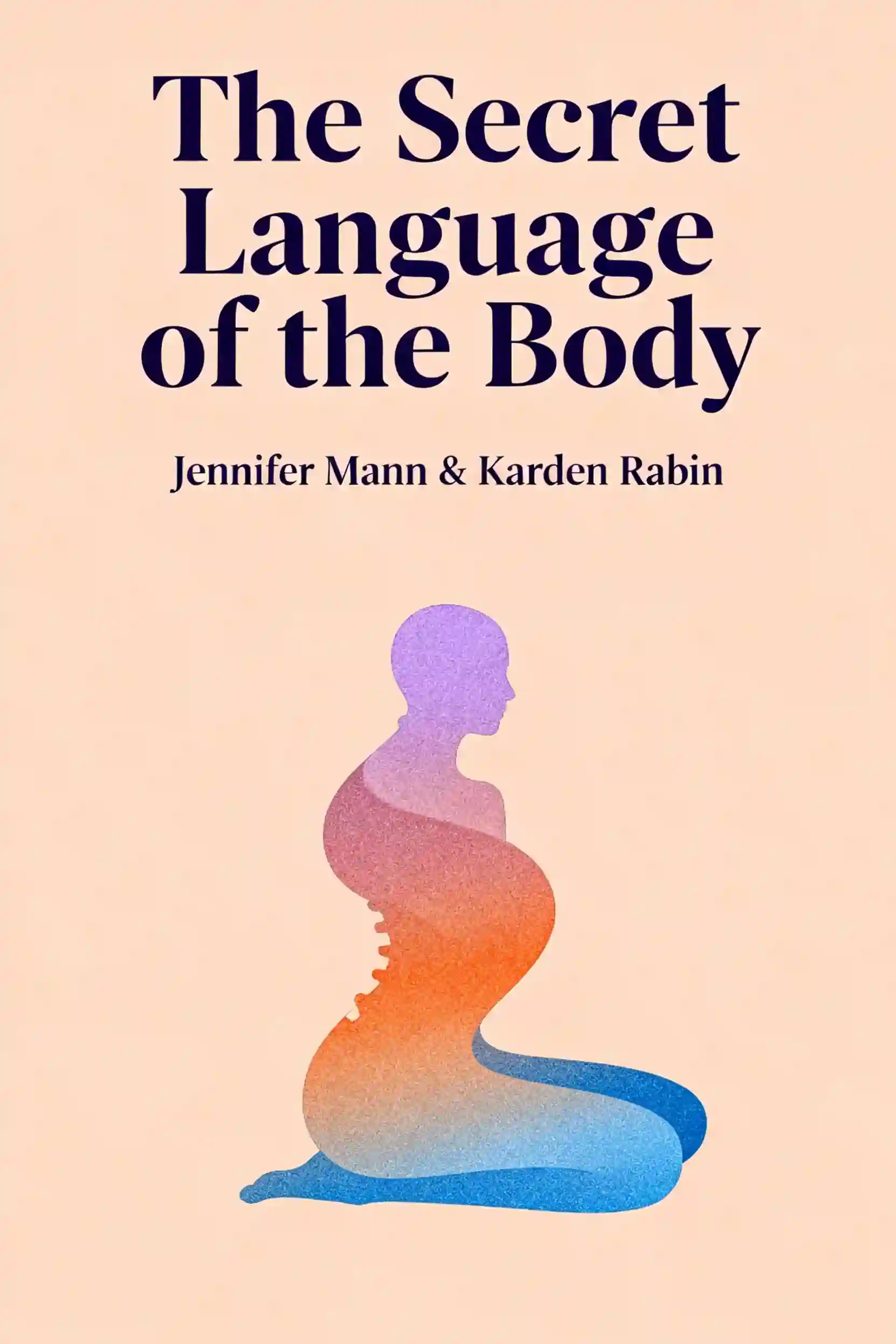
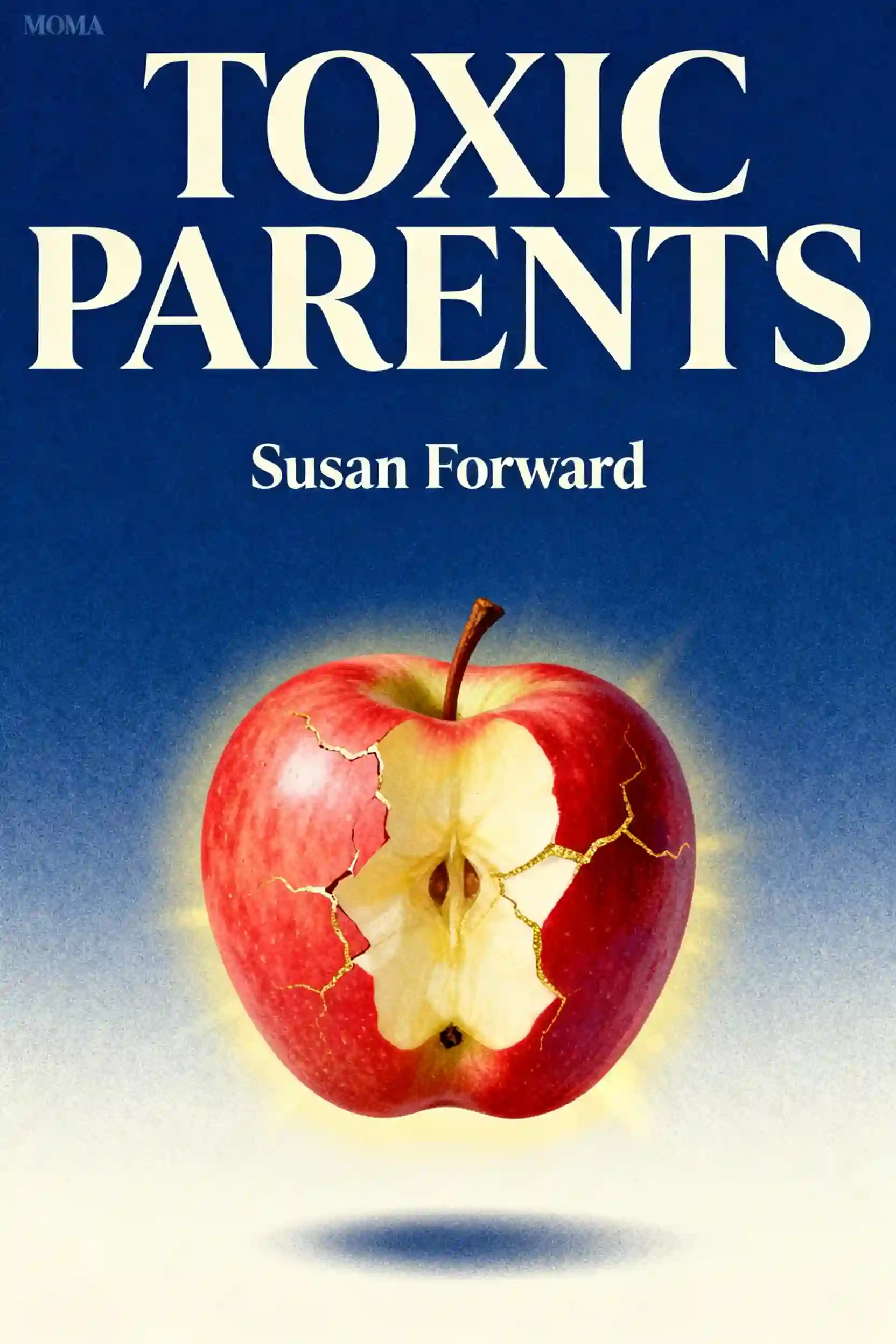
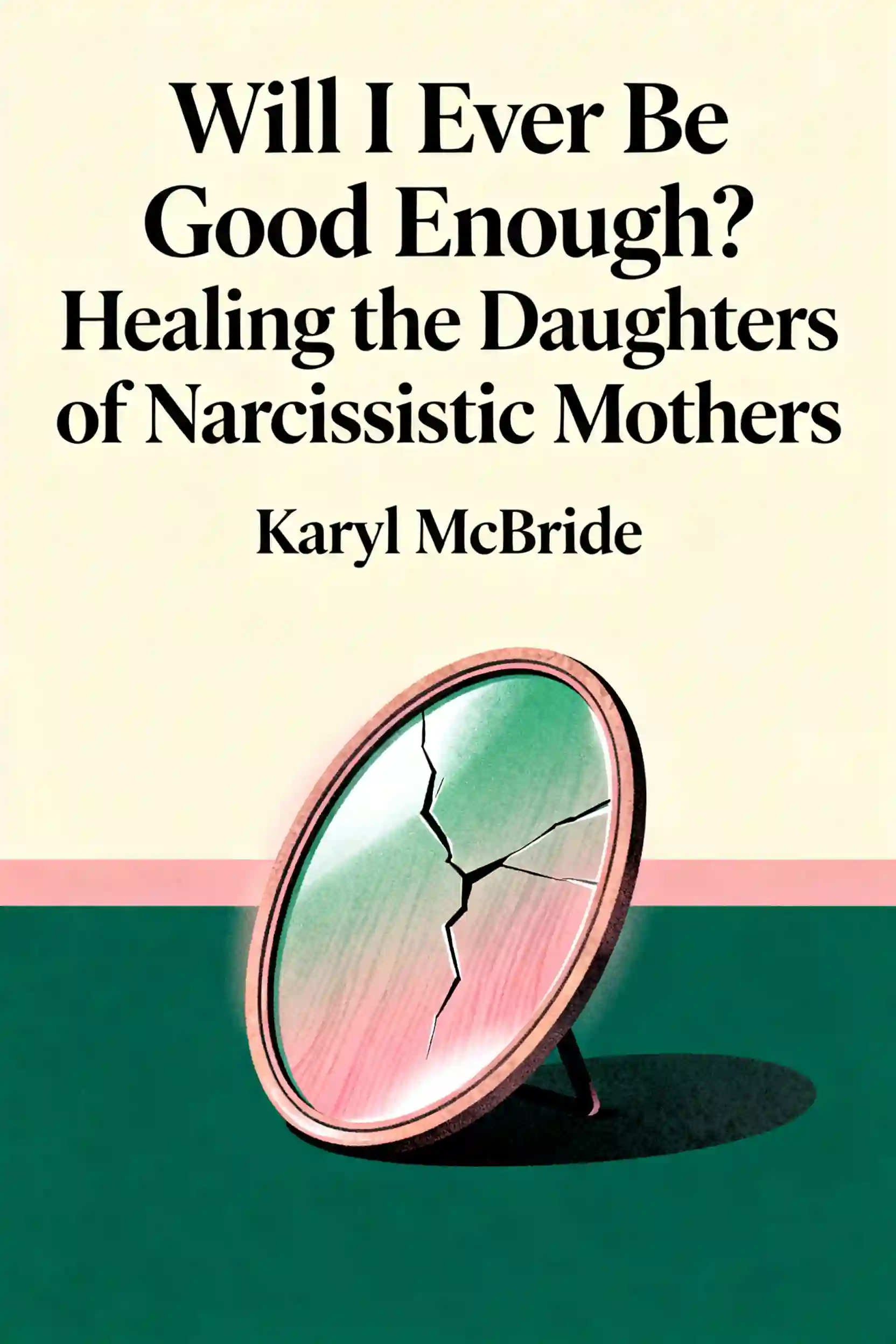
When you sense envy or disgust from others, your brain triggers a survival response. Learn how to regulate your nervous system and stay grounded.
Best quote from Why Relational Threats Feel Like a Physical Emergency
“
Recovery is about realizing that the disgust on their faces is a map of their internal world, not a reflection of your worth.
”
F
Generated by Freedee_C80FE9AB
Input question
Why do I feel like a sense of needing to protect myself or my body feels like the wift of like seeing a snake when I sense my sister passing by with her daughters boyfriend and the kids they had and he has a really envious face on and I pause by my house and stare there way and they she hides or shame and he looks at me with discust
Host voices
Lena
Blythe
Knowledge sources
Frequently Asked Questions
The "snake reflex" is a visceral, physical recoil that occurs when the amygdala—the brain's threat detection system—identifies a pattern of danger. In the context of family scapegoating, the brain treats the "whiff" of emotional envy or disgust from a relative as a physical emergency. Because the amygdala does not distinguish between historical trauma and current reality, it triggers a survival response like a racing heart or a sense of shame, even if there is no immediate physical threat.
Family Scapegoating Abuse is a systemic phenomenon where one family member is assigned the "disposal bin" role for the collective family’s shame, rage, and secrets. Chronic exposure to this manipulation can physically rewire the HPA axis, which acts as the body's stress thermostat, causing it to stay "on" even when there is no danger. Research shows that survivors often have a sensitized amygdala with higher connectivity to parts of the brain involved in self-referential thought, meaning a simple encounter can trigger an instant loop of painful autobiographical memories.
Staring at a family member who is acting as an aggressor is often a "Fight" response or a form of hypervigilance known as Attention Bias Variability. It is a mental tug-of-war where the brain feels a pull to monitor the threat to stay safe, while simultaneously wanting to flee. This "staring" is also a search for truth in a system built on gaslighting; by looking back, the individual is acknowledging the reality of the relative's dysfunction and refusing to participate in the family's "shared fantasy" of harmony.
The SAFE framework is a tool designed to help individuals distinguish between hypervigilance and actual intuition during a stressful encounter. "S" stands for Scanning the body to identify physical tension; "A" is for Assessing the evidence of a concrete physical threat; "F" is for distinguishing between Feeling unsafe and actually being unsafe; and "E" stands for Evaluating with support, such as talking to a trauma-informed friend later. This process helps move the individual from a reactive "survival" state to a responsive "Self-led" state.
Since the body often stays in a state of "muscular armoring" or "freeze" even after a relative has left, it is important to use somatic tools to signal safety to the nervous system. Techniques include "orienting" by naming objects in the environment to break tunnel vision, using "bilateral stimulation" like the butterfly hug, or splashing cold water on the face to trigger the dive reflex. Humming or singing can also stimulate the vagus nerve, which acts as a "brake pedal" for the stress response, helping the body return to a baseline of calm.
From Columbia University alumni | built in San Francisco
BeFreed Brings Together A Global Community Of Curious Minds
4.7
avg rating
7.84k+ App Rating
BeFreed Community
Seriously I haven’t even explored this app fully yet but from using it the last few days I am so impressed... BeFreed is on a different level from any other learning app I have used. This makes it ultra engaging and can actually improve your concentration which is great for all the doom scrollers!
@ladyInfinity
I bought BeFreed exactly 23 days ago, and I have used it every single day since. It has completely embedded itself into my daily workflow and learning habit.
@jayallen
The truth is, the app has exceeded all my expectations. I can ask it to generate audio on any topic, whatever it may be, and the result is impressive. My professional field is a specialization in psychotherapy and it is multidisciplinary; however, the answers are very accurate.
@Raguipa
What I appreciate most is how much it's reduced my scrolling – I'm spending less time searching and more time absorbing information. The combination of full audiobooks, podcasts, the learning plans are brilliant.
@colonyofcreatorsNGO
I have been a PhotoReading Accelerated Learning Instructor for the past 24 years... books and reading and learning are my thing, and BeFreed has done a great job in providing an innovative approach to disseminating and delivering information in an easy to consume way.
@BeFreed user
It is not just a book summary app, I have used the 'fun reading' option and it's a much better summary and way to grasp ideas the traditional way, that alone is worth this deal.
@austinakon
I love this app. Used it for several days and I cannot stop listening. Such a great way to start.
@jcrules328
I really like the program; I have already tested it for around one month, and I feel that it's an amazing gem. It works so well because I can use BeFreed to create my own topics, and the voice is so good with unlimited choice of narrations.
@DanielCZ
Seriously I haven’t even explored this app fully yet but from using it the last few days I am so impressed... BeFreed is on a different level from any other learning app I have used. This makes it ultra engaging and can actually improve your concentration which is great for all the doom scrollers!
@ladyInfinity
I bought BeFreed exactly 23 days ago, and I have used it every single day since. It has completely embedded itself into my daily workflow and learning habit.
@jayallen
The truth is, the app has exceeded all my expectations. I can ask it to generate audio on any topic, whatever it may be, and the result is impressive. My professional field is a specialization in psychotherapy and it is multidisciplinary; however, the answers are very accurate.
@Raguipa
What I appreciate most is how much it's reduced my scrolling – I'm spending less time searching and more time absorbing information. The combination of full audiobooks, podcasts, the learning plans are brilliant.
@colonyofcreatorsNGO
I have been a PhotoReading Accelerated Learning Instructor for the past 24 years... books and reading and learning are my thing, and BeFreed has done a great job in providing an innovative approach to disseminating and delivering information in an easy to consume way.
@BeFreed user
It is not just a book summary app, I have used the 'fun reading' option and it's a much better summary and way to grasp ideas the traditional way, that alone is worth this deal.
@austinakon
I love this app. Used it for several days and I cannot stop listening. Such a great way to start.
@jcrules328
I really like the program; I have already tested it for around one month, and I feel that it's an amazing gem. It works so well because I can use BeFreed to create my own topics, and the voice is so good with unlimited choice of narrations.
@DanielCZ
I love the fact that I can get useful, condensed, information and ideas in a 8 - 15 minute podcast style audio. I'm not a general fan of podcasts because of all the fluff, but this cuts through all that.
@BeFreed user
I am finishing up my doctorate, and have to read a lot of unfamiliar material... With BeFreed, you simply enter a prompt, and the app finds source material for you and generates an audio podcast. I find the process in BeFreed to be more streamlined than NotebookLM.
@Brad
I often search YouTube for something to listen to whilst making breakfast, when I'm out walking, commuting, etc, and BeFreed has provided an even more targeted approach, without the adverts and the fluff!
@BeFreed user
The absolute best part about this platform is its versatility. There is literally no subject that is off-topic. It handles whatever you throw at it... It is rare to find an learning tool with zero limitations that actually delivers on its promises.
@jayallen
BeFreed is fantastic. The user-friendly design means I spend less time navigating and more time learning. The mix of audiobooks, podcasts, and learning plans is a genius combo that has completely changed my daily routine.
@BeFreed user
At the start I needed a while to understand how to create podcasts in italian language and boom! It is so great! I can ask to explain every argument and it does so well and so smartly!
@matteo77
BeFreed has become my daily app for audio books tools... What I like the most is the way you put your text and come with an audio that you can listen on the go.
@kotanzu1
I love the fact that I can get useful, condensed, information and ideas in a 8 - 15 minute podcast style audio. I'm not a general fan of podcasts because of all the fluff, but this cuts through all that.
@BeFreed user
I am finishing up my doctorate, and have to read a lot of unfamiliar material... With BeFreed, you simply enter a prompt, and the app finds source material for you and generates an audio podcast. I find the process in BeFreed to be more streamlined than NotebookLM.
@Brad
I often search YouTube for something to listen to whilst making breakfast, when I'm out walking, commuting, etc, and BeFreed has provided an even more targeted approach, without the adverts and the fluff!
@BeFreed user
The absolute best part about this platform is its versatility. There is literally no subject that is off-topic. It handles whatever you throw at it... It is rare to find an learning tool with zero limitations that actually delivers on its promises.
@jayallen
BeFreed is fantastic. The user-friendly design means I spend less time navigating and more time learning. The mix of audiobooks, podcasts, and learning plans is a genius combo that has completely changed my daily routine.
@BeFreed user
At the start I needed a while to understand how to create podcasts in italian language and boom! It is so great! I can ask to explain every argument and it does so well and so smartly!
@matteo77
BeFreed has become my daily app for audio books tools... What I like the most is the way you put your text and come with an audio that you can listen on the go.
When a relationship feels like a fairy tale but your body feels on edge, you may be missing silent alarms. Learn to decode your physical response for safety.
Feeling replaced when a new person joins your group is an ancient survival reflex. Learn why your brain reacts this way and how to regain your security.
Why does it hurt when 'shitty people' seem to have it all? Learn why your brain flags curated lives as a survival threat and how to find internal peace.
When walking into a room feels like an interrogation, your brain may be misfiring. Learn to distinguish real care from manipulation and find your footing.