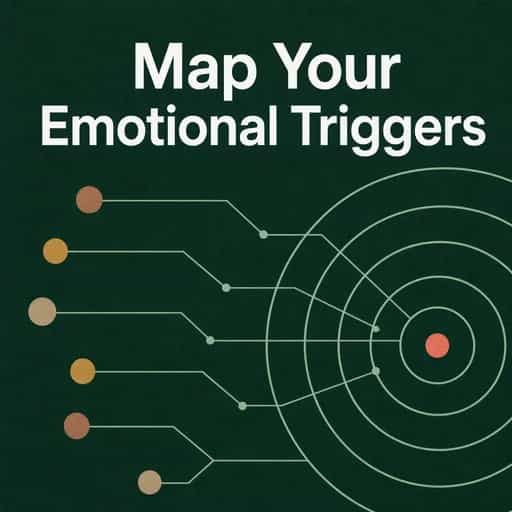
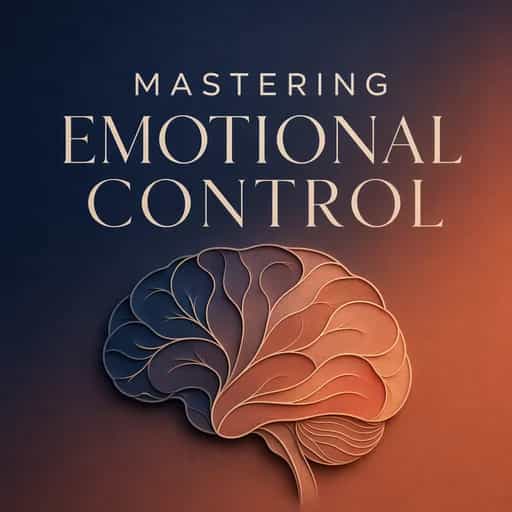
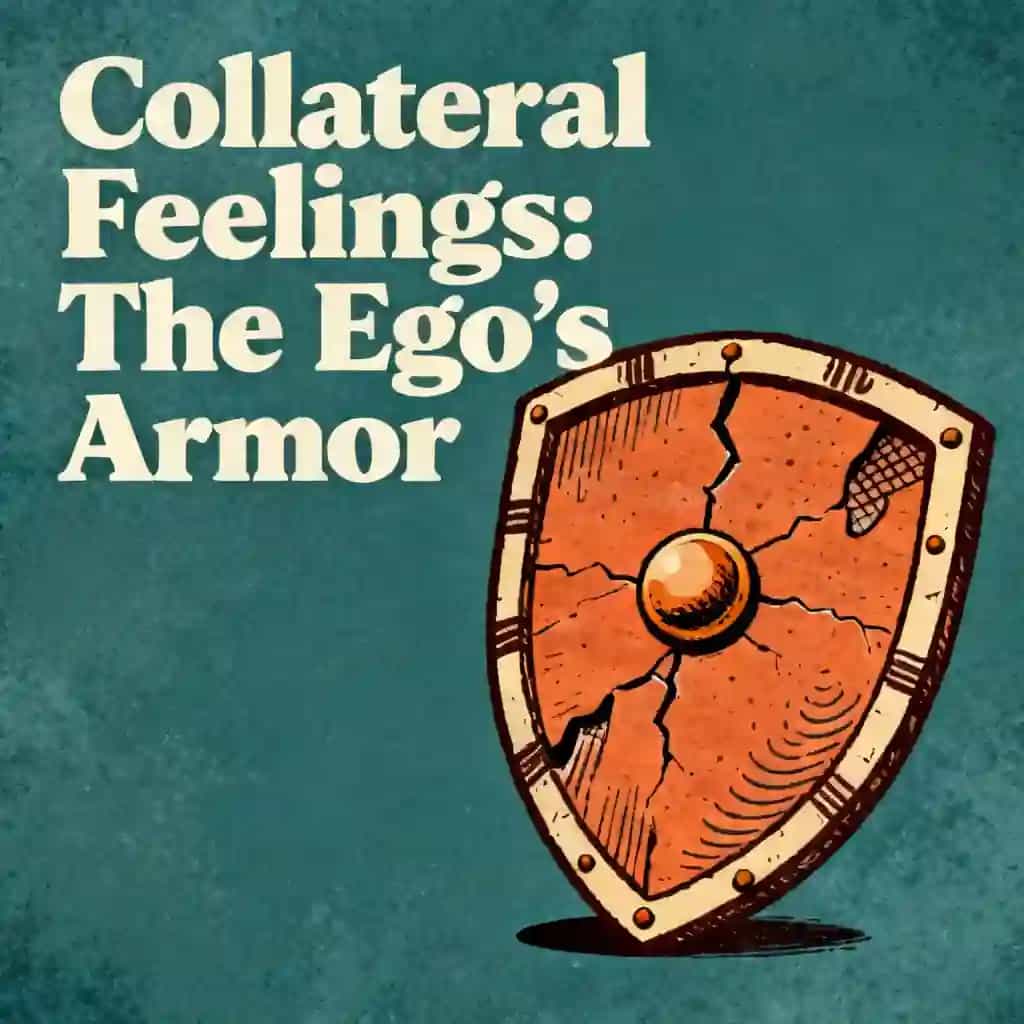
Struggling with 'emotional contagion' in heated moments? Learn how to stop the biological trap of a reaction and regain control over your responses.
Best quote from Stop blowing up when people get to you
“
You’re not trying to become a robot who never feels anger; you’re trying to become a person who uses anger as a signal rather than a command.
”
M
Generated by Melanie
Input question
How do I not let someone get to me and make me blow up
Host voices
Lena
Miles
Knowledge sources
Frequently Asked Questions
An amygdala hijack occurs when the brain's "smoke detector," the amygdala, identifies a threat—such as a snarky comment or a perceived social slight—and triggers a fight-or-flight response. This biological reaction happens in about twenty milliseconds, which is significantly faster than the rational prefrontal cortex can process information. Once triggered, the body is flooded with hormones like norepinephrine and dopamine, effectively locking the "CEO brain" out of the decision-making process for up to twenty minutes and making rational thought physically difficult.
The most effective way to intervene is through physiology rather than logic. One primary tool is the 4-7-8 breathing method, where you inhale for four counts, hold for seven, and exhale for eight to signal the nervous system to calm down. Other "Somatic Resets" include grounding yourself by pressing your feet into the floor, splashing cold water on your face to activate the mammalian dive reflex, or physically moving your body to metabolize stress hormones like cortisol.
Cognitive Reappraisal, or the "Script Flip," involves changing the internal story you tell yourself about why someone is acting poorly. Instead of assuming a person is attacking you personally, you force yourself to generate three alternative explanations, such as the person being overwhelmed, tired, or simply excited. This practice breaks the monopoly that threatening thoughts have on your brain and shifts your perspective from being a participant in a conflict to an observer of a situation.
Radical Acceptance does not mean you approve of or like a negative situation; it simply means you stop fighting the reality of what is happening. By acknowledging that a person is being rude or that a situation is frustrating without the internal dialogue of "this shouldn't be happening," you save significant emotional energy. This clarity allows you to move from a reactive state to a responsive one, where you can decide if the situation is actually worth your peace of mind or if "Strategic Non-Engagement" is the better choice.
Building resilience requires "Micro-Practices" performed during calm times to strengthen neural pathways. This includes "Habit Stacking," such as doing a body scan for tension every time you pour coffee, and keeping a "Win Journal" to record small moments where you chose a breath over a reaction. Additionally, maintaining a physical foundation through proper sleep and nutrition expands your "Window of Tolerance," making your brain less likely to view minor irritations as major threats.
From Columbia University alumni | built in San Francisco
BeFreed Brings Together A Global Community Of Curious Minds
4.7
avg rating
7.84k+ App Rating
BeFreed Community
Seriously I haven’t even explored this app fully yet but from using it the last few days I am so impressed... BeFreed is on a different level from any other learning app I have used. This makes it ultra engaging and can actually improve your concentration which is great for all the doom scrollers!
@ladyInfinity
I bought BeFreed exactly 23 days ago, and I have used it every single day since. It has completely embedded itself into my daily workflow and learning habit.
@jayallen
The truth is, the app has exceeded all my expectations. I can ask it to generate audio on any topic, whatever it may be, and the result is impressive. My professional field is a specialization in psychotherapy and it is multidisciplinary; however, the answers are very accurate.
@Raguipa
What I appreciate most is how much it's reduced my scrolling – I'm spending less time searching and more time absorbing information. The combination of full audiobooks, podcasts, the learning plans are brilliant.
@colonyofcreatorsNGO
I have been a PhotoReading Accelerated Learning Instructor for the past 24 years... books and reading and learning are my thing, and BeFreed has done a great job in providing an innovative approach to disseminating and delivering information in an easy to consume way.
@BeFreed user
It is not just a book summary app, I have used the 'fun reading' option and it's a much better summary and way to grasp ideas the traditional way, that alone is worth this deal.
@austinakon
I love this app. Used it for several days and I cannot stop listening. Such a great way to start.
@jcrules328
I really like the program; I have already tested it for around one month, and I feel that it's an amazing gem. It works so well because I can use BeFreed to create my own topics, and the voice is so good with unlimited choice of narrations.
@DanielCZ
Seriously I haven’t even explored this app fully yet but from using it the last few days I am so impressed... BeFreed is on a different level from any other learning app I have used. This makes it ultra engaging and can actually improve your concentration which is great for all the doom scrollers!
@ladyInfinity
I bought BeFreed exactly 23 days ago, and I have used it every single day since. It has completely embedded itself into my daily workflow and learning habit.
@jayallen
The truth is, the app has exceeded all my expectations. I can ask it to generate audio on any topic, whatever it may be, and the result is impressive. My professional field is a specialization in psychotherapy and it is multidisciplinary; however, the answers are very accurate.
@Raguipa
What I appreciate most is how much it's reduced my scrolling – I'm spending less time searching and more time absorbing information. The combination of full audiobooks, podcasts, the learning plans are brilliant.
@colonyofcreatorsNGO
I have been a PhotoReading Accelerated Learning Instructor for the past 24 years... books and reading and learning are my thing, and BeFreed has done a great job in providing an innovative approach to disseminating and delivering information in an easy to consume way.
@BeFreed user
It is not just a book summary app, I have used the 'fun reading' option and it's a much better summary and way to grasp ideas the traditional way, that alone is worth this deal.
@austinakon
I love this app. Used it for several days and I cannot stop listening. Such a great way to start.
@jcrules328
I really like the program; I have already tested it for around one month, and I feel that it's an amazing gem. It works so well because I can use BeFreed to create my own topics, and the voice is so good with unlimited choice of narrations.
@DanielCZ
I love the fact that I can get useful, condensed, information and ideas in a 8 - 15 minute podcast style audio. I'm not a general fan of podcasts because of all the fluff, but this cuts through all that.
@BeFreed user
I am finishing up my doctorate, and have to read a lot of unfamiliar material... With BeFreed, you simply enter a prompt, and the app finds source material for you and generates an audio podcast. I find the process in BeFreed to be more streamlined than NotebookLM.
@Brad
I often search YouTube for something to listen to whilst making breakfast, when I'm out walking, commuting, etc, and BeFreed has provided an even more targeted approach, without the adverts and the fluff!
@BeFreed user
The absolute best part about this platform is its versatility. There is literally no subject that is off-topic. It handles whatever you throw at it... It is rare to find an learning tool with zero limitations that actually delivers on its promises.
@jayallen
BeFreed is fantastic. The user-friendly design means I spend less time navigating and more time learning. The mix of audiobooks, podcasts, and learning plans is a genius combo that has completely changed my daily routine.
@BeFreed user
At the start I needed a while to understand how to create podcasts in italian language and boom! It is so great! I can ask to explain every argument and it does so well and so smartly!
@matteo77
BeFreed has become my daily app for audio books tools... What I like the most is the way you put your text and come with an audio that you can listen on the go.
@kotanzu1
I love the fact that I can get useful, condensed, information and ideas in a 8 - 15 minute podcast style audio. I'm not a general fan of podcasts because of all the fluff, but this cuts through all that.
@BeFreed user
I am finishing up my doctorate, and have to read a lot of unfamiliar material... With BeFreed, you simply enter a prompt, and the app finds source material for you and generates an audio podcast. I find the process in BeFreed to be more streamlined than NotebookLM.
@Brad
I often search YouTube for something to listen to whilst making breakfast, when I'm out walking, commuting, etc, and BeFreed has provided an even more targeted approach, without the adverts and the fluff!
@BeFreed user
The absolute best part about this platform is its versatility. There is literally no subject that is off-topic. It handles whatever you throw at it... It is rare to find an learning tool with zero limitations that actually delivers on its promises.
@jayallen
BeFreed is fantastic. The user-friendly design means I spend less time navigating and more time learning. The mix of audiobooks, podcasts, and learning plans is a genius combo that has completely changed my daily routine.
@BeFreed user
At the start I needed a while to understand how to create podcasts in italian language and boom! It is so great! I can ask to explain every argument and it does so well and so smartly!
@matteo77
BeFreed has become my daily app for audio books tools... What I like the most is the way you put your text and come with an audio that you can listen on the go.
If your emotions feel like an explosion, it’s not a character flaw. Learn how to use the STOP protocol to retrain your reactions and save your relationships.
When shouting triggers a freeze response, words often disappear. Learn to interrupt physiological flooding and replace fear with firm, calm boundaries.
Stop letting triggers drain your energy. Learn how to expand the space between impulse and action to build the emotional resilience that draws people in.