Osama bin Laden Death Theories and Bush Family Connections
Explore discrepancies in the Osama bin Laden story, from video inconsistencies to Bush family ties and the decision to dump his body at sea. Fact or theory?
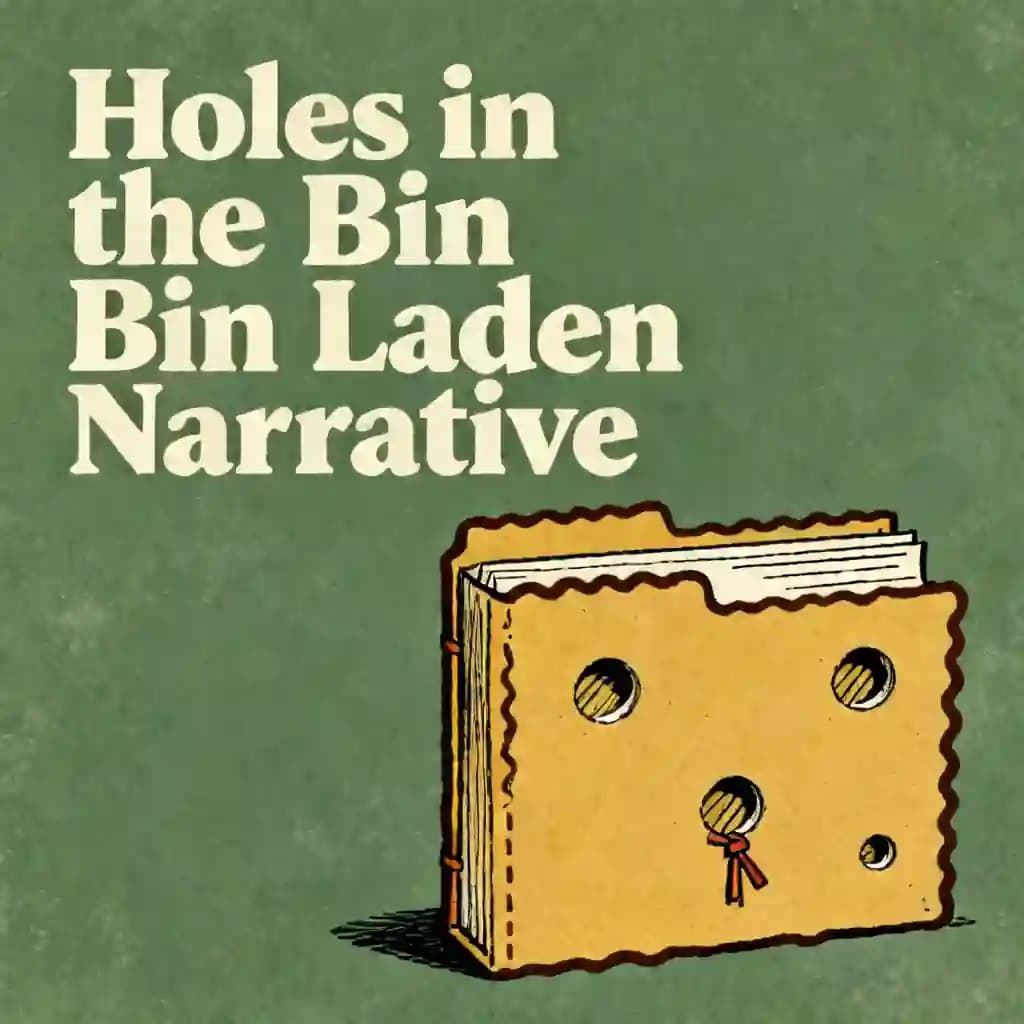
Best quote from Osama bin Laden Death Theories and Bush Family Connections
The 'holes' in the official story don't look like accidents; they look like 'features' of a very complex, long-running relationship. Whether it's a plane crash in 1988 or a burial at sea in 2011, the physical proof of these relationships and events is always just out of reach.
Generated by Ezra
Let’s look at all the holes in the Ben laden escapade. He looks like a different man in different videos. Friend of bush family. His body dumped. Look at all the holes in this story v




![Debunked: The "Fat" Bin Laden Video. [Wrong aspect ratio]](https://d1y2du6z1jfm9e.cloudfront.net/assets/podcast/green.png)

Frequently Asked Questions
Many theories question the official narrative of the 2011 Abbottabad raid, specifically focusing on the lack of photographic evidence and the rapid disposal of the body at sea. Skeptics often point to perceived discrepancies in video footage where bin Laden appears to look like a different person across various recordings. These theories suggest that the 'escapade' may have holes regarding the timing and execution of the mission.
The connection between the Bush family and the bin Laden family is a frequent topic of discussion in political discourse. Historical business ties and shared social circles between the two families have led to various theories about their relationship. Critics often examine these long-standing links to suggest that the geopolitical history surrounding the hunt for bin Laden is more complex than the public was initially led to believe.
The official explanation for dumping Osama bin Laden's body at sea was to follow Islamic tradition while preventing his grave from becoming a shrine for followers. However, this decision is a central point of contention in various conspiracy theories. Critics argue that the lack of a physical body or public burial site makes it difficult to verify the identity of the person killed during the Abbottabad raid, leading to further skepticism.
Observers have frequently noted discrepancies in the physical appearance of Osama bin Laden across different video releases over the years. Some claim he looks like a different man in various clips, citing changes in facial structure, beard color, and dominant hand usage. These visual inconsistencies are often used as evidence by those who believe the official story contains significant holes or that body doubles may have been used.
From Columbia University alumni built in San Francisco
"Instead of endless scrolling, I just hit play on BeFreed. It saves me so much time."


"I never knew where to start with nonfiction—BeFreed’s book lists turned into podcasts gave me a clear path."


"Perfect balance between learning and entertainment. Finished ‘Thinking, Fast and Slow’ on my commute this week."
"Crazy how much I learned while walking the dog. BeFreed = small habits → big gains."
"Reading used to feel like a chore. Now it’s just part of my lifestyle."

"Feels effortless compared to reading. I’ve finished 6 books this month already."
"BeFreed turned my guilty doomscrolling into something that feels productive and inspiring."

"BeFreed turned my commute into learning time. 20-min podcasts are perfect for finishing books I never had time for."
"BeFreed replaced my podcast queue. Imagine Spotify for books — that’s it. 🙌"

"It is great for me to learn something from the book without reading it."
"The themed book list podcasts help me connect ideas across authors—like a guided audio journey."
"Makes me feel smarter every time before going to work"
From Columbia University alumni built in San Francisco
"Instead of endless scrolling, I just hit play on BeFreed. It saves me so much time."
"I never knew where to start with nonfiction—BeFreed’s book lists turned into podcasts gave me a clear path."
"Perfect balance between learning and entertainment. Finished ‘Thinking, Fast and Slow’ on my commute this week."
"Crazy how much I learned while walking the dog. BeFreed = small habits → big gains."
"Reading used to feel like a chore. Now it’s just part of my lifestyle."
"Feels effortless compared to reading. I’ve finished 6 books this month already."
"BeFreed turned my guilty doomscrolling into something that feels productive and inspiring."
"BeFreed turned my commute into learning time. 20-min podcasts are perfect for finishing books I never had time for."
"BeFreed replaced my podcast queue. Imagine Spotify for books — that’s it. 🙌"
"It is great for me to learn something from the book without reading it."
"The themed book list podcasts help me connect ideas across authors—like a guided audio journey."
"Makes me feel smarter every time before going to work"
"Instead of endless scrolling, I just hit play on BeFreed. It saves me so much time."
"I never knew where to start with nonfiction—BeFreed’s book lists turned into podcasts gave me a clear path."
"Perfect balance between learning and entertainment. Finished ‘Thinking, Fast and Slow’ on my commute this week."
"Crazy how much I learned while walking the dog. BeFreed = small habits → big gains."
"Reading used to feel like a chore. Now it’s just part of my lifestyle."
"Feels effortless compared to reading. I’ve finished 6 books this month already."
"BeFreed turned my guilty doomscrolling into something that feels productive and inspiring."
"BeFreed turned my commute into learning time. 20-min podcasts are perfect for finishing books I never had time for."
"BeFreed replaced my podcast queue. Imagine Spotify for books — that’s it. 🙌"
"It is great for me to learn something from the book without reading it."
"The themed book list podcasts help me connect ideas across authors—like a guided audio journey."
"Makes me feel smarter every time before going to work"
"Instead of endless scrolling, I just hit play on BeFreed. It saves me so much time."
"I never knew where to start with nonfiction—BeFreed’s book lists turned into podcasts gave me a clear path."
"Perfect balance between learning and entertainment. Finished ‘Thinking, Fast and Slow’ on my commute this week."
"Crazy how much I learned while walking the dog. BeFreed = small habits → big gains."
"Reading used to feel like a chore. Now it’s just part of my lifestyle."
"Feels effortless compared to reading. I’ve finished 6 books this month already."
"BeFreed turned my guilty doomscrolling into something that feels productive and inspiring."
"BeFreed turned my commute into learning time. 20-min podcasts are perfect for finishing books I never had time for."
"BeFreed replaced my podcast queue. Imagine Spotify for books — that’s it. 🙌"
"It is great for me to learn something from the book without reading it."
"The themed book list podcasts help me connect ideas across authors—like a guided audio journey."
"Makes me feel smarter every time before going to work"