Las Vegas Shooting: Unanswered Questions and Helicopter Theories
Explore unanswered questions and helicopter theories surrounding the Las Vegas shooting. We dive into the investigation, footage, and details often left out.
Best quote from Las Vegas Shooting: Unanswered Questions and Helicopter Theories
A gap isn't nothing; a gap is data. If you can describe the shape of what’s missing, you’ve already told us something true about the case.
Generated by Ezra
What do we really know about the law Vegas shooting from recent years. It just disappeared , nothing to see here. But during that time there was footage and I actually saw with my own eyes men running across roofs and helicopters during the shooting. What’s up? Don’t we have a duty to truly understand all aspects of this. Let’s have a deep dive into the open questions and conspiracy that was banned from open conversation.

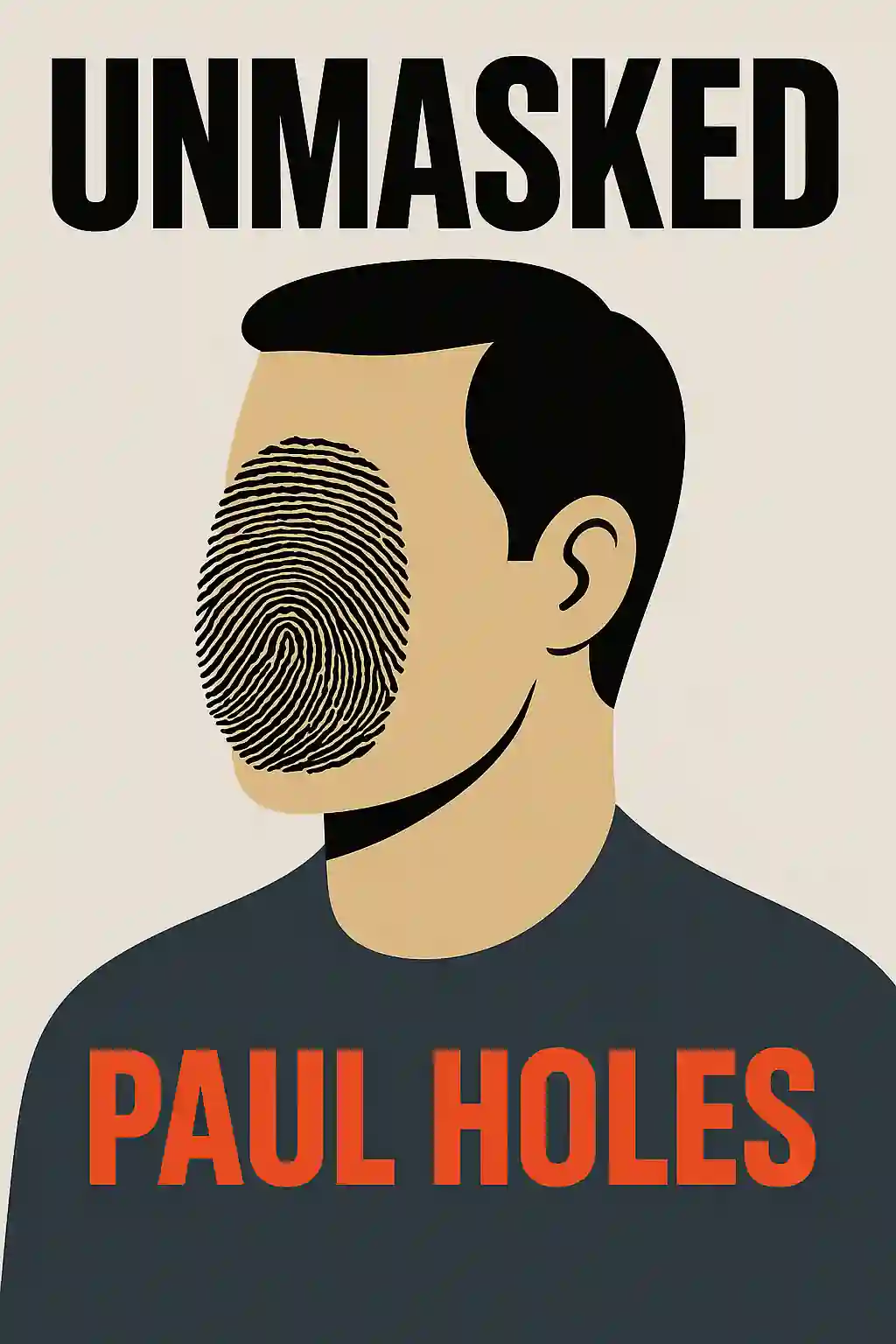
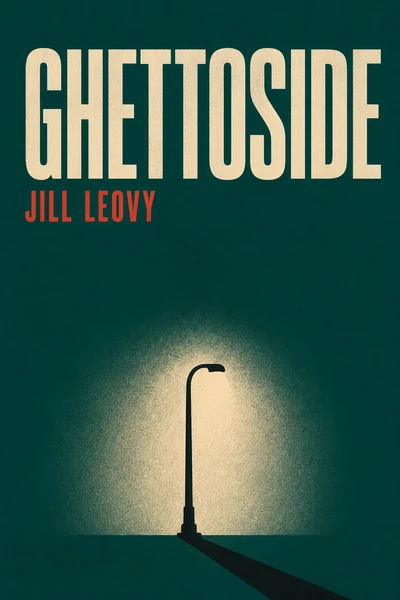
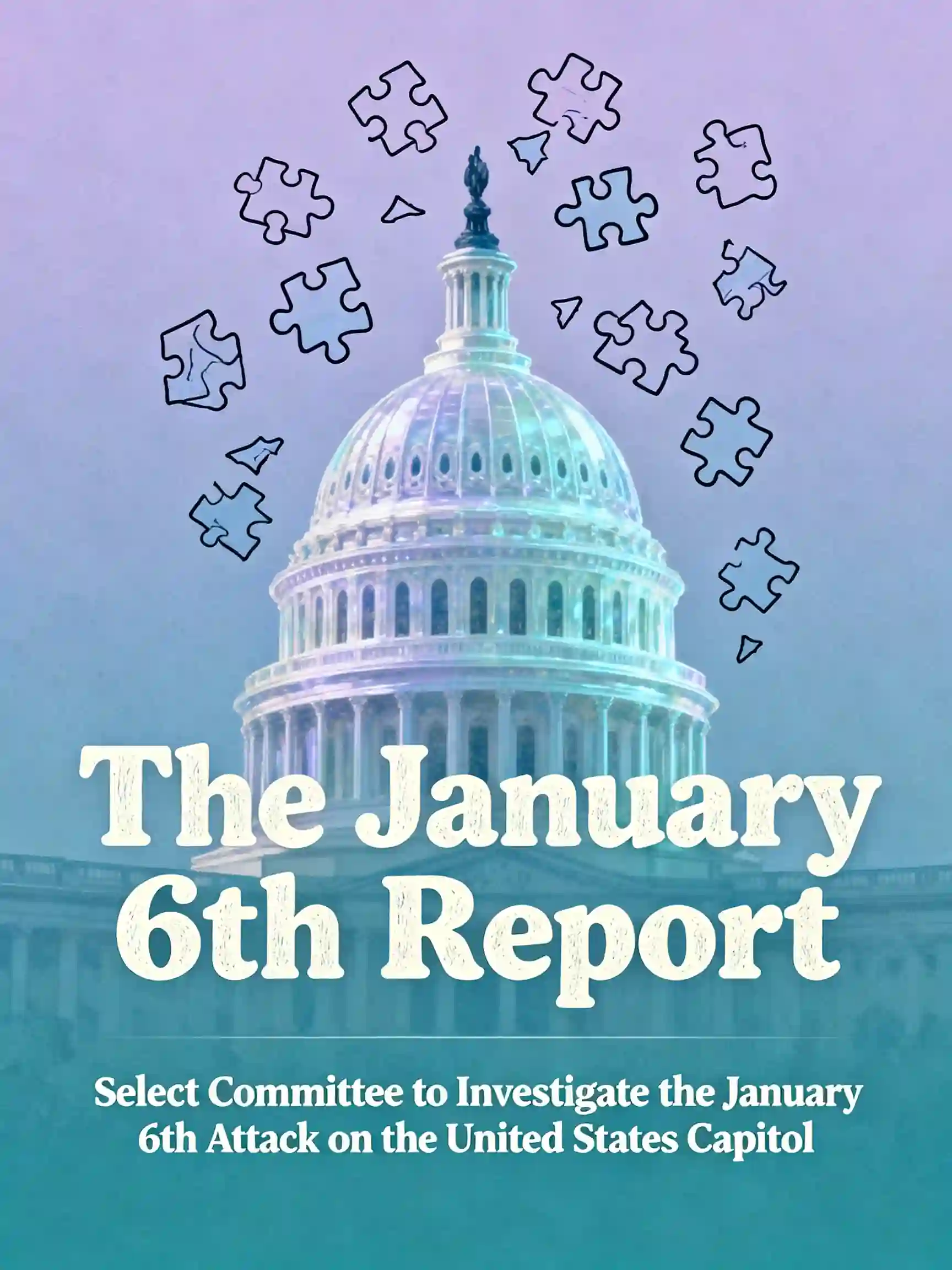
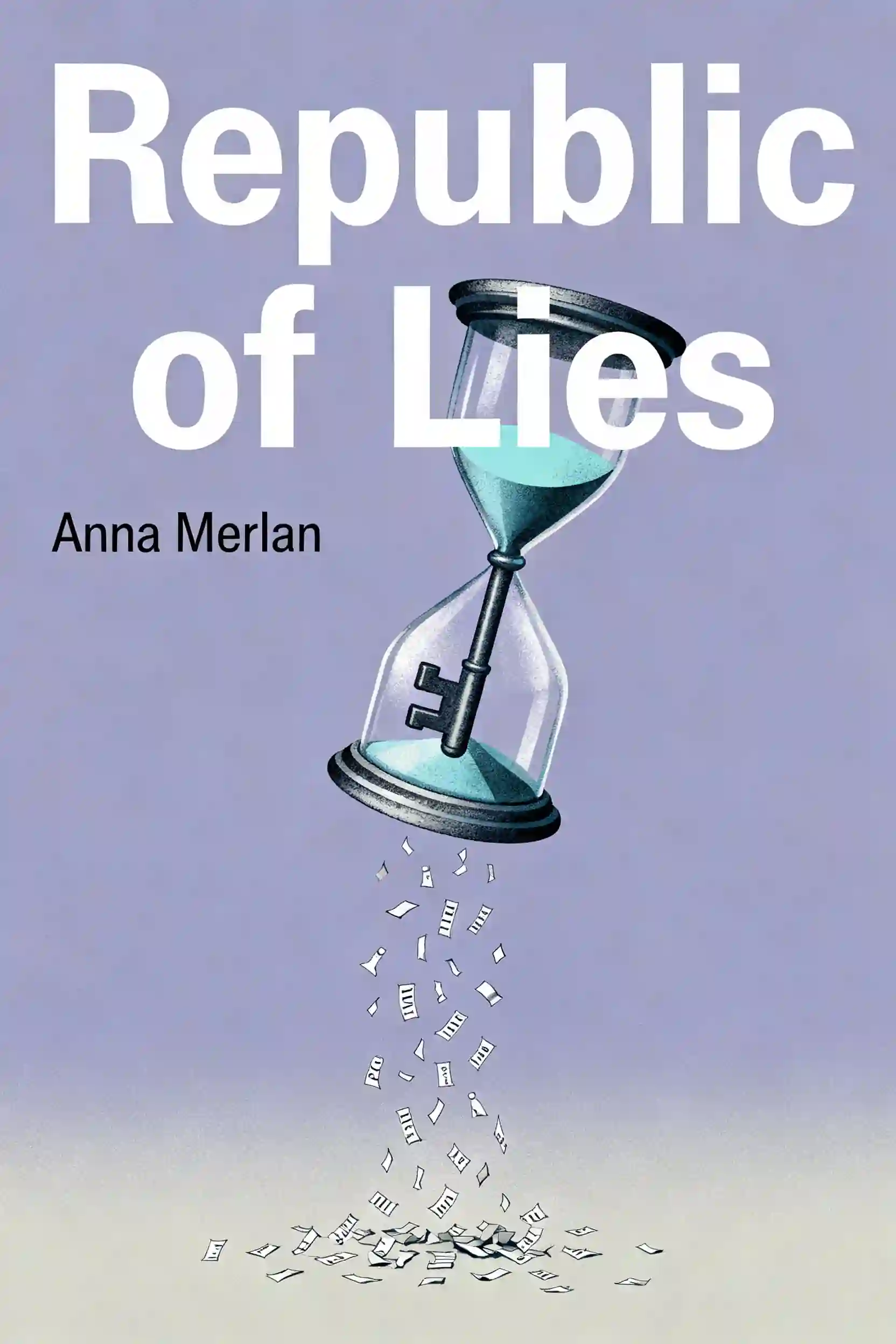
Frequently Asked Questions
Despite the official investigation into Stephen Paddock and the events at the Route 91 Harvest festival, many people still point to perceived gaps in the narrative. Common questions involve the shooter's motive, which remains officially undetermined, and the timeline of security responses at Mandalay Bay. This podcast episode explores these open questions and examines why certain aspects of the tragedy have led to ongoing public debate and calls for further transparency regarding the evidence collected.
Helicopter theories have become a significant part of the Las Vegas shooting conspiracy discussions. Some witnesses claim to have seen or heard multiple aircraft or men on roofs during the incident, leading to theories about additional shooters. While official reports attribute the gunfire solely to the 32nd floor of Mandalay Bay, we analyze the available helicopter footage and eyewitness accounts that continue to fuel alternative theories about how the attack was carried out.
The belief in a Las Vegas shooting conspiracy often stems from the rapid disappearance of the event from the 24-hour news cycle and the lack of a clear motive for Stephen Paddock. Critics argue that the sheer volume of ammunition and the logistics of the attack suggest more complexity than a single individual could manage. By looking at the shooting investigation through a critical lens, we address why these theories persist and the duty to understand every aspect of the event.
From Columbia University alumni built in San Francisco
"Instead of endless scrolling, I just hit play on BeFreed. It saves me so much time."


"I never knew where to start with nonfiction—BeFreed’s book lists turned into podcasts gave me a clear path."


"Perfect balance between learning and entertainment. Finished ‘Thinking, Fast and Slow’ on my commute this week."
"Crazy how much I learned while walking the dog. BeFreed = small habits → big gains."
"Reading used to feel like a chore. Now it’s just part of my lifestyle."

"Feels effortless compared to reading. I’ve finished 6 books this month already."
"BeFreed turned my guilty doomscrolling into something that feels productive and inspiring."

"BeFreed turned my commute into learning time. 20-min podcasts are perfect for finishing books I never had time for."
"BeFreed replaced my podcast queue. Imagine Spotify for books — that’s it. 🙌"

"It is great for me to learn something from the book without reading it."
"The themed book list podcasts help me connect ideas across authors—like a guided audio journey."
"Makes me feel smarter every time before going to work"
From Columbia University alumni built in San Francisco
"Instead of endless scrolling, I just hit play on BeFreed. It saves me so much time."
"I never knew where to start with nonfiction—BeFreed’s book lists turned into podcasts gave me a clear path."
"Perfect balance between learning and entertainment. Finished ‘Thinking, Fast and Slow’ on my commute this week."
"Crazy how much I learned while walking the dog. BeFreed = small habits → big gains."
"Reading used to feel like a chore. Now it’s just part of my lifestyle."
"Feels effortless compared to reading. I’ve finished 6 books this month already."
"BeFreed turned my guilty doomscrolling into something that feels productive and inspiring."
"BeFreed turned my commute into learning time. 20-min podcasts are perfect for finishing books I never had time for."
"BeFreed replaced my podcast queue. Imagine Spotify for books — that’s it. 🙌"
"It is great for me to learn something from the book without reading it."
"The themed book list podcasts help me connect ideas across authors—like a guided audio journey."
"Makes me feel smarter every time before going to work"
"Instead of endless scrolling, I just hit play on BeFreed. It saves me so much time."
"I never knew where to start with nonfiction—BeFreed’s book lists turned into podcasts gave me a clear path."
"Perfect balance between learning and entertainment. Finished ‘Thinking, Fast and Slow’ on my commute this week."
"Crazy how much I learned while walking the dog. BeFreed = small habits → big gains."
"Reading used to feel like a chore. Now it’s just part of my lifestyle."
"Feels effortless compared to reading. I’ve finished 6 books this month already."
"BeFreed turned my guilty doomscrolling into something that feels productive and inspiring."
"BeFreed turned my commute into learning time. 20-min podcasts are perfect for finishing books I never had time for."
"BeFreed replaced my podcast queue. Imagine Spotify for books — that’s it. 🙌"
"It is great for me to learn something from the book without reading it."
"The themed book list podcasts help me connect ideas across authors—like a guided audio journey."
"Makes me feel smarter every time before going to work"
"Instead of endless scrolling, I just hit play on BeFreed. It saves me so much time."
"I never knew where to start with nonfiction—BeFreed’s book lists turned into podcasts gave me a clear path."
"Perfect balance between learning and entertainment. Finished ‘Thinking, Fast and Slow’ on my commute this week."
"Crazy how much I learned while walking the dog. BeFreed = small habits → big gains."
"Reading used to feel like a chore. Now it’s just part of my lifestyle."
"Feels effortless compared to reading. I’ve finished 6 books this month already."
"BeFreed turned my guilty doomscrolling into something that feels productive and inspiring."
"BeFreed turned my commute into learning time. 20-min podcasts are perfect for finishing books I never had time for."
"BeFreed replaced my podcast queue. Imagine Spotify for books — that’s it. 🙌"
"It is great for me to learn something from the book without reading it."
"The themed book list podcasts help me connect ideas across authors—like a guided audio journey."
"Makes me feel smarter every time before going to work"