The Foraging Brain: Ecological Intelligence and Human Evolution
Explore how the Ecological Intelligence Hypothesis and foraging cognition shaped human evolution and cognitive performance in the wild forests of East Africa.

Best quote from The Foraging Brain: Ecological Intelligence and Human Evolution
Our ancestors were not just surviving—they were outsmarting a world that was constantly trying to hide its best resources. We are the descendants of the ultimate foragers, equipped with a mental toolkit designed to solve the most difficult puzzles nature could throw at us.
Generated by Freedee_F96D7E5A
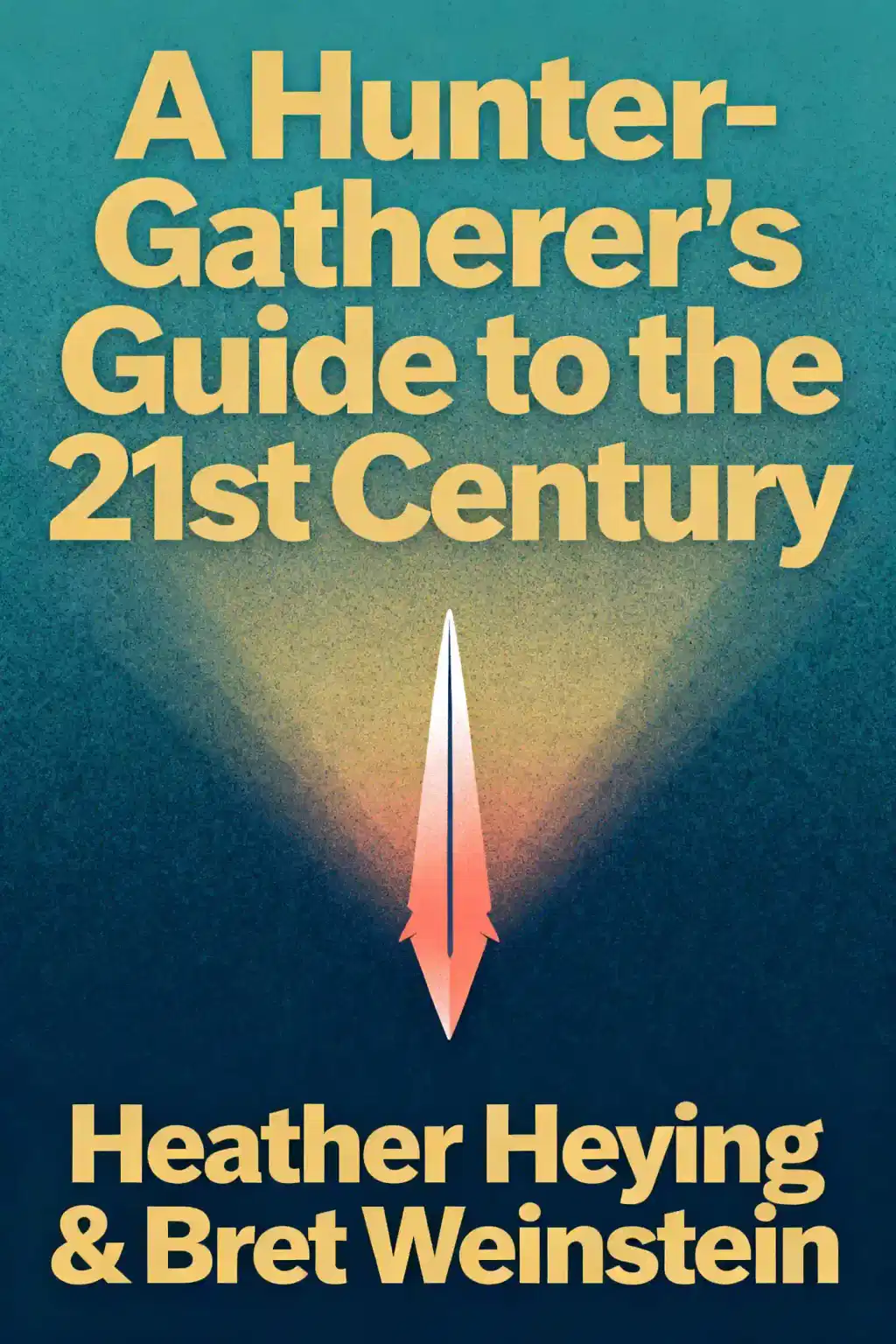
Most of our ancient ancestors had much wider and deeper knowledge of their physical surroundings than we do. They were not unintelligent at all. The h






Frequently Asked Questions
The Ecological Intelligence Hypothesis suggests that human brains evolved into high-performance engines primarily to solve the challenges of finding food in the wild. Unlike theories focusing solely on social drama, this hypothesis argues that outsmarting a hidden and changing environment was the key driver of our cognitive growth. It views our ancestors as high-stakes strategists who needed advanced mental capabilities to navigate complex landscapes and secure essential resources for survival.
Foraging cognition involves the specific mental skills developed to locate and secure food, such as spatial memory, inhibitory control, and complex decision-making. In the context of human evolution, these skills varied adaptively based on diet. For example, ancestors seeking rare, patchy fruits required different cognitive abilities than those eating common leaves. This research suggests that the demands of the prehistoric 'grocery run' in East Africa fundamentally shaped the modern human brain.
Early foragers relied on peak cognitive performance to survive, utilizing spatial memory to track resource locations and inhibitory control to manage impulses during the hunt for food. Decision-making was also critical, as ancestors had to process environmental data points like sounds and scents to find high-value resources. These abilities allowed them to navigate a world that was constantly hiding its best food sources, moving beyond the simple 'caveman' stereotype to become sophisticated ecological strategists.
From Columbia University alumni built in San Francisco
BeFreed Brings Together A Global Community Of Curious Minds


"Instead of endless scrolling, I just hit play on BeFreed. It saves me so much time."


"I never knew where to start with nonfiction—BeFreed’s book lists turned into podcasts gave me a clear path."


"Perfect balance between learning and entertainment. Finished ‘Thinking, Fast and Slow’ on my commute this week."
"Crazy how much I learned while walking the dog. BeFreed = small habits → big gains."
"Reading used to feel like a chore. Now it’s just part of my lifestyle."

"Feels effortless compared to reading. I’ve finished 6 books this month already."
"BeFreed turned my guilty doomscrolling into something that feels productive and inspiring."

"BeFreed turned my commute into learning time. 20-min podcasts are perfect for finishing books I never had time for."
"BeFreed replaced my podcast queue. Imagine Spotify for books — that’s it. 🙌"

"It is great for me to learn something from the book without reading it."
"The themed book list podcasts help me connect ideas across authors—like a guided audio journey."
"Makes me feel smarter every time before going to work"
From Columbia University alumni built in San Francisco
BeFreed Brings Together A Global Community Of Curious Minds
"Instead of endless scrolling, I just hit play on BeFreed. It saves me so much time."
"I never knew where to start with nonfiction—BeFreed’s book lists turned into podcasts gave me a clear path."
"Perfect balance between learning and entertainment. Finished ‘Thinking, Fast and Slow’ on my commute this week."
"Crazy how much I learned while walking the dog. BeFreed = small habits → big gains."
"Reading used to feel like a chore. Now it’s just part of my lifestyle."
"Feels effortless compared to reading. I’ve finished 6 books this month already."
"BeFreed turned my guilty doomscrolling into something that feels productive and inspiring."
"BeFreed turned my commute into learning time. 20-min podcasts are perfect for finishing books I never had time for."
"BeFreed replaced my podcast queue. Imagine Spotify for books — that’s it. 🙌"
"It is great for me to learn something from the book without reading it."
"The themed book list podcasts help me connect ideas across authors—like a guided audio journey."
"Makes me feel smarter every time before going to work"
"Instead of endless scrolling, I just hit play on BeFreed. It saves me so much time."
"I never knew where to start with nonfiction—BeFreed’s book lists turned into podcasts gave me a clear path."
"Perfect balance between learning and entertainment. Finished ‘Thinking, Fast and Slow’ on my commute this week."
"Crazy how much I learned while walking the dog. BeFreed = small habits → big gains."
"Reading used to feel like a chore. Now it’s just part of my lifestyle."
"Feels effortless compared to reading. I’ve finished 6 books this month already."
"BeFreed turned my guilty doomscrolling into something that feels productive and inspiring."
"BeFreed turned my commute into learning time. 20-min podcasts are perfect for finishing books I never had time for."
"BeFreed replaced my podcast queue. Imagine Spotify for books — that’s it. 🙌"
"It is great for me to learn something from the book without reading it."
"The themed book list podcasts help me connect ideas across authors—like a guided audio journey."
"Makes me feel smarter every time before going to work"
"Instead of endless scrolling, I just hit play on BeFreed. It saves me so much time."
"I never knew where to start with nonfiction—BeFreed’s book lists turned into podcasts gave me a clear path."
"Perfect balance between learning and entertainment. Finished ‘Thinking, Fast and Slow’ on my commute this week."
"Crazy how much I learned while walking the dog. BeFreed = small habits → big gains."
"Reading used to feel like a chore. Now it’s just part of my lifestyle."
"Feels effortless compared to reading. I’ve finished 6 books this month already."
"BeFreed turned my guilty doomscrolling into something that feels productive and inspiring."
"BeFreed turned my commute into learning time. 20-min podcasts are perfect for finishing books I never had time for."
"BeFreed replaced my podcast queue. Imagine Spotify for books — that’s it. 🙌"
"It is great for me to learn something from the book without reading it."
"The themed book list podcasts help me connect ideas across authors—like a guided audio journey."
"Makes me feel smarter every time before going to work"