Your Brain's Epic Evolutionary Journey
Discover how your three-pound brain evolved from primitive cell clusters to the complex organ that defines human consciousness, exploring millions of years of development.

Best quote from Your Brain's Epic Evolutionary Journey
We actually have the most cortical neurons of any species on Earth, and it really is about packing efficiency. Human neurons have much more complex dendritic trees, allowing individual neurons to integrate information from many more sources and perform independent computations.

This audio lesson was created by a BeFreed community member
Please give a lesson on the parts of the human brain and how it has evolved over time


Discover more

Evolutionary Psychology
This learning plan is essential for anyone seeking to understand the biological foundations of human behavior and why our ancient brains often clash with modern environments. It is particularly beneficial for students of psychology, marketers, and individuals interested in self-improvement and better decision-making.

Explore Human Mind, Culture & History
This plan bridges the gap between biological evolution and cultural history to explain what truly makes us human. It is ideal for curious minds seeking to understand the intersection of neuroscience, anthropology, and sociology.

Understanding human mind
This learning plan bridges the gap between biological neuroscience and practical psychology to reveal how our brains construct reality. It is ideal for curious minds, professionals, and students seeking to master their cognitive processes and understand the hidden drivers of human behavior.
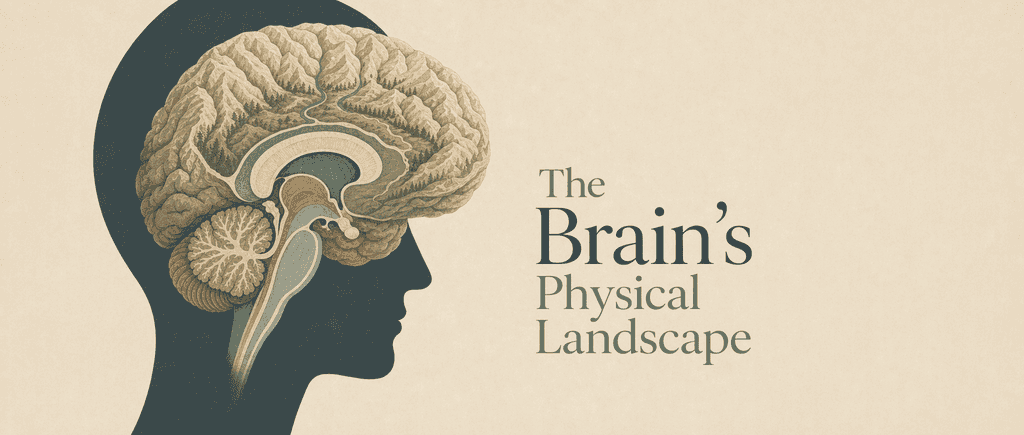
The Brain's Physical Landscape
Understanding the brain's physical architecture is the foundation for mastering neuroscience and psychology. This plan is ideal for students or professionals seeking a clear, structural map of how neural biology translates into human behavior.

The Architect of the Mind
This learning plan provides a comprehensive overview of how our understanding of human consciousness has evolved from philosophy to computational science. It is ideal for students of psychology, cognitive science, or history who wish to master the intersection of biological reality and mental architecture.

Neuropsychology & Brain Science Research
This learning plan bridges the gap between biological architecture and complex human behavior. It is designed for students, researchers, or healthcare professionals seeking a comprehensive understanding of how modern technology and clinical case studies inform our knowledge of the mind.

The Rise of Sapiens
This plan offers a profound look at the cognitive and structural shifts that defined humanity's trajectory. It is ideal for history enthusiasts and curious minds seeking to understand how collective beliefs and scientific breakthroughs shaped the modern world.

Psychedelic apes by Alex boese
This plan bridge the gap between evolutionary biology and the frontier of consciousness studies. It is ideal for curious minds, psychology students, and history buffs interested in how psychedelics and primate evolution shaped the modern human experience.
From Columbia University alumni built in San Francisco
"Instead of endless scrolling, I just hit play on BeFreed. It saves me so much time."


"I never knew where to start with nonfiction—BeFreed’s book lists turned into podcasts gave me a clear path."


"Perfect balance between learning and entertainment. Finished ‘Thinking, Fast and Slow’ on my commute this week."
"Crazy how much I learned while walking the dog. BeFreed = small habits → big gains."
"Reading used to feel like a chore. Now it’s just part of my lifestyle."

"Feels effortless compared to reading. I’ve finished 6 books this month already."
"BeFreed turned my guilty doomscrolling into something that feels productive and inspiring."

"BeFreed turned my commute into learning time. 20-min podcasts are perfect for finishing books I never had time for."
"BeFreed replaced my podcast queue. Imagine Spotify for books — that’s it. 🙌"

"It is great for me to learn something from the book without reading it."
"The themed book list podcasts help me connect ideas across authors—like a guided audio journey."
"Makes me feel smarter every time before going to work"
From Columbia University alumni built in San Francisco
"Instead of endless scrolling, I just hit play on BeFreed. It saves me so much time."
"I never knew where to start with nonfiction—BeFreed’s book lists turned into podcasts gave me a clear path."
"Perfect balance between learning and entertainment. Finished ‘Thinking, Fast and Slow’ on my commute this week."
"Crazy how much I learned while walking the dog. BeFreed = small habits → big gains."
"Reading used to feel like a chore. Now it’s just part of my lifestyle."
"Feels effortless compared to reading. I’ve finished 6 books this month already."
"BeFreed turned my guilty doomscrolling into something that feels productive and inspiring."
"BeFreed turned my commute into learning time. 20-min podcasts are perfect for finishing books I never had time for."
"BeFreed replaced my podcast queue. Imagine Spotify for books — that’s it. 🙌"
"It is great for me to learn something from the book without reading it."
"The themed book list podcasts help me connect ideas across authors—like a guided audio journey."
"Makes me feel smarter every time before going to work"
"Instead of endless scrolling, I just hit play on BeFreed. It saves me so much time."
"I never knew where to start with nonfiction—BeFreed’s book lists turned into podcasts gave me a clear path."
"Perfect balance between learning and entertainment. Finished ‘Thinking, Fast and Slow’ on my commute this week."
"Crazy how much I learned while walking the dog. BeFreed = small habits → big gains."
"Reading used to feel like a chore. Now it’s just part of my lifestyle."
"Feels effortless compared to reading. I’ve finished 6 books this month already."
"BeFreed turned my guilty doomscrolling into something that feels productive and inspiring."
"BeFreed turned my commute into learning time. 20-min podcasts are perfect for finishing books I never had time for."
"BeFreed replaced my podcast queue. Imagine Spotify for books — that’s it. 🙌"
"It is great for me to learn something from the book without reading it."
"The themed book list podcasts help me connect ideas across authors—like a guided audio journey."
"Makes me feel smarter every time before going to work"
"Instead of endless scrolling, I just hit play on BeFreed. It saves me so much time."
"I never knew where to start with nonfiction—BeFreed’s book lists turned into podcasts gave me a clear path."
"Perfect balance between learning and entertainment. Finished ‘Thinking, Fast and Slow’ on my commute this week."
"Crazy how much I learned while walking the dog. BeFreed = small habits → big gains."
"Reading used to feel like a chore. Now it’s just part of my lifestyle."
"Feels effortless compared to reading. I’ve finished 6 books this month already."
"BeFreed turned my guilty doomscrolling into something that feels productive and inspiring."
"BeFreed turned my commute into learning time. 20-min podcasts are perfect for finishing books I never had time for."
"BeFreed replaced my podcast queue. Imagine Spotify for books — that’s it. 🙌"
"It is great for me to learn something from the book without reading it."
"The themed book list podcasts help me connect ideas across authors—like a guided audio journey."
"Makes me feel smarter every time before going to work"