The Electric Ripple: Decoding Migraine Aura
Explore the science behind the 'brain storm' as we dive into cortical spreading depression and the neurological waves that rewrite our senses.

Best quote from The Electric Ripple: Decoding Migraine Aura
The aura is a neurological event that acts as a precursor for about a third of people who experience migraines; it is essentially a brain storm before the actual rain.
Generated by Monsieur
Aura


Frequently Asked Questions
A migraine aura is a neurological event that acts as a sensory precursor to a migraine headache for about one-third of sufferers. It is caused by cortical spreading depression (CSD), which is a slow-moving wave of high-intensity electrical activity that creeps across the brain's gray matter at a rate of two to five millimeters per minute. This wave begins with a burst of neurons firing—causing "positive" symptoms like flashing lights—followed by a period of suppressed activity that results in "negative" symptoms like blind spots or numbness.
The delay occurs because the transition from an electrical event in the brain to physical pain in the nerves is a chemical process. Research indicates that during the aura, the brain releases a cocktail of proteins, including CGRP, into the cerebrospinal fluid (CSF). This fluid acts as a courier, carrying the proteins to the trigeminal ganglion, a cluster of sensory nerves outside the brain. It takes approximately six minutes for these chemicals to reach and activate these "smoke detector" nerves, which then trigger the sensation of pain.
Visual symptoms are highly diverse and can include "scintillating scotomas" (flickering blind spots), "teichopsia" (jagged, fortification-like patterns), and "mosaic vision." Some people experience "Alice in Wonderland" effects like micropsia or macropsia, where objects appear tiny or huge. Beyond vision, the wave can move into other brain centers, causing "pins and needles" sensations in the limbs, difficulty finding words, or even temporary vertigo and double vision if the brainstem is affected.
The primary diagnostic "fingerprint" of a migraine aura is its gradual onset. A typical aura develops slowly over five to twenty minutes and usually lasts less than an hour. In contrast, symptoms of a stroke or TIA often hit "like a lightning bolt" in a split second. However, medical professionals warn that "red flags" such as sudden onset, symptoms lasting longer than sixty minutes, or motor weakness (paralysis) should be evaluated immediately to rule out vascular emergencies.
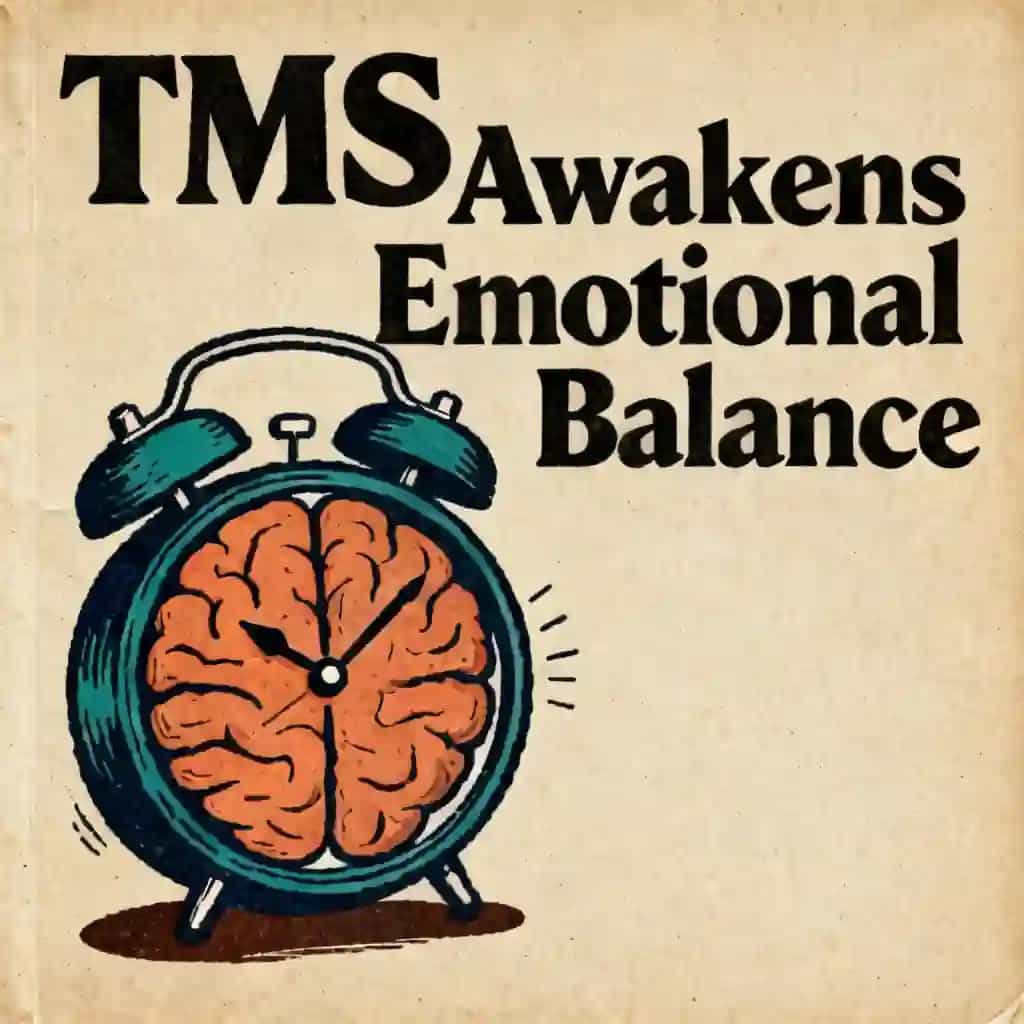
While standard painkillers and triptans are effective for the headache, they rarely stop an aura once it has begun because the electrical wave is already in motion. Emerging treatments like Transcranial Magnetic Stimulation (TMS) can sometimes "interrupt" the wave if used early. For prevention, medications like lamotrigine can help stabilize "hyperexcitable" neurons. Additionally, lifestyle consistency in sleep, hydration, and stress management can "raise the threshold" of the brain's circuit breaker, making it less likely to trip into an aura state.
From Columbia University alumni built in San Francisco
"Instead of endless scrolling, I just hit play on BeFreed. It saves me so much time."


"I never knew where to start with nonfiction—BeFreed’s book lists turned into podcasts gave me a clear path."


"Perfect balance between learning and entertainment. Finished ‘Thinking, Fast and Slow’ on my commute this week."
"Crazy how much I learned while walking the dog. BeFreed = small habits → big gains."
"Reading used to feel like a chore. Now it’s just part of my lifestyle."

"Feels effortless compared to reading. I’ve finished 6 books this month already."
"BeFreed turned my guilty doomscrolling into something that feels productive and inspiring."

"BeFreed turned my commute into learning time. 20-min podcasts are perfect for finishing books I never had time for."
"BeFreed replaced my podcast queue. Imagine Spotify for books — that’s it. 🙌"

"It is great for me to learn something from the book without reading it."
"The themed book list podcasts help me connect ideas across authors—like a guided audio journey."
"Makes me feel smarter every time before going to work"
 Ask ChatGPT
 Ask Claude
From Columbia University alumni built in San Francisco
"Instead of endless scrolling, I just hit play on BeFreed. It saves me so much time."
"I never knew where to start with nonfiction—BeFreed’s book lists turned into podcasts gave me a clear path."
"Perfect balance between learning and entertainment. Finished ‘Thinking, Fast and Slow’ on my commute this week."
"Crazy how much I learned while walking the dog. BeFreed = small habits → big gains."
"Reading used to feel like a chore. Now it’s just part of my lifestyle."
"Feels effortless compared to reading. I’ve finished 6 books this month already."
"BeFreed turned my guilty doomscrolling into something that feels productive and inspiring."
"BeFreed turned my commute into learning time. 20-min podcasts are perfect for finishing books I never had time for."
"BeFreed replaced my podcast queue. Imagine Spotify for books — that’s it. 🙌"
"It is great for me to learn something from the book without reading it."
"The themed book list podcasts help me connect ideas across authors—like a guided audio journey."
"Makes me feel smarter every time before going to work"
"Instead of endless scrolling, I just hit play on BeFreed. It saves me so much time."
"I never knew where to start with nonfiction—BeFreed’s book lists turned into podcasts gave me a clear path."
"Perfect balance between learning and entertainment. Finished ‘Thinking, Fast and Slow’ on my commute this week."
"Crazy how much I learned while walking the dog. BeFreed = small habits → big gains."
"Reading used to feel like a chore. Now it’s just part of my lifestyle."
"Feels effortless compared to reading. I’ve finished 6 books this month already."
"BeFreed turned my guilty doomscrolling into something that feels productive and inspiring."
"BeFreed turned my commute into learning time. 20-min podcasts are perfect for finishing books I never had time for."
"BeFreed replaced my podcast queue. Imagine Spotify for books — that’s it. 🙌"
"It is great for me to learn something from the book without reading it."
"The themed book list podcasts help me connect ideas across authors—like a guided audio journey."
"Makes me feel smarter every time before going to work"
"Instead of endless scrolling, I just hit play on BeFreed. It saves me so much time."
"I never knew where to start with nonfiction—BeFreed’s book lists turned into podcasts gave me a clear path."
"Perfect balance between learning and entertainment. Finished ‘Thinking, Fast and Slow’ on my commute this week."
"Crazy how much I learned while walking the dog. BeFreed = small habits → big gains."
"Reading used to feel like a chore. Now it’s just part of my lifestyle."
"Feels effortless compared to reading. I’ve finished 6 books this month already."
"BeFreed turned my guilty doomscrolling into something that feels productive and inspiring."
"BeFreed turned my commute into learning time. 20-min podcasts are perfect for finishing books I never had time for."
"BeFreed replaced my podcast queue. Imagine Spotify for books — that’s it. 🙌"
"It is great for me to learn something from the book without reading it."
"The themed book list podcasts help me connect ideas across authors—like a guided audio journey."
"Makes me feel smarter every time before going to work"