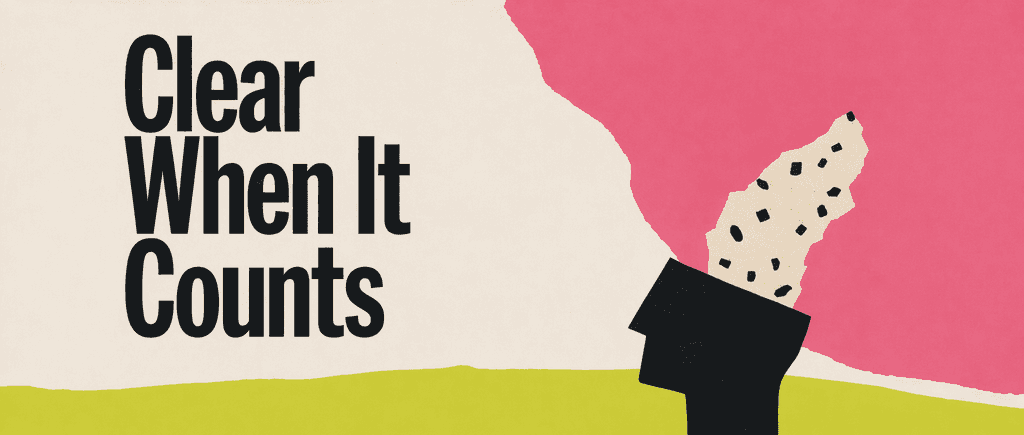
The Comp Pro’s Guide to Cognitive Stability
Master your mental budget and stop decision fatigue by auditing your daily focus, offloading data burdens, and mastering high-stakes transitions.

Best quote from The Comp Pro’s Guide to Cognitive Stability
We’re making thousands of decisions a day, and the biggest mistake we make is treating our focus like an infinite resource instead of a strict mental budget.
Generated by Rudy
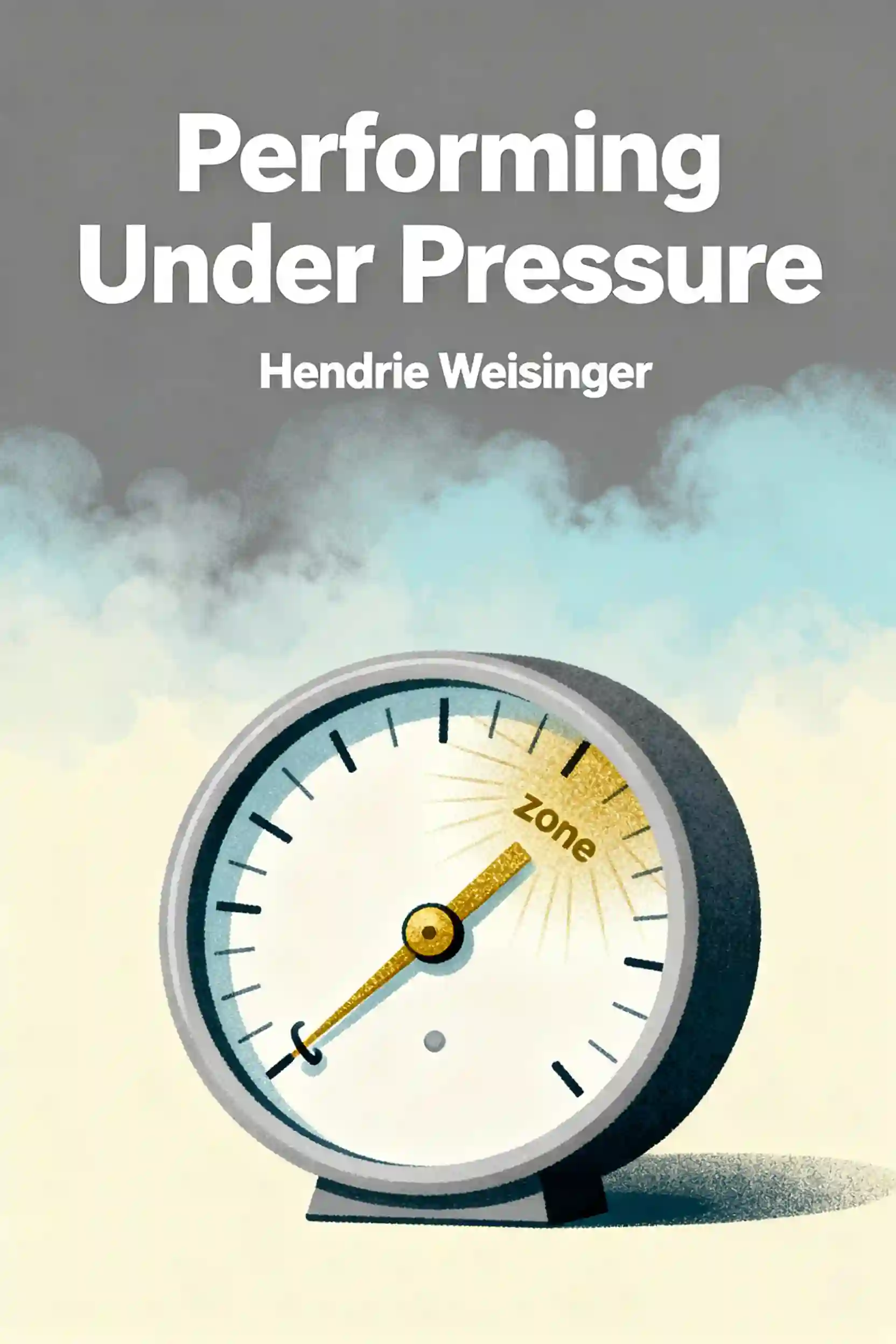
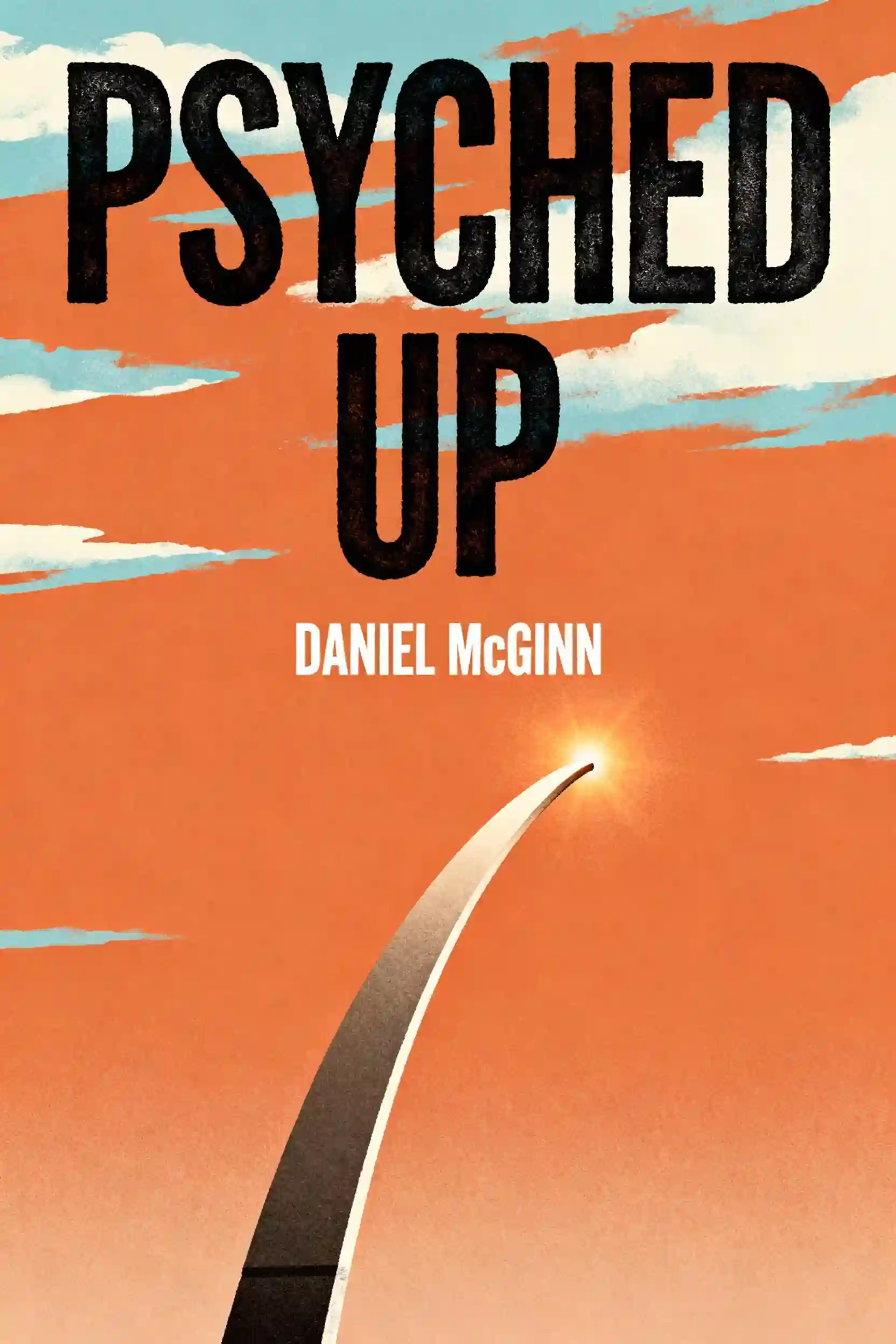
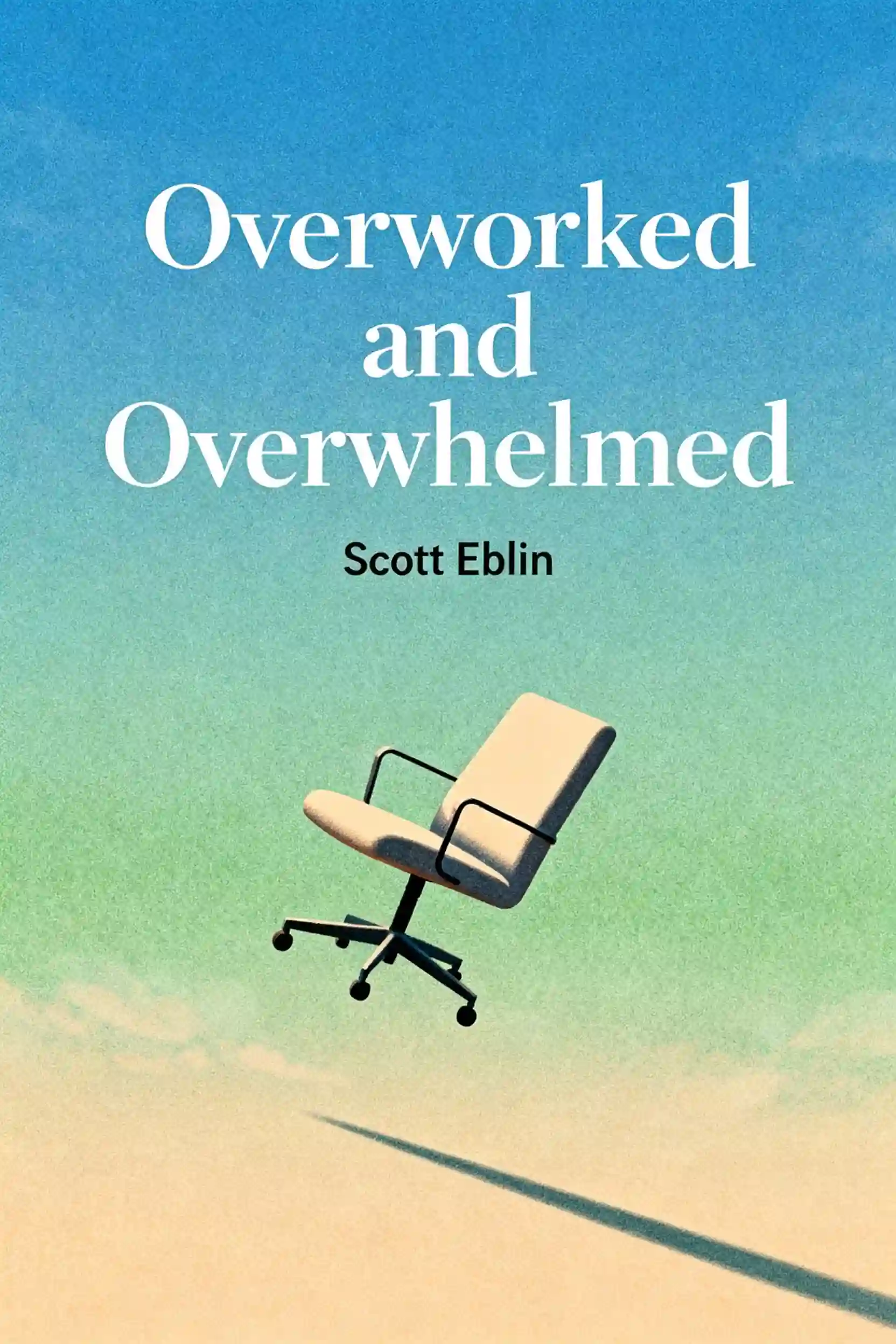
Cognitive stability focused for a compensation prfesional that has to deal with deadlines analysis and meetings

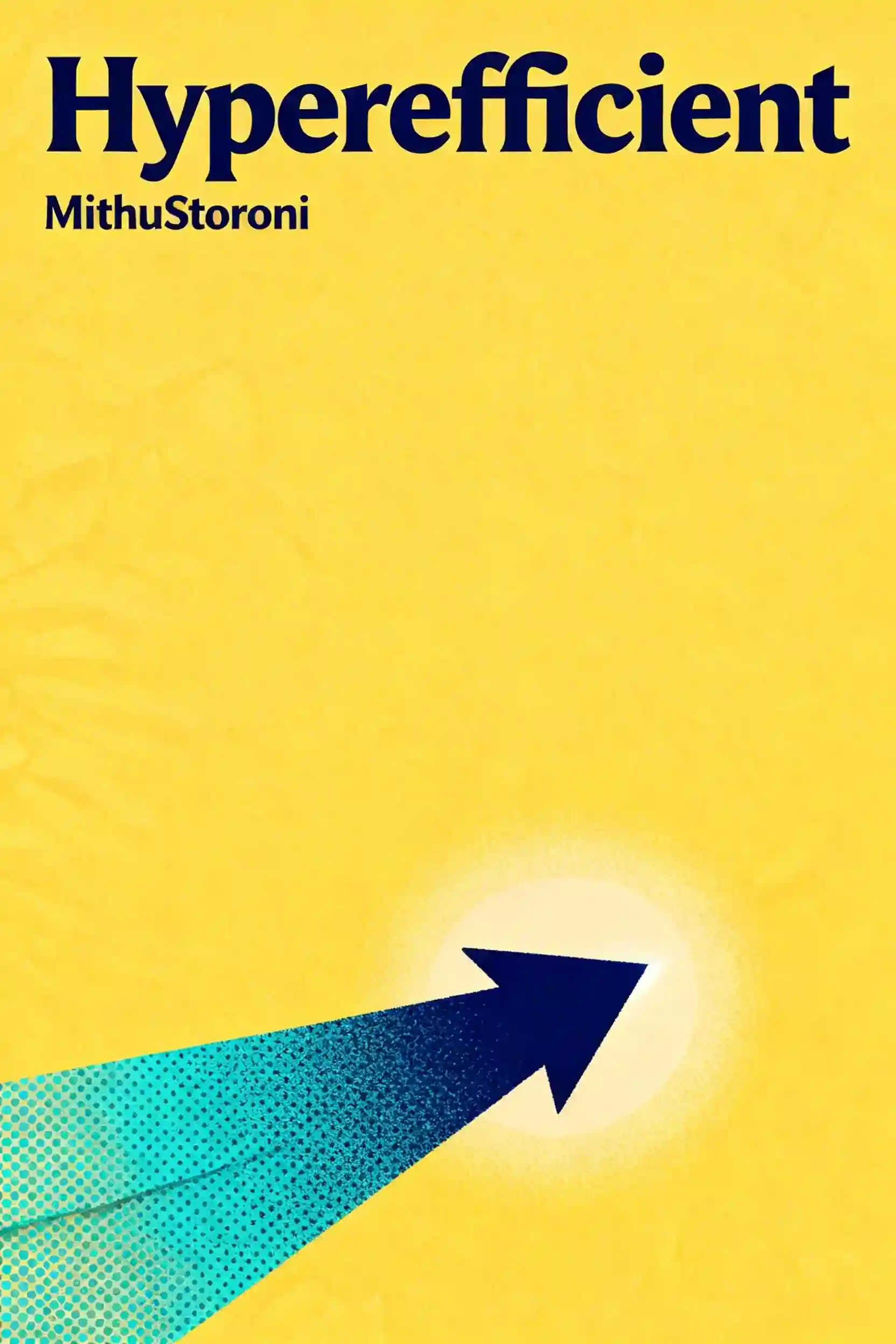
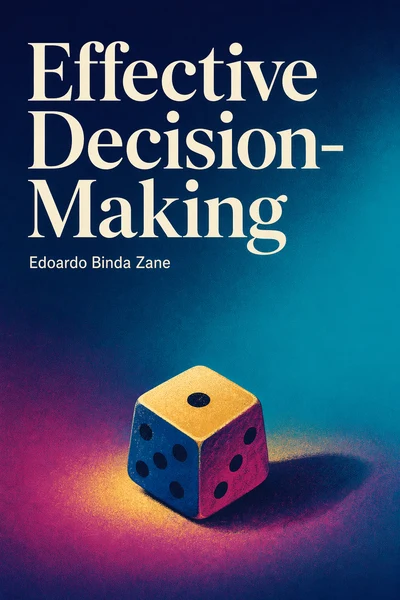
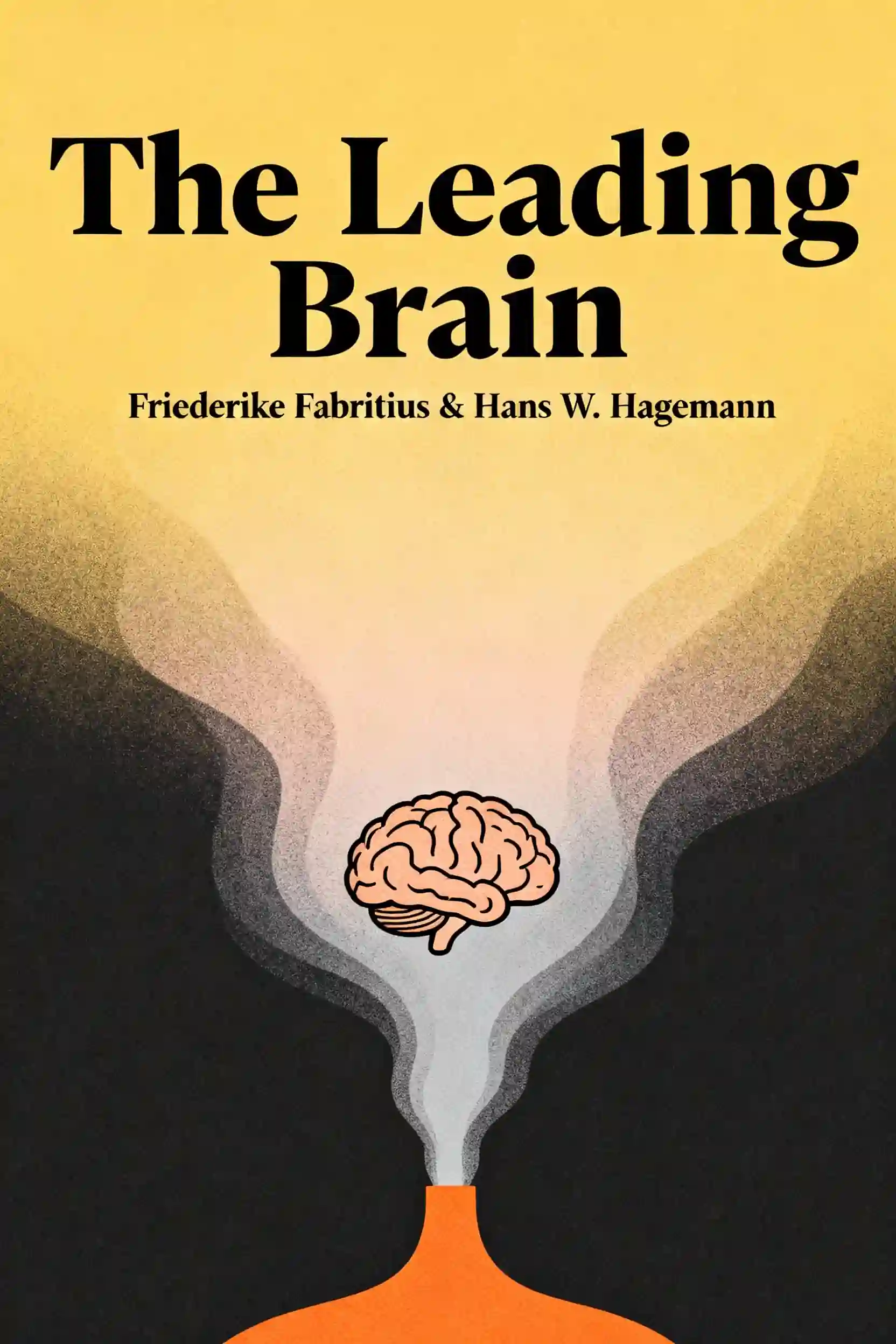
Frequently Asked Questions
A mental budget is the concept that focus and decision-making energy are finite resources rather than infinite ones. Professionals, particularly those in data-heavy roles like compensation, make roughly 35,000 decisions a day, which can lead to "decision fatigue" or "decision paralysis" by midday. Managing this budget involves identifying "decision leaks"—low-value choices like what to wear or how to format a routine email—that deplete your cognitive stamina before you reach complex, high-stakes tasks.
You can use "External Memory Systems" to offload information from your brain’s limited working memory to external tools. This includes creating documentation frameworks, reference dashboards, and pre-meeting checklists. By "cognitive offloading," you stop using your brain as a storage device (a hard drive) and instead use it as a processor. This strategy can reduce mental fatigue by up to 34% because it eliminates the need to constantly "re-load" context or hunt for scattered information.
Context switching is the act of jumping between unrelated tasks, such as moving from deep data analysis to answering an urgent instant message. Research shows that this "stuttering" can reduce productivity by up to 40% and significantly increase error rates because of "attention residue," where part of your brain remains stuck on the previous task. To combat this, you should use "task batching" to group similar activities together and implement "structured transitions" to help your brain mentally reset between different types of work.
Your physical workspace acts as the "hardware" for your brain, and poor conditions can act as "cognitive hazards." For example, poor air quality can decrease decision-making performance by 15%, while visual clutter on a desk functions as "visual noise" that can drop your functional IQ by five to ten points. Optimizing your environment with proper task lighting, a temperature between 70 and 72 degrees, and acoustic controls like noise-canceling headphones helps protect your "Executive Mind" from unnecessary strain.
A pre-commitment strategy involves creating "if-then" rules for recurring situations to eliminate the need for active decision-making. For instance, you might decide that if a specific request arrives without the necessary documentation, it is automatically sent back. By designing these systems in advance, you move from being reactive to being an "architect" of your focus, saving your mental currency for strategic analysis rather than routine administrative hurdles.
From Columbia University alumni built in San Francisco
"Instead of endless scrolling, I just hit play on BeFreed. It saves me so much time."


"I never knew where to start with nonfiction—BeFreed’s book lists turned into podcasts gave me a clear path."


"Perfect balance between learning and entertainment. Finished ‘Thinking, Fast and Slow’ on my commute this week."
"Crazy how much I learned while walking the dog. BeFreed = small habits → big gains."
"Reading used to feel like a chore. Now it’s just part of my lifestyle."

"Feels effortless compared to reading. I’ve finished 6 books this month already."
"BeFreed turned my guilty doomscrolling into something that feels productive and inspiring."

"BeFreed turned my commute into learning time. 20-min podcasts are perfect for finishing books I never had time for."
"BeFreed replaced my podcast queue. Imagine Spotify for books — that’s it. 🙌"

"It is great for me to learn something from the book without reading it."
"The themed book list podcasts help me connect ideas across authors—like a guided audio journey."
"Makes me feel smarter every time before going to work"
From Columbia University alumni built in San Francisco
"Instead of endless scrolling, I just hit play on BeFreed. It saves me so much time."
"I never knew where to start with nonfiction—BeFreed’s book lists turned into podcasts gave me a clear path."
"Perfect balance between learning and entertainment. Finished ‘Thinking, Fast and Slow’ on my commute this week."
"Crazy how much I learned while walking the dog. BeFreed = small habits → big gains."
"Reading used to feel like a chore. Now it’s just part of my lifestyle."
"Feels effortless compared to reading. I’ve finished 6 books this month already."
"BeFreed turned my guilty doomscrolling into something that feels productive and inspiring."
"BeFreed turned my commute into learning time. 20-min podcasts are perfect for finishing books I never had time for."
"BeFreed replaced my podcast queue. Imagine Spotify for books — that’s it. 🙌"
"It is great for me to learn something from the book without reading it."
"The themed book list podcasts help me connect ideas across authors—like a guided audio journey."
"Makes me feel smarter every time before going to work"
"Instead of endless scrolling, I just hit play on BeFreed. It saves me so much time."
"I never knew where to start with nonfiction—BeFreed’s book lists turned into podcasts gave me a clear path."
"Perfect balance between learning and entertainment. Finished ‘Thinking, Fast and Slow’ on my commute this week."
"Crazy how much I learned while walking the dog. BeFreed = small habits → big gains."
"Reading used to feel like a chore. Now it’s just part of my lifestyle."
"Feels effortless compared to reading. I’ve finished 6 books this month already."
"BeFreed turned my guilty doomscrolling into something that feels productive and inspiring."
"BeFreed turned my commute into learning time. 20-min podcasts are perfect for finishing books I never had time for."
"BeFreed replaced my podcast queue. Imagine Spotify for books — that’s it. 🙌"
"It is great for me to learn something from the book without reading it."
"The themed book list podcasts help me connect ideas across authors—like a guided audio journey."
"Makes me feel smarter every time before going to work"
"Instead of endless scrolling, I just hit play on BeFreed. It saves me so much time."
"I never knew where to start with nonfiction—BeFreed’s book lists turned into podcasts gave me a clear path."
"Perfect balance between learning and entertainment. Finished ‘Thinking, Fast and Slow’ on my commute this week."
"Crazy how much I learned while walking the dog. BeFreed = small habits → big gains."
"Reading used to feel like a chore. Now it’s just part of my lifestyle."
"Feels effortless compared to reading. I’ve finished 6 books this month already."
"BeFreed turned my guilty doomscrolling into something that feels productive and inspiring."
"BeFreed turned my commute into learning time. 20-min podcasts are perfect for finishing books I never had time for."
"BeFreed replaced my podcast queue. Imagine Spotify for books — that’s it. 🙌"
"It is great for me to learn something from the book without reading it."
"The themed book list podcasts help me connect ideas across authors—like a guided audio journey."
"Makes me feel smarter every time before going to work"


![[ce677502-fd1a-420a-8c9b-aa14aa90fc61:c0000] The Cognitive Performance Toolkit | BeFreed p1-1](/_next/image?url=https%3A%2F%2Fd1y2du6z1jfm9e.cloudfront.net%2Fassets%2Fpodcast%2Fblue.png&w=1024&q=50)
![[ce677502-fd1a-420a-8c9b-aa14aa90fc61:c0001] The Cognitive Performance Toolkit | BeFreed p1-1](/_next/image?url=https%3A%2F%2Fd1y2du6z1jfm9e.cloudfront.net%2Fassets%2Fpodcast%2Fpurple.png&w=1024&q=50)