Make better decisions by stopping the mental drain
Struggling with decision fatigue? Learn how to build a mental gate that filters out trivial choices so you can focus your energy on the big bets.

Best quote from Make better decisions by stopping the mental drain
Most of us don’t actually have a decision problem—we have a sorting problem. The real life-hack isn't 'thinking harder,' it's building a gate to keep the trivial stuff out so you can save your energy for the big bets.
Generated by David
How to make decisions better

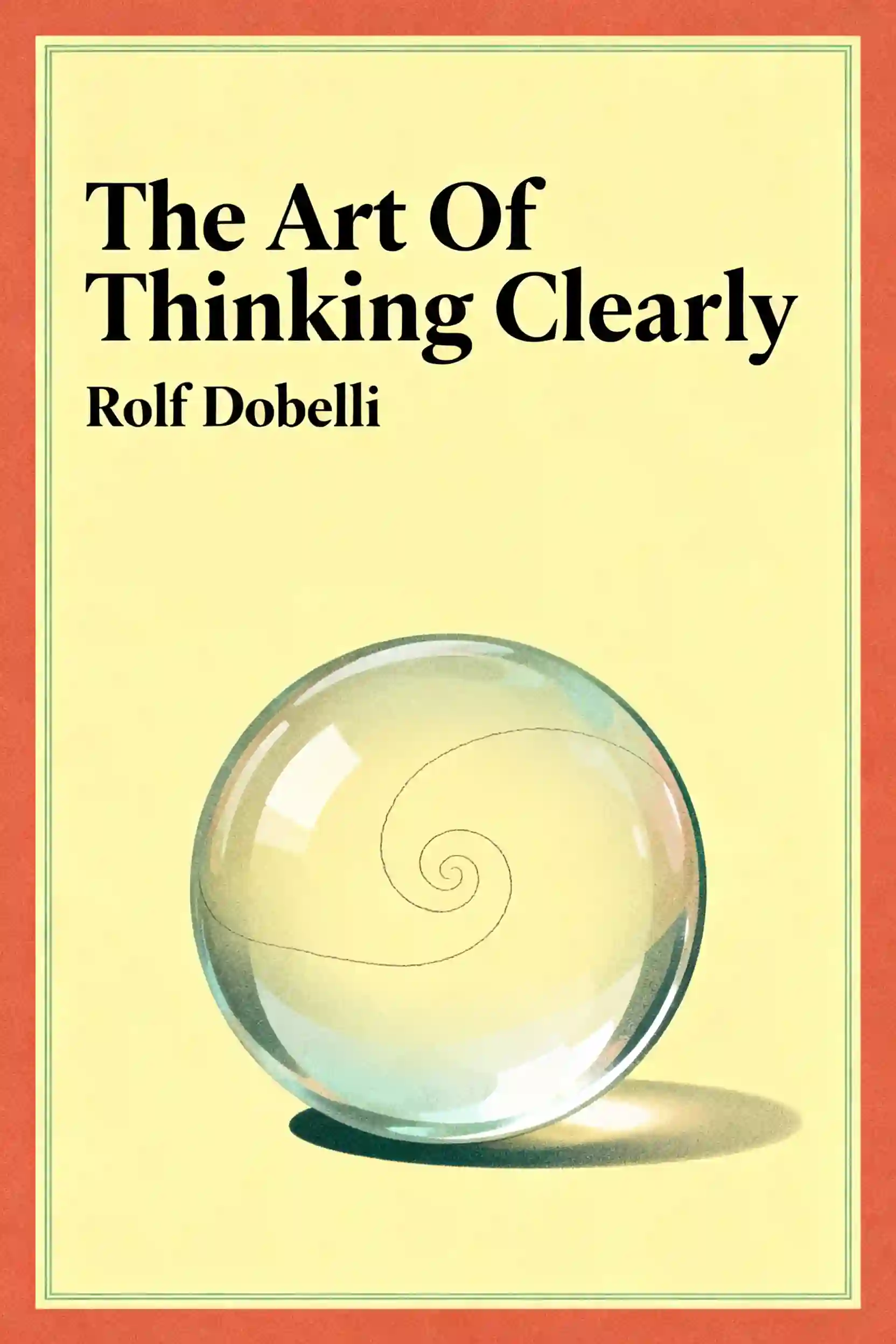
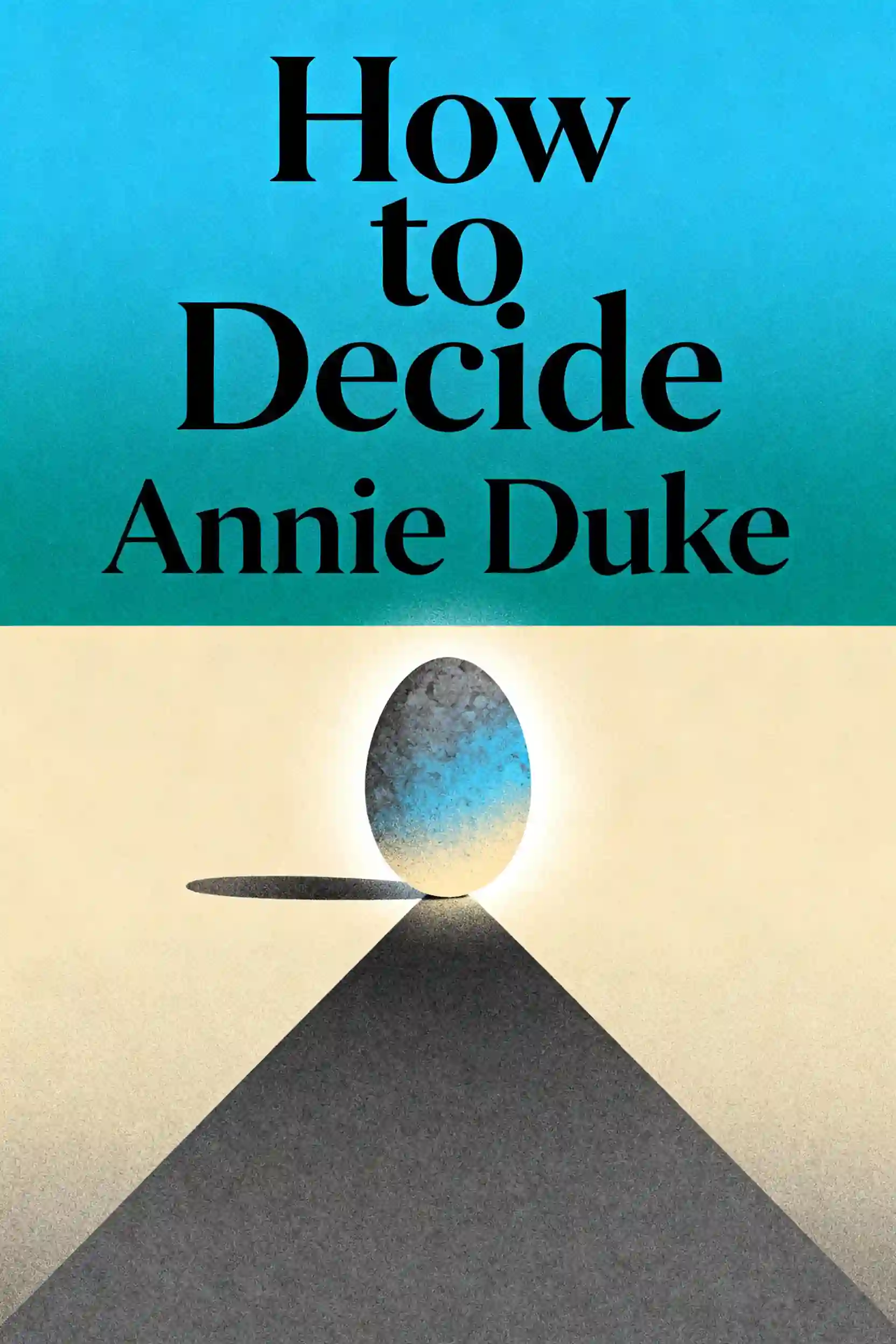
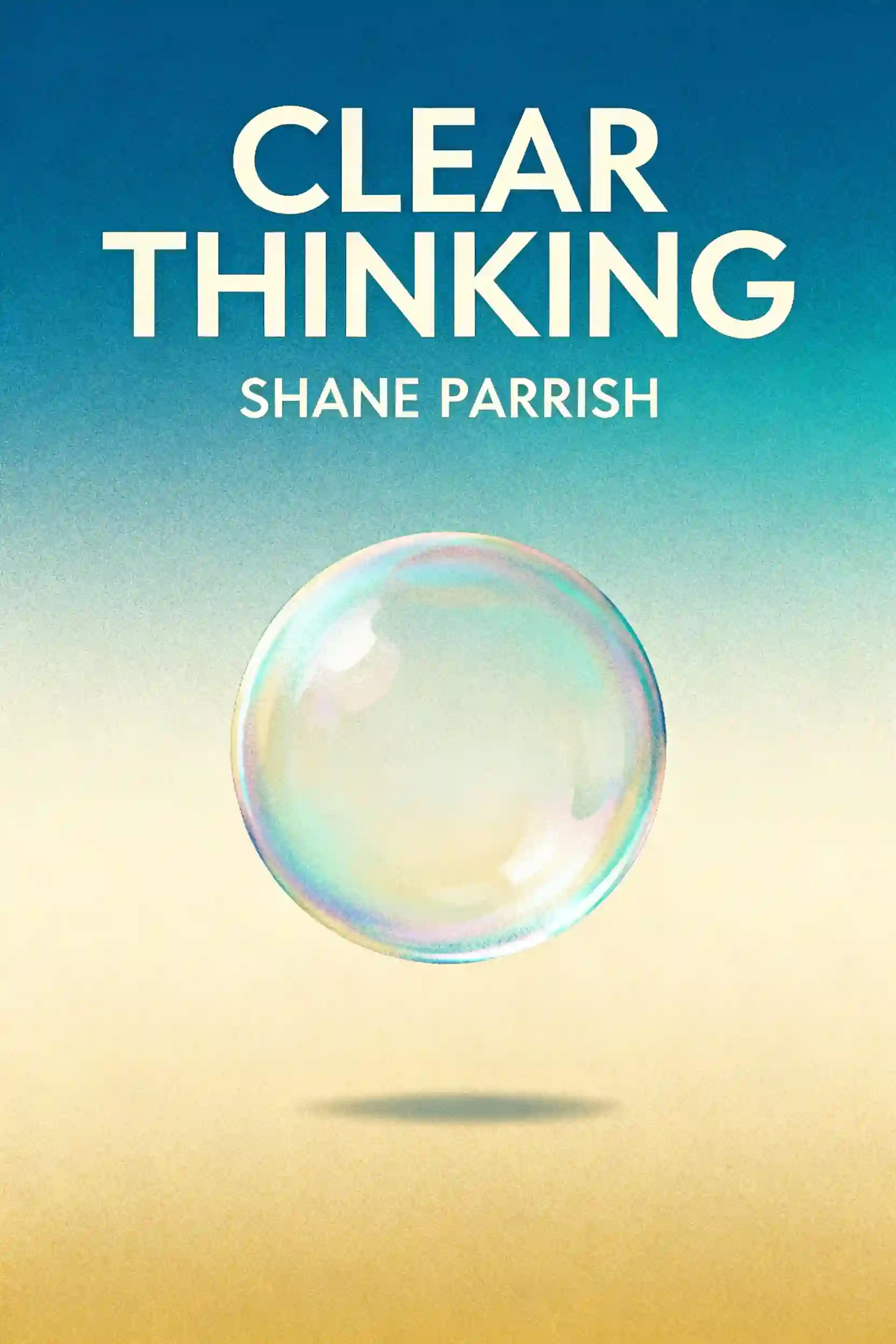
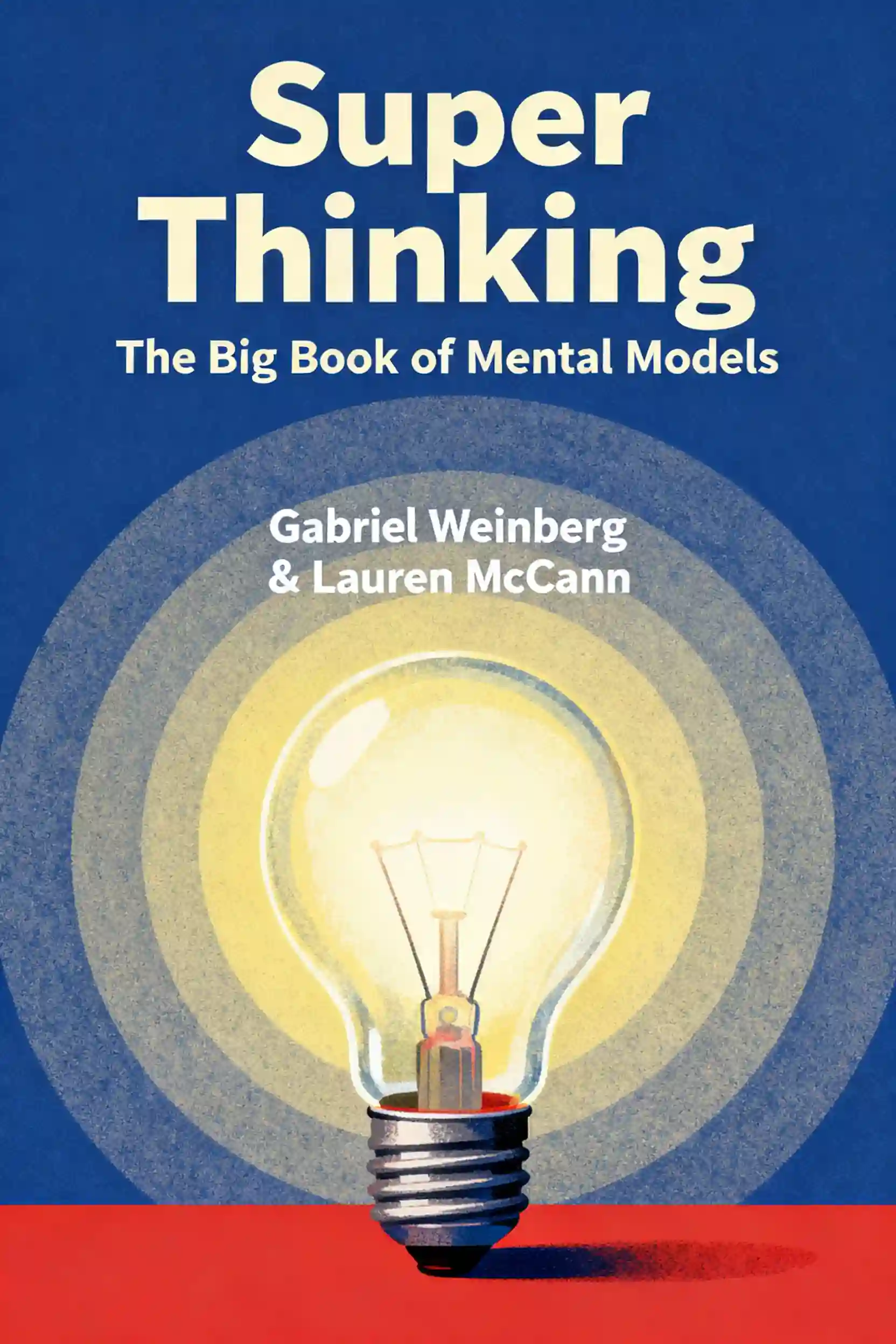
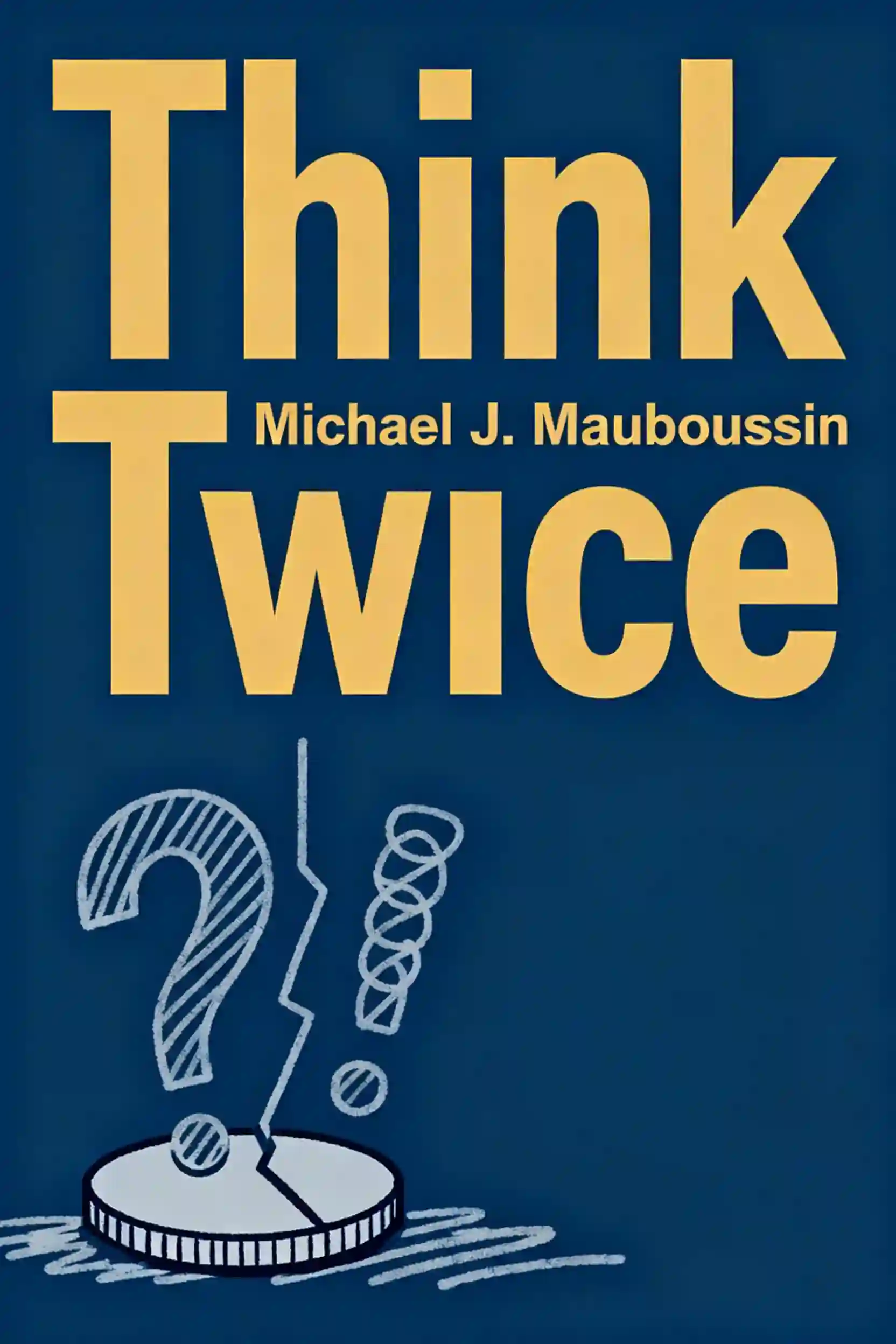
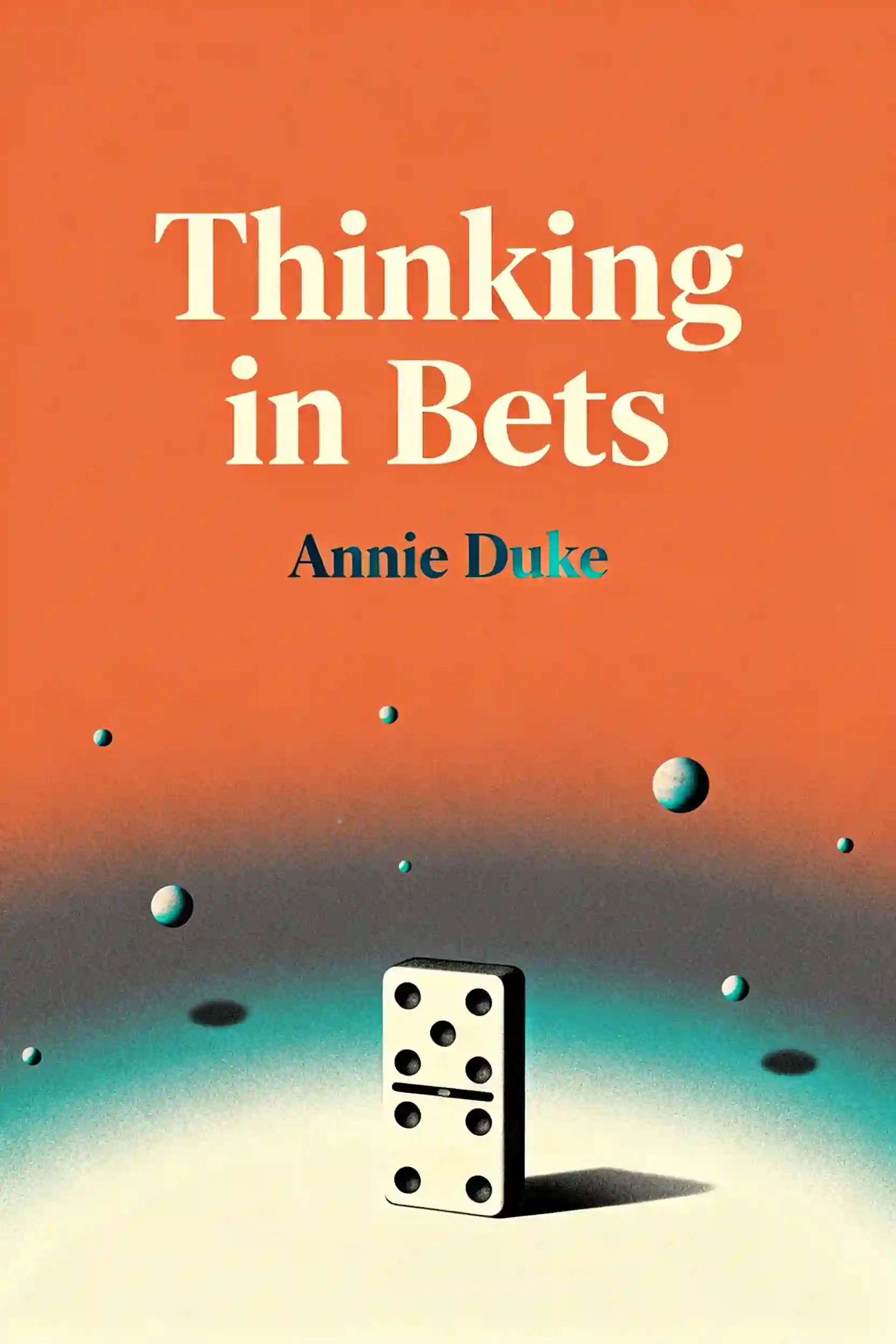
Frequently Asked Questions
Decision architecture is the practice of designing the mental environment in which you make choices rather than just reacting to information as it arrives. According to the script, most people suffer from a "sorting problem" where they waste equal mental energy on trivial and high-stakes decisions. By mapping "decision nodes"—the specific times and places where major choices occur—and auditing "signal integrity" to ensure information is timely and reliable, you can preserve mental runway for the decisions that actually matter.
Standard or first-order thinking focuses only on the immediate, direct result of an action, such as cutting prices to increase sales. Second-order thinking involves asking "And then what?" to uncover the subsequent consequences of that initial result. This process helps identify hidden risks, such as competitors matching price cuts and shrinking industry margins, which might make a seemingly brilliant short-term move a long-term failure.
A "Kill Assumption" is a specific gate in the reasoning process where you identify a single underlying premise that, if proven false, would completely reverse your decision. By naming this "tripwire" upfront, you create a pre-programmed eject button for your future self. This reduces post-decision anxiety because you have a clear, objective signal that tells you exactly when it is time to pivot or abandon a chosen path.
The Vroom-Yetton-Jago model suggests that the level of team inclusion should depend on the specific situation rather than a general preference for consensus. If a decision requires high technical quality and team commitment is essential for implementation, a consultative or group-based approach is necessary. However, if the leader has all the required expertise, the team is already aligned with the goals, and time is a factor, the model gives "permission" to make an autocratic decision to avoid decision fatigue and "consensus sprawl."
Coined by Charlie Munger, a latticework is a collection of big ideas from various disciplines like physics, biology, and psychology that are woven together to better understand reality. Instead of looking at every problem through a single lens, such as marketing or economics, a latticework allows you to see how different forces interact. This helps identify "Lollapalooza Effects," where multiple biases or models align to create massive successes or catastrophic failures.
From Columbia University alumni built in San Francisco
"Instead of endless scrolling, I just hit play on BeFreed. It saves me so much time."


"I never knew where to start with nonfiction—BeFreed’s book lists turned into podcasts gave me a clear path."


"Perfect balance between learning and entertainment. Finished ‘Thinking, Fast and Slow’ on my commute this week."
"Crazy how much I learned while walking the dog. BeFreed = small habits → big gains."
"Reading used to feel like a chore. Now it’s just part of my lifestyle."

"Feels effortless compared to reading. I’ve finished 6 books this month already."
"BeFreed turned my guilty doomscrolling into something that feels productive and inspiring."

"BeFreed turned my commute into learning time. 20-min podcasts are perfect for finishing books I never had time for."
"BeFreed replaced my podcast queue. Imagine Spotify for books — that’s it. 🙌"

"It is great for me to learn something from the book without reading it."
"The themed book list podcasts help me connect ideas across authors—like a guided audio journey."
"Makes me feel smarter every time before going to work"
 Ask ChatGPT
 Ask Claude
From Columbia University alumni built in San Francisco
"Instead of endless scrolling, I just hit play on BeFreed. It saves me so much time."
"I never knew where to start with nonfiction—BeFreed’s book lists turned into podcasts gave me a clear path."
"Perfect balance between learning and entertainment. Finished ‘Thinking, Fast and Slow’ on my commute this week."
"Crazy how much I learned while walking the dog. BeFreed = small habits → big gains."
"Reading used to feel like a chore. Now it’s just part of my lifestyle."
"Feels effortless compared to reading. I’ve finished 6 books this month already."
"BeFreed turned my guilty doomscrolling into something that feels productive and inspiring."
"BeFreed turned my commute into learning time. 20-min podcasts are perfect for finishing books I never had time for."
"BeFreed replaced my podcast queue. Imagine Spotify for books — that’s it. 🙌"
"It is great for me to learn something from the book without reading it."
"The themed book list podcasts help me connect ideas across authors—like a guided audio journey."
"Makes me feel smarter every time before going to work"
"Instead of endless scrolling, I just hit play on BeFreed. It saves me so much time."
"I never knew where to start with nonfiction—BeFreed’s book lists turned into podcasts gave me a clear path."
"Perfect balance between learning and entertainment. Finished ‘Thinking, Fast and Slow’ on my commute this week."
"Crazy how much I learned while walking the dog. BeFreed = small habits → big gains."
"Reading used to feel like a chore. Now it’s just part of my lifestyle."
"Feels effortless compared to reading. I’ve finished 6 books this month already."
"BeFreed turned my guilty doomscrolling into something that feels productive and inspiring."
"BeFreed turned my commute into learning time. 20-min podcasts are perfect for finishing books I never had time for."
"BeFreed replaced my podcast queue. Imagine Spotify for books — that’s it. 🙌"
"It is great for me to learn something from the book without reading it."
"The themed book list podcasts help me connect ideas across authors—like a guided audio journey."
"Makes me feel smarter every time before going to work"
"Instead of endless scrolling, I just hit play on BeFreed. It saves me so much time."
"I never knew where to start with nonfiction—BeFreed’s book lists turned into podcasts gave me a clear path."
"Perfect balance between learning and entertainment. Finished ‘Thinking, Fast and Slow’ on my commute this week."
"Crazy how much I learned while walking the dog. BeFreed = small habits → big gains."
"Reading used to feel like a chore. Now it’s just part of my lifestyle."
"Feels effortless compared to reading. I’ve finished 6 books this month already."
"BeFreed turned my guilty doomscrolling into something that feels productive and inspiring."
"BeFreed turned my commute into learning time. 20-min podcasts are perfect for finishing books I never had time for."
"BeFreed replaced my podcast queue. Imagine Spotify for books — that’s it. 🙌"
"It is great for me to learn something from the book without reading it."
"The themed book list podcasts help me connect ideas across authors—like a guided audio journey."
"Makes me feel smarter every time before going to work"








![[ce677502-fd1a-420a-8c9b-aa14aa90fc61:c0001] The Cognitive Performance Toolkit | BeFreed p1-1](/_next/image?url=https%3A%2F%2Fd1y2du6z1jfm9e.cloudfront.net%2Fassets%2Fpodcast%2Fpurple.png&w=1024&q=50)