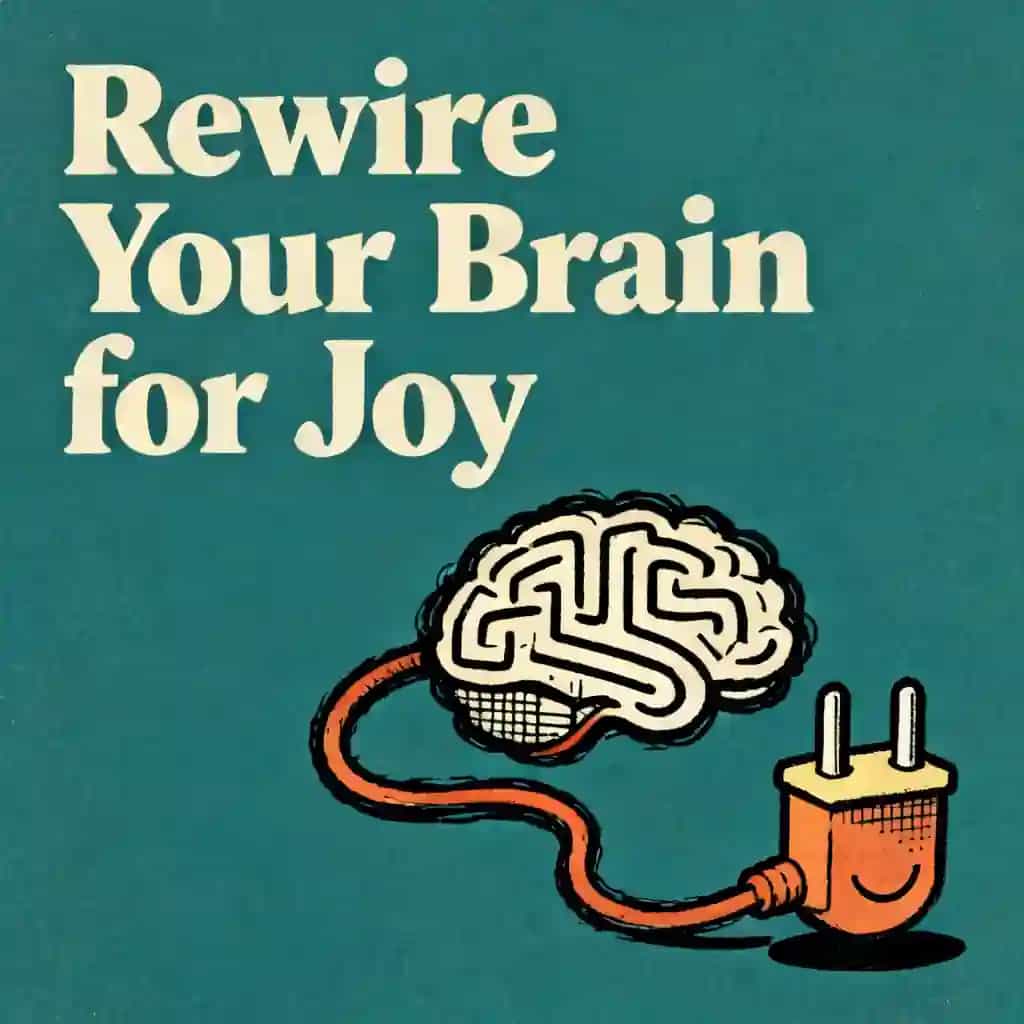
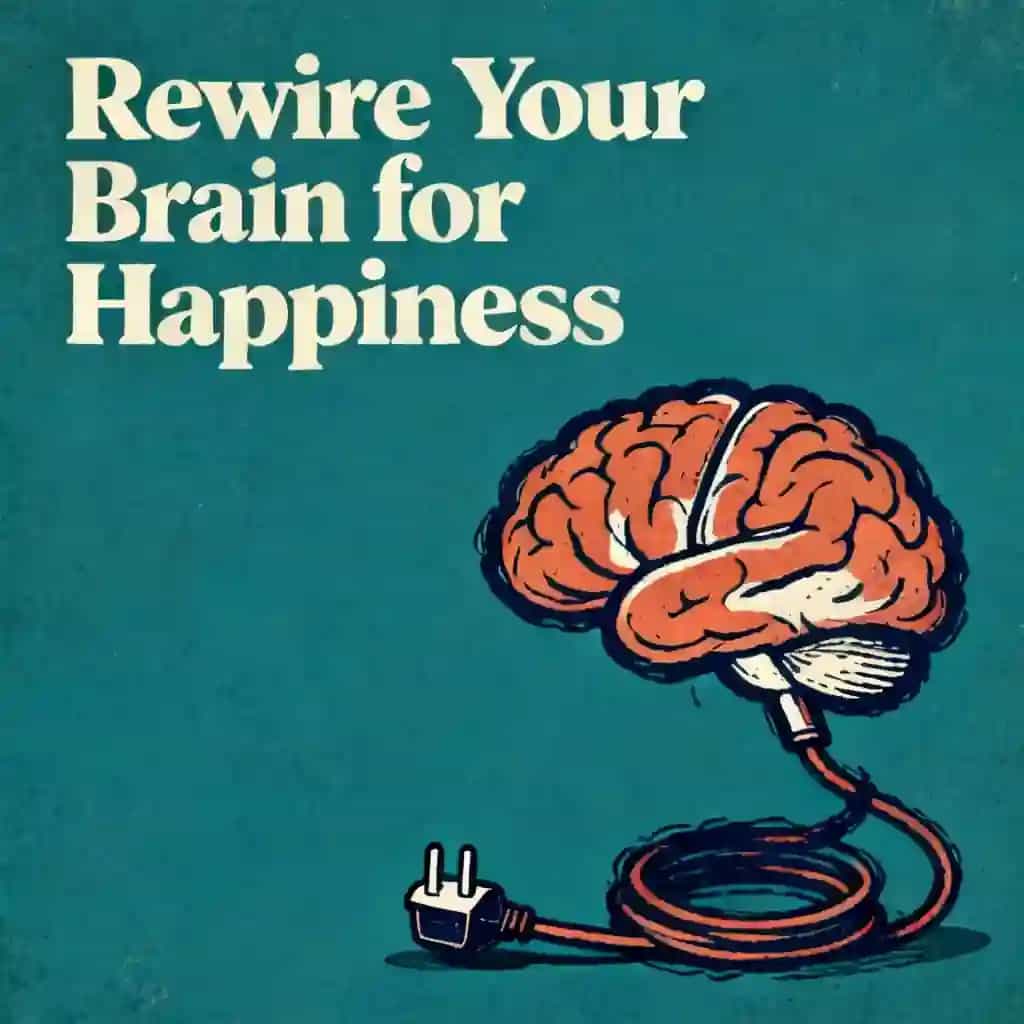
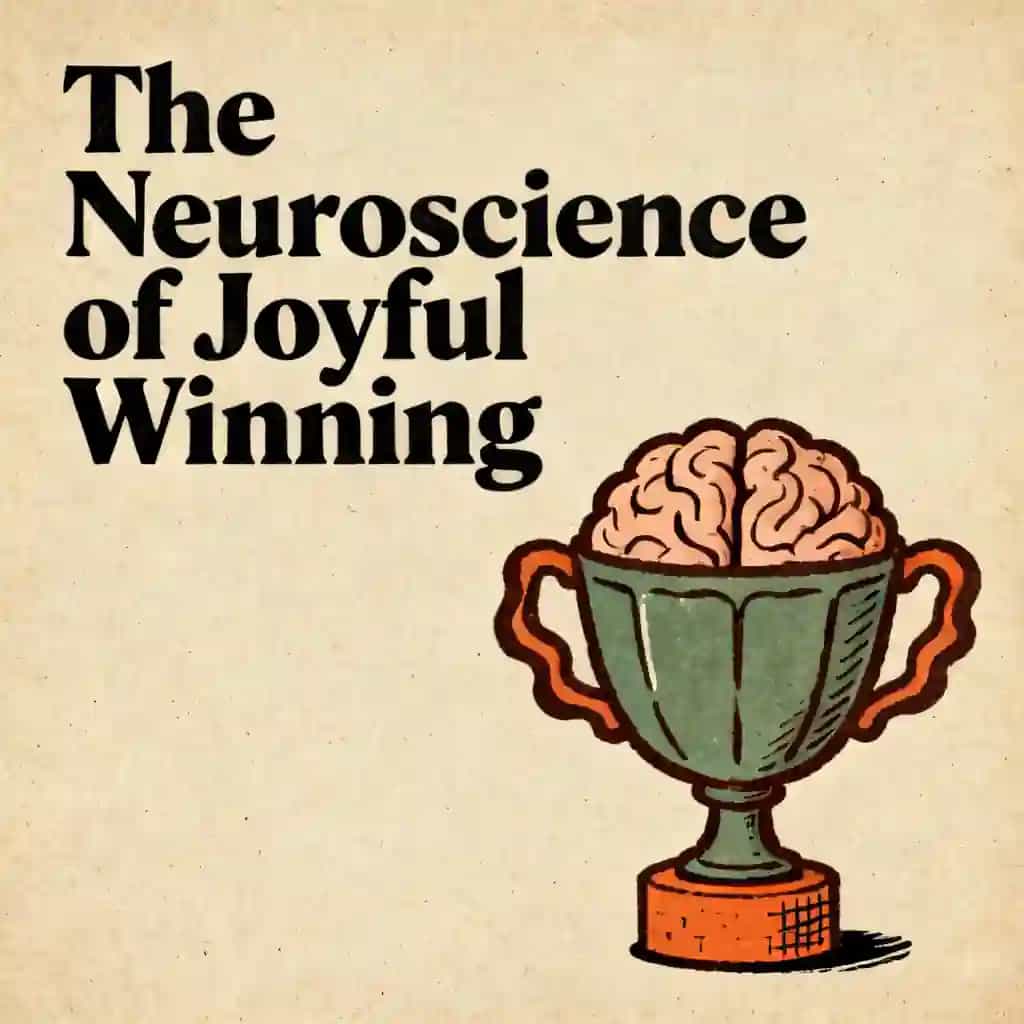
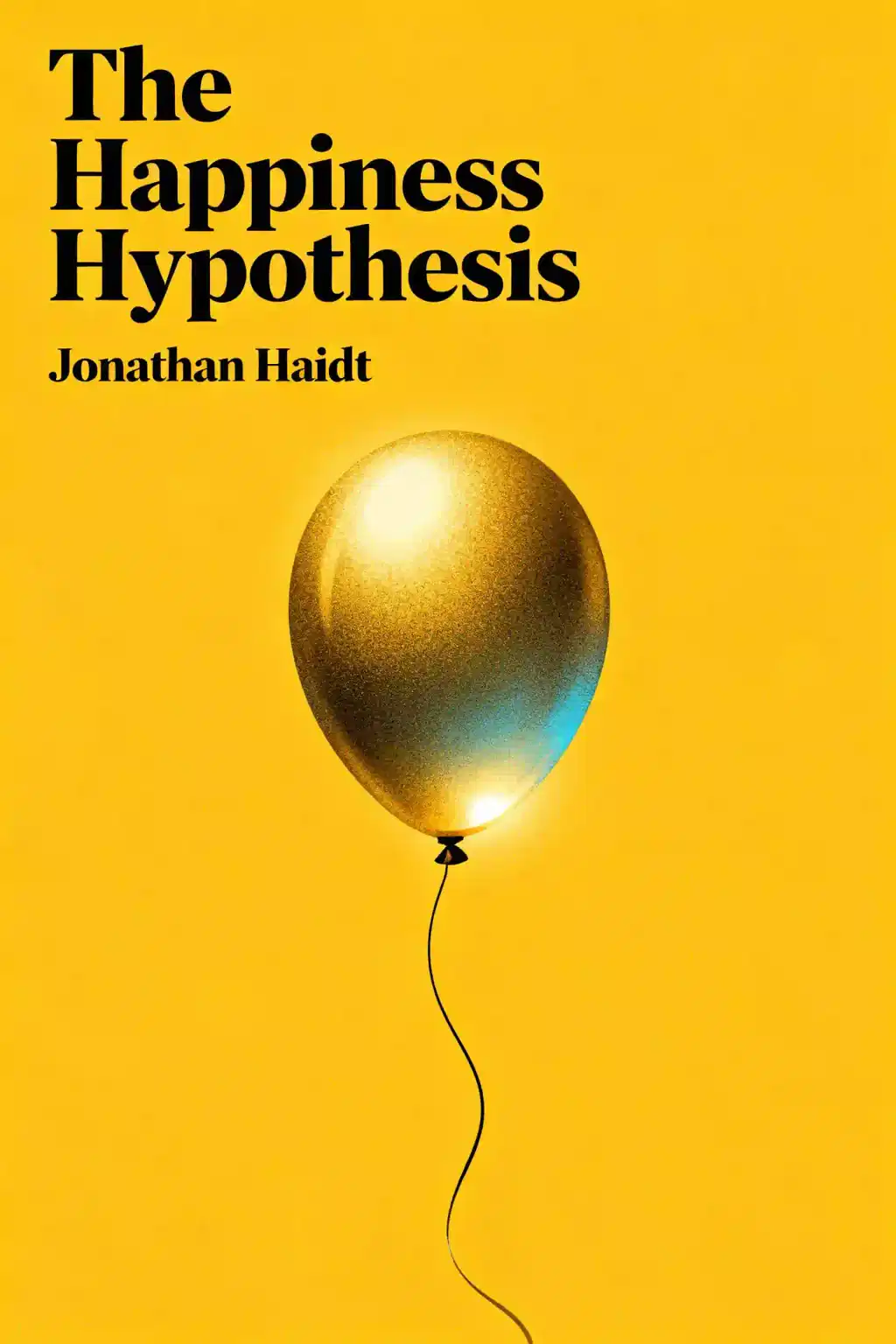
The Biological Architecture of Joy and Peace
Explore the neural pathways of happiness as we break down the chemistry of anticipation, the impact of stress, and how to rewire your brain for lasting emotional stability.

Best quote from The Biological Architecture of Joy and Peace
Pleasure is never just a sensation; it’s an active construction by the brain. When you realize that happiness isn't a destination you reach, but a physiological state you cultivate, it changes everything.
Generated by Freedee_51BD0114
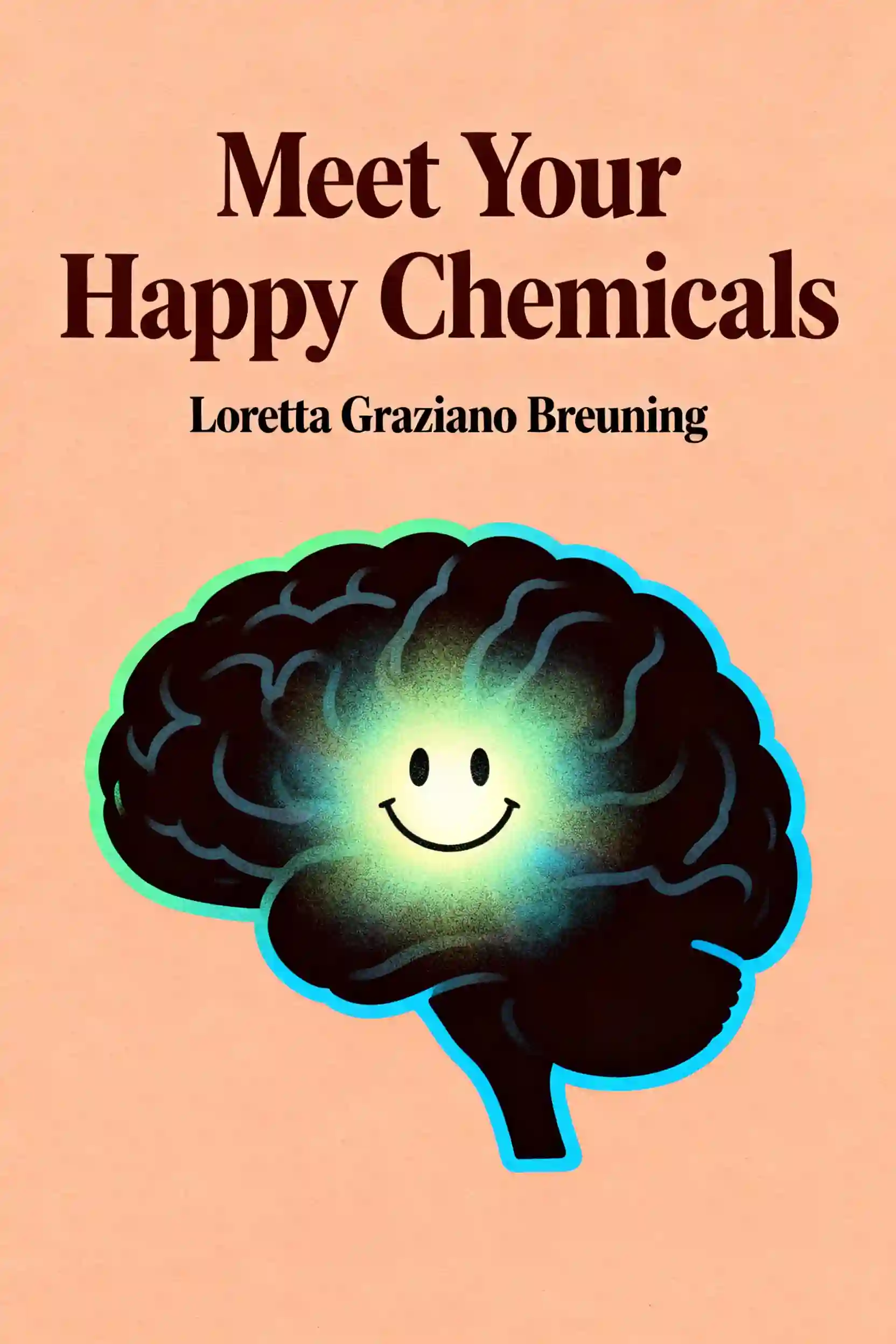
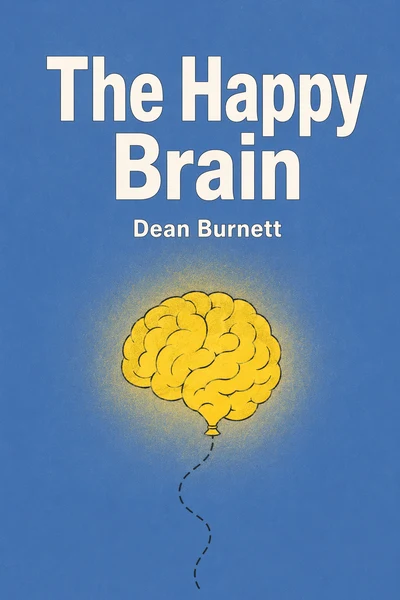
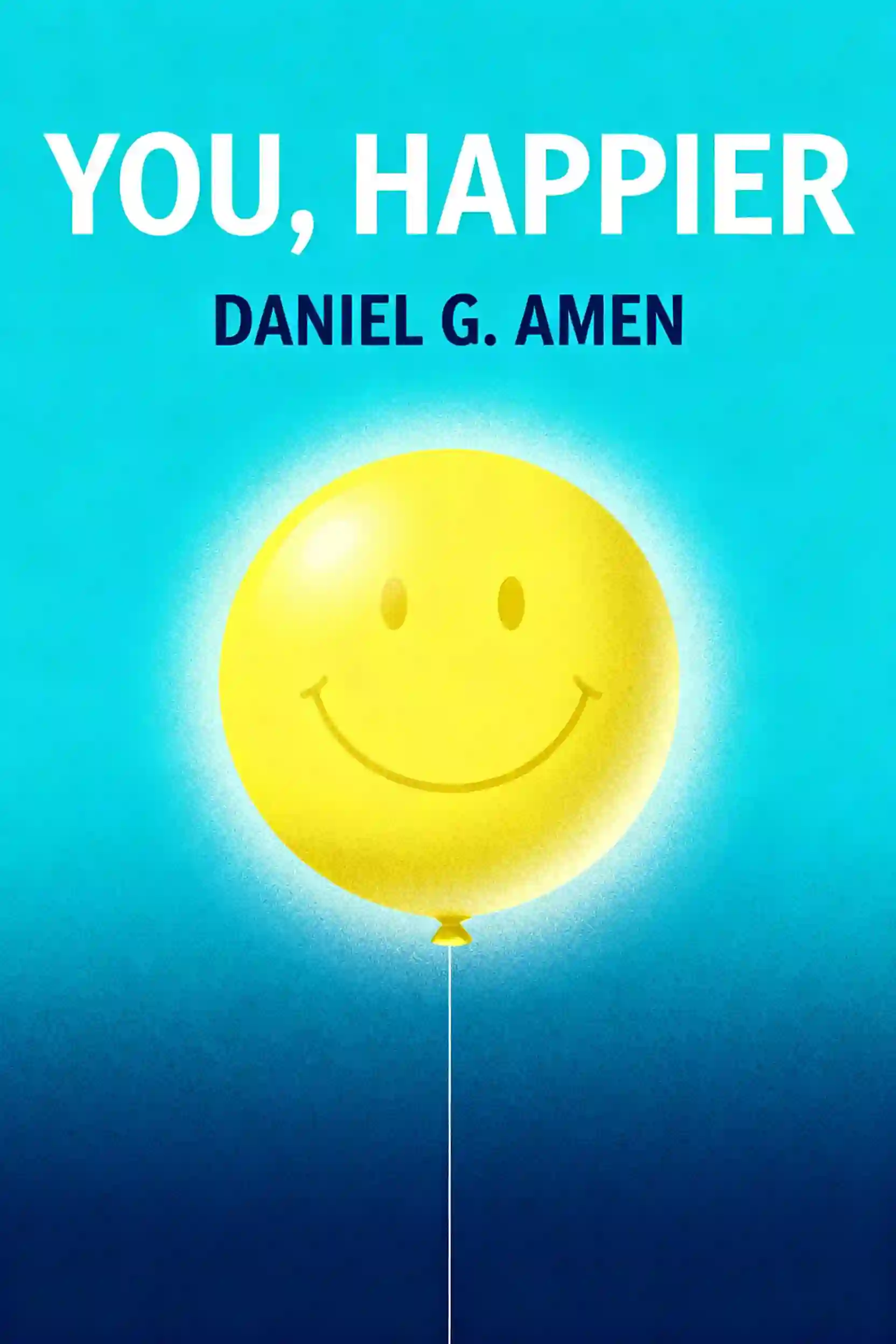
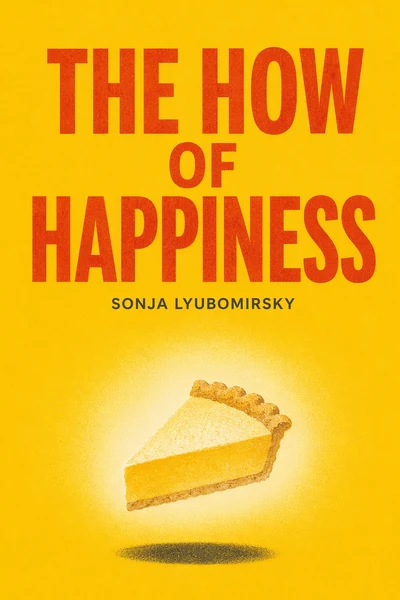
Physiological path ways for happiness and peace

Frequently Asked Questions
While often confused, these are distinct neural processes. "Wanting" is driven by the large and sprawling mesolimbic dopamine system, which creates the urge to pursue a reward or goal. "Liking" refers to the actual pleasure or hedonic impact of an experience and is controlled by tiny "hedonic hotspots" in areas like the nucleus accumbens shell and ventral pallidum. This distinction explains why people can feel driven to mindlessly scroll through social media or indulge in habits without actually enjoying the experience.
Chronic stress floods the body with cortisol, which can become neurotoxic over long periods. This chemical can cause the hippocampus, the area responsible for memory and mood regulation, to physically shrink. Simultaneously, it can cause the amygdala—the brain's alarm system—to become overactive and hypersensitive. This combination makes it harder for the prefrontal cortex to regulate emotions, leading to a cycle where the brain stays on high alert and struggles to process "peace" chemicals like serotonin.
Yes, through a process called neuroplasticity, intentional habits can reshape neural architecture. For example, practicing gratitude for just eight weeks has been shown to increase gray matter in brain regions associated with positive emotions and moral cognition. Similarly, meditation can quiet the "Default Mode Network" (responsible for rumination) and significantly increase dopamine levels. These activities strengthen positive neural pathways, eventually making it easier and more automatic for the brain to find joy in everyday life.
Evolutionarily, humans are hardwired to view isolation as a physical threat. Social interaction triggers the release of oxytocin, a bonding hormone that physically lowers cortisol levels and signals the amygdala to stand down. Acts of kindness also stimulate the nucleus accumbens, creating a "helper’s high." While digital connections often provide shallow dopamine spikes, face-to-face interactions and physical touch are essential for triggering the oxytocin and serotonin needed for deep emotional stability and resilience.
From Columbia University alumni built in San Francisco
"Instead of endless scrolling, I just hit play on BeFreed. It saves me so much time."


"I never knew where to start with nonfiction—BeFreed’s book lists turned into podcasts gave me a clear path."


"Perfect balance between learning and entertainment. Finished ‘Thinking, Fast and Slow’ on my commute this week."
"Crazy how much I learned while walking the dog. BeFreed = small habits → big gains."
"Reading used to feel like a chore. Now it’s just part of my lifestyle."

"Feels effortless compared to reading. I’ve finished 6 books this month already."
"BeFreed turned my guilty doomscrolling into something that feels productive and inspiring."

"BeFreed turned my commute into learning time. 20-min podcasts are perfect for finishing books I never had time for."
"BeFreed replaced my podcast queue. Imagine Spotify for books — that’s it. 🙌"

"It is great for me to learn something from the book without reading it."
"The themed book list podcasts help me connect ideas across authors—like a guided audio journey."
"Makes me feel smarter every time before going to work"
From Columbia University alumni built in San Francisco
"Instead of endless scrolling, I just hit play on BeFreed. It saves me so much time."
"I never knew where to start with nonfiction—BeFreed’s book lists turned into podcasts gave me a clear path."
"Perfect balance between learning and entertainment. Finished ‘Thinking, Fast and Slow’ on my commute this week."
"Crazy how much I learned while walking the dog. BeFreed = small habits → big gains."
"Reading used to feel like a chore. Now it’s just part of my lifestyle."
"Feels effortless compared to reading. I’ve finished 6 books this month already."
"BeFreed turned my guilty doomscrolling into something that feels productive and inspiring."
"BeFreed turned my commute into learning time. 20-min podcasts are perfect for finishing books I never had time for."
"BeFreed replaced my podcast queue. Imagine Spotify for books — that’s it. 🙌"
"It is great for me to learn something from the book without reading it."
"The themed book list podcasts help me connect ideas across authors—like a guided audio journey."
"Makes me feel smarter every time before going to work"
"Instead of endless scrolling, I just hit play on BeFreed. It saves me so much time."
"I never knew where to start with nonfiction—BeFreed’s book lists turned into podcasts gave me a clear path."
"Perfect balance between learning and entertainment. Finished ‘Thinking, Fast and Slow’ on my commute this week."
"Crazy how much I learned while walking the dog. BeFreed = small habits → big gains."
"Reading used to feel like a chore. Now it’s just part of my lifestyle."
"Feels effortless compared to reading. I’ve finished 6 books this month already."
"BeFreed turned my guilty doomscrolling into something that feels productive and inspiring."
"BeFreed turned my commute into learning time. 20-min podcasts are perfect for finishing books I never had time for."
"BeFreed replaced my podcast queue. Imagine Spotify for books — that’s it. 🙌"
"It is great for me to learn something from the book without reading it."
"The themed book list podcasts help me connect ideas across authors—like a guided audio journey."
"Makes me feel smarter every time before going to work"
"Instead of endless scrolling, I just hit play on BeFreed. It saves me so much time."
"I never knew where to start with nonfiction—BeFreed’s book lists turned into podcasts gave me a clear path."
"Perfect balance between learning and entertainment. Finished ‘Thinking, Fast and Slow’ on my commute this week."
"Crazy how much I learned while walking the dog. BeFreed = small habits → big gains."
"Reading used to feel like a chore. Now it’s just part of my lifestyle."
"Feels effortless compared to reading. I’ve finished 6 books this month already."
"BeFreed turned my guilty doomscrolling into something that feels productive and inspiring."
"BeFreed turned my commute into learning time. 20-min podcasts are perfect for finishing books I never had time for."
"BeFreed replaced my podcast queue. Imagine Spotify for books — that’s it. 🙌"
"It is great for me to learn something from the book without reading it."
"The themed book list podcasts help me connect ideas across authors—like a guided audio journey."
"Makes me feel smarter every time before going to work"