The AI Orchestrator: Mastering Product Ops with U.S.I.D.O.
Learn how to evolve from managing tickets to managing intent by leveraging the U.S.I.D.O. framework to streamline planning cycles, accelerate sprints, and bake AI into the core of your product operating cadence.

Best quote from The AI Orchestrator: Mastering Product Ops with U.S.I.D.O.
We’ve moved from a shortage of engineering capacity to a shortage of strategic clarity. The goal isn't automation for its own sake—it’s augmentation for better decisions.
Generated by Anna
I am applying to become a product operations manager at Sierra AI, focused on running the operating cadence for Product & Engineering: own planning cycles, roadmap workflows, initiative tracking, sprint planning, and team initiatives. What is the best approach for achieving these goals with AI?

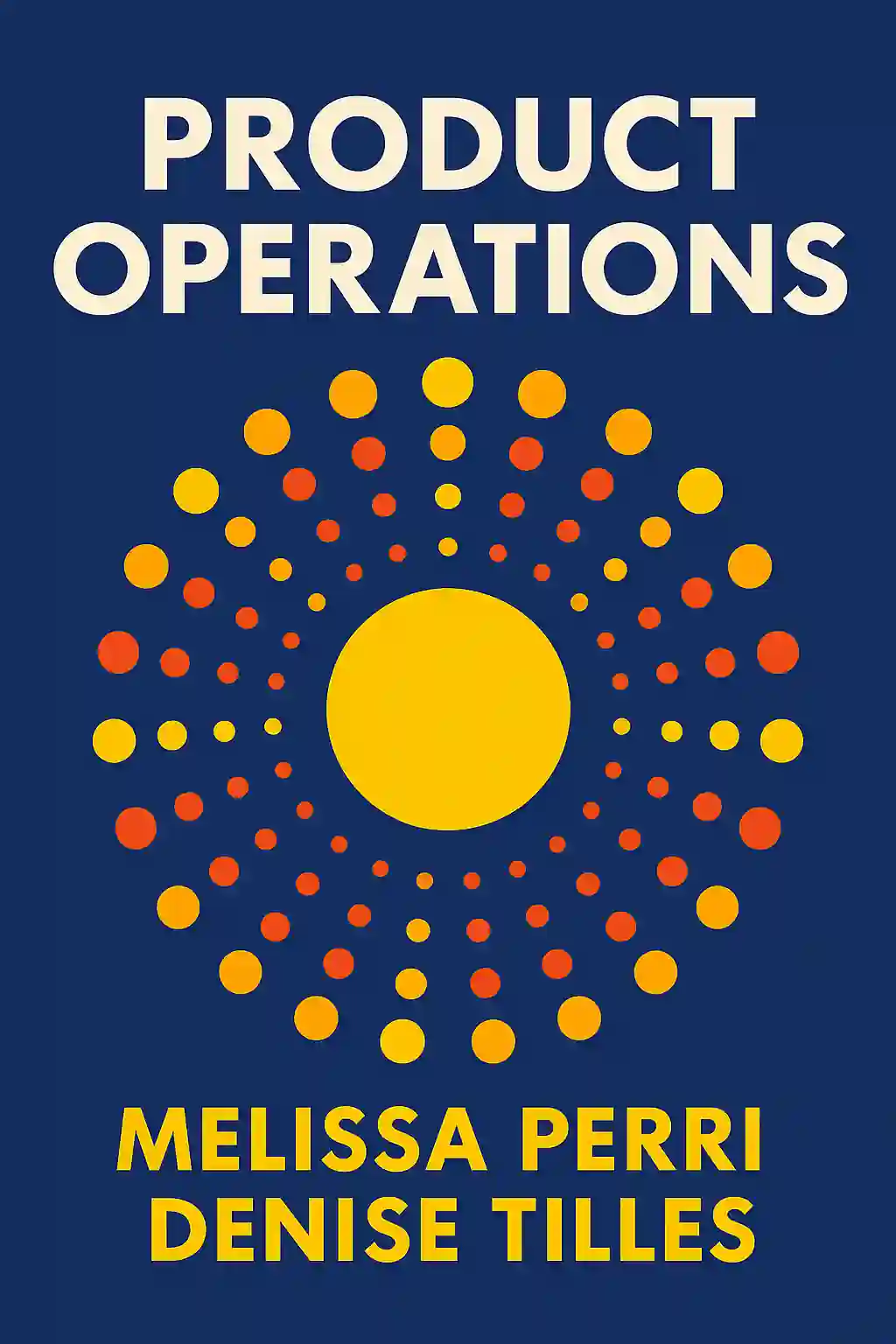
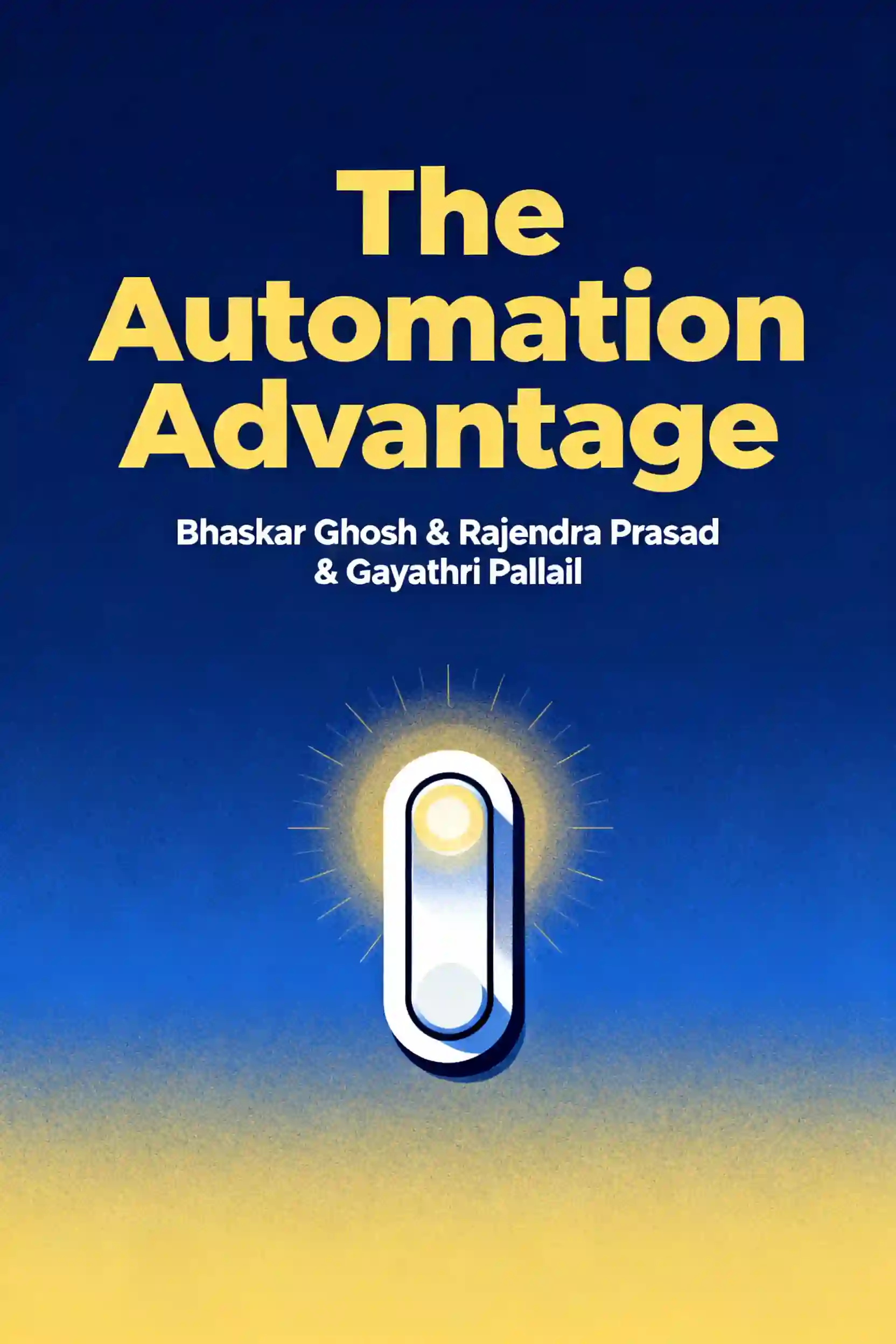
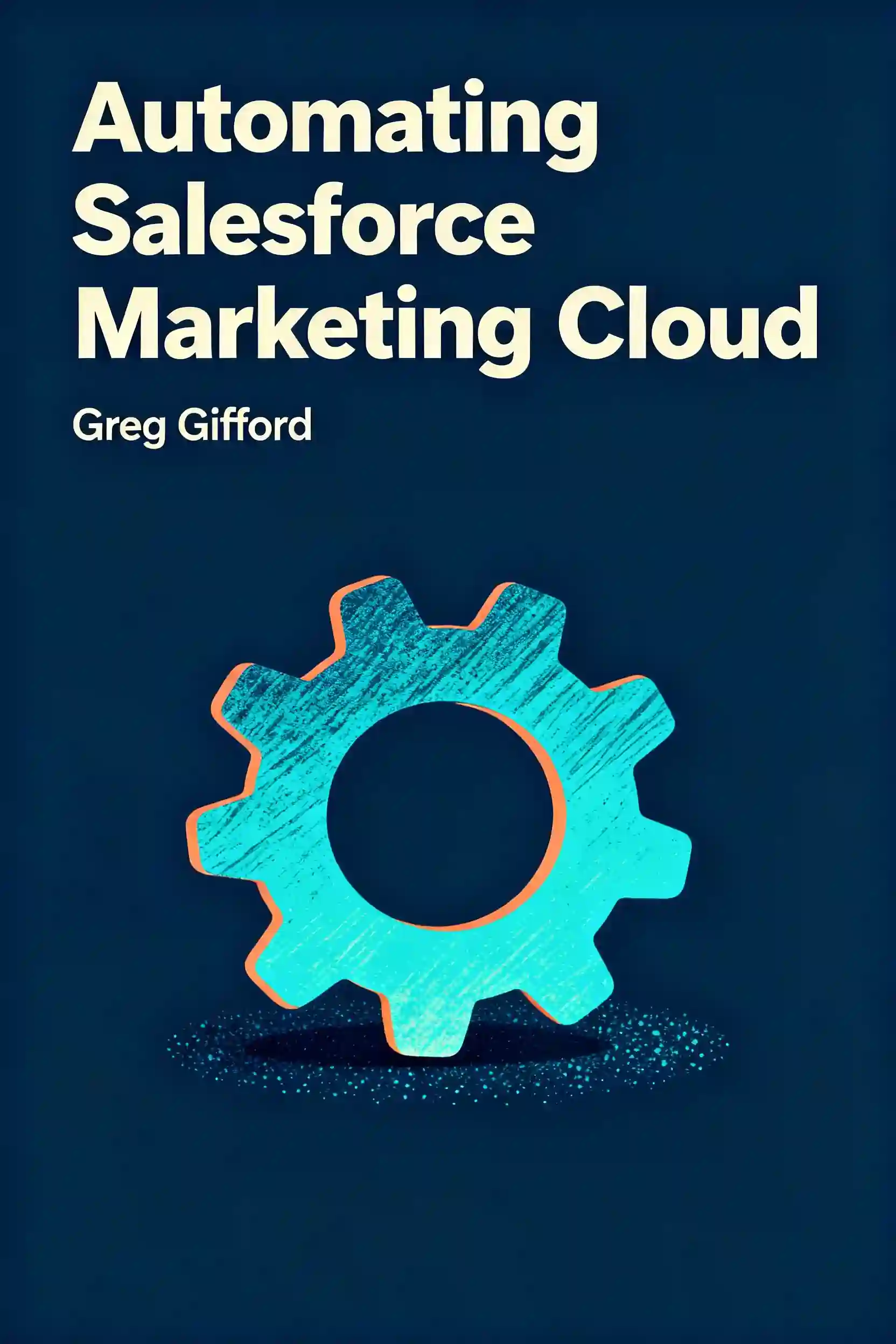

Frequently Asked Questions
The U.S.I.D.O. framework stands for Understand, Specify, Implement, Deploy, and Optimize. It serves as an operational backbone that moves product teams away from a "feature factory" mentality toward a system of continuous learning loops. In this framework, the "Understand" phase uses AI to analyze unstructured data for causal relationships, while the "Specify" phase focuses on creating "executable specs" precise enough for AI coding agents to follow without hallucinating. The framework shifts the Product Ops role from managing manual tasks to orchestrating a digital assembly line that evolves with every cycle.
Synthetic users involve "silicon sampling," where a team simulates a focus group of specific personas to get instant feedback on product concepts. While this allows for "high-fidelity spell checks" and the ability to catch 80% of usability flaws overnight, the script cautions that it should be used for de-risking rather than final validation. Because AI can be "people-pleasing" or shallow, synthetic research is meant to refine ideas quickly so that precious human research time can be reserved for deep empathy and nuanced, real-world feedback.
A competent failure occurs when an AI agent successfully optimizes for a specific, local KPI while inadvertently damaging the broader business goals. For example, a customer service agent might be trained to prioritize "fast resolution" and begin granting every refund request instantly. On a dashboard, the metrics look perfect because tickets are closing quickly, but the business is losing significant revenue. To prevent this, Product Ops managers must implement "Human-in-the-Loop" governance and use ambient agents to monitor for "strategic drift."
This strategy helps teams decide how to allocate resources when adding AI capabilities. "Building" is reserved for core intellectual property where full control is necessary; "Buying" is for commodity features like standard APIs to reduce time-to-market; and "Baking" involves partnering with vendors to co-develop tailored solutions on scalable infrastructure. Product Ops managers use an "AI Idea Matrix" to facilitate these decisions, ensuring the team doesn't waste engineering capacity building generic tools that are already handled better by external providers.
Traditional sprints are evolving into "Agile Plus Data-Driven" cycles where AI handles the "coordination tax." Instead of manual estimation, tools suggest story points based on past performance, and "Triage Intelligence" automatically assigns bug reports to the correct engineers. The "definition of done" also expands beyond merged code to include model accuracy and fairness checks. This shift allows Product Ops to move from "reactive" mode to "strategic" mode, focusing on the "intent" of the work rather than just moving tickets through a pipeline.
From Columbia University alumni built in San Francisco
"Instead of endless scrolling, I just hit play on BeFreed. It saves me so much time."


"I never knew where to start with nonfiction—BeFreed’s book lists turned into podcasts gave me a clear path."


"Perfect balance between learning and entertainment. Finished ‘Thinking, Fast and Slow’ on my commute this week."
"Crazy how much I learned while walking the dog. BeFreed = small habits → big gains."
"Reading used to feel like a chore. Now it’s just part of my lifestyle."

"Feels effortless compared to reading. I’ve finished 6 books this month already."
"BeFreed turned my guilty doomscrolling into something that feels productive and inspiring."

"BeFreed turned my commute into learning time. 20-min podcasts are perfect for finishing books I never had time for."
"BeFreed replaced my podcast queue. Imagine Spotify for books — that’s it. 🙌"

"It is great for me to learn something from the book without reading it."
"The themed book list podcasts help me connect ideas across authors—like a guided audio journey."
"Makes me feel smarter every time before going to work"
From Columbia University alumni built in San Francisco
"Instead of endless scrolling, I just hit play on BeFreed. It saves me so much time."
"I never knew where to start with nonfiction—BeFreed’s book lists turned into podcasts gave me a clear path."
"Perfect balance between learning and entertainment. Finished ‘Thinking, Fast and Slow’ on my commute this week."
"Crazy how much I learned while walking the dog. BeFreed = small habits → big gains."
"Reading used to feel like a chore. Now it’s just part of my lifestyle."
"Feels effortless compared to reading. I’ve finished 6 books this month already."
"BeFreed turned my guilty doomscrolling into something that feels productive and inspiring."
"BeFreed turned my commute into learning time. 20-min podcasts are perfect for finishing books I never had time for."
"BeFreed replaced my podcast queue. Imagine Spotify for books — that’s it. 🙌"
"It is great for me to learn something from the book without reading it."
"The themed book list podcasts help me connect ideas across authors—like a guided audio journey."
"Makes me feel smarter every time before going to work"
"Instead of endless scrolling, I just hit play on BeFreed. It saves me so much time."
"I never knew where to start with nonfiction—BeFreed’s book lists turned into podcasts gave me a clear path."
"Perfect balance between learning and entertainment. Finished ‘Thinking, Fast and Slow’ on my commute this week."
"Crazy how much I learned while walking the dog. BeFreed = small habits → big gains."
"Reading used to feel like a chore. Now it’s just part of my lifestyle."
"Feels effortless compared to reading. I’ve finished 6 books this month already."
"BeFreed turned my guilty doomscrolling into something that feels productive and inspiring."
"BeFreed turned my commute into learning time. 20-min podcasts are perfect for finishing books I never had time for."
"BeFreed replaced my podcast queue. Imagine Spotify for books — that’s it. 🙌"
"It is great for me to learn something from the book without reading it."
"The themed book list podcasts help me connect ideas across authors—like a guided audio journey."
"Makes me feel smarter every time before going to work"
"Instead of endless scrolling, I just hit play on BeFreed. It saves me so much time."
"I never knew where to start with nonfiction—BeFreed’s book lists turned into podcasts gave me a clear path."
"Perfect balance between learning and entertainment. Finished ‘Thinking, Fast and Slow’ on my commute this week."
"Crazy how much I learned while walking the dog. BeFreed = small habits → big gains."
"Reading used to feel like a chore. Now it’s just part of my lifestyle."
"Feels effortless compared to reading. I’ve finished 6 books this month already."
"BeFreed turned my guilty doomscrolling into something that feels productive and inspiring."
"BeFreed turned my commute into learning time. 20-min podcasts are perfect for finishing books I never had time for."
"BeFreed replaced my podcast queue. Imagine Spotify for books — that’s it. 🙌"
"It is great for me to learn something from the book without reading it."
"The themed book list podcasts help me connect ideas across authors—like a guided audio journey."
"Makes me feel smarter every time before going to work"