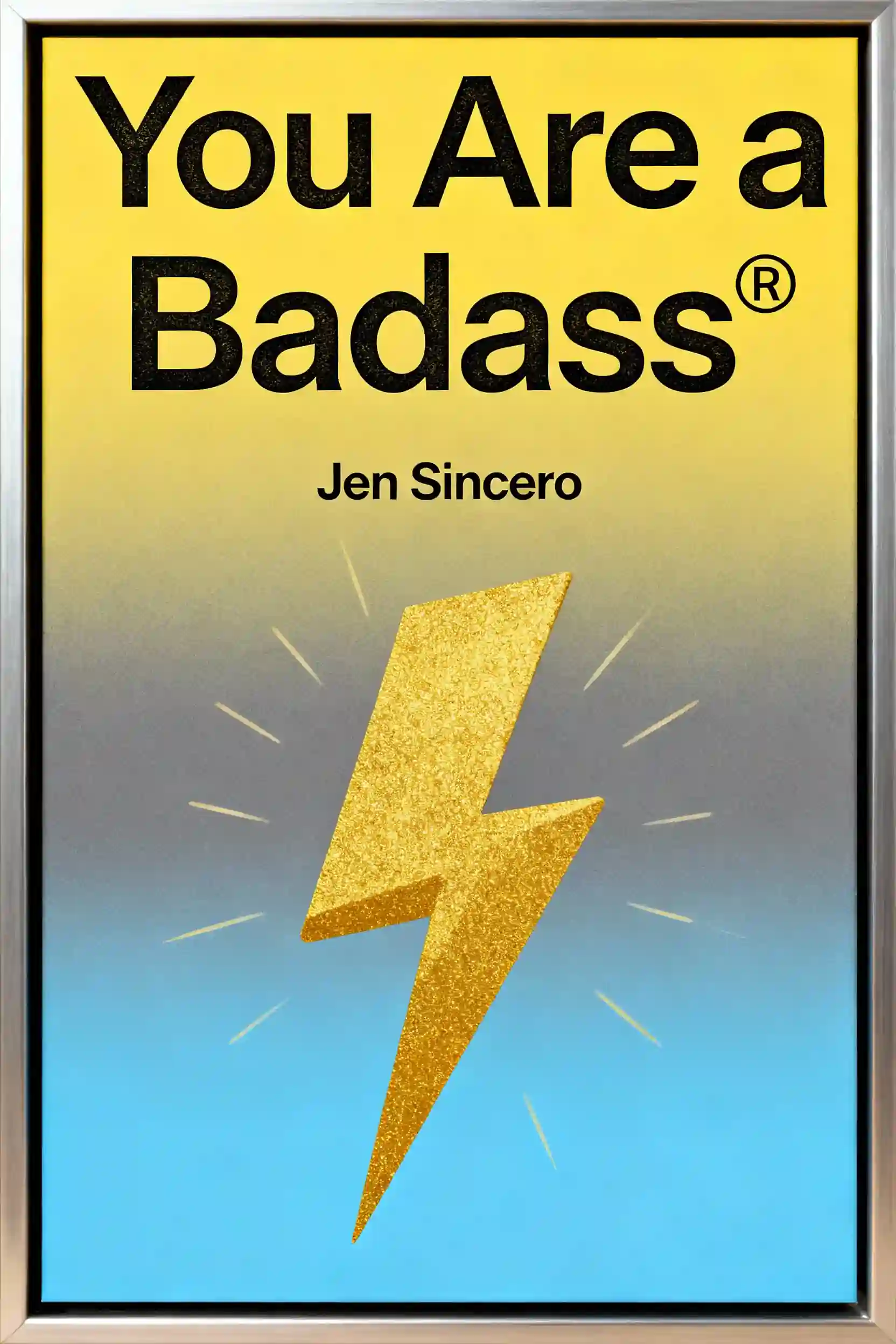
Jen Sincero: You Are a Badass and How to Stop Doubting Your Greatness
Discover how to stop doubting your greatness with Jen Sincero's You Are a Badass. Learn key self-empowerment strategies for personal growth and transformation.

Best quote from Jen Sincero: You Are a Badass and How to Stop Doubting Your Greatness
Your internal beliefs—not your circumstances—create your limits. To change the direction of your life, you have to stop looking at the horizon and start looking at the engine room of your subconscious.
Generated by Freedee_E22AFBF7
I want to feel empowered from the book you are a badass how to stop doubting your greatness from jen sincero

Frequently Asked Questions
The core message of Jen Sincero's book is to help individuals identify and change the self-sabotaging beliefs and behaviors that prevent them from getting what they want. By learning how to stop doubting your greatness, you can create a life you totally love. The book focuses on self-empowerment and personal growth, providing readers with the tools to embrace their inner strength and move past the fears that hold them back from achieving their full potential.
Jen Sincero suggests that stopping self-doubt begins with a shift in mindset and a commitment to self-love. In You Are a Badass, she outlines practical exercises and insights designed to help you recognize your inherent value and capabilities. By focusing on personal growth and shifting your perspective on past failures, you can build the confidence necessary to pursue your dreams. This process involves silencing your inner critic and replacing negative thought patterns with empowering, action-oriented beliefs.
Self-empowerment is the foundation of personal growth because it allows you to take ownership of your life and decisions. As explored in the summary of You Are a Badass, feeling empowered helps you break through the barriers of fear and insecurity. When you stop doubting your greatness, you become more resilient and open to new opportunities. This internal shift is essential for anyone looking to make significant life changes and achieve long-term success in both their personal and professional endeavors.
From Columbia University alumni built in San Francisco
"Instead of endless scrolling, I just hit play on BeFreed. It saves me so much time."


"I never knew where to start with nonfiction—BeFreed’s book lists turned into podcasts gave me a clear path."


"Perfect balance between learning and entertainment. Finished ‘Thinking, Fast and Slow’ on my commute this week."
"Crazy how much I learned while walking the dog. BeFreed = small habits → big gains."
"Reading used to feel like a chore. Now it’s just part of my lifestyle."

"Feels effortless compared to reading. I’ve finished 6 books this month already."
"BeFreed turned my guilty doomscrolling into something that feels productive and inspiring."

"BeFreed turned my commute into learning time. 20-min podcasts are perfect for finishing books I never had time for."
"BeFreed replaced my podcast queue. Imagine Spotify for books — that’s it. 🙌"

"It is great for me to learn something from the book without reading it."
"The themed book list podcasts help me connect ideas across authors—like a guided audio journey."
"Makes me feel smarter every time before going to work"
From Columbia University alumni built in San Francisco
"Instead of endless scrolling, I just hit play on BeFreed. It saves me so much time."
"I never knew where to start with nonfiction—BeFreed’s book lists turned into podcasts gave me a clear path."
"Perfect balance between learning and entertainment. Finished ‘Thinking, Fast and Slow’ on my commute this week."
"Crazy how much I learned while walking the dog. BeFreed = small habits → big gains."
"Reading used to feel like a chore. Now it’s just part of my lifestyle."
"Feels effortless compared to reading. I’ve finished 6 books this month already."
"BeFreed turned my guilty doomscrolling into something that feels productive and inspiring."
"BeFreed turned my commute into learning time. 20-min podcasts are perfect for finishing books I never had time for."
"BeFreed replaced my podcast queue. Imagine Spotify for books — that’s it. 🙌"
"It is great for me to learn something from the book without reading it."
"The themed book list podcasts help me connect ideas across authors—like a guided audio journey."
"Makes me feel smarter every time before going to work"
"Instead of endless scrolling, I just hit play on BeFreed. It saves me so much time."
"I never knew where to start with nonfiction—BeFreed’s book lists turned into podcasts gave me a clear path."
"Perfect balance between learning and entertainment. Finished ‘Thinking, Fast and Slow’ on my commute this week."
"Crazy how much I learned while walking the dog. BeFreed = small habits → big gains."
"Reading used to feel like a chore. Now it’s just part of my lifestyle."
"Feels effortless compared to reading. I’ve finished 6 books this month already."
"BeFreed turned my guilty doomscrolling into something that feels productive and inspiring."
"BeFreed turned my commute into learning time. 20-min podcasts are perfect for finishing books I never had time for."
"BeFreed replaced my podcast queue. Imagine Spotify for books — that’s it. 🙌"
"It is great for me to learn something from the book without reading it."
"The themed book list podcasts help me connect ideas across authors—like a guided audio journey."
"Makes me feel smarter every time before going to work"
"Instead of endless scrolling, I just hit play on BeFreed. It saves me so much time."
"I never knew where to start with nonfiction—BeFreed’s book lists turned into podcasts gave me a clear path."
"Perfect balance between learning and entertainment. Finished ‘Thinking, Fast and Slow’ on my commute this week."
"Crazy how much I learned while walking the dog. BeFreed = small habits → big gains."
"Reading used to feel like a chore. Now it’s just part of my lifestyle."
"Feels effortless compared to reading. I’ve finished 6 books this month already."
"BeFreed turned my guilty doomscrolling into something that feels productive and inspiring."
"BeFreed turned my commute into learning time. 20-min podcasts are perfect for finishing books I never had time for."
"BeFreed replaced my podcast queue. Imagine Spotify for books — that’s it. 🙌"
"It is great for me to learn something from the book without reading it."
"The themed book list podcasts help me connect ideas across authors—like a guided audio journey."
"Makes me feel smarter every time before going to work"