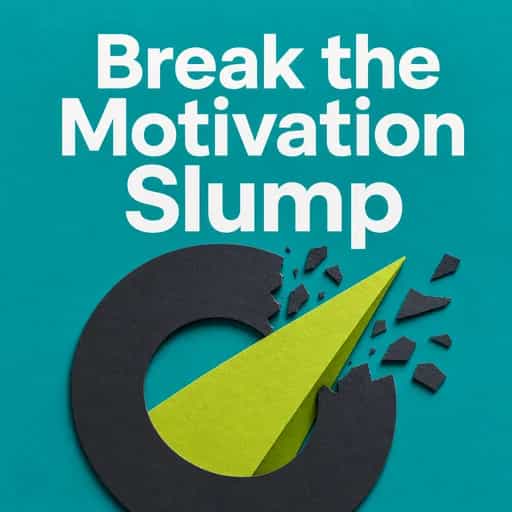
Biblical Ways to Stay Motivated When People Let You Down
Discover practical and biblical ways to stay motivated when people let you down. Learn to build spiritual resilience and lead effectively despite disappointments.

Best quote from Biblical Ways to Stay Motivated When People Let You Down
If I’m doing the work for the 'thank you,' then my motivation is actually quite fragile because it’s dependent on someone else’s character—which I can’t control.
Generated by James
Practical ways to stay motivated in spite of when people let you down. How do you stay motivated? What are some biblical ways to stay motivated when people continue to let you down or don't take advantage of the opportunities that you're providing for them?


Frequently Asked Questions
Staying motivated requires a shift in focus from human approval to spiritual purpose. By practicing spiritual resilience, you can maintain your drive even when others fail to meet expectations or miss opportunities. Practical motivation tips include setting clear boundaries, focusing on your personal mission, and remembering that your primary service is to a higher calling rather than just to people. This perspective helps you overcome letdowns without losing your passion for leadership.
Biblical motivation emphasizes finding strength in faith rather than human reliability. When dealing with disappointment, look to scriptural examples of leaders who persevered despite being abandoned or misunderstood. By grounding your identity in spiritual truths, you develop the resilience needed to continue providing opportunities for others without becoming cynical. This approach allows Christian leaders to extend grace while remaining steadfast in their own goals and responsibilities.
In Christian leadership, dealing with people who don't take advantage of opportunities is a common challenge. The key is to detach your motivation from the immediate results of others' actions. By focusing on the act of service and the integrity of your leadership, you can stay motivated regardless of the outcome. Understanding that you are responsible for the opportunity, but they are responsible for the response, provides the mental clarity needed to avoid burnout and maintain momentum.
From Columbia University alumni built in San Francisco
"Instead of endless scrolling, I just hit play on BeFreed. It saves me so much time."


"I never knew where to start with nonfiction—BeFreed’s book lists turned into podcasts gave me a clear path."


"Perfect balance between learning and entertainment. Finished ‘Thinking, Fast and Slow’ on my commute this week."
"Crazy how much I learned while walking the dog. BeFreed = small habits → big gains."
"Reading used to feel like a chore. Now it’s just part of my lifestyle."

"Feels effortless compared to reading. I’ve finished 6 books this month already."
"BeFreed turned my guilty doomscrolling into something that feels productive and inspiring."

"BeFreed turned my commute into learning time. 20-min podcasts are perfect for finishing books I never had time for."
"BeFreed replaced my podcast queue. Imagine Spotify for books — that’s it. 🙌"

"It is great for me to learn something from the book without reading it."
"The themed book list podcasts help me connect ideas across authors—like a guided audio journey."
"Makes me feel smarter every time before going to work"
From Columbia University alumni built in San Francisco
"Instead of endless scrolling, I just hit play on BeFreed. It saves me so much time."
"I never knew where to start with nonfiction—BeFreed’s book lists turned into podcasts gave me a clear path."
"Perfect balance between learning and entertainment. Finished ‘Thinking, Fast and Slow’ on my commute this week."
"Crazy how much I learned while walking the dog. BeFreed = small habits → big gains."
"Reading used to feel like a chore. Now it’s just part of my lifestyle."
"Feels effortless compared to reading. I’ve finished 6 books this month already."
"BeFreed turned my guilty doomscrolling into something that feels productive and inspiring."
"BeFreed turned my commute into learning time. 20-min podcasts are perfect for finishing books I never had time for."
"BeFreed replaced my podcast queue. Imagine Spotify for books — that’s it. 🙌"
"It is great for me to learn something from the book without reading it."
"The themed book list podcasts help me connect ideas across authors—like a guided audio journey."
"Makes me feel smarter every time before going to work"
"Instead of endless scrolling, I just hit play on BeFreed. It saves me so much time."
"I never knew where to start with nonfiction—BeFreed’s book lists turned into podcasts gave me a clear path."
"Perfect balance between learning and entertainment. Finished ‘Thinking, Fast and Slow’ on my commute this week."
"Crazy how much I learned while walking the dog. BeFreed = small habits → big gains."
"Reading used to feel like a chore. Now it’s just part of my lifestyle."
"Feels effortless compared to reading. I’ve finished 6 books this month already."
"BeFreed turned my guilty doomscrolling into something that feels productive and inspiring."
"BeFreed turned my commute into learning time. 20-min podcasts are perfect for finishing books I never had time for."
"BeFreed replaced my podcast queue. Imagine Spotify for books — that’s it. 🙌"
"It is great for me to learn something from the book without reading it."
"The themed book list podcasts help me connect ideas across authors—like a guided audio journey."
"Makes me feel smarter every time before going to work"
"Instead of endless scrolling, I just hit play on BeFreed. It saves me so much time."
"I never knew where to start with nonfiction—BeFreed’s book lists turned into podcasts gave me a clear path."
"Perfect balance between learning and entertainment. Finished ‘Thinking, Fast and Slow’ on my commute this week."
"Crazy how much I learned while walking the dog. BeFreed = small habits → big gains."
"Reading used to feel like a chore. Now it’s just part of my lifestyle."
"Feels effortless compared to reading. I’ve finished 6 books this month already."
"BeFreed turned my guilty doomscrolling into something that feels productive and inspiring."
"BeFreed turned my commute into learning time. 20-min podcasts are perfect for finishing books I never had time for."
"BeFreed replaced my podcast queue. Imagine Spotify for books — that’s it. 🙌"
"It is great for me to learn something from the book without reading it."
"The themed book list podcasts help me connect ideas across authors—like a guided audio journey."
"Makes me feel smarter every time before going to work"