Rejection as Redirection: Finding Workplace Motivation

How To Stay Motivated At Work After a Failed Interview: Episode Overview
Facing a job rejection, especially after an interview you were excited about, can make it difficult to return to your current role with enthusiasm. This BeFreed audio episode explores actionable workplace strategies to help you navigate the disappointment and rebuild your momentum. Listen to discover how to acknowledge the setback professionally while maintaining your performance and resilience.
Create Your Podcast in a Click
Generated by David
Input question
I just failed an interview. How to stat motivated at current job.
Host voices

What you'll learn about reframing interview rejection
- 1
Rejection's Hidden Career Gift
 00:0000:00
Lena: Hey Jackson, I got a message today from someone who's really struggling. They just failed a job interview and now they're finding it hard to stay motivated at their current position. I think we've all been there at some point, right? Jackson: Absolutely. Job rejection hits hard, especially when you've invested emotionally in the opportunity. You know what's interesting? According to our sources, even the most confident professionals get floored by the job hunt process. There's that quote from Aimee Bateman who's been in recruitment for 15 years - she's seen remarkably talented people absolutely devastated by rejection. Lena: That's actually reassuring to hear. I think there's this myth that successful people don't face rejection, when really, it's part of everyone's journey. What struck me was how rejection can affect your performance in your current role - you start questioning your value and abilities. Jackson: Right, and that's exactly why it's so important to have strategies to bounce back. The initial emotional hit is real - and it's okay to feel that disappointment. I mean, one expert actually recommends scheduling what they call a "pity party" - set a timer for 30 minutes or an hour to feel all those emotions, and when the timer goes off, you pick yourself up and move forward. Lena: I love that approach! Give yourself permission to feel bad, but with a time limit. So what would you say is the first step for someone who's trying to stay motivated at their current job while processing this rejection? Jackson: Great question. I think it starts with reframing how we view rejection itself. Instead of seeing it as a dead end, we need to view it as redirection. Let's explore how this mindset shift, along with some practical strategies, can help someone stay engaged at their current job while they process the disappointment and plan their next move.
- 2
The Psychology Behind the Sting
Lena: You know, Jackson, I think we need to dive deeper into why rejection hurts so much in the first place. It's not just about not getting the job—there's something more fundamental happening psychologically. Jackson: Absolutely. The research shows that job rejection triggers the same pain pathways in our brain as physical injury. When we get rejected, our brain literally interprets it as a threat to our survival. It's that ancient wiring from when being cast out from the tribe could mean death. Lena: That makes so much sense. And I imagine it's even worse when you're already feeling stuck or undervalued at your current job. You pin your hopes on this new opportunity, and when it doesn't work out, it feels like confirmation of your worst fears about yourself. Jackson: Exactly. There's this concept called "rejection sensitivity" that researchers have identified. People who are highly rejection-sensitive tend to anxiously expect rejection, readily perceive it even when it might not be there, and have intensified negative emotional responses when it happens. The workplace becomes this minefield of potential threats to their self-worth. Lena: So for someone listening who just went through this, what they're feeling isn't weakness—it's actually a normal human response that's been hardwired into us over millennia. Jackson: Right, and here's what's particularly cruel about job rejection: it often has nothing to do with your qualifications or worth as a person. I was reading about something called the "mustard effect"—this comes from a Hollywood casting director who watched a talented actor get passed over simply because the director had spilled mustard on his tie right before the audition and was distracted and irritated. Lena: That's both hilarious and devastating at the same time. So you're telling me that sometimes we don't get the job because of completely random factors that have nothing to do with us? Jackson: Absolutely. Budget constraints, internal politics, timing, even the interviewer's mood that day—there are so many variables outside your control. One study found that hiring managers often know within the first five minutes whether they'll hire someone, which means a lot of the decision is based on gut feeling rather than a thorough evaluation of your qualifications. Lena: This is actually making me feel better about some of my own past rejections! But I can see how this knowledge could be both liberating and frustrating. Liberating because it's not always about you, but frustrating because there's so little you can actually control. Jackson: That's the key insight right there, Lena. Once you understand that rejection often isn't personal, you can start to separate your self-worth from the outcome. But there's another psychological trap we need to talk about—what happens when people start catastrophizing after rejection. Lena: Oh, I know this one. It's when your brain starts writing the story that one rejection means you'll never find a better job, or that you're doomed to stay stuck forever. Jackson: Exactly. Psychologists call this "all-or-nothing thinking" or "catastrophic thinking." Your brain takes one data point—this rejection—and extrapolates it into a complete narrative about your future. But here's what's interesting: the research shows that people who bounce back fastest from rejection are those who can compartmentalize the experience and maintain perspective about what it actually means versus what their anxious brain is telling them it means.
- 3
Reframing Rejection as Redirection
Lena: Okay, so we've established that rejection hurts because of our evolutionary wiring, and that it's often not even about us. But how do we actually use this knowledge to stay motivated at our current job? I feel like knowing something intellectually is different from feeling it emotionally. Jackson: You've hit on something crucial there. The gap between knowing and feeling is where most people get stuck. One of the most powerful strategies I've come across is what researchers call "benefit finding"—actively looking for the positive aspects or learning opportunities in the rejection experience. Lena: Like finding the silver lining? But doesn't that risk minimizing the legitimate disappointment someone feels? Jackson: Great point. It's not about toxic positivity or pretending the rejection doesn't hurt. It's about acknowledging the pain AND simultaneously looking for what this experience can teach you. For instance, maybe the rejection reveals that you need to develop certain skills, or maybe it shows you that the company culture wouldn't have been a good fit anyway. Lena: I love that distinction. So it's both-and thinking rather than either-or. You can feel disappointed AND see it as redirection toward something better suited for you. Jackson: Exactly. And here's where it gets interesting for staying motivated at your current job. When you reframe rejection as information rather than judgment, you can start using that information to improve your current situation. Maybe the feedback reveals skills you could develop in your current role, or networking connections you could build. Lena: That's brilliant! So instead of rejection making you check out mentally from your current job, it could actually reinvigorate your engagement by giving you specific areas to focus on and improve. Jackson: Right. There's this concept from psychology called "post-traumatic growth"—the idea that difficult experiences can actually lead to positive changes and development. People who experience this growth often report stronger relationships, a greater appreciation for life, increased personal strength, and new possibilities they wouldn't have considered before. Lena: So rejection could potentially be a catalyst for growth rather than just a setback. But I imagine this reframing takes practice, especially when you're in the thick of disappointment. Jackson: Absolutely. One technique that helps is what psychologists call "expressive writing." Spend 15-20 minutes writing about the rejection experience, but with a specific focus: write about what you learned, what opportunities it might open up, and how you might be different or stronger because of it. The research shows this kind of structured reflection helps people process negative emotions more effectively and find meaning in difficult experiences. Lena: That sounds like it would help you move from victim mindset to learner mindset. Instead of "Why did this happen to me?" it becomes "What can I learn from this?" Jackson: Exactly. And here's another powerful reframe: instead of seeing rejection as evidence that you're not good enough, see it as evidence that you're putting yourself out there and taking risks. Every rejection means you're actively working toward your goals rather than staying safe in your comfort zone. Lena: I never thought about it that way! It's actually a sign of courage and ambition, not failure. Jackson: Right. And this mindset shift has practical implications for your current job too. When you see yourself as someone who takes calculated risks and learns from setbacks, you start showing up differently at work. You're more likely to volunteer for challenging projects, speak up in meetings, and pursue opportunities for growth within your current organization.
- Chapter 4
The Motivation Paradox at Your Current Job
**Lena:** This brings up something I've been thinking about, Jackson. There's this weird paradox when you're job searching while employed. On one hand, you want to stay engaged and perform well at your current job, but on the other hand, you're mentally and emotionally invested in leaving. Then when rejection happens, it can make you feel even more trapped. **Jackson:** You've identified something really important there. It's what I call the "motivation paradox"—the very thing that should motivate you to excel in your current role (wanting to leave) can actually undermine your performance and engagement when setbacks occur. **Lena:** Exactly! And I imagine this creates a vicious cycle. Poor performance at your current job makes you feel worse about yourself, which makes rejection sting even more, which further impacts your current performance. **Jackson:** That's precisely what happens. But here's what's fascinating: the research on goal adjustment shows that people who maintain what's called "flexible goal striving" actually perform better across multiple domains. Instead of rigidly fixating on one path out of their current situation, they remain open to multiple possibilities. **Lena:** What does that look like practically? How do you maintain that flexibility when you really want out of your current situation? **Jackson:** One approach is what psychologists call "goal diversification." Instead of putting all your emotional eggs in the "get a new job" basket, you create multiple pathways for professional satisfaction and growth. Maybe that's pursuing a certification, building relationships with colleagues, taking on a stretch project, or even improving processes in your current role. **Lena:** So you're essentially hedging your bets emotionally. If the job search doesn't pan out immediately, you still have other sources of professional fulfillment and growth. **Jackson:** Exactly. And here's the beautiful thing about this approach—it often makes you more attractive to potential employers. When you're actively growing and contributing in your current role, it signals to hiring managers that you're someone who creates value wherever you are. **Lena:** That's such a counterintuitive insight! By focusing less desperately on leaving, you actually become more likely to successfully leave. **Jackson:** Right. There's research showing that employed candidates who are engaged in their current roles are perceived as more desirable than those who seem disengaged or desperate to leave. It's that classic dating advice—people are attracted to those who have their own fulfilling lives. **Lena:** This makes me think about something else too. When you're engaged at your current job, rejection from external opportunities doesn't feel as devastating because your sense of professional identity isn't entirely dependent on getting out. **Jackson:** Absolutely. You've identified what psychologists call "identity diversification." When your professional identity is tied to multiple roles and sources of meaning—not just "the person trying to leave this job"—you become more resilient to setbacks in any one area. **Lena:** So someone listening who just got rejected might actually want to lean INTO their current job rather than checking out of it. That seems like it would be hard advice to follow when you're feeling discouraged. **Jackson:** It is counterintuitive, but think about it this way: every day you spend disengaged at your current job is a day you're not building skills, relationships, or achievements that could help you in future opportunities. Plus, staying engaged gives you a sense of agency and progress even when external factors feel outside your control.
Chapter 5The Neuroscience of Resilience Building
**Lena:** Jackson, I want to dig into something you mentioned earlier about the brain interpreting rejection as physical pain. If that's happening at a neurological level, are there specific strategies that work with our brain chemistry rather than against it? **Jackson:** That's such a smart question, Lena. There actually is fascinating research on this. When we experience rejection, our anterior cingulate cortex and right ventral prefrontal cortex light up—the same areas activated by physical pain. But here's the hopeful part: we can actually rewire these responses through what neuroscientists call "neuroplasticity." **Lena:** So we're not doomed to always experience rejection as intensely as we do the first time? **Jackson:** Not at all. One of the most effective techniques is what researchers call "cognitive reappraisal"—consciously reinterpreting the meaning of the rejection. Instead of your brain screaming "threat! danger!" it learns to categorize rejection as "information" or "redirection." **Lena:** How long does that rewiring take? Because I imagine someone who just got rejected wants to know there's light at the end of the tunnel. **Jackson:** The research shows that even single instances of successful reappraisal can start changing neural pathways, but lasting change typically happens over weeks to months of practice. The key is consistency rather than perfection. Each time you consciously choose a more helpful interpretation, you're literally strengthening those neural pathways. **Lena:** That's encouraging! So it's like building a muscle—the more you practice resilient thinking, the stronger and more automatic it becomes. **Jackson:** Exactly. And here's something particularly relevant for staying motivated at your current job: engaging in meaningful work activities actually releases dopamine and serotonin, which are natural mood boosters and stress reducers. So when you're feeling down about rejection, immersing yourself in purposeful work can be therapeutic. **Lena:** That's brilliant! So instead of wallowing or checking out, diving into a project you care about could actually help heal the rejection wound neurologically. **Jackson:** Right. There's also research on what's called "mastery experiences"—activities where you feel competent and effective. These experiences release neurochemicals that counteract the stress hormones triggered by rejection. Even small wins at your current job can help reset your brain chemistry. **Lena:** What would count as a mastery experience in a work context? **Jackson:** It could be solving a problem that's been bugging your team, mentoring a colleague, completing a challenging project, or even organizing something that improves workflow. The key is that it's something where you can see clear evidence of your competence and impact. **Lena:** I love this because it gives people concrete actions they can take immediately. Instead of waiting for external validation through a job offer, they can create internal validation through meaningful contribution. **Jackson:** Exactly. And here's another neurological insight that's particularly powerful: our brains are wired to focus on negative experiences more intensely than positive ones—it's called "negativity bias." But we can counteract this by deliberately practicing what psychologists call "positive attention training." **Lena:** What does that look like day-to-day? **Jackson:** It's about consciously noticing and celebrating small wins and positive interactions throughout your workday. Maybe you helped a colleague solve a problem, received positive feedback, or made progress on a goal. The act of consciously acknowledging these moments helps rewire your brain to notice the positive alongside the negative. **Lena:** So it's like training yourself to be a better detective for good things that are already happening, rather than only noticing what's wrong or disappointing. **Jackson:** Perfect analogy. And when you start noticing more positive experiences at your current job, it naturally increases your motivation and engagement, which creates an upward spiral rather than the downward spiral that rejection can trigger.
Chapter 6Practical Strategies for Daily Motivation
**Lena:** Okay Jackson, let's get really practical here. Someone's listening to this, they got rejected yesterday or last week, and they have to walk into their current job tomorrow morning. What specific strategies can they use to stay motivated and engaged day-to-day? **Jackson:** Great question. Let's start with what I call the "morning reset ritual." Before you even get to work, spend five minutes writing down three things you want to accomplish that day that are within your control. Not "get a job offer"—that's outside your control—but things like "have a meaningful conversation with a colleague" or "make progress on the quarterly report." **Lena:** I like that because it immediately shifts your focus from what you can't control to what you can. What else? **Jackson:** There's something called "job crafting" that research shows can dramatically increase engagement. It's about actively reshaping your current role to better align with your strengths and interests. Maybe you volunteer to lead a project that excites you, or you find ways to use skills you want to develop in your next role. **Lena:** So instead of just going through the motions, you're actively designing aspects of your job to be more fulfilling. That seems like it would make the time pass more meaningfully while you're job searching. **Jackson:** Exactly. And here's another strategy that's particularly powerful after rejection: what researchers call "implementation intentions." Instead of vague goals like "network more," you create specific if-then plans. "If it's Tuesday at 2 PM, then I will reach out to one person in my industry." "If I finish my morning tasks early, then I will spend 30 minutes updating my LinkedIn profile." **Lena:** That takes the decision-making out of it, which I imagine is helpful when your motivation is already depleted from rejection. **Jackson:** Right. Decision fatigue is real, especially when you're emotionally drained. Having predetermined actions removes the mental burden of constantly deciding what to do next. You just follow your if-then plan. **Lena:** What about dealing with colleagues or supervisors when you're feeling demotivated? I imagine it's hard to fake enthusiasm when you're struggling internally. **Jackson:** You don't have to fake enthusiasm, but you can focus on contribution rather than emotion. Ask yourself: "How can I add value today, regardless of how I'm feeling?" Sometimes the act of helping others or solving problems naturally lifts your mood, even when you start from a low place. **Lena:** That's such a mature approach. It's like, your feelings are valid, but they don't have to dictate your actions. **Jackson:** Exactly. And here's something that might surprise people: research shows that when we act engaged and helpful even when we don't feel like it, our emotions often follow our actions. It's called "behavioral activation" in psychology. **Lena:** So fake it till you make it actually has some scientific backing? **Jackson:** Well, it's more nuanced than that. It's not about being inauthentic—it's about choosing actions that align with your values and goals even when your emotions are pulling you in a different direction. Over time, this builds genuine confidence and engagement. **Lena:** What about the bigger picture though? How do you maintain hope that things will get better when rejection makes you feel like you're stuck forever? **Jackson:** One technique that helps is what psychologists call "temporal distancing"—imagining yourself looking back on this period from the future. Ask yourself: "What will I be grateful I did during this challenging time?" or "How will I want to remember how I handled this setback?" **Lena:** That's powerful because it helps you see this as a chapter in your story rather than the whole story. **Jackson:** Right. And it often reveals that the actions that serve your future self—staying engaged, learning new skills, building relationships—are also the actions that make your current situation more bearable and meaningful.
Chapter 7Building Your Professional Brand While Staying Put
**Lena:** Jackson, I want to talk about something that I think could be a game-changer for people in this situation. How can someone use their current job as a platform to build their professional brand, especially after a rejection has made them question their marketability? **Jackson:** That's such an insightful question, Lena. Rejection often makes people want to hide or shrink back, but it's actually the perfect time to become more visible and strategic about how you're perceived professionally. Your current role is essentially a stage where you can demonstrate the qualities that make you valuable. **Lena:** I love that reframe—your current job as a stage rather than a prison. What does that look like practically? **Jackson:** Well, think about what the rejection feedback revealed, if you got any. Maybe they said you needed more leadership experience. Instead of waiting for your next job to develop that, you can volunteer to lead a project team, mentor new employees, or spearhead an improvement initiative right where you are. **Lena:** So you're essentially turning your current workplace into a training ground for the skills you need to land your next opportunity. **Jackson:** Exactly. And here's what's brilliant about this approach—when you do interview for future roles, you'll have fresh, specific examples of growth and leadership rather than having to reach back to old experiences. You're creating your interview stories in real-time. **Lena:** That's so much more compelling than someone who's just been going through the motions at their current job. What about building external visibility while you're still employed? **Jackson:** Great point. One strategy is what I call "strategic sharing"—documenting and sharing insights from projects you're working on. Maybe you write a LinkedIn post about a process improvement you implemented, or you present at an industry meetup about a challenge your team solved. **Lena:** That positions you as someone who's actively contributing and thinking strategically, not just someone who's desperate to leave their current situation. **Jackson:** Right. And it builds what researchers call "weak ties"—professional connections outside your immediate work circle. These weak ties are actually more likely to lead to job opportunities than your close network, because they expose you to different information and opportunities. **Lena:** What about internal networking? I imagine there are opportunities within your current organization that people might overlook when they're focused on getting out. **Jackson:** Absolutely. Sometimes the best next step isn't external—it's a lateral move, a promotion, or even creating a new role within your current company. When you're engaged and building relationships across departments, you become aware of opportunities that never get posted publicly. **Lena:** And even if you do eventually leave, those internal relationships could become valuable external references or even future colleagues at other companies. **Jackson:** Exactly. The professional world is smaller than people think, especially within industries. The person you help today could be the hiring manager at your dream company next year. **Lena:** This makes me think about reputation management too. If you check out mentally after a rejection, people notice. But if you double down on excellence, that also gets noticed. **Jackson:** That's crucial. Your reputation is your most portable asset. It follows you wherever you go. When you maintain high standards and positive relationships even during difficult times, it demonstrates the kind of character and resilience that employers value. **Lena:** So someone who's feeling defeated by rejection could actually use this as an opportunity to demonstrate their professionalism and resilience to current colleagues who might become future references or connections. **Jackson:** Absolutely. And here's something that might not be obvious: when you're engaged and contributing at your current job, it often makes your eventual departure more amicable. You leave on a high note rather than slinking away, which keeps doors open for potential future opportunities or partnerships.
Chapter 8The Long-Term Career Strategy Hidden in Rejection
**Lena:** Jackson, I'm starting to see rejection in a completely different light. It seems like it could actually be a strategic advantage if you handle it right. Can you talk about the long-term career benefits that might not be obvious when you're in the thick of disappointment? **Jackson:** You've hit on something profound, Lena. Rejection, when handled well, can actually accelerate your career development in ways that easy success never could. First, it forces you to develop what psychologists call "stress inoculation"—you become more resilient to future setbacks because you've proven to yourself that you can survive and thrive after disappointment. **Lena:** So it's like building immunity—each rejection you handle well makes you stronger for the next challenge. **Jackson:** Exactly. And there's research showing that people who experience and overcome early career setbacks often outperform those who had smoother paths, because they develop better coping strategies and more realistic expectations about career progression. **Lena:** That's fascinating! So the rejection that feels like it's derailing your career might actually be setting you up for greater long-term success. **Jackson:** Right. But here's another long-term benefit that's less obvious: rejection often forces you to clarify your values and priorities in ways that success doesn't. When everything's going smoothly, you might accept opportunities that aren't really aligned with what you want. Rejection makes you dig deeper and get clearer about what you're actually seeking. **Lena:** I can see that. When you're getting rejected, you have to really examine whether you're pursuing the right opportunities or just any opportunities. **Jackson:** Exactly. And this clarity becomes incredibly valuable over time. People who are clear about their values and goals make better career decisions, negotiate more effectively, and ultimately build more satisfying careers. **Lena:** What about the networking aspect? Does rejection change how you approach professional relationships? **Jackson:** It can, in really positive ways. When you've experienced rejection, you often develop more empathy and authenticity in your professional relationships. You're less likely to network purely transactionally and more likely to build genuine connections based on mutual support and shared challenges. **Lena:** That sounds like it would lead to stronger, more meaningful professional relationships over time. **Jackson:** Absolutely. And here's something interesting: people who've been through rejection and handled it well often become the colleagues that others turn to for advice and support. They develop a reputation for resilience and wisdom that can open doors throughout their careers. **Lena:** So rejection could actually enhance your leadership potential by giving you experiences that help you relate to and support others facing similar challenges. **Jackson:** That's a brilliant insight. Leadership often comes from having navigated difficulties and being able to help others do the same. The empathy and perspective you gain from rejection can become some of your most valuable leadership qualities. **Lena:** This makes me think about risk tolerance too. Does going through rejection change how people approach career risks in the future? **Jackson:** Great question. It often makes people more strategic risk-takers rather than reckless ones, but less risk-averse than people who've never faced setbacks. You learn to evaluate opportunities more carefully, but you're not paralyzed by fear of rejection because you know you can handle it. **Lena:** That seems like an optimal balance—informed courage rather than either recklessness or paralysis. **Jackson:** Exactly. And this balanced approach to risk often leads to better long-term career outcomes. You're more likely to pursue stretch opportunities that could accelerate your growth, but you're also more thoughtful about which risks are worth taking. **Lena:** So someone listening who's feeling like rejection has set them back might actually be gaining skills and perspectives that will serve them throughout their entire career. **Jackson:** That's exactly right. The question isn't whether you'll face rejection—it's how you'll respond to it. And the response you choose now sets the foundation for how you'll handle challenges throughout your career.
Chapter 9Your Immediate Action Plan
**Lena:** Alright Jackson, we've covered a lot of ground here. Someone's listening to this and they're thinking, "Okay, I get it intellectually, but what do I actually do starting tomorrow?" Let's give them a concrete action plan they can implement right away. **Jackson:** Perfect. Let's break this down into immediate actions—things you can do this week—and ongoing strategies for the next few months. First, for this week: give yourself permission to feel disappointed for a specific amount of time. Set a timer for 30 minutes, feel all the emotions, then consciously shift into action mode. **Lena:** I love that we're starting with emotional processing rather than jumping straight into productivity advice. What's next? **Jackson:** Day one, after your emotional processing time, write down three specific things you learned from the rejection experience. Maybe it's a skill gap you identified, or feedback about your interview style, or even just confirmation that the company culture wouldn't have been a good fit. Turn rejection into data. **Lena:** So you're immediately reframing it from "I failed" to "I learned something valuable." What about the current job situation? **Jackson:** Day two, identify one project or responsibility at your current job that you can approach with renewed energy. Choose something that either develops a skill you want to build or showcases a strength you want to be known for. Make this your "excellence showcase" for the week. **Lena:** That's smart because it gives you something positive to focus on while you're processing the disappointment. What about networking and relationship building? **Jackson:** Day three, reach out to one person in your professional network—not to ask for anything, but to offer value. Share an interesting article, congratulate them on a recent achievement, or simply check in to see how they're doing. Rejection often makes us want to withdraw, but staying connected is crucial. **Lena:** That's such good advice. It keeps you visible and reinforces that you're someone who adds value to relationships, not just someone looking for help. **Jackson:** Exactly. Day four, update one element of your professional brand. Maybe refresh your LinkedIn headline, update your resume with a recent achievement, or write a brief post about something you're working on. Small actions that keep you moving forward rather than dwelling on the setback. **Lena:** What about the longer-term strategy? How do you maintain this momentum over the coming weeks and months? **Jackson:** Great question. Week two, start what I call "strategic skill building." Based on any feedback you received or gaps you identified, choose one specific skill to develop. Maybe it's a technical certification, a leadership workshop, or even just committing to speak up more in meetings. **Lena:** And I imagine you'd want to do this development within your current role whenever possible, so you're not waiting for a new job to start growing. **Jackson:** Absolutely. Week three, implement what researchers call "job crafting"—actively reshape aspects of your current role to be more engaging and aligned with your career goals. Volunteer for projects that excite you, propose improvements to processes you care about, or offer to mentor someone. **Lena:** This is brilliant because it transforms your current job from something you're enduring into something you're actively designing. **Jackson:** Right. And for the ongoing monthly strategy: schedule regular "career check-ins" with yourself. Once a month, assess what you've learned, what skills you've developed, and what opportunities you've created. This keeps you focused on progress rather than just the end goal of leaving. **Lena:** What about handling future rejections? Because let's be realistic—most people will face more than one rejection in their job search. **Jackson:** Excellent point. Create what I call a "resilience toolkit"—specific strategies you'll use when rejection happens again. Maybe it's calling a supportive friend, going for a walk, or revisiting your list of accomplishments. Having a predetermined plan makes it easier to bounce back quickly. **Lena:** And I imagine each rejection gets easier to handle as you prove to yourself that you can recover and keep moving forward. **Jackson:** Exactly. Each time you handle rejection well, you build evidence that you're resilient and capable. That evidence becomes a foundation of confidence that no single rejection can shake. **Lena:** So the action plan isn't just about recovering from this rejection—it's about building systems and habits that will serve you throughout your entire career. **Jackson:** That's exactly right. You're not just getting through a difficult moment; you're developing the skills and mindset that will make you more successful and resilient in the long run.
Chapter 10Moving Forward with Renewed Purpose
**Lena:** Jackson, as we wrap up our conversation today, I'm struck by how much we've reframed the entire experience of job rejection. We started with someone feeling defeated and questioning their worth, and we've ended up with a roadmap for turning that setback into a catalyst for growth. **Jackson:** It really is a complete mindset shift, isn't it? What I hope our listeners take away is that rejection isn't the end of their story—it's often the beginning of a better chapter. When you handle rejection with grace and strategic thinking, you don't just recover; you often end up in a better position than you were before. **Lena:** That's such an empowering way to look at it. And what I love about the strategies we've discussed is that they're all focused on what you can control. You can't control whether you get a specific job, but you can control how you respond to rejection and what you do with the information and motivation it provides. **Jackson:** Exactly. And here's something beautiful that often happens: when you focus on growing and contributing in your current role while strategically building toward your next opportunity, you often find that new doors open that you never would have discovered if you'd gotten that first job you were rejected for. **Lena:** It's like the rejection forces you to take a more scenic route that leads to better destinations. I'm thinking about that example from earlier—the person who got rejected from Stanford but ended up writing a bestselling book about working fifty jobs in fifty states. That rejection completely changed his trajectory in the most amazing way. **Jackson:** That's the perfect example. Sometimes what feels like a closed door is actually life redirecting you toward something much better aligned with your true potential and purpose. But you only discover that if you stay engaged and keep moving forward rather than getting stuck in disappointment. **Lena:** For anyone listening who's in the thick of this right now, I want to acknowledge that it's hard. The strategies we've talked about aren't always easy to implement when you're feeling discouraged. But I hope you can hear that you're not alone in this experience, and that there really are concrete steps you can take to not just survive this setback, but to use it as fuel for something better. **Jackson:** And remember, every successful person you admire has faced rejection. The difference isn't that they avoided it—it's that they learned to see it as information and redirection rather than judgment. Your current situation, no matter how frustrating, is temporary. But the resilience and skills you build by handling it well will serve you for your entire career. **Lena:** I also want to emphasize something we touched on earlier: staying engaged at your current job isn't just about being professional or ethical—though it is both of those things. It's actually a strategic career move that keeps you growing, building relationships, and creating opportunities even when your main goal is to leave. **Jackson:** That's such an important point. Your current job is never just a placeholder—it's a platform for demonstrating your character, developing your skills, and building your reputation. How you handle this challenging period will be remembered by colleagues who might become future references, collaborators, or even employers. **Lena:** And to anyone who's feeling like they're the only one struggling with this, the research we've discussed shows that rejection is incredibly common. Even the most successful people face it regularly. What sets resilient people apart isn't that they don't get rejected—it's that they've developed better strategies for bouncing back and moving forward. **Jackson:** As we close, I want to leave everyone with this thought: rejection often feels like evidence that you're not good enough, but it's actually evidence that you're putting yourself out there and taking risks. Every rejection means you're actively working toward your goals rather than playing it safe. That courage and ambition are assets, even when they don't immediately pay off. **Lena:** That's beautiful, Jackson. Thank you so much for this conversation, and thank you to everyone who's been listening. We know that dealing with job rejection while staying motivated at your current job isn't easy, but we hope we've given you some tools and perspectives that make the journey a little clearer and a lot more hopeful. **Jackson:** If today's discussion resonated with you, we'd love to hear about your experiences or questions. Your stories and insights help us create content that truly serves our community of listeners who are all navigating their own career challenges and growth opportunities. **Lena:** Until next time, remember that your career is a marathon, not a sprint. Every setback is setting you up for a stronger comeback, and every day you choose to stay engaged and keep growing is an investment in your future success. Take care, everyone.
What people search for about staying motivated after an interview rejection
Professionals often search for ways to navigate the complex emotions of returning to a job they wanted to leave. Common queries revolve around coping with job interview rejection, reframing the experience, and regaining focus without letting disappointment impact current workplace performance.
A practical guide to bouncing back from job rejection
A failed interview does not define your career trajectory. Instead of viewing it as a permanent roadblock, you can use the experience as a tool for professional growth. First, take the time you need to process the disappointment. Acknowledge the frustration rather than ignoring it, but maintain a professional demeanor at your current workplace. Next, reframe the rejection. When you apply a learning lens to your career search, each 'no' becomes valuable information. Focus on actionable strategies: identify skill gaps you can work on in your current role, and lean on trusted mentors to help you process the experience and plan your next steps.
Continue learning in BeFreed
Listen to the guided lesson, save it to your learning library, and continue in the BeFreed app.
Best quote from Rejection as Redirection: Finding Workplace Motivation
Instead of seeing rejection as a dead end, we need to view it as redirection. Every rejection means you're actively working toward your goals rather than staying safe in your comfort zone.
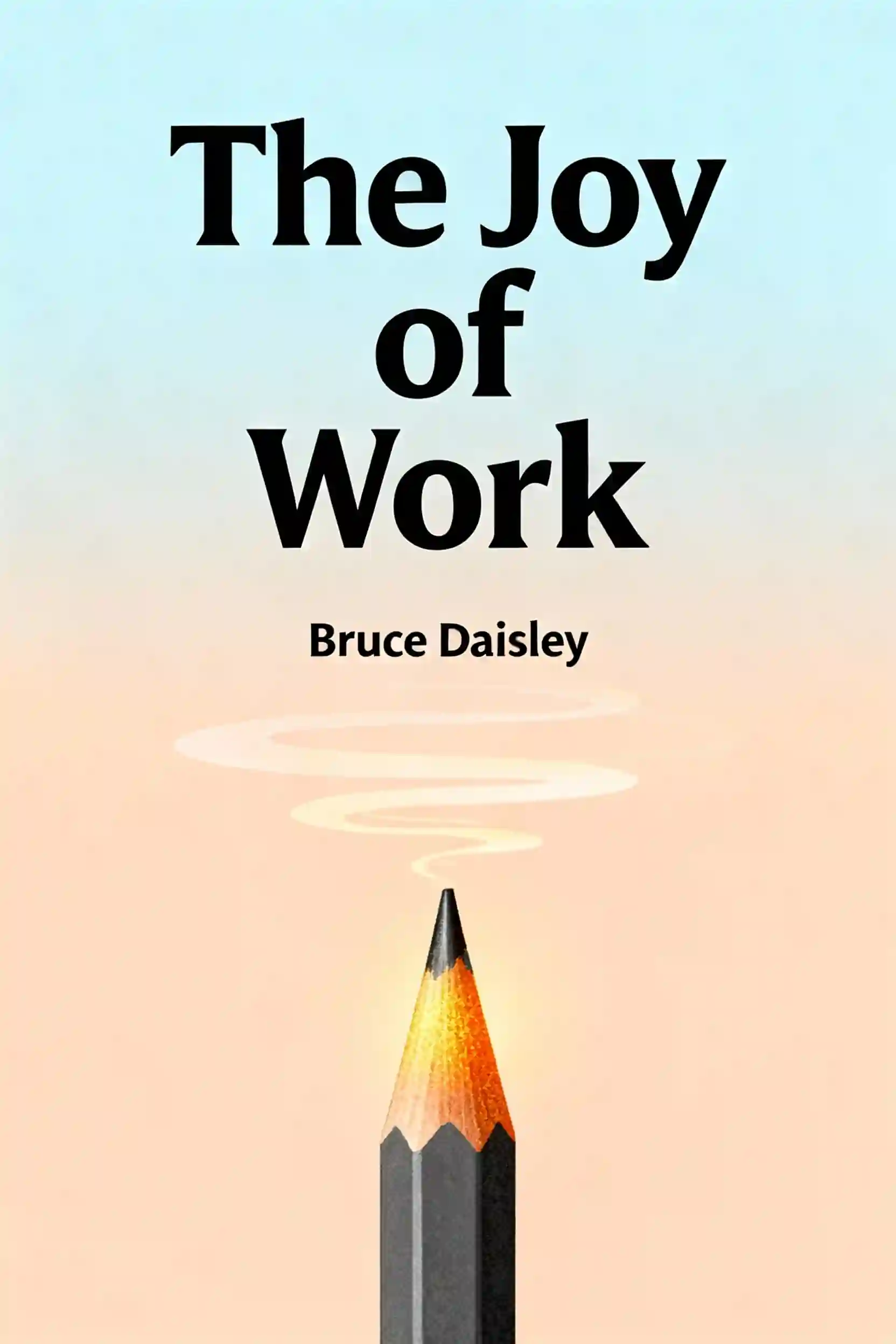
Knowledge sources








FAQ
Getting over a failed interview starts with acknowledging the disappointment. Give yourself grace, then objectively review the experience to identify areas for improvement. Reframing the rejection as a step in your career journey helps you regain focus and apply those lessons to your current role.
Coping with rejection involves processing your emotions outside of work, perhaps by journaling or talking with a trusted mentor. At work, focus on short-term, achievable goals to rebuild your confidence and maintain your professional momentum.
You can reframe rejection by viewing the interview process as a mutual exploration of fit. A 'no' simply means the match was not right at this time. Treat the experience as valuable data to refine your skills and clarify what you truly want in your next role.
From Columbia University alumni built in San Francisco
"Instead of endless scrolling, I just hit play on BeFreed. It saves me so much time."


"I never knew where to start with nonfiction—BeFreed’s book lists turned into podcasts gave me a clear path."


"Perfect balance between learning and entertainment. Finished ‘Thinking, Fast and Slow’ on my commute this week."
"Crazy how much I learned while walking the dog. BeFreed = small habits → big gains."
"Reading used to feel like a chore. Now it’s just part of my lifestyle."

"Feels effortless compared to reading. I’ve finished 6 books this month already."
"BeFreed turned my guilty doomscrolling into something that feels productive and inspiring."

"BeFreed turned my commute into learning time. 20-min podcasts are perfect for finishing books I never had time for."
"BeFreed replaced my podcast queue. Imagine Spotify for books — that’s it. 🙌"

"It is great for me to learn something from the book without reading it."
"The themed book list podcasts help me connect ideas across authors—like a guided audio journey."
"Makes me feel smarter every time before going to work"
From Columbia University alumni built in San Francisco
"Instead of endless scrolling, I just hit play on BeFreed. It saves me so much time."
"I never knew where to start with nonfiction—BeFreed’s book lists turned into podcasts gave me a clear path."
"Perfect balance between learning and entertainment. Finished ‘Thinking, Fast and Slow’ on my commute this week."
"Crazy how much I learned while walking the dog. BeFreed = small habits → big gains."
"Reading used to feel like a chore. Now it’s just part of my lifestyle."
"Feels effortless compared to reading. I’ve finished 6 books this month already."
"BeFreed turned my guilty doomscrolling into something that feels productive and inspiring."
"BeFreed turned my commute into learning time. 20-min podcasts are perfect for finishing books I never had time for."
"BeFreed replaced my podcast queue. Imagine Spotify for books — that’s it. 🙌"
"It is great for me to learn something from the book without reading it."
"The themed book list podcasts help me connect ideas across authors—like a guided audio journey."
"Makes me feel smarter every time before going to work"
"Instead of endless scrolling, I just hit play on BeFreed. It saves me so much time."
"I never knew where to start with nonfiction—BeFreed’s book lists turned into podcasts gave me a clear path."
"Perfect balance between learning and entertainment. Finished ‘Thinking, Fast and Slow’ on my commute this week."
"Crazy how much I learned while walking the dog. BeFreed = small habits → big gains."
"Reading used to feel like a chore. Now it’s just part of my lifestyle."
"Feels effortless compared to reading. I’ve finished 6 books this month already."
"BeFreed turned my guilty doomscrolling into something that feels productive and inspiring."
"BeFreed turned my commute into learning time. 20-min podcasts are perfect for finishing books I never had time for."
"BeFreed replaced my podcast queue. Imagine Spotify for books — that’s it. 🙌"
"It is great for me to learn something from the book without reading it."
"The themed book list podcasts help me connect ideas across authors—like a guided audio journey."
"Makes me feel smarter every time before going to work"
"Instead of endless scrolling, I just hit play on BeFreed. It saves me so much time."
"I never knew where to start with nonfiction—BeFreed’s book lists turned into podcasts gave me a clear path."
"Perfect balance between learning and entertainment. Finished ‘Thinking, Fast and Slow’ on my commute this week."
"Crazy how much I learned while walking the dog. BeFreed = small habits → big gains."
"Reading used to feel like a chore. Now it’s just part of my lifestyle."
"Feels effortless compared to reading. I’ve finished 6 books this month already."
"BeFreed turned my guilty doomscrolling into something that feels productive and inspiring."
"BeFreed turned my commute into learning time. 20-min podcasts are perfect for finishing books I never had time for."
"BeFreed replaced my podcast queue. Imagine Spotify for books — that’s it. 🙌"
"It is great for me to learn something from the book without reading it."
"The themed book list podcasts help me connect ideas across authors—like a guided audio journey."
"Makes me feel smarter every time before going to work"