BeFreed
    Categories>Communication>Speak more clearly so people actually listen

    Speak more clearly so people actually listen

    24 min
    |
    |
    Apr 2, 2026
    • Communication
    • Leadership & Corp Culture
    • Career & Business

    Mumbling can make you seem less credible. Learn how to use the Clarity Triangle and strategic pauses to improve your articulation and command authority.

    Speak more clearly so people actually listen
    0:00 / 0:00
    Choose how it's told

    One episode. Many ways to hear it.

    Same ideas from Speak more clearly so people actually listen. Pick the voice, depth, and pace that fits you. Switch anytime.

    Transcript & chapters

    Chapter 1

    The Science of Being Heard

    Lena: Hey Miles, I was just thinking about how often we all have to repeat ourselves in meetings. It’s so frustrating when you have a great idea, but it just doesn't "land."

    Miles: It really is. And get this—research from 2021 found that listeners actually rate speakers with clearer articulation as more credible and knowledgeable, regardless of what they’re even saying. It’s not just about the words; it’s the mechanics.

    Lena: That’s wild! So, even if I’m a genius, if I’m mumbling, people might trust me less?

    Miles: Exactly. Most of us think we have a "global" speech problem, but it usually boils down to four specific dimensions: articulation, pacing, volume, and structure. The good news is that these are mechanical habits we can actually retrain.

    Lena: I love that. It’s like a physical workout for your voice. Let’s explore how we can use the "Clarity Triangle" to transform how we show up in every conversation.

    Chapter 2

    The Clarity Triangle and the Mechanics of Sound

    Lena: So, Miles, you mentioned this "Clarity Triangle" earlier. It sounds like a perfect framework to start with. If we’re treating our voice like an instrument, what are the actual strings we’re tuning here?

    Miles: It’s such a helpful way to visualize it. Think of the triangle as having three pillars: Sound, Rhythm, and Language. Most people get obsessed with just one, like trying to have a perfect accent or using big words, but if the other two sides of the triangle are broken, the whole thing collapses.

    Lena: Okay, so let’s talk about that first pillar—Sound. This is more than just "not mumbling," right?

    Miles: Much more. It’s the physical precision of how you form consonants and vowels. Think about the end of your words. We have this habit of "swallowing" final consonants—like saying "projec" instead of "project" or "believ" instead of "believe." Those final sounds, especially the Ts, Ds, and NGs, carry a massive amount of information. When you drop them, your listener’s brain has to work overtime just to reconstruct what you said. That creates "listener fatigue," and eventually, people just tune out.

    Lena: That makes so much sense. I’ve definitely felt that exhaustion when listening to someone who slurs their words. It’s like trying to read a book where every fifth letter is missing.

    Miles: Exactly! And the second pillar is Rhythm. This is the "music" of your speech. English is what we call a "stress-timed" language. That means we don't give every syllable the same amount of time. We punch the important words—the nouns and verbs—and we kind of glide over the "filler" grammar words like "of" or "the." If you speak with a flat, "syllable-timed" rhythm where everything is even, you sound robotic. Or worse, you sound like you aren't sure which part of your own sentence actually matters.

    Lena: It’s like a song without a beat. You can hear the notes, but you can’t feel the groove.

    Miles: Spot on. And the third pillar is Language—the actual words you choose. Professional speech isn't about sounding like a dictionary; it’s about being "declarative." Instead of saying, "I think maybe we should probably look at the data," you say, "The data indicates we should move forward." One signals a hunch; the other signals authority.

    Lena: I love that. So, Sound is the clarity, Rhythm is the confidence, and Language is the authority. When those three click together, you aren’t just speaking—you’re influencing. But Miles, I have to ask—why do we struggle with this so much when we’re nervous? I can be the clearest speaker in the world in my kitchen, but the second I’m in a high-stakes meeting, I turn into a mumbling mess.

    Miles: It’s totally physiological, Lena. When we feel under pressure or "social threat," our brain triggers a stress response. A study from 2020 actually showed that people naturally speak eighteen to twenty-two percent faster when they feel scrutinized. Our vocal cords tighten, our breath gets shallow, and we literally try to "escape" the conversation by rushing through it. Knowing that it’s a physical reaction helps, because then you can use physical tools to fight back.

    Keep learning with this episode

    Take the ideas from this episode into a guided learning experience in BeFreed.

    Chapter 3

    Breathing as the Engine of Authority

    Lena: If the problem is physical, the solution has to be physical, too. You mentioned shallow breathing when we’re nervous—that "chest breathing" where your shoulders go up and down. How does that actually affect the sound of our voice?

    Miles: Think of your breath as the engine. If the engine is weak, the car isn't going anywhere. Chest breathing produces a thin, tight, high-pitched voice because there’s no air support behind the vocal cords. It makes you sound younger and less experienced. To fix it, you have to move to "diaphragmatic breathing"—or what executive coaches call "Power Breathing."

    Lena: Power Breathing. Okay, I’m ready. How do we do it without looking like we’re doing yoga in the middle of a boardroom?

    Miles: It’s actually very subtle once you practice it. The key is to breathe from the belly, not the chest. If you’re sitting there listening right now, try this: put one hand on your chest and one on your stomach. When you inhale, only the hand on your stomach should move. It should push out like a balloon. This engages the diaphragm, that big dome-shaped muscle under your ribs. It creates a stable column of air.

    Lena: I can feel the difference already. It feels... more grounded?

    Miles: Totally. And here’s the "pro" move: the 4-7-8 technique. You inhale for four counts, hold for seven, and exhale for eight. This isn't just about your voice; it actually activates your parasympathetic nervous system. It tells your brain, "Hey, we aren't being chased by a tiger. We’re just giving a status update." It lowers your heart rate and gives you a much richer, resonant tone.

    Lena: So, if I do this for two minutes before a big call, I’m basically pre-loading my voice with authority.

    Miles: Exactly. And it prevents that "trailing off" effect. Have you ever noticed how some people start a sentence strong and then it just... fades out at the end?

    Lena: Oh, all the time. It makes them sound like they lost their confidence mid-sentence.

    Miles: That’s usually just a lack of air! They ran out of "fuel" before the finish line. If you use your diaphragm, you can maintain consistent volume all the way to the final syllable. In professional contexts, that final word is usually the most important one—it’s the "action" or the "result." If you lose volume there, you lose the impact of the entire thought.

    Lena: That’s a huge takeaway. It’s not that they’re unsure; they’re just out of breath! It’s such a mechanical fix for a problem that we often mistake for a personality trait.

    Miles: It really is. And once you have that steady stream of air, you can start working on "Resonance Placement." Most people speak from their "head" or their throat, which sounds nasal or thin. If you can shift that vibration down into your chest, you instantly sound more credible. Think of the difference between a small violin and a cello. Same notes, but the cello has that deep, woody resonance that commands the room.

    Lena: How do we find that "chest voice" without sounding like we’re trying to impersonate a movie trailer narrator?

    Miles: It’s all about the "Hum." If you hum a low note and place your hand on your sternum, you should feel a vibration. That’s your chest resonance. The goal is to keep that vibration there even when you start speaking. Practice saying, "My recommendation is..." while keeping that "buzz" in your chest. It’s a game-changer for international professionals or anyone who feels their voice lacks "weight" in senior leadership settings.

    Chapter 4

    The Power of the Strategic Pause

    Lena: Okay, so we’ve got the engine running with the breath, and we’ve got the resonance going. But what about the "speed" issue? You mentioned we rush when we’re nervous. How do we actually slow down without sounding like we’re talking to a toddler?

    Miles: This is where most people get it wrong. They think "speaking clearly" means "speaking slowly" at a constant, boring rate. But the most influential speakers actually vary their pace. They use something called the "Strategic Pause."

    Lena: I’ve heard that silence is powerful, but in the moment, a pause feels like an eternity. It feels like I’ve forgotten my point!

    Miles: It feels like an eternity to you, but to the listener, it feels like "gravitas." A two-second pause before a key point creates anticipation. A two-second pause after a key point gives the listener time to actually process what you just said. Research shows that reducing your speech rate by just twenty-five percent can improve listener comprehension by over thirty percent in noisy environments.

    Lena: Wow, thirty percent? That’s a massive jump for just taking a breath.

    Miles: It really is. And think about "filler words"—the "ums," "uhs," and "likes." We use those because our brain is afraid of the silence. We’re trying to "hold the floor" while we think of the next word. But those fillers are "vocal fingerprints" of hesitation. They make you look less competent. The fix is what I call the "Pause Swap." Every time you feel an "um" coming, you just... stop. You close your mouth and exhale through your nose.

    Lena: That sounds so simple, but I bet it’s hard to do in practice.

    Miles: It takes about two weeks of conscious effort to break the habit. But once you do, you look incredibly composed. If you watch leaders like Barack Obama or Sundar Pichai, they aren't afraid of a three-second gap. It signals that they are in total control of the room’s "real estate." They don't need to rush because they know people are waiting for their next word.

    Lena: It’s about owning the space. And I suppose that also helps with "Uptalk," right? That rising inflection at the end of a sentence that makes everything sound like a question?

    Miles: Exactly. Uptalk is the ultimate "credibility killer." If you say, "This plan will increase revenue?" with a rising pitch, you’re basically asking for permission to be right. Confident speakers use the "Downward Inflection." You consciously guide your pitch down on the final word, as if you’re firmly placing it on a table.

    Lena: "This plan will increase revenue." Period. No question mark.

    Miles: Precisely. It sounds definitive. It sounds "final." Even if you’re just giving a status update, that downward slide in pitch tells the listener, "I’ve thought this through, and I’m standing behind it."

    Lena: I’m starting to see how all of this connects. If you’re breathing from the diaphragm, you have the air to finish the sentence. If you finish the sentence with a downward inflection, you sound authoritative. And if you pause afterward, you give that authority room to breathe.

    Miles: You’ve hit the nail on the head. It’s a sequence. And the beauty of the pause is that it also helps with "Articulation." When you speak too fast, your "articulators"—your tongue, lips, and jaw—don't have time to reach their full positions. You end up with "coarticulation errors," where the sounds just blur together into a mush. Slowing down gives your mouth the "physical clearance" it needs to be crisp.

    Keep learning with this episode

    Take the ideas from this episode into a guided learning experience in BeFreed.

    Chapter 5

    Articulation Drills and the Jaw-Drop Secret

    Lena: Let’s get into that "mushiness." I think a lot of people feel like they mumble, especially when they’re tired or just in a casual setting. Is there a way to "wake up" the mouth before a big talk?

    Miles: Absolutely. Mumbling is usually a "lazy jaw" issue. If your jaw doesn't drop, the vowels can't resonate, and the consonants get "swallowed." There’s a classic test: try to put three fingers vertically in your mouth. That’s roughly the range of motion your jaw should have. Most mumblers barely open their mouths a fraction of an inch.

    Lena: Laughs Okay, I’m not going to do the three-finger test right now, but I get the point. We’re being too "efficient" with our mouth movements, and it’s killing our clarity.

    Miles: Exactly. The brain takes the path of least resistance. To fight that, you need "Over-Articulation Drills." One of the best is reading a paragraph out loud and making every consonant "pop" in a way that feels totally ridiculous. Make the Ts hiss, the Ds thump, and the Ps puff air.

    Lena: It’s like the "Red Leather, Yellow Leather" tongue twisters we did in drama class?

    Miles: Exactly like that! "Unique New York" or "She sells seashells." The goal isn't to speak like that in real life—you’d sound like a cartoon. The goal is to "prime" the muscles. It’s like a runner stretching their hamstrings. Once you’ve "over-extended" those muscles in practice, your "normal" speech naturally moves toward the middle, which is crisp and clear without being theatrical.

    Lena: And you mentioned "Final Consonants" earlier. Is there a specific drill for those?

    Miles: My favorite is the "Last Sound" technique. Pick a text and focus exclusively on the very last letter of every word. "ImportanT," "DifferenT," "SpeakinG." Consonant clusters at the end of words are the primary carriers of "intelligibility" in English. If you nail the endings, the rest of the word almost takes care of itself.

    Lena: I noticed you emphasized the "G" in "speaking." I think a lot of us say "speakin'" or "workin'." Does that actually matter in a professional setting?

    Miles: It matters more than you’d think. Dropping the "G" is a sign of informality. In a casual coffee chat, it’s fine. But in a board presentation, it can subtly undermine your "Executive Presence." It’s a small detail, but these small details aggregate. It’s the difference between looking "polished" and looking "casual."

    Lena: It’s about being "contextually appropriate." I remember you mentioning a "Register Scale" earlier—from casual to formal.

    Miles: Right. Level 1 is slang and "inside jokes." Level 5 is a scripted keynote. Most of us need to live at Level 2 or 3—"Conversational Professional." You want to be warm and natural, but you also want that structural clarity. You don't want to sound like you're reading a legal brief, but you also don't want to sound like you're at a backyard barbecue. The "sweet spot" is using contractions—like "don't" instead of "do not"—while maintaining crisp articulation and a declarative tone.

    Chapter 6

    Organizing Your Thoughts with the BLUF Principle

    Lena: We’ve talked a lot about how we say things, but let’s look at what we say. Even if my voice is clear and resonant, if my ideas are a mess, I’m still going to lose people.

    Miles: You’re so right. "Delivery clarity" is only half the battle. "Structural clarity" is the other half. If your listener has to do "mental gymnastics" to find your point, they’re going to get frustrated. The single best tool for this is the "BLUF" principle—Bottom Line Up Front.

    Lena: Bottom Line Up Front. I love that. It’s so often the opposite of how we naturally tell stories. We usually start with the "once upon a time" background and build up to the conclusion.

    Miles: Exactly! We do "chronological" reporting. "So, I was looking at the spreadsheets, and then I talked to marketing, and then we noticed a trend, and so I think we should change our strategy." By the time you get to the "strategy," the listener’s brain is full of spreadsheet data and they’ve lost interest.

    Lena: So, you flip it. You lead with the punchline.

    Miles: Always. "We should change our strategy. Here are the three reasons why." It’s an "inverted pyramid." Give them the conclusion first, then the supporting details, then the "example." This is actually called the "PREP" framework: Point, Reason, Example, Point.

    Lena: Oh, I like that. Point, Reason, Example, Point. It’s like a sandwich.

    Miles: It is! You start with your main "Point." You give the "Reason" behind it. You provide a concrete "Example" or data point to prove it. And then you restate the "Point" to drive it home. This structure does the cognitive work for the listener. They don't have to guess where you’re going; you’ve already given them the map.

    Lena: And I imagine this helps with the "Expert Trap," too. That thing where we use too much jargon because we’re so close to the subject.

    Miles: Definitely. The "Expert Trap" is assuming the listener has the same "mental model" you do. A professional communicator uses "The Layer Cake Method." Layer 1 is the one-sentence "plain English" version. Layer 2 is the technical detail. Layer 3 is the specific data. You only move to Layer 2 if the listener asks for it.

    Lena: It’s like a "choose your own adventure" for the listener. You give them the "big picture" first, and let them decide how deep they want to go.

    Miles: Exactly. And it saves so much time! Think about how many meetings go over because people are "rambling" through the background. If everyone used BLUF, we’d finish in twenty minutes. It also helps you sound more "precise." Instead of saying "things are going well," you say "retention is up eight percent." Precision shows command of the subject. Vague language shows... well, it shows you haven't done your homework.

    Keep learning with this episode

    Take the ideas from this episode into a guided learning experience in BeFreed.

    Chapter 7

    Handling Difficult Conversations and Credibility Killers

    Lena: Let’s shift gears to the "tricky" stuff. How do we stay clear and professional when we’re in a "hot" conversation? Like when we have to disagree with someone or push back on a deadline?

    Miles: That’s the "pro" level of communication. The first rule is to "Focus on the Problem, Not the Person." Instead of saying, "You always give us impossible deadlines," which is an attack, you say, "This deadline doesn't work because it creates a bottleneck in the QA phase." You’re using "data-driven" language to frame the issue as a shared challenge.

    Lena: It’s much harder to get defensive against a "bottleneck" than an "attack."

    Miles: Right! And you want to watch out for "Credibility Killers"—those little phrases we use to "soften" our message but that actually just make us look weak. Phrases like, "This might be a stupid question," or "I'm not sure if this makes sense," or "I just wanted to say."

    Lena: I am so guilty of "I just wanted to say." It feels polite!

    Miles: It feels polite, but it’s actually a "preemptive apology" for your own contribution. It signals that you don't think your words are worth the room’s time. Just... say it. Cut the preamble. If you have a question, ask it. If you have an idea, state it. "Does that track?" is a much stronger way to check in than "Does that make sense?"

    Lena: "Does that track?" Oh, I’m stealing that. It sounds collaborative rather than "I’m worried I’m being confusing."

    Miles: It puts the "processing" on the listener. Another great one for disagreements is: "I see it a bit differently. From my perspective..." It acknowledges their point without agreeing with it, which keeps the door open for a professional debate. It’s all about "Rhetorical Listening"—identifying the "Topoi," or the recurring values the other person is mentioning, and using their language to frame your response.

    Lena: Rhetorical Listening. So, I’m not just waiting for my turn to speak; I’m "mapping" their argument so I can connect with it more effectively.

    Miles: Exactly. It builds "Ethos"—that sense of being an "emotional reliable container" for the conversation. When someone feels "heard," they are much more likely to be influenced by you. It’s a bit of a paradox: the more you focus on their perspective, the more authority you actually gain in the room.

    Lena: This is so much deeper than just "speaking clearly." It’s about "strategic engagement." It’s knowing when to use a "Falling Intonation" to signal a decision, and when to use a "Strategic Pause" to let a difficult truth land.

    Miles: And it all comes back to that "Clarity Triangle." If your Sound is crisp, your Rhythm is confident, and your Language is precise, you’re operating at a completely different level than everyone else. You aren't just "talking"; you’re "leading."

    Chapter 8

    Practical Playbook for the Listener

    Lena: Miles, we’ve covered a lot of ground today. For everyone listening who wants to start "speaking better" tomorrow morning, what does the "15-minute daily practice" actually look like?

    Miles: Let’s break it down into a simple "Clarity Circuit." You can do this in your car or while you’re making coffee.

    Miles: Minutes 1 to 3: The Warm-up. Do some "Power Breathing"—that 4-7-8 belly breathing. Then, do some "Pitch Slides." Start with a low "ahhh" and glide it up to a high note and back down. It "stretches" the vocal cords and prevents that "monotone" flat sound.

    Lena: Okay, I can do that while I’m waiting for the kettle to boil. What’s next?

    Miles: Minutes 4 to 8: The Articulation Drill. Pick a random paragraph—a news article, a work email, whatever. Read it out loud with "Over-Articulation." Exaggerate every T, D, and P. Drop your jaw. Feel the muscles working. Then, read it a second time at seventy percent of your normal speed, focusing only on the "Last Sound" of every word.

    Lena: I love the "Last Sound" focus. It really forces you to slow down and be precise.

    Miles: Minutes 9 to 13: Scenario Practice. This is the most important part. Pick a "high-stakes" moment coming up—a meeting, an intro, a difficult talk. Practice your "Opening Sentences." Use "BLUF" to get to the point immediately. Record yourself on your phone.

    Lena: Recording is the "secret sauce," isn't it? It’s the only way to hear what we actually sound like.

    Miles: It really is. When you listen back, don't judge yourself. Just be a detective. Ask: "Did I use uptalk? Did I trail off at the end? Did I use a filler word?" Then, Minutes 14 to 15: The Re-do. Record it one more time and fix just one of those things. Don't try to fix everything at once. Just target one habit.

    Lena: That feels so "doable." It’s not a marathon; it’s just a "tuning" session. And you mentioned that for non-native speakers, these mechanics are actually the "fastest path" to clarity—even more than trying to "lose" an accent.

    Miles: Absolutely. An accent is part of your identity. Clarity is a mechanical skill. If a non-native speaker has great "Rhythm" and "Downward Inflection" and uses "BLUF" structure, they will sound far more authoritative than a native speaker who mumbles and rambles. The "music" of the language is the key.

    Lena: And for the "Video Call" era we’re in, you had a great tip about microphone placement, too.

    Miles: Oh, yeah! On a video call, your "perceived clarity" is often just a "proximity" issue. Get your mouth six to twelve inches from the mic. If you’re using your laptop mic from across the room, you’re going to sound "muffled" no matter how well you articulate. It’s a "mechanical mismatch," not a "speech problem."

    Lena: Such a simple fix. And it makes a huge difference in how "present" you feel in a virtual meeting.

    Miles: It’s all about removing the "friction" between your idea and the listener’s brain. Whether it’s your breath, your jaw, your structure, or your microphone—the goal is the same: absolute clarity.

    Keep learning with this episode

    Take the ideas from this episode into a guided learning experience in BeFreed.

    Chapter 9

    Closing Reflection and Wrap-up

    Lena: So, as we wrap things up, the big takeaway for me is that "speaking better" isn't about some "magic talent." It’s a muscular and structural habit. It’s something we can actually "engineer."

    Miles: It really is. We’ve established that clear speech is a combination of "organized content" and "clean delivery." You lead with the point, you finish your sounds, you own the silence, and you support it all with your breath. It’s a "Techne"—a craft that anyone can learn.

    Lena: I love that word, "Techne." It makes it feel so much more "attainable." It’s like learning to play an instrument or drive a car. You might start out clunky, but with "deliberate practice," it becomes your "default mode."

    Miles: And the impact is real. When you speak with that kind of "Executive Presence," you change how you’re evaluated. You build trust faster. You influence decisions. It’s an investment that pays off every single time you open your mouth.

    Lena: To everyone listening, I want to challenge you to try just one of these today. Maybe it’s the "Downward Inflection" on a status update. Maybe it’s a "Strategic Pause" before you answer a question. Or maybe it’s just taking three "Power Breaths" before your next call.

    Miles: Just pick one. The "compound effect" of these small changes is massive. Within six weeks, people will start noticing. They might not be able to point to what changed, but they’ll say, "Wow, Lena really has it together lately. She sounds so confident."

    Lena: It’s the "invisible edge." Miles, thank you so much for breaking all of this down. I’m going to go practice my "Last Sounds" now.

    Miles: Laughs "SpeakinG" clearly, right?

    Lena: Exactly! "SpeakinG" clearly. Thank you all for joining us on this journey into the "music" of communication. Take a second today to reflect on which of the four dimensions—articulation, pacing, volume, or structure—is your biggest opportunity for growth.

    Miles: And remember, your voice is the most powerful tool you have. It’s time to start using it with intention.

    Lena: Thanks for listening. We’ll leave you to your practice. Get out there and be heard.

    ★★★★★

    You made it to the end of Speak more clearly so people actually listen

    “23 days in and I have used it every single day. It is part of my daily habit now.”

    jayallen

    Best quote from Speak more clearly so people actually listen

    “

    Most of us think we have a 'global' speech problem, but it usually boils down to four specific dimensions: articulation, pacing, volume, and structure. The good news is that these are mechanical habits we can actually retrain.

    ”
    E

    Generated by Ed Herm

    Input question

    Communication how to say phrases and speak better

    Host voices
    Lenaplay
    Milesplay
    Knowledge sources
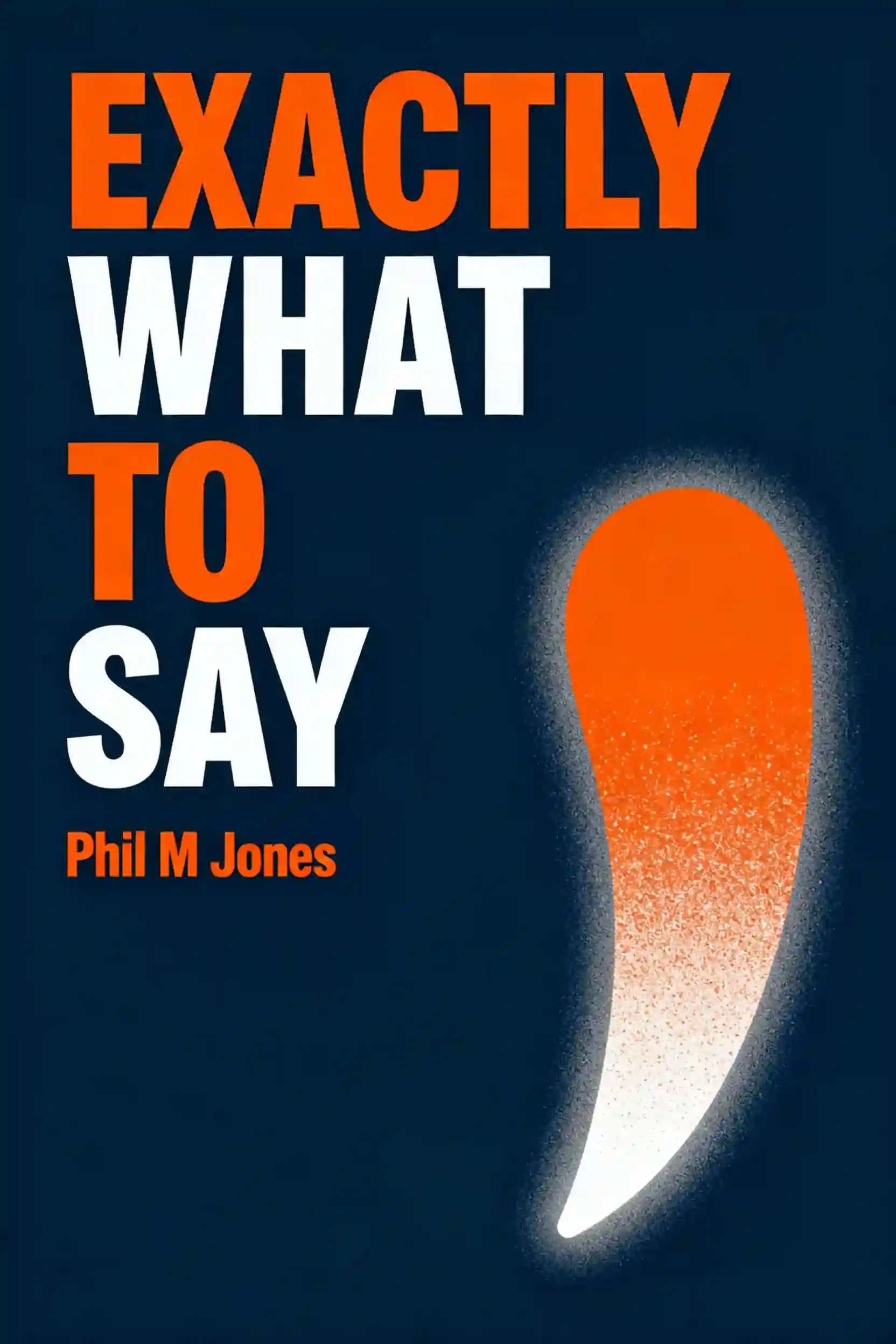
    Exactly what to say
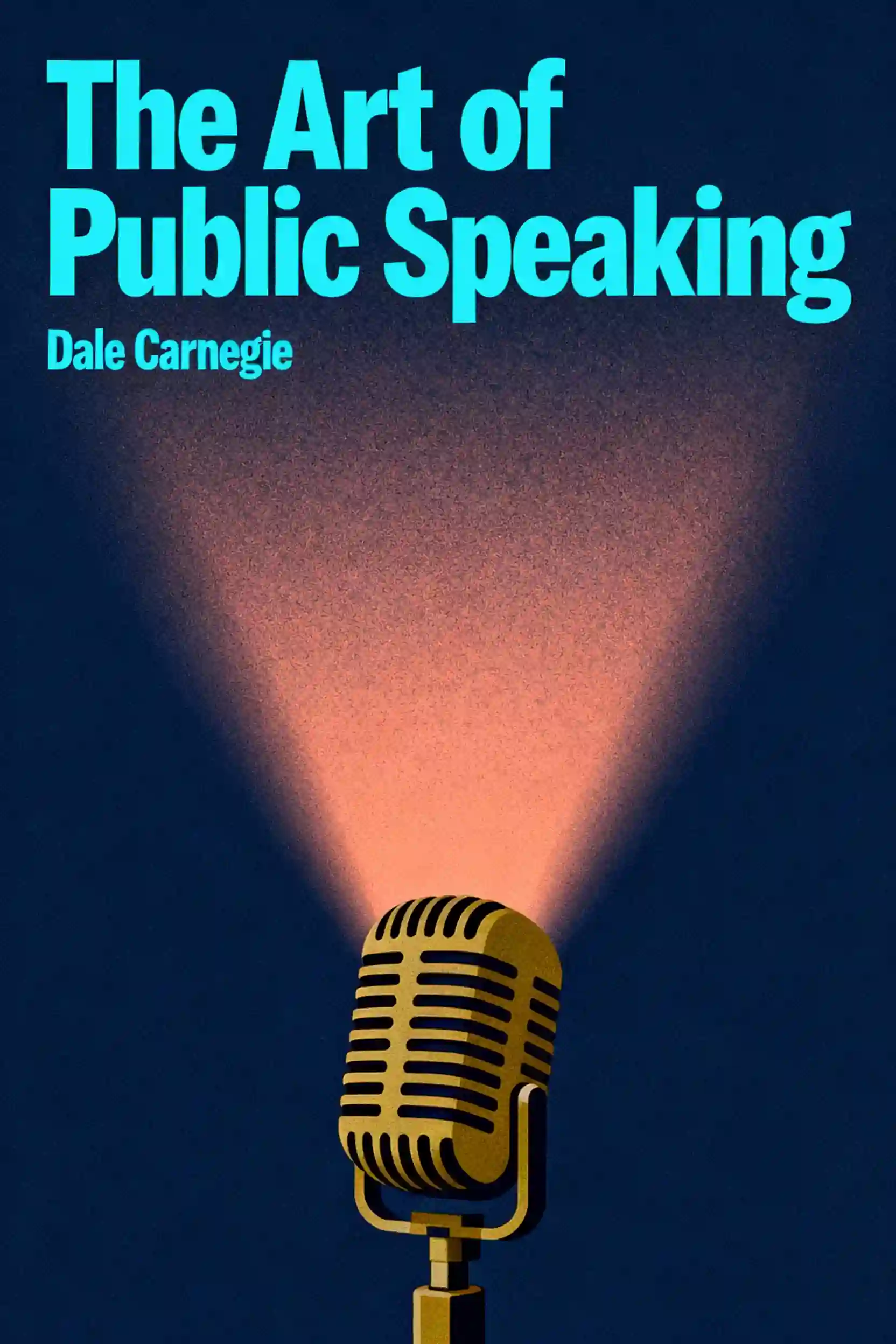
    Art of Public Speaking
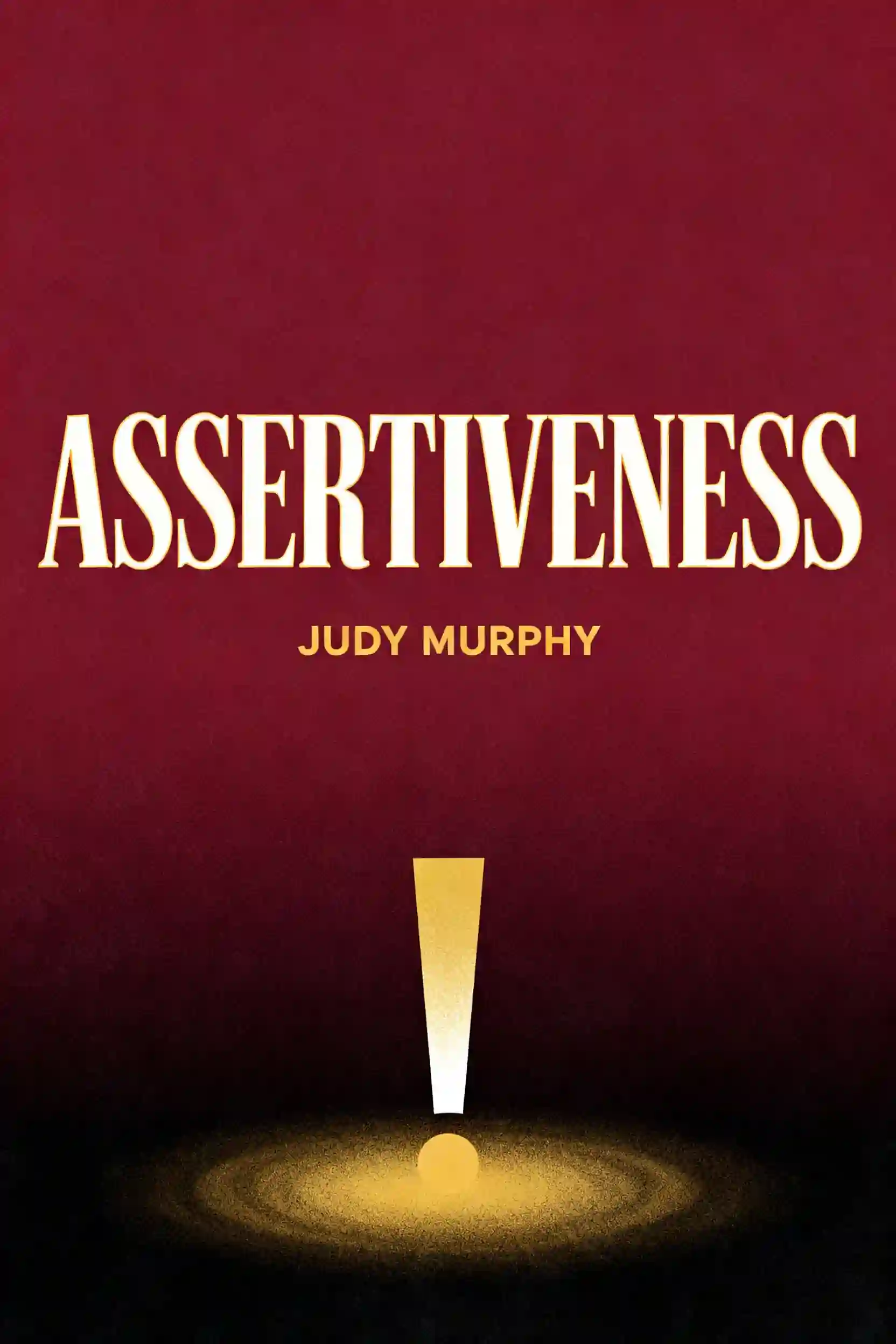
    Assertiveness
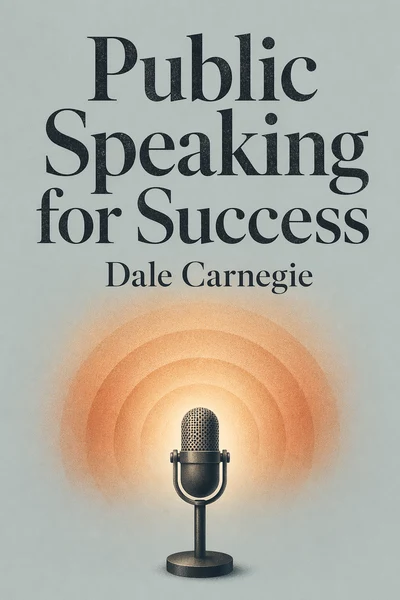
    Public Speaking for Success
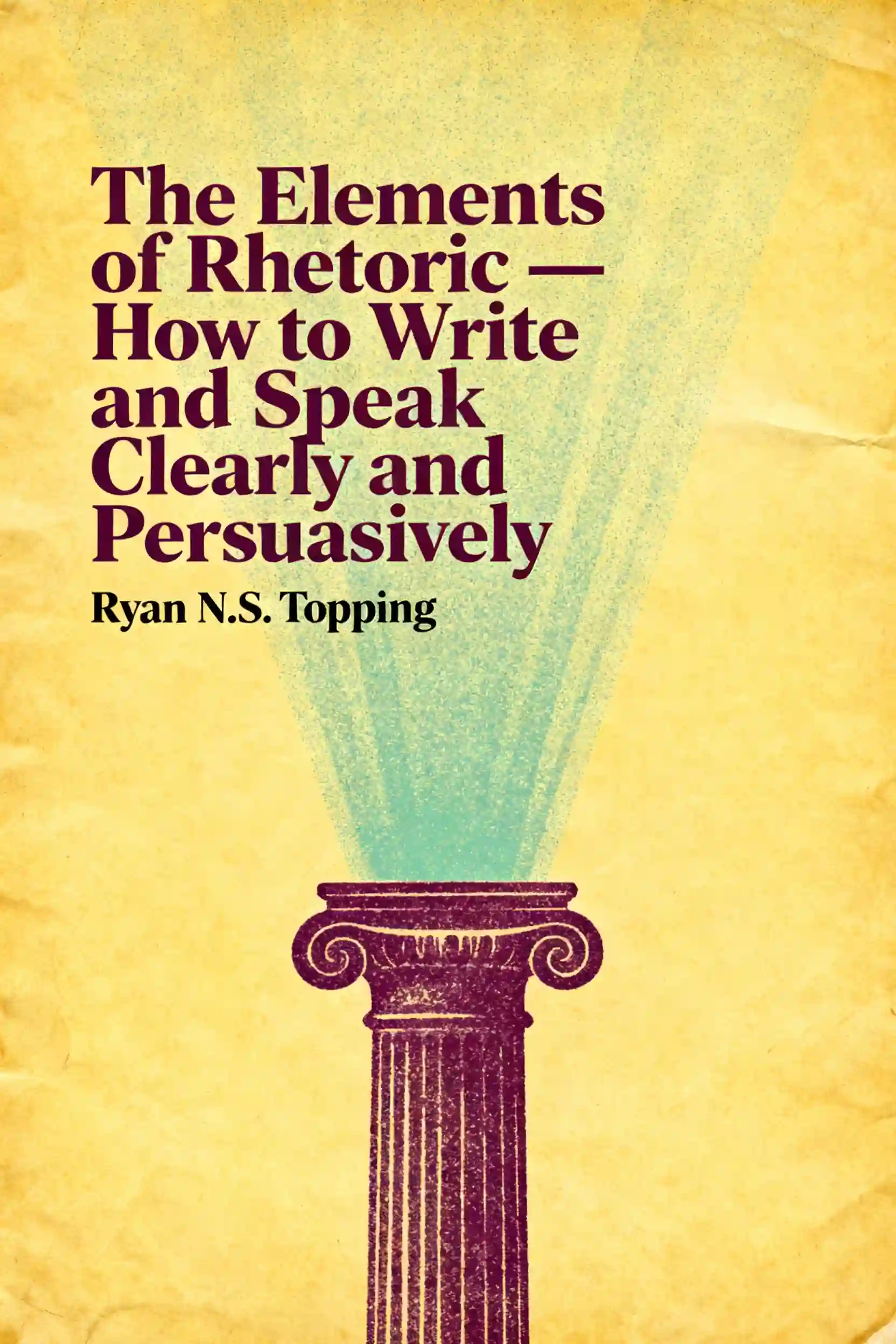
    The Elements of Rhetoric -- How to Write and Speak Clearly and Persuasively
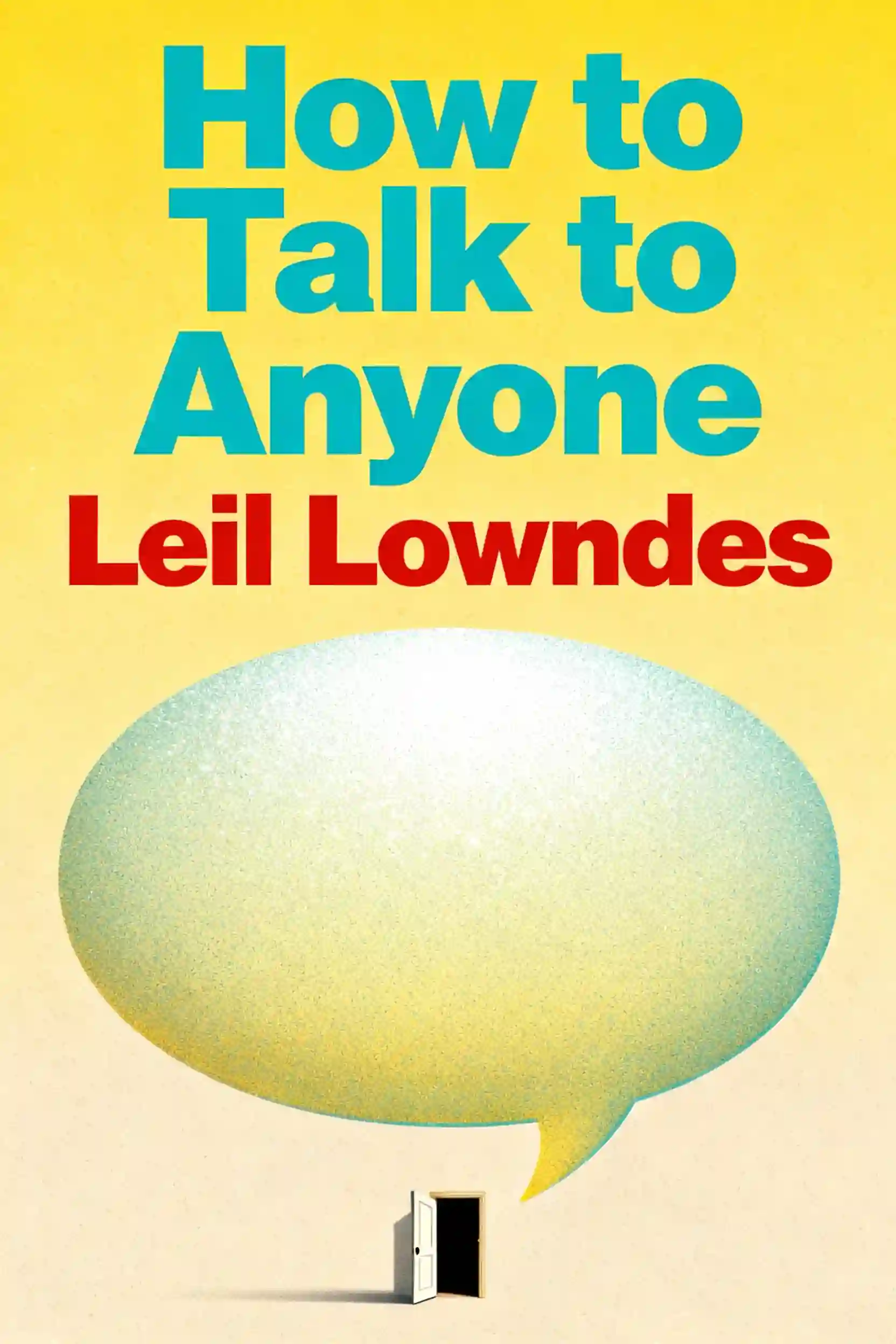
    How to Talk to Anyone

    Frequently Asked Questions

    The Clarity Triangle is a framework consisting of three pillars: Sound, Rhythm, and Language. Sound refers to the physical precision of forming consonants and vowels, particularly finishing the ends of words to prevent "listener fatigue." Rhythm involves mastering the "stress-timed" nature of English, where you emphasize important nouns and verbs rather than speaking with a flat, robotic cadence. Language focuses on being declarative and authoritative, such as replacing hesitant phrases like "I think maybe" with "The data indicates."

    This is a physiological stress response triggered by a "social threat." When nervous, the brain's stress response can cause you to speak 18% to 22% faster as you subconsciously try to "escape" the conversation. This physical tension leads to shallow chest breathing, which makes the voice sound thin and high-pitched, and a "lazy jaw," which prevents vowels from resonating and causes consonants to be "swallowed" or blurred together.

    To project authority, you should utilize "Power Breathing" or diaphragmatic breathing, which creates a stable column of air for a richer, more resonant tone. Techniques like the 4-7-8 exercise help calm the nervous system and provide the "fuel" needed to maintain volume through the end of a sentence. Additionally, incorporating "Strategic Pauses" allows listeners to process information and signals gravitas, while using a "Downward Inflection" at the end of sentences makes your statements sound definitive rather than like a question.

    The BLUF principle stands for "Bottom Line Up Front," which suggests leading with your conclusion rather than building up to it chronologically. This is often paired with the PREP framework: Point, Reason, Example, Point. By stating your main point first, providing the reasoning and a concrete example, and then restating the point, you do the cognitive work for the listener and ensure your message is clear and persuasive even if the listener is distracted.

    Credibility Killers are "preemptive apologies" or softening phrases like "I just wanted to say" or "This might be a stupid question" that signal a lack of confidence in your own contribution. To eliminate them, you should use the "Pause Swap," where you replace filler words like "um" or "uh" with a silent exhale. Instead of asking "Does that make sense?"—which implies you might be confusing—use "Does that track?", which shifts the focus to the listener's processing and sounds more collaborative.

    From Columbia University alumni | built in San Francisco

    BeFreed Brings Together A Global Community Of Curious Minds

    4.7

    avg rating

    7.84k+ App Rating

    BeFreed Community

    Seriously I haven’t even explored this app fully yet but from using it the last few days I am so impressed... BeFreed is on a different level from any other learning app I have used. This makes it ultra engaging and can actually improve your concentration which is great for all the doom scrollers!

    @ladyInfinity

    I bought BeFreed exactly 23 days ago, and I have used it every single day since. It has completely embedded itself into my daily workflow and learning habit.

    @jayallen

    The truth is, the app has exceeded all my expectations. I can ask it to generate audio on any topic, whatever it may be, and the result is impressive. My professional field is a specialization in psychotherapy and it is multidisciplinary; however, the answers are very accurate.

    @Raguipa

    What I appreciate most is how much it's reduced my scrolling – I'm spending less time searching and more time absorbing information. The combination of full audiobooks, podcasts, the learning plans are brilliant.

    @colonyofcreatorsNGO

    I have been a PhotoReading Accelerated Learning Instructor for the past 24 years... books and reading and learning are my thing, and BeFreed has done a great job in providing an innovative approach to disseminating and delivering information in an easy to consume way.

    @BeFreed user

    It is not just a book summary app, I have used the 'fun reading' option and it's a much better summary and way to grasp ideas the traditional way, that alone is worth this deal.

    @austinakon

    I love this app. Used it for several days and I cannot stop listening. Such a great way to start.

    @jcrules328

    I really like the program; I have already tested it for around one month, and I feel that it's an amazing gem. It works so well because I can use BeFreed to create my own topics, and the voice is so good with unlimited choice of narrations.

    @DanielCZ

    Seriously I haven’t even explored this app fully yet but from using it the last few days I am so impressed... BeFreed is on a different level from any other learning app I have used. This makes it ultra engaging and can actually improve your concentration which is great for all the doom scrollers!

    @ladyInfinity

    I bought BeFreed exactly 23 days ago, and I have used it every single day since. It has completely embedded itself into my daily workflow and learning habit.

    @jayallen

    The truth is, the app has exceeded all my expectations. I can ask it to generate audio on any topic, whatever it may be, and the result is impressive. My professional field is a specialization in psychotherapy and it is multidisciplinary; however, the answers are very accurate.

    @Raguipa

    What I appreciate most is how much it's reduced my scrolling – I'm spending less time searching and more time absorbing information. The combination of full audiobooks, podcasts, the learning plans are brilliant.

    @colonyofcreatorsNGO

    I have been a PhotoReading Accelerated Learning Instructor for the past 24 years... books and reading and learning are my thing, and BeFreed has done a great job in providing an innovative approach to disseminating and delivering information in an easy to consume way.

    @BeFreed user

    It is not just a book summary app, I have used the 'fun reading' option and it's a much better summary and way to grasp ideas the traditional way, that alone is worth this deal.

    @austinakon

    I love this app. Used it for several days and I cannot stop listening. Such a great way to start.

    @jcrules328

    I really like the program; I have already tested it for around one month, and I feel that it's an amazing gem. It works so well because I can use BeFreed to create my own topics, and the voice is so good with unlimited choice of narrations.

    @DanielCZ

    I love the fact that I can get useful, condensed, information and ideas in a 8 - 15 minute podcast style audio. I'm not a general fan of podcasts because of all the fluff, but this cuts through all that.

    @BeFreed user

    I am finishing up my doctorate, and have to read a lot of unfamiliar material... With BeFreed, you simply enter a prompt, and the app finds source material for you and generates an audio podcast. I find the process in BeFreed to be more streamlined than NotebookLM.

    @Brad

    I often search YouTube for something to listen to whilst making breakfast, when I'm out walking, commuting, etc, and BeFreed has provided an even more targeted approach, without the adverts and the fluff!

    @BeFreed user

    The absolute best part about this platform is its versatility. There is literally no subject that is off-topic. It handles whatever you throw at it... It is rare to find an learning tool with zero limitations that actually delivers on its promises.

    @jayallen

    BeFreed is fantastic. The user-friendly design means I spend less time navigating and more time learning. The mix of audiobooks, podcasts, and learning plans is a genius combo that has completely changed my daily routine.

    @BeFreed user

    At the start I needed a while to understand how to create podcasts in italian language and boom! It is so great! I can ask to explain every argument and it does so well and so smartly!

    @matteo77

    BeFreed has become my daily app for audio books tools... What I like the most is the way you put your text and come with an audio that you can listen on the go.

    @kotanzu1

    I love the fact that I can get useful, condensed, information and ideas in a 8 - 15 minute podcast style audio. I'm not a general fan of podcasts because of all the fluff, but this cuts through all that.

    @BeFreed user

    I am finishing up my doctorate, and have to read a lot of unfamiliar material... With BeFreed, you simply enter a prompt, and the app finds source material for you and generates an audio podcast. I find the process in BeFreed to be more streamlined than NotebookLM.

    @Brad

    I often search YouTube for something to listen to whilst making breakfast, when I'm out walking, commuting, etc, and BeFreed has provided an even more targeted approach, without the adverts and the fluff!

    @BeFreed user

    The absolute best part about this platform is its versatility. There is literally no subject that is off-topic. It handles whatever you throw at it... It is rare to find an learning tool with zero limitations that actually delivers on its promises.

    @jayallen

    BeFreed is fantastic. The user-friendly design means I spend less time navigating and more time learning. The mix of audiobooks, podcasts, and learning plans is a genius combo that has completely changed my daily routine.

    @BeFreed user

    At the start I needed a while to understand how to create podcasts in italian language and boom! It is so great! I can ask to explain every argument and it does so well and so smartly!

    @matteo77

    BeFreed has become my daily app for audio books tools... What I like the most is the way you put your text and come with an audio that you can listen on the go.

    @kotanzu1

    See more on how BeFreed is discussed
    129.7K19.5K
    55.2K19.2K
    154.2K10827355
    48.1K2.5K
    81.2K6.6K
    82.3K1.8K
    Start your learning journey, now
    BeFreed app
    BeFreed

    Learn Anything, Personalized

    DiscordLinkedIn
    Featured book summaries
    Crucial ConversationsThe Perfect MarriageInto the WildNever Split the DifferenceAttachedGood to GreatSay Nothing
    Trending categories
    Self HelpCommunication SkillRelationshipMindfulnessPhilosophyInspirationProductivity
    Celebrities' reading list
    Elon MuskCharlie KirkBill GatesSteve JobsAndrew HubermanJoe RoganJordan Peterson
    Award winning collection
    Pulitzer PrizeNational Book AwardGoodreads Choice AwardsNobel Prize in LiteratureNew York TimesCaldecott MedalNebula Award
    Featured Topics
    ManagementAmerican HistoryWarTradingStoicismAnxietySex
    Best books by Year
    2025 Best Non Fiction Books2024 Best Non Fiction Books2023 Best Non Fiction Books
    Featured authors
    Chimamanda Ngozi AdichieGeorge OrwellO. J. SimpsonBarbara O'NeillWinston ChurchillCharlie Kirk
    BeFreed vs other apps
    BeFreed vs. Other Book Summary AppsBeFreed vs. ElevenReaderBeFreed vs. ReadwiseBeFreed vs. Anki
    Learning tools
    Knowledge VisualizerAI Podcast Generator
    Information
    About Usarrow
    Pricingarrow
    FAQarrow
    Blogarrow
    Careerarrow
    Partnershipsarrow
    Ambassador Programarrow
    Directoryarrow
    BeFreed
    Try now
    © 2026 BeFreed
    Term of UsePrivacy Policy
    BeFreed

    Learn Anything, Personalized

    DiscordLinkedIn
    Featured book summaries
    Crucial ConversationsThe Perfect MarriageInto the WildNever Split the DifferenceAttachedGood to GreatSay Nothing
    Trending categories
    Self HelpCommunication SkillRelationshipMindfulnessPhilosophyInspirationProductivity
    Celebrities' reading list
    Elon MuskCharlie KirkBill GatesSteve JobsAndrew HubermanJoe RoganJordan Peterson
    Award winning collection
    Pulitzer PrizeNational Book AwardGoodreads Choice AwardsNobel Prize in LiteratureNew York TimesCaldecott MedalNebula Award
    Featured Topics
    ManagementAmerican HistoryWarTradingStoicismAnxietySex
    Best books by Year
    2025 Best Non Fiction Books2024 Best Non Fiction Books2023 Best Non Fiction Books
    Learning tools
    Knowledge VisualizerAI Podcast Generator
    Featured authors
    Chimamanda Ngozi AdichieGeorge OrwellO. J. SimpsonBarbara O'NeillWinston ChurchillCharlie Kirk
    BeFreed vs other apps
    BeFreed vs. Other Book Summary AppsBeFreed vs. ElevenReaderBeFreed vs. ReadwiseBeFreed vs. Anki
    Information
    About Usarrow
    Pricingarrow
    FAQarrow
    Blogarrow
    Careerarrow
    Partnershipsarrow
    Ambassador Programarrow
    Directoryarrow
    BeFreed
    Try now
    © 2026 BeFreed
    Term of UsePrivacy Policy

    Part of a Learning Plan

    Improve professional speech and articulation
    LEARNING PLAN

    Improve professional speech and articulation

    4 h 30 m•4 Episodes

    More like this

    Speak more clearly to build instant credibility book cover
    How to Speak Like the Top 1%Art of Public SpeakingPublic Speaking for SuccessThe Elements of Rhetoric -- How to Write and Speak Clearly and Persuasively
    23 sources
    Speak more clearly to build instant credibility
    Struggling to be heard in meetings? Learn how mastering a few key sounds and slowing your pace can make you sound more knowledgeable and professional.
    20 min
    Clear Speech and Credibility book cover
    How to Speak Clearly: 10 Techniques for Better Speech | SayNow AIExercises To Improve Clarity And Diction In SpeechHow to Enunciate Better: Tips for Clear CommunicationHow to Enunciate Better and Speak With Clarity
    5 sources
    Clear Speech and Credibility
    Struggling to land your ideas? Learn how to fix mumbling and rushing with physical exercises that turn your articulation into a tool for influence.
    20 min
    Speak more eloquently by avoiding credibility killers book cover
    Speak Like a CEO ToolkitWords That WorkBusiness Writing TipsThe Elements of Rhetoric -- How to Write and Speak Clearly and Persuasively
    22 sources
    Speak more eloquently by avoiding credibility killers
    Struggling to sound professional? Learn how to use the Clarity Triangle to stop apologizing for your ideas and start communicating with natural authority.
    25 min
    Speak With Clarity and Confidence book cover
    The Art of Public SpeakingPublic Speaking for SuccessThe Elements of Rhetoric -- How to Write and Speak Clearly and PersuasivelyHow to Speak Like the Top 1%: The Science of Elite Communication
    23 sources
    Speak With Clarity and Confidence
    Discover practical strategies to become more articulate, from developing your 'greatest hits' of core ideas to mastering the rhythm of speech and building vocabulary that serves your message.
    11 min
    Mastering the Clarity Triangle for Authoritative Speech book cover
    The Art of Public SpeakingPublic Speaking for SuccessHow to Speak Like the Top 1%: The Science of Elite CommunicationThe Elements of Rhetoric -- How to Write and Speak Clearly and Persuasively
    25 sources
    Mastering the Clarity Triangle for Authoritative Speech
    Stop wasting time on miscommunications by mastering the physical, rhythmic, and strategic elements of clear speech to command respect in every conversation.
    28 min
    Speak with Power and Clarity book cover
    The Art of Public SpeakingPublic Speaking for SuccessThe Elements of Rhetoric -- How to Write and Speak Clearly and PersuasivelySpeak Like a CEO
    8 sources
    Speak with Power and Clarity
    Discover how to transform jumbled thoughts into articulate speech through practical daily exercises. Learn to bridge the brain-mouth gap and develop a confident, persuasive speaking style that connects with any audience.
    31 min
    Articulation training for clearer speaking book cover
    Art of Public SpeakingPublic Speaking for SuccessThe Public Speaking Bible; a Survival Guide for Standing on StageHow to Speak Like the Top 1%
    24 sources
    Articulation training for clearer speaking
    Mumbling often happens when your speech muscles can't keep up with your brain. Learn physical drills and the PREP framework to structure your thoughts.
    13 min
    Better communication starts with listening more book cover
    Mastering Communication at WorkSpeak Like a CEO ToolkitArt of Public SpeakingGot Your Attention?
    25 sources
    Better communication starts with listening more
    Most people talk too much and say too little. Learn how to use strategic pauses and active listening to build influence and lead clearer conversations.
    28 min

    Recommended Learning Plans

    Improve professional speech and articulation
    LEARNING PLAN

    Improve professional speech and articulation

    In today's competitive landscape, clear and authoritative communication is a prerequisite for leadership. This plan is designed for professionals and aspiring executives who want to transform their vocal delivery from hesitant to commanding.

    4 h 30 m•4 Sections
    Speak Grounded and Clear
    LEARNING PLAN

    Speak Grounded and Clear

    In high-stakes environments, the ability to remain composed and articulate is a critical leadership skill. This plan is designed for professionals who want to replace nervous habits with authoritative presence and clear, structured communication.

    2 h•4 Sections
    Speak eloquently with confidence & precision
    LEARNING PLAN

    Speak eloquently with confidence & precision

    Effective communication is the cornerstone of professional success, yet many talented individuals struggle to articulate their ideas with the clarity and confidence their expertise deserves. This learning plan is ideal for professionals, leaders, and aspiring executives who want to elevate their speaking abilities, strengthen their influence, and be recognized as articulate, intelligent communicators in high-stakes environments.

    5 h•4 Sections
    I want to sound more articulate when I speak
    LEARNING PLAN

    I want to sound more articulate when I speak

    In today’s professional landscape, the ability to communicate with precision and authority is a primary driver of career growth. This plan is ideal for professionals and aspiring leaders who want to bridge the gap between their ideas and their verbal delivery.

    4 h 41 m•4 Sections
    Speak with Impact and Authority
    LEARNING PLAN

    Speak with Impact and Authority

    Effective communication is the cornerstone of leadership, yet many professionals struggle with anxiety and disorganized thoughts. This plan is designed for aspiring leaders and executives who need to project authority and clarity in high-stakes environments.

    1 h 24 m•4 Sections
    To learn how to speak fluently in public
    LEARNING PLAN

    To learn how to speak fluently in public

    Effective communication is the cornerstone of leadership and professional success. This plan is designed for aspiring leaders and professionals who want to transform their stage presence from fearful to influential.

    5 h 5 m•4 Sections
    Articulate with Clarity and Influence
    LEARNING PLAN

    Articulate with Clarity and Influence

    In today’s fast-paced corporate environment, the ability to communicate with brevity and authority is a critical career differentiator. This plan is designed for emerging leaders and professionals who need to navigate high-stakes meetings, handle difficult conversations, and build stronger interpersonal connections.

    2 h•4 Sections
    Speak Less, Lead More
    LEARNING PLAN

    Speak Less, Lead More

    This learning plan is essential for high-potential leaders who struggle with over-explaining and want to command more authority in the boardroom. It benefits managers and executives looking to shift from information sharing to decisive, high-impact leadership.

    1 h 36 m•4 Sections