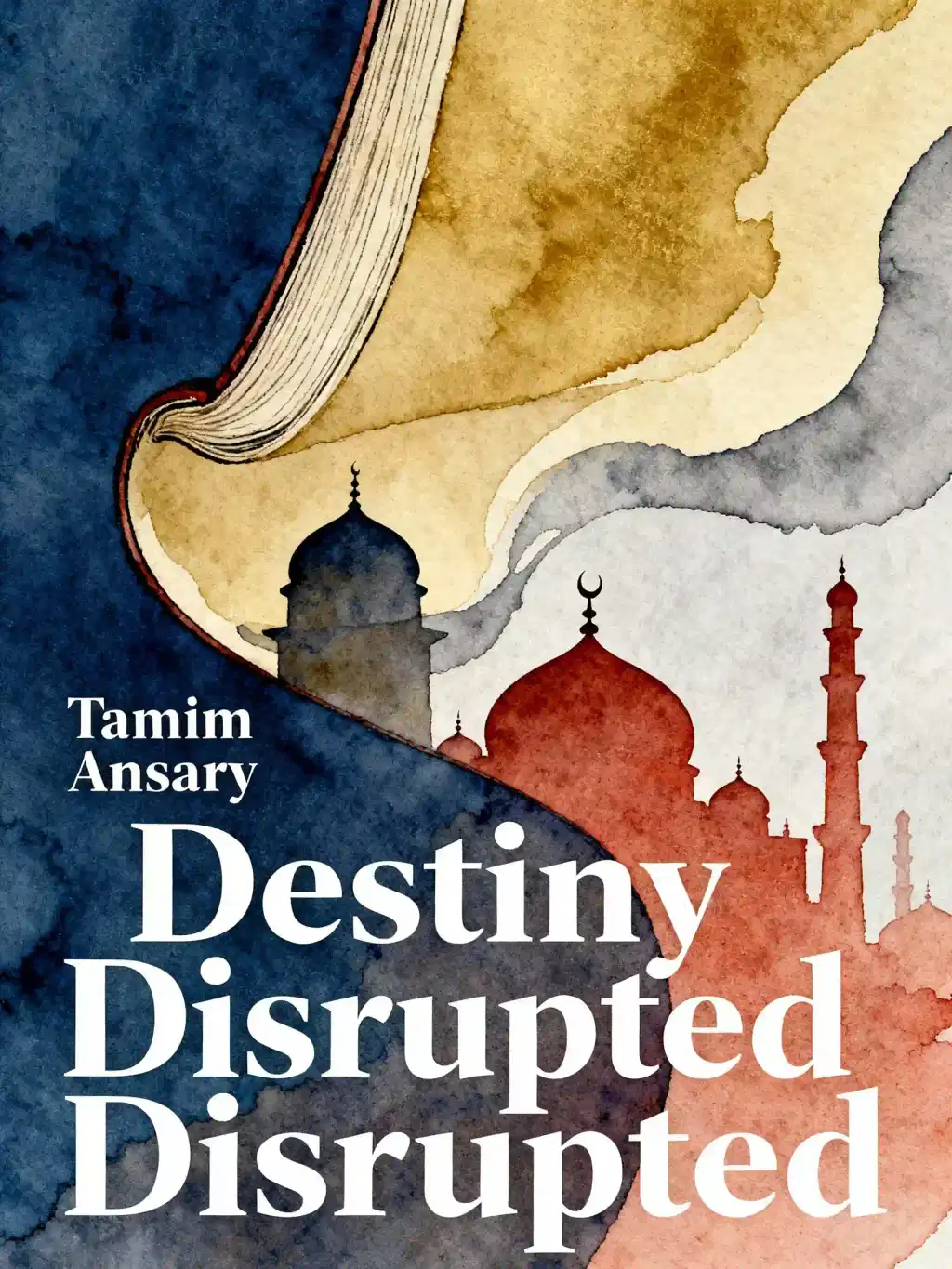
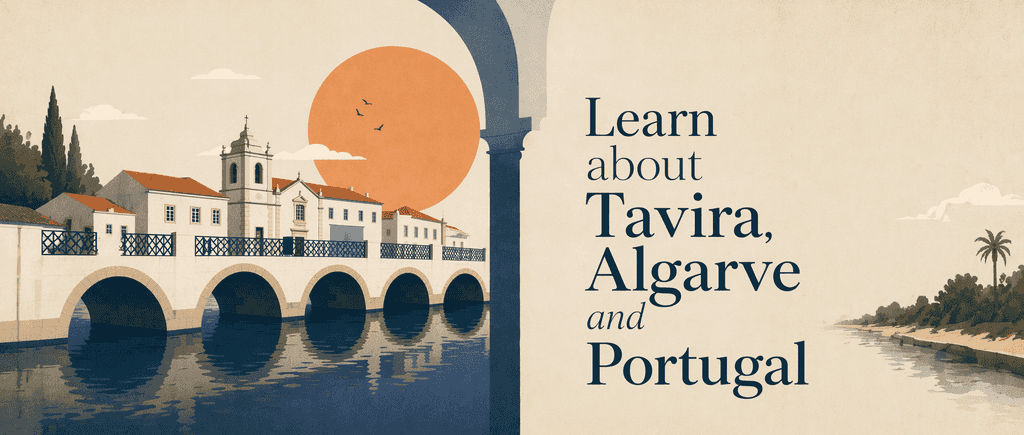
Spain and Portugal from Roman Fall to Al-Andalus
When Rome fell, Iberia became a battleground for Goths and Umayyads. Explore how this clash of cultures built the foundations of two global empires.

Best quote from Spain and Portugal from Roman Fall to Al-Andalus
Al-Andalus was the intellectual bridge that moved Europe from the 'Dark Ages' into the modern era, proving that when people of different backgrounds unite in the pursuit of knowledge, the result is a brilliance that outlasts any single dynasty.
Generated by Freedee_08C6A32A
The history of Spain and Portugal from the collapse of the Rome to the renaissance.

Frequently Asked Questions
Asabiyya is a term identified by the historian Ibn Khaldun referring to "group feeling" or social cohesion born from a shared purpose and mutual trust. In the script, this concept explains how small, motivated groups like Tariq ibn Ziyad’s forces could topple large but fractured kingdoms like that of the Visigoths. However, asabiyya follows a cycle: as a dynasty becomes successful and sedentary, it trades this raw social bond for luxury and bureaucracy, eventually leading to "senility" and collapse when faced with a new group possessing stronger cohesion.
The transition marked a significant shift from the repressive atmosphere of the late Visigothic Kingdom to a more pluralistic "dhimmi" system. Under the Visigoths, the state was plagued by friction between the Arian Gothic elite and the Catholic majority, alongside systemic persecution of Jewish populations. The Muslim administration offered protected status to Christians and Jews in exchange for a tax known as the jizya. This allowed these communities to practice their faith and participate in trade and administration, leading to a "mosaic" society where diverse scholars collaborated on scientific and philosophical advancements.
The fragmentation resulted from a breakdown in central authority and the "usurpation of asabiyya" by ambitious officials. After the death of Al-Hakam II, the general Al-Mansur sidelined the rightful Umayyad heirs and relied on foreign Berber mercenaries who had no traditional loyalty to the local state. When Al-Mansur’s successors failed to maintain control, the system collapsed into a twenty-year civil war known as the Fitnah. By 1031, the unified Caliphate abolished itself, leaving behind over thirty independent city-states, or Taifas, which were culturally brilliant but militarily weak.
Al-Andalus served as the primary intellectual bridge between antiquity and the Renaissance. The translation centers in cities like Toledo preserved Greek, Persian, and Indian knowledge, passing on foundational works in medicine, surgery, and philosophy to Europe. Modern life still carries these traces through the Spanish language—which contains thousands of Arabic-derived words—as well as through agricultural innovations like irrigation wheels and crops like citrus and rice. Furthermore, the naval engineering and maritime knowledge perfected in Al-Andalus provided the technical basis for the Age of Discovery.
From Columbia University alumni built in San Francisco
BeFreed Brings Together A Global Community Of Curious Minds


"Instead of endless scrolling, I just hit play on BeFreed. It saves me so much time."


"I never knew where to start with nonfiction—BeFreed’s book lists turned into podcasts gave me a clear path."


"Perfect balance between learning and entertainment. Finished ‘Thinking, Fast and Slow’ on my commute this week."
"Crazy how much I learned while walking the dog. BeFreed = small habits → big gains."
"Reading used to feel like a chore. Now it’s just part of my lifestyle."

"Feels effortless compared to reading. I’ve finished 6 books this month already."
"BeFreed turned my guilty doomscrolling into something that feels productive and inspiring."

"BeFreed turned my commute into learning time. 20-min podcasts are perfect for finishing books I never had time for."
"BeFreed replaced my podcast queue. Imagine Spotify for books — that’s it. 🙌"

"It is great for me to learn something from the book without reading it."
"The themed book list podcasts help me connect ideas across authors—like a guided audio journey."
"Makes me feel smarter every time before going to work"
From Columbia University alumni built in San Francisco
BeFreed Brings Together A Global Community Of Curious Minds
"Instead of endless scrolling, I just hit play on BeFreed. It saves me so much time."
"I never knew where to start with nonfiction—BeFreed’s book lists turned into podcasts gave me a clear path."
"Perfect balance between learning and entertainment. Finished ‘Thinking, Fast and Slow’ on my commute this week."
"Crazy how much I learned while walking the dog. BeFreed = small habits → big gains."
"Reading used to feel like a chore. Now it’s just part of my lifestyle."
"Feels effortless compared to reading. I’ve finished 6 books this month already."
"BeFreed turned my guilty doomscrolling into something that feels productive and inspiring."
"BeFreed turned my commute into learning time. 20-min podcasts are perfect for finishing books I never had time for."
"BeFreed replaced my podcast queue. Imagine Spotify for books — that’s it. 🙌"
"It is great for me to learn something from the book without reading it."
"The themed book list podcasts help me connect ideas across authors—like a guided audio journey."
"Makes me feel smarter every time before going to work"
"Instead of endless scrolling, I just hit play on BeFreed. It saves me so much time."
"I never knew where to start with nonfiction—BeFreed’s book lists turned into podcasts gave me a clear path."
"Perfect balance between learning and entertainment. Finished ‘Thinking, Fast and Slow’ on my commute this week."
"Crazy how much I learned while walking the dog. BeFreed = small habits → big gains."
"Reading used to feel like a chore. Now it’s just part of my lifestyle."
"Feels effortless compared to reading. I’ve finished 6 books this month already."
"BeFreed turned my guilty doomscrolling into something that feels productive and inspiring."
"BeFreed turned my commute into learning time. 20-min podcasts are perfect for finishing books I never had time for."
"BeFreed replaced my podcast queue. Imagine Spotify for books — that’s it. 🙌"
"It is great for me to learn something from the book without reading it."
"The themed book list podcasts help me connect ideas across authors—like a guided audio journey."
"Makes me feel smarter every time before going to work"
"Instead of endless scrolling, I just hit play on BeFreed. It saves me so much time."
"I never knew where to start with nonfiction—BeFreed’s book lists turned into podcasts gave me a clear path."
"Perfect balance between learning and entertainment. Finished ‘Thinking, Fast and Slow’ on my commute this week."
"Crazy how much I learned while walking the dog. BeFreed = small habits → big gains."
"Reading used to feel like a chore. Now it’s just part of my lifestyle."
"Feels effortless compared to reading. I’ve finished 6 books this month already."
"BeFreed turned my guilty doomscrolling into something that feels productive and inspiring."
"BeFreed turned my commute into learning time. 20-min podcasts are perfect for finishing books I never had time for."
"BeFreed replaced my podcast queue. Imagine Spotify for books — that’s it. 🙌"
"It is great for me to learn something from the book without reading it."
"The themed book list podcasts help me connect ideas across authors—like a guided audio journey."
"Makes me feel smarter every time before going to work"