Small Shifts for Radical Relationship Success
Discover how five transformative books provide a practical roadmap for building intimacy, breaking codependency, and mastering the science of human connection.

Best quote from Small Shifts for Radical Relationship Success
Intimacy isn’t built on the mountaintop; it’s built in the kitchen, over cereal, or while watching TV. It’s the 'Russian novel' of a relationship—thousands of tiny pages of turning toward each other.
Generated by Mike
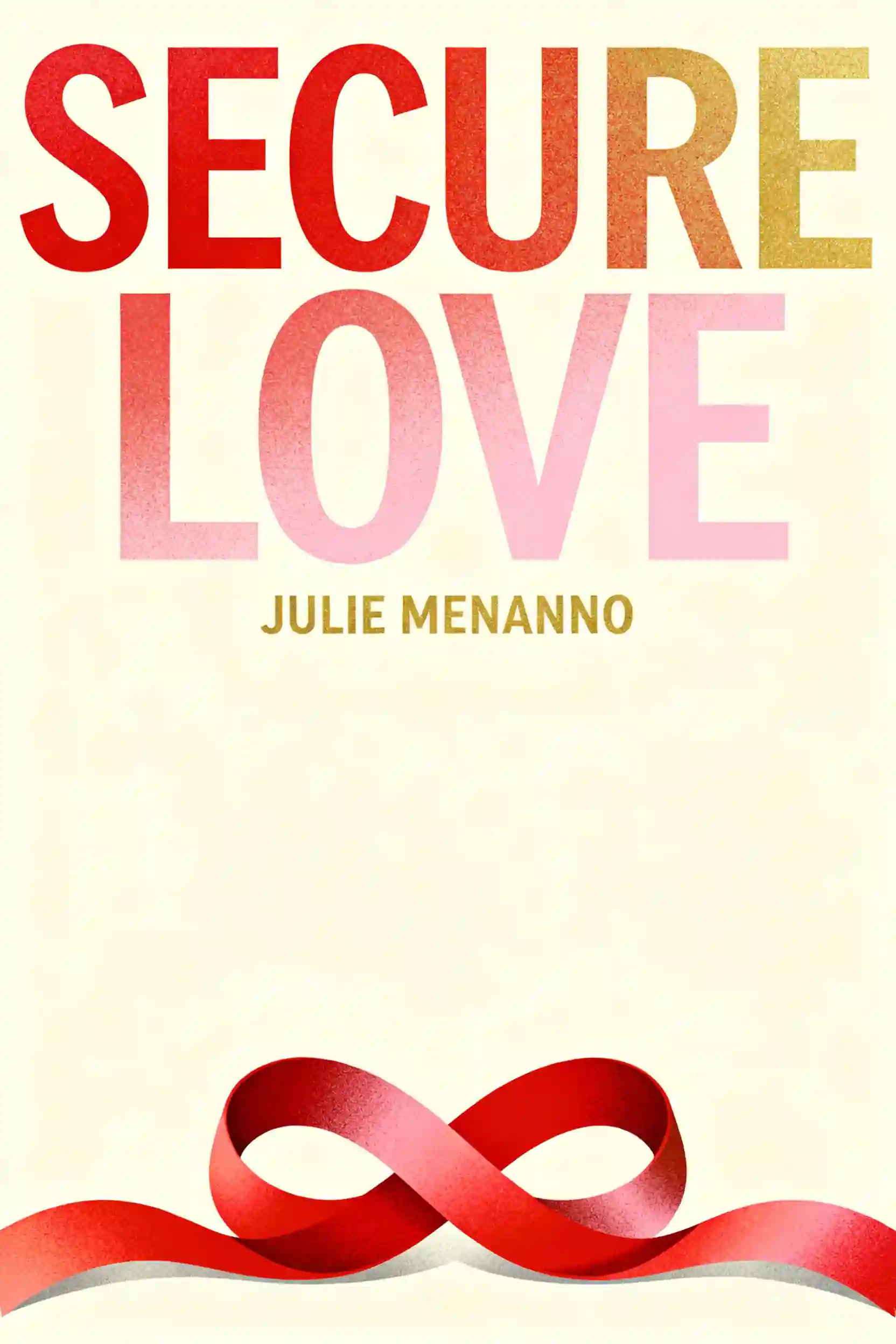
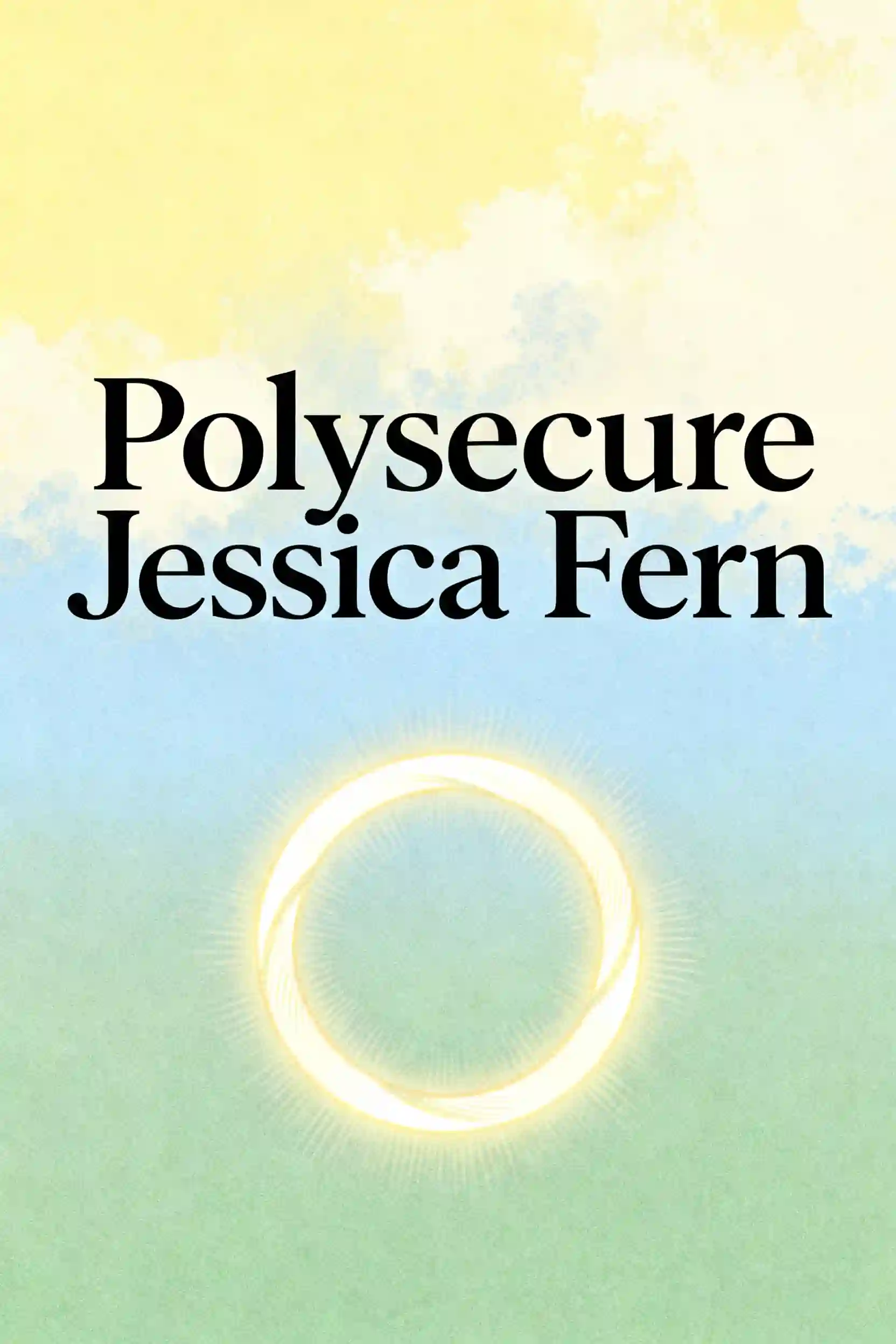
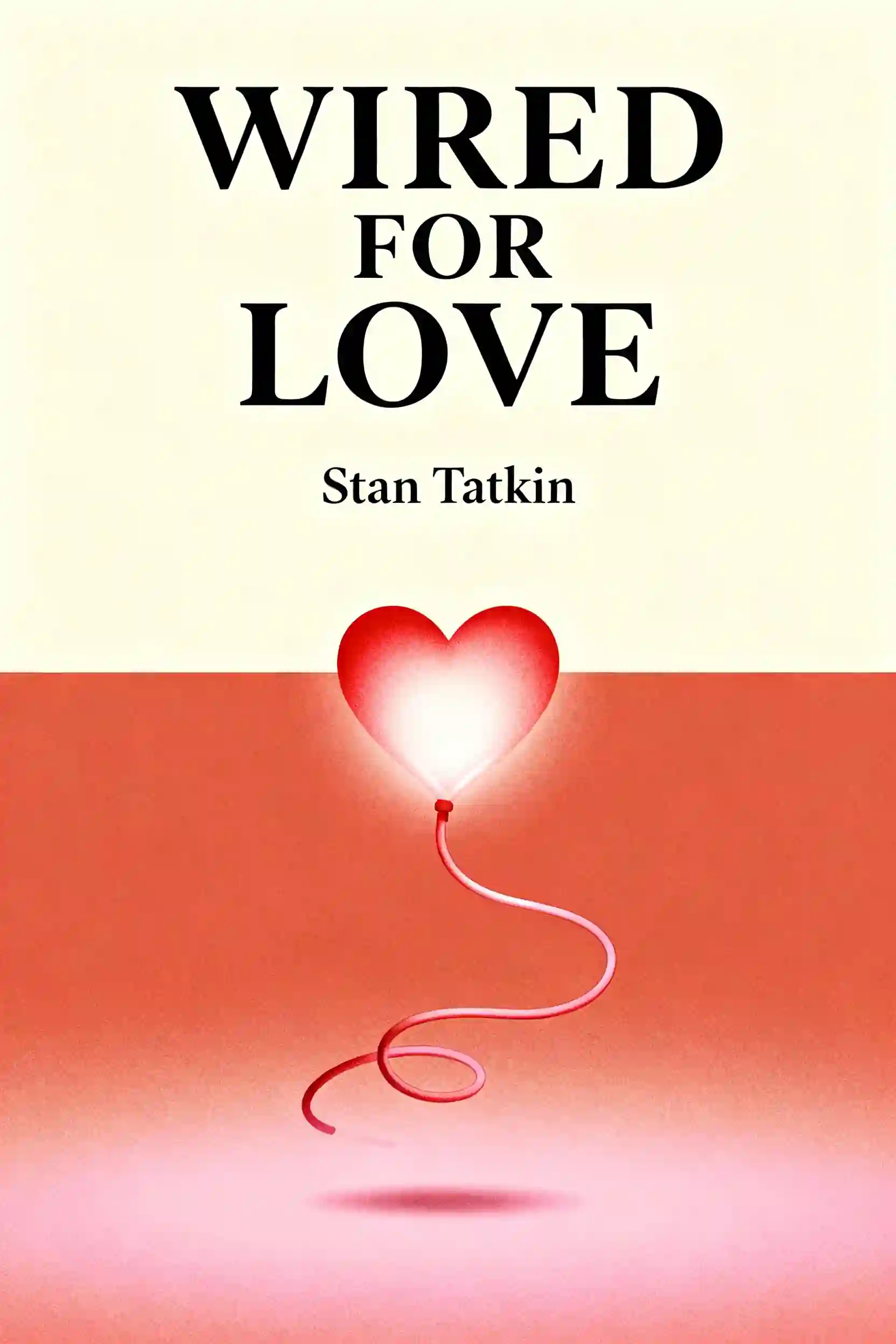
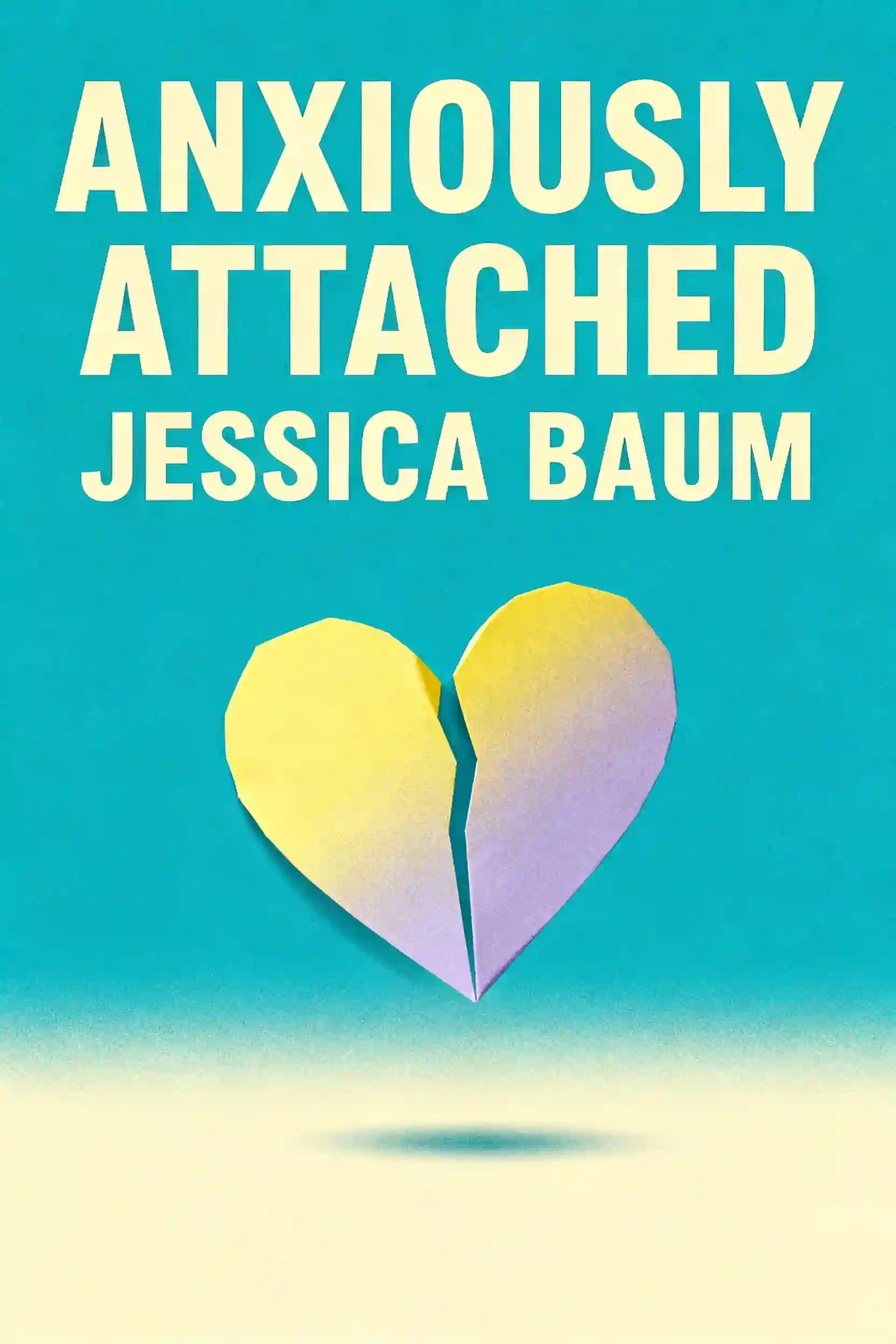
Lessons using the books The love prescription, codependent no more, the man's guide to women, attached, and captivate

Frequently Asked Questions
Bids for connection are small, everyday attempts by one partner to gain attention, affirmation, or affection, such as pointing out something interesting out a window or asking a simple question. The script highlights research showing that "master" couples turn toward these bids 86% of the time, whereas couples who eventually divorce only do so 33% of the time. These tiny interactions are the building blocks of intimacy and help create an "emotional bank account" that sustains the relationship during times of conflict.
Attachment styles are biological systems designed to keep us safe, often formed in early childhood. Those with an anxious attachment style may have a "hair-trigger" alarm that leads to "protest" behaviors, like repeated texting, when they feel disconnected. Conversely, avoidant partners may view closeness as stifling and withdraw to find safety. Understanding these styles allows partners to recognize that their reactions are often based on internal working models of safety rather than character flaws, moving them from blame to "secure expression."
The 5 to 1 ratio refers to the finding that successful "master" couples maintain at least five positive interactions for every one negative interaction, even during a fight. This doesn't mean they avoid anger; rather, it means they weave in small gestures of connection—like humor, a soft touch, or an empathetic statement—while they disagree. This ratio ensures that the foundation of the relationship remains secure even when specific issues are being debated.
Accepting influence means genuinely considering a partner’s perspective and feelings as valid data rather than dismissing them. The script notes that in heterosexual relationships, this is the single most important factor for success, particularly for men. When a partner accepts influence, it creates a sense of security and mutual respect, which actually allows for more independence because neither person feels they have to "fight" or "protest" just to be heard.
The script recommends a five-step process for "processing" a fight the next day, once both partners’ heart rates have returned to a resting state. This involves sharing what each person was feeling, discussing their subjective realities without trying to prove who was "right," identifying personal triggers, taking responsibility for one's own part in the escalation, and planning how to handle similar situations better in the future. Effective repair prevents resentment from building and turns a mistake into an opportunity to strengthen the bond.
From Columbia University alumni built in San Francisco
"Instead of endless scrolling, I just hit play on BeFreed. It saves me so much time."


"I never knew where to start with nonfiction—BeFreed’s book lists turned into podcasts gave me a clear path."


"Perfect balance between learning and entertainment. Finished ‘Thinking, Fast and Slow’ on my commute this week."
"Crazy how much I learned while walking the dog. BeFreed = small habits → big gains."
"Reading used to feel like a chore. Now it’s just part of my lifestyle."

"Feels effortless compared to reading. I’ve finished 6 books this month already."
"BeFreed turned my guilty doomscrolling into something that feels productive and inspiring."

"BeFreed turned my commute into learning time. 20-min podcasts are perfect for finishing books I never had time for."
"BeFreed replaced my podcast queue. Imagine Spotify for books — that’s it. 🙌"

"It is great for me to learn something from the book without reading it."
"The themed book list podcasts help me connect ideas across authors—like a guided audio journey."
"Makes me feel smarter every time before going to work"
From Columbia University alumni built in San Francisco
"Instead of endless scrolling, I just hit play on BeFreed. It saves me so much time."
"I never knew where to start with nonfiction—BeFreed’s book lists turned into podcasts gave me a clear path."
"Perfect balance between learning and entertainment. Finished ‘Thinking, Fast and Slow’ on my commute this week."
"Crazy how much I learned while walking the dog. BeFreed = small habits → big gains."
"Reading used to feel like a chore. Now it’s just part of my lifestyle."
"Feels effortless compared to reading. I’ve finished 6 books this month already."
"BeFreed turned my guilty doomscrolling into something that feels productive and inspiring."
"BeFreed turned my commute into learning time. 20-min podcasts are perfect for finishing books I never had time for."
"BeFreed replaced my podcast queue. Imagine Spotify for books — that’s it. 🙌"
"It is great for me to learn something from the book without reading it."
"The themed book list podcasts help me connect ideas across authors—like a guided audio journey."
"Makes me feel smarter every time before going to work"
"Instead of endless scrolling, I just hit play on BeFreed. It saves me so much time."
"I never knew where to start with nonfiction—BeFreed’s book lists turned into podcasts gave me a clear path."
"Perfect balance between learning and entertainment. Finished ‘Thinking, Fast and Slow’ on my commute this week."
"Crazy how much I learned while walking the dog. BeFreed = small habits → big gains."
"Reading used to feel like a chore. Now it’s just part of my lifestyle."
"Feels effortless compared to reading. I’ve finished 6 books this month already."
"BeFreed turned my guilty doomscrolling into something that feels productive and inspiring."
"BeFreed turned my commute into learning time. 20-min podcasts are perfect for finishing books I never had time for."
"BeFreed replaced my podcast queue. Imagine Spotify for books — that’s it. 🙌"
"It is great for me to learn something from the book without reading it."
"The themed book list podcasts help me connect ideas across authors—like a guided audio journey."
"Makes me feel smarter every time before going to work"
"Instead of endless scrolling, I just hit play on BeFreed. It saves me so much time."
"I never knew where to start with nonfiction—BeFreed’s book lists turned into podcasts gave me a clear path."
"Perfect balance between learning and entertainment. Finished ‘Thinking, Fast and Slow’ on my commute this week."
"Crazy how much I learned while walking the dog. BeFreed = small habits → big gains."
"Reading used to feel like a chore. Now it’s just part of my lifestyle."
"Feels effortless compared to reading. I’ve finished 6 books this month already."
"BeFreed turned my guilty doomscrolling into something that feels productive and inspiring."
"BeFreed turned my commute into learning time. 20-min podcasts are perfect for finishing books I never had time for."
"BeFreed replaced my podcast queue. Imagine Spotify for books — that’s it. 🙌"
"It is great for me to learn something from the book without reading it."
"The themed book list podcasts help me connect ideas across authors—like a guided audio journey."
"Makes me feel smarter every time before going to work"