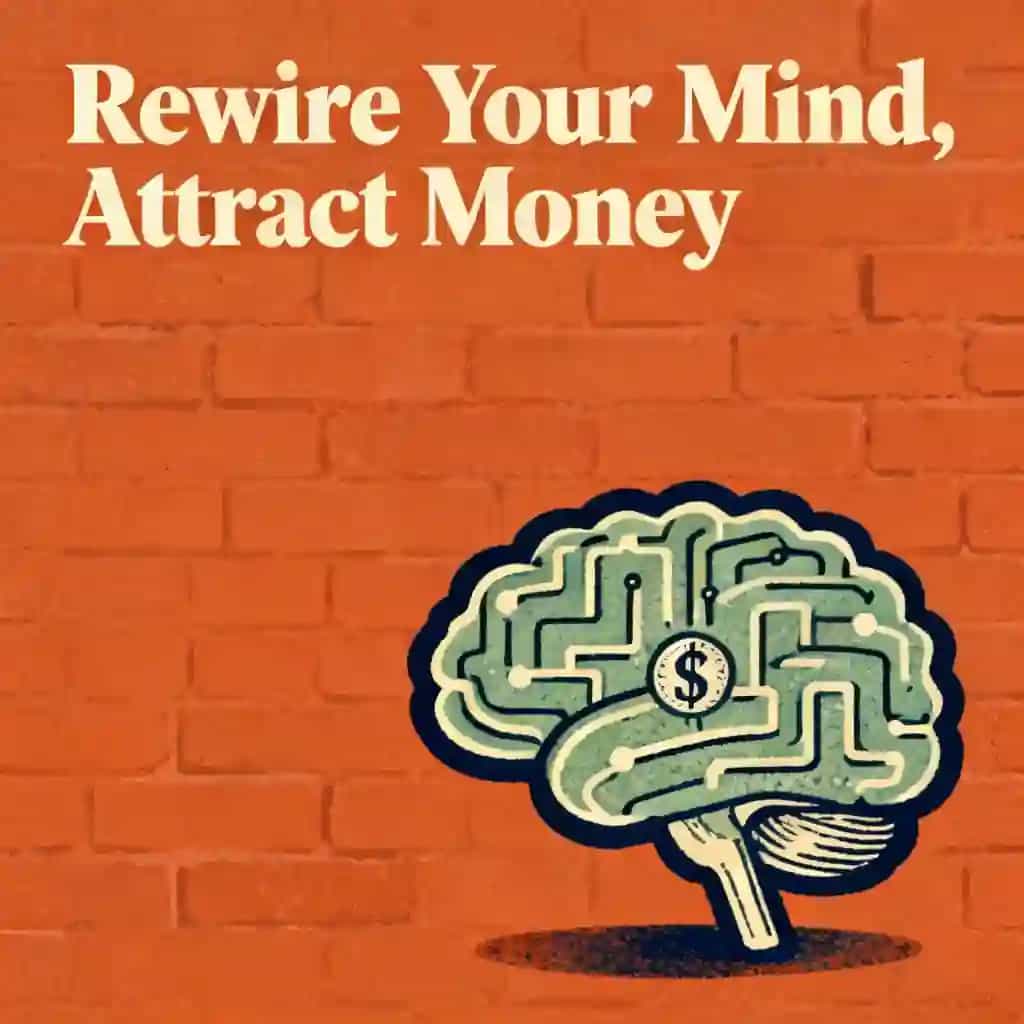
Rewriting Your Financial Operating System: Overcoming Limiting Beliefs
Learn how to overcome limiting beliefs and financial self-sabotage by rewriting your financial operating system using neuroimaging insights and core values.

Best quote from Rewriting Your Financial Operating System: Overcoming Limiting Beliefs
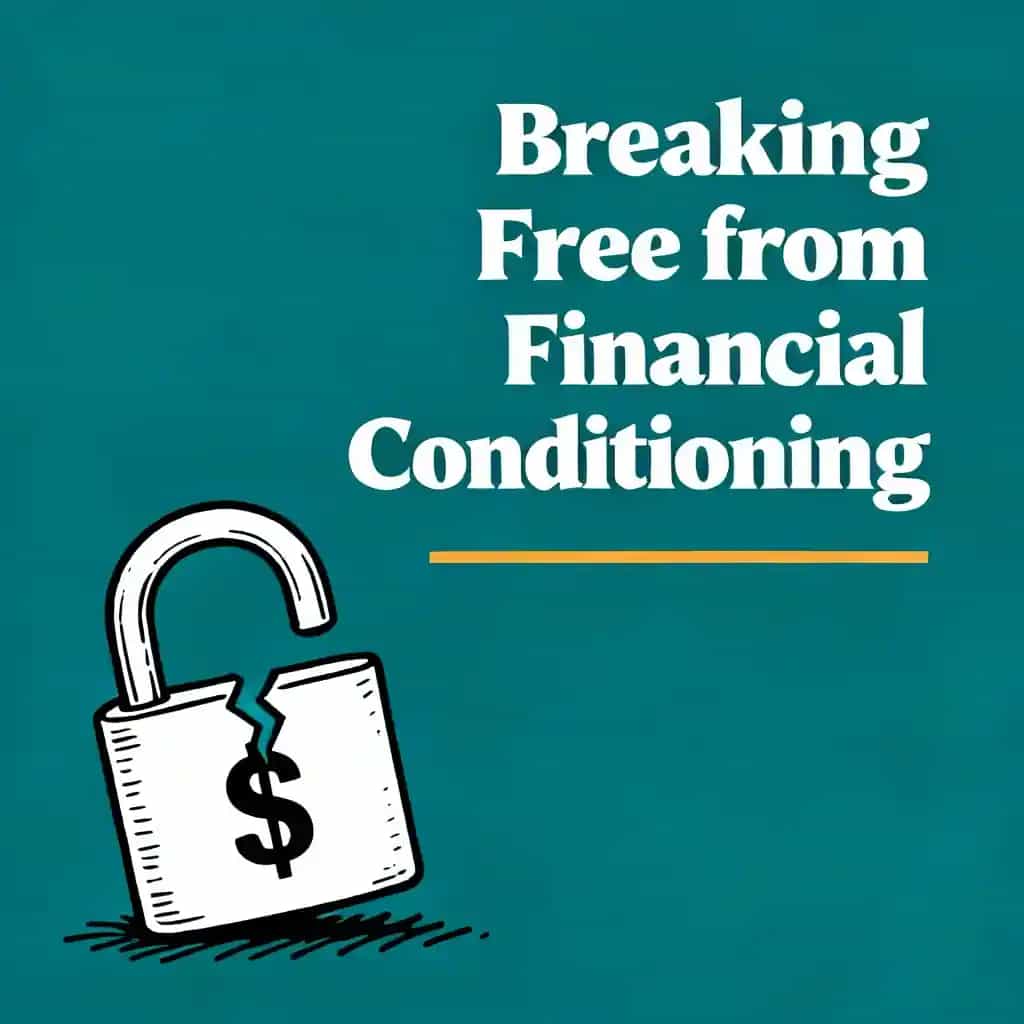
The reason most people fail to change their financial reality is not a lack of willpower; it is a design problem. They try to use logic to fight deep-seated emotional patterns.
Generated by Adam Bair
A step-by-step guide to replacing limiting money beliefs and self-sabotage patterns by building a routine with an AI coach (Rosebud AI). Include the scientific evidence behind affirmations and paraliminals, and provide a concrete protocol for using AI to install empowering financial beliefs.






Frequently Asked Questions
A financial operating system is the invisible architecture of your financial life, consisting of deep-seated beliefs and emotional patterns. These internal scripts, such as the idea that money is evil, often act as a brake on your career progress. When your brain runs an outdated operating system, it can lead to self-sabotage, causing you to lose profits or overspend subconsciously to stay within a familiar comfort zone.
Neuroimaging research reveals that our brains possess the biological hardware necessary to rewrite negative financial scripts. Specifically, engaging in self-affirmation by reflecting on core values activates the ventral striatum, which is the brain's primary reward center. This scientific insight suggests that changing your financial reality is not about willpower alone, but about using the right design to update how your brain processes wealth and rewards.
Financial self-sabotage often manifests as a conflict between your professional efforts and your actual results. You might work eighty hours a week to increase your income, only to see that profit disappear through unexpected expenses or impulsive spending. This behavior is a protective mechanism used by the brain to maintain a specific comfort zone, even when that zone prevents you from achieving a true wealth mindset or career growth.
Most people fail to change their financial situation because they try to use logic to fight deep-seated emotional patterns. By utilizing cognitive behavioral techniques, you can bridge the gap between logical intent and emotional triggers. These methods help you address the design problem in your thinking, allowing you to move past limiting beliefs and stop the cycle of slamming your foot on the gas and the brake simultaneously.
From Columbia University alumni built in San Francisco
"Instead of endless scrolling, I just hit play on BeFreed. It saves me so much time."


"I never knew where to start with nonfiction—BeFreed’s book lists turned into podcasts gave me a clear path."


"Perfect balance between learning and entertainment. Finished ‘Thinking, Fast and Slow’ on my commute this week."
"Crazy how much I learned while walking the dog. BeFreed = small habits → big gains."
"Reading used to feel like a chore. Now it’s just part of my lifestyle."

"Feels effortless compared to reading. I’ve finished 6 books this month already."
"BeFreed turned my guilty doomscrolling into something that feels productive and inspiring."

"BeFreed turned my commute into learning time. 20-min podcasts are perfect for finishing books I never had time for."
"BeFreed replaced my podcast queue. Imagine Spotify for books — that’s it. 🙌"

"It is great for me to learn something from the book without reading it."
"The themed book list podcasts help me connect ideas across authors—like a guided audio journey."
"Makes me feel smarter every time before going to work"
From Columbia University alumni built in San Francisco
"Instead of endless scrolling, I just hit play on BeFreed. It saves me so much time."
"I never knew where to start with nonfiction—BeFreed’s book lists turned into podcasts gave me a clear path."
"Perfect balance between learning and entertainment. Finished ‘Thinking, Fast and Slow’ on my commute this week."
"Crazy how much I learned while walking the dog. BeFreed = small habits → big gains."
"Reading used to feel like a chore. Now it’s just part of my lifestyle."
"Feels effortless compared to reading. I’ve finished 6 books this month already."
"BeFreed turned my guilty doomscrolling into something that feels productive and inspiring."
"BeFreed turned my commute into learning time. 20-min podcasts are perfect for finishing books I never had time for."
"BeFreed replaced my podcast queue. Imagine Spotify for books — that’s it. 🙌"
"It is great for me to learn something from the book without reading it."
"The themed book list podcasts help me connect ideas across authors—like a guided audio journey."
"Makes me feel smarter every time before going to work"
"Instead of endless scrolling, I just hit play on BeFreed. It saves me so much time."
"I never knew where to start with nonfiction—BeFreed’s book lists turned into podcasts gave me a clear path."
"Perfect balance between learning and entertainment. Finished ‘Thinking, Fast and Slow’ on my commute this week."
"Crazy how much I learned while walking the dog. BeFreed = small habits → big gains."
"Reading used to feel like a chore. Now it’s just part of my lifestyle."
"Feels effortless compared to reading. I’ve finished 6 books this month already."
"BeFreed turned my guilty doomscrolling into something that feels productive and inspiring."
"BeFreed turned my commute into learning time. 20-min podcasts are perfect for finishing books I never had time for."
"BeFreed replaced my podcast queue. Imagine Spotify for books — that’s it. 🙌"
"It is great for me to learn something from the book without reading it."
"The themed book list podcasts help me connect ideas across authors—like a guided audio journey."
"Makes me feel smarter every time before going to work"
"Instead of endless scrolling, I just hit play on BeFreed. It saves me so much time."
"I never knew where to start with nonfiction—BeFreed’s book lists turned into podcasts gave me a clear path."
"Perfect balance between learning and entertainment. Finished ‘Thinking, Fast and Slow’ on my commute this week."
"Crazy how much I learned while walking the dog. BeFreed = small habits → big gains."
"Reading used to feel like a chore. Now it’s just part of my lifestyle."
"Feels effortless compared to reading. I’ve finished 6 books this month already."
"BeFreed turned my guilty doomscrolling into something that feels productive and inspiring."
"BeFreed turned my commute into learning time. 20-min podcasts are perfect for finishing books I never had time for."
"BeFreed replaced my podcast queue. Imagine Spotify for books — that’s it. 🙌"
"It is great for me to learn something from the book without reading it."
"The themed book list podcasts help me connect ideas across authors—like a guided audio journey."
"Makes me feel smarter every time before going to work"