Attract Money by Rewiring Your Brain for Abundance
Struggling to grow your bank account? Learn how to break the scarcity loop and reprogram your subconscious to finally feel safe with wealth.

Best quote from Attract Money by Rewiring Your Brain for Abundance
You can’t outperform your internal identity. If you see yourself as a 'struggling artist' or 'someone who’s just bad with numbers,' your brain will actually filter out opportunities that contradict that story.

This audio lesson was created by a BeFreed community member
Attract money


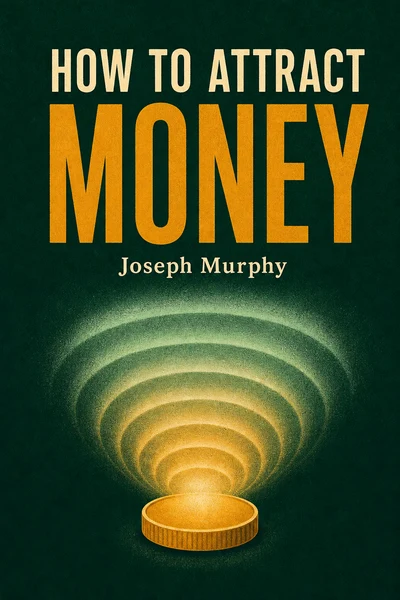

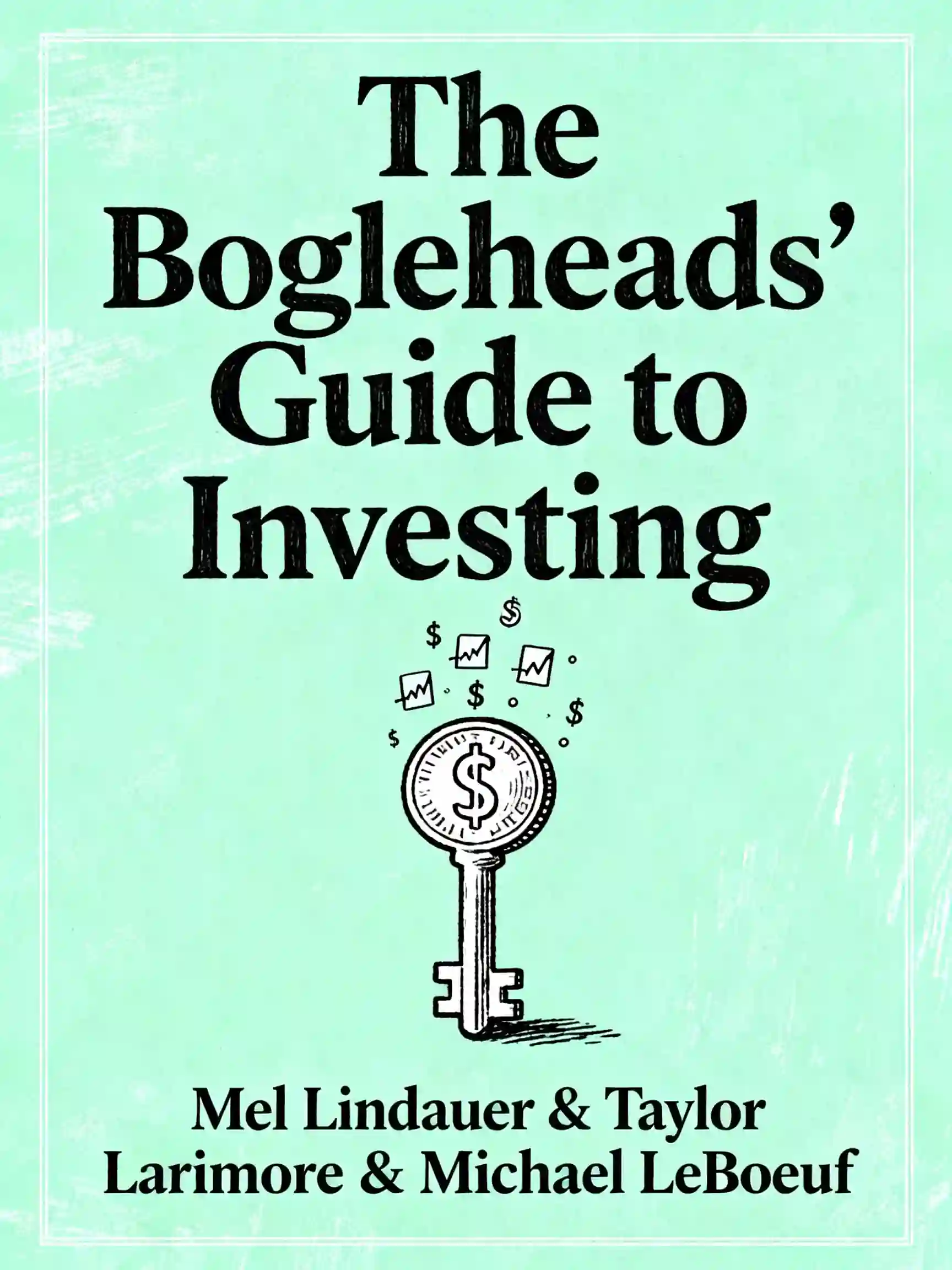
Frequently Asked Questions
The subconscious ceiling is an internal limit created by your autopilot mind, which controls approximately 95% of your behavior. If your subconscious holds beliefs that conflict with your conscious goals—such as "money is the root of all evil"—it will trigger self-sabotage or cause you to filter out wealth-building opportunities. This "identity mismatch" means you cannot outperform your internal definition of yourself; if you identify as a "struggling artist," your brain’s Reticular Activating System (RAS) will literally make you blind to million-dollar ideas because they don't align with your current identity.
Reprogramming the brain involves training the Reticular Activating System (RAS) through specific mental exercises and rituals. One effective method is using "bridge affirmations," which use present-future tense like "I am in the process of becoming financially abundant" to avoid triggering a "liar alarm" in the brain. Additionally, practicing the "State Akin to Sleep" (SATS) involves visualizing a short scene of your financial goal as already achieved right before bed when the subconscious is most programmable. Physical rituals, such as organizing your wallet or writing an "Abundance Check" to yourself, also serve as environmental cues that signal to your brain that you are a person who manages wealth well.
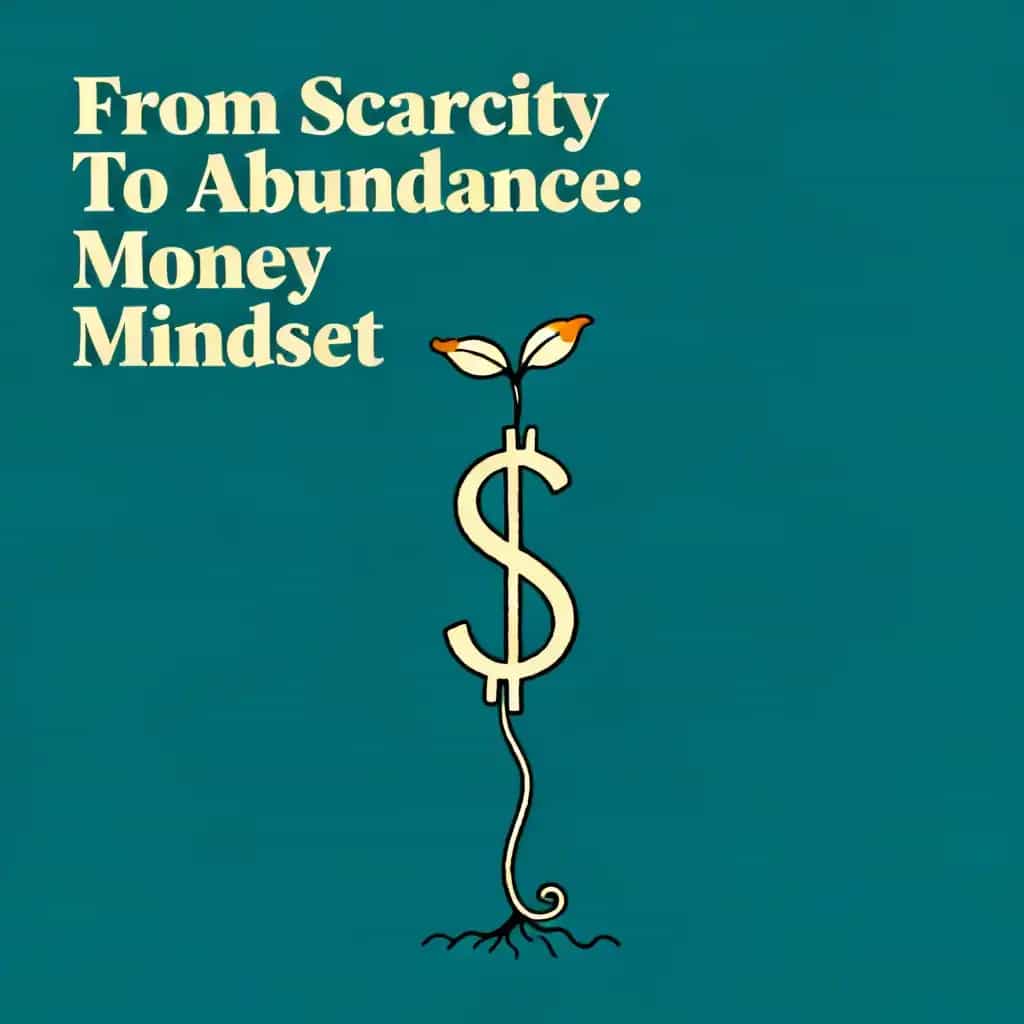
Stressing about money triggers a "Scarcity Loop" that hijacks the prefrontal cortex—the brain's "smart manager"—and allows the amygdala to take control. This state creates "bandwidth poverty," where the mental energy consumed by worry can actually drop a person's functional IQ by up to 13 points. When you are in this high-cortisol state, you lose your "future orientation" and become prone to making desperate, short-term decisions rather than strategic, long-term ones. To break this, you must use "Scarcity Interruption Patterns," such as deep breathing or an "Abundance Audit," to bring the logical part of your brain back online.
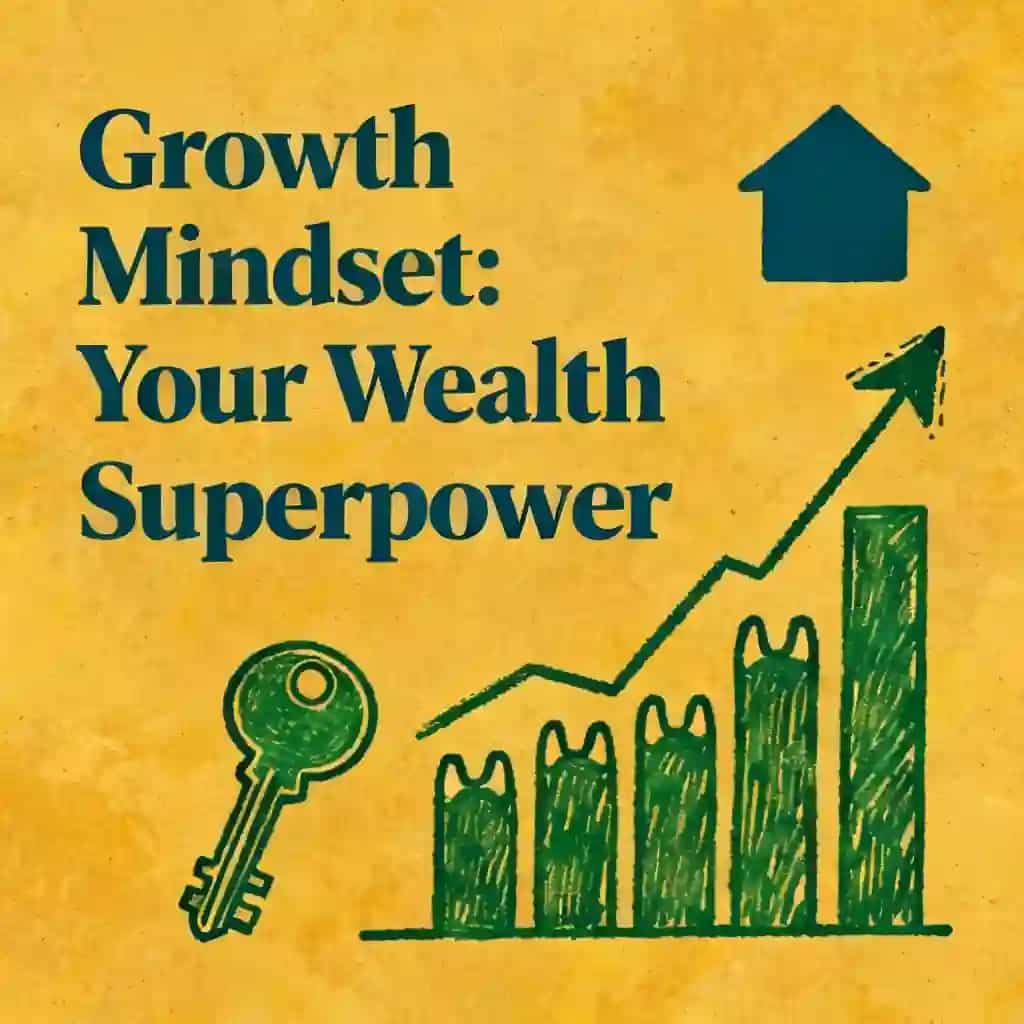
The primary difference lies in how one views expenses and time. A consumer mindset focuses on the immediate cost of an item and often trades time directly for money, which limits earning potential. In contrast, an investor mindset asks about the "potential return" and focuses on "leverage"—the ability to do more with less through systems, technology, or relationships. Those with an investor mindset prioritize "ownership" and "value creation" over "income dependency," viewing purchases like books, courses, or tools as investments that scale their ability to generate wealth.
Discover more

Healing Your Scarcity Mindset
This plan is essential for anyone who feels stuck in cycles of financial anxiety or impulsive spending despite their income level. It is designed for individuals ready to address the psychological roots of their money habits and rewire their brains for better long-term decision-making.

Rewriting Your Inner Money Script
This learning plan is essential for anyone who feels an irrational sense of dread or unworthiness regarding their finances despite their professional success. It is designed for individuals ready to dismantle deep-seated psychological barriers and transform their relationship with money from one of fear to one of intention.
Master my mindset for financial freedom
Financial success isn't just about knowing what to do with money—it's about rewiring how your brain thinks about wealth. This learning plan is ideal for anyone who feels stuck in their financial situation despite having knowledge, those who struggle with money habits and self-discipline, or aspiring entrepreneurs ready to break free from limiting beliefs and build lasting wealth.

Improve money mindset
Your relationship with money is shaped by deep-seated beliefs formed throughout your life, and these unconscious patterns often sabotage your financial success. This learning plan is ideal for anyone who feels stuck in their financial growth, struggles with money anxiety, or wants to break free from cycles of scarcity thinking to build lasting wealth and confidence.

Develop a Millionaire Mindset
Financial freedom begins with a cognitive shift from scarcity to abundance. This plan is designed for individuals seeking to break through mental barriers and adopt the practical systems required to build and sustain long-term wealth.

Money scripts and behavioral finance
This learning plan is essential for anyone who finds themselves repeating poor financial patterns despite knowing better. It bridges the gap between financial knowledge and actual behavior, making it ideal for investors, spenders, and professionals seeking to master their money mindset.

Glow Up: Mindset, Habits & Abundance Plan
This plan is essential for high-achievers feeling stuck in old patterns who want to align their psychology with their ambitions. It provides a holistic roadmap for anyone seeking to bridge the gap between their current reality and their highest potential through structured mental and behavioral shifts.

Master Mindset, Wealth, Career & Connections
This learning plan is essential for ambitious professionals and aspiring entrepreneurs who feel stuck despite their hard work. It provides a holistic blueprint for success by integrating psychological resilience with practical financial and social strategies.
From Columbia University alumni built in San Francisco
"Instead of endless scrolling, I just hit play on BeFreed. It saves me so much time."


"I never knew where to start with nonfiction—BeFreed’s book lists turned into podcasts gave me a clear path."


"Perfect balance between learning and entertainment. Finished ‘Thinking, Fast and Slow’ on my commute this week."
"Crazy how much I learned while walking the dog. BeFreed = small habits → big gains."
"Reading used to feel like a chore. Now it’s just part of my lifestyle."

"Feels effortless compared to reading. I’ve finished 6 books this month already."
"BeFreed turned my guilty doomscrolling into something that feels productive and inspiring."

"BeFreed turned my commute into learning time. 20-min podcasts are perfect for finishing books I never had time for."
"BeFreed replaced my podcast queue. Imagine Spotify for books — that’s it. 🙌"

"It is great for me to learn something from the book without reading it."
"The themed book list podcasts help me connect ideas across authors—like a guided audio journey."
"Makes me feel smarter every time before going to work"
From Columbia University alumni built in San Francisco
"Instead of endless scrolling, I just hit play on BeFreed. It saves me so much time."
"I never knew where to start with nonfiction—BeFreed’s book lists turned into podcasts gave me a clear path."
"Perfect balance between learning and entertainment. Finished ‘Thinking, Fast and Slow’ on my commute this week."
"Crazy how much I learned while walking the dog. BeFreed = small habits → big gains."
"Reading used to feel like a chore. Now it’s just part of my lifestyle."
"Feels effortless compared to reading. I’ve finished 6 books this month already."
"BeFreed turned my guilty doomscrolling into something that feels productive and inspiring."
"BeFreed turned my commute into learning time. 20-min podcasts are perfect for finishing books I never had time for."
"BeFreed replaced my podcast queue. Imagine Spotify for books — that’s it. 🙌"
"It is great for me to learn something from the book without reading it."
"The themed book list podcasts help me connect ideas across authors—like a guided audio journey."
"Makes me feel smarter every time before going to work"
"Instead of endless scrolling, I just hit play on BeFreed. It saves me so much time."
"I never knew where to start with nonfiction—BeFreed’s book lists turned into podcasts gave me a clear path."
"Perfect balance between learning and entertainment. Finished ‘Thinking, Fast and Slow’ on my commute this week."
"Crazy how much I learned while walking the dog. BeFreed = small habits → big gains."
"Reading used to feel like a chore. Now it’s just part of my lifestyle."
"Feels effortless compared to reading. I’ve finished 6 books this month already."
"BeFreed turned my guilty doomscrolling into something that feels productive and inspiring."
"BeFreed turned my commute into learning time. 20-min podcasts are perfect for finishing books I never had time for."
"BeFreed replaced my podcast queue. Imagine Spotify for books — that’s it. 🙌"
"It is great for me to learn something from the book without reading it."
"The themed book list podcasts help me connect ideas across authors—like a guided audio journey."
"Makes me feel smarter every time before going to work"
"Instead of endless scrolling, I just hit play on BeFreed. It saves me so much time."
"I never knew where to start with nonfiction—BeFreed’s book lists turned into podcasts gave me a clear path."
"Perfect balance between learning and entertainment. Finished ‘Thinking, Fast and Slow’ on my commute this week."
"Crazy how much I learned while walking the dog. BeFreed = small habits → big gains."
"Reading used to feel like a chore. Now it’s just part of my lifestyle."
"Feels effortless compared to reading. I’ve finished 6 books this month already."
"BeFreed turned my guilty doomscrolling into something that feels productive and inspiring."
"BeFreed turned my commute into learning time. 20-min podcasts are perfect for finishing books I never had time for."
"BeFreed replaced my podcast queue. Imagine Spotify for books — that’s it. 🙌"
"It is great for me to learn something from the book without reading it."
"The themed book list podcasts help me connect ideas across authors—like a guided audio journey."
"Makes me feel smarter every time before going to work"