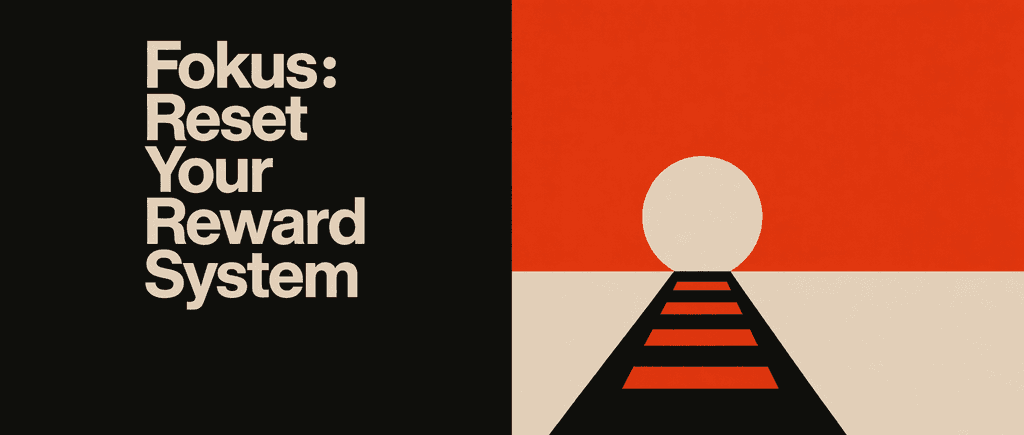
Rewire Your Brain: A Playbook for Digital Freedom
Break free from the dopamine trap and reclaim your focus. Learn the science of neuroplasticity and practical strategies to replace artificial highs with lasting real-world satisfaction.

Best quote from Rewire Your Brain: A Playbook for Digital Freedom
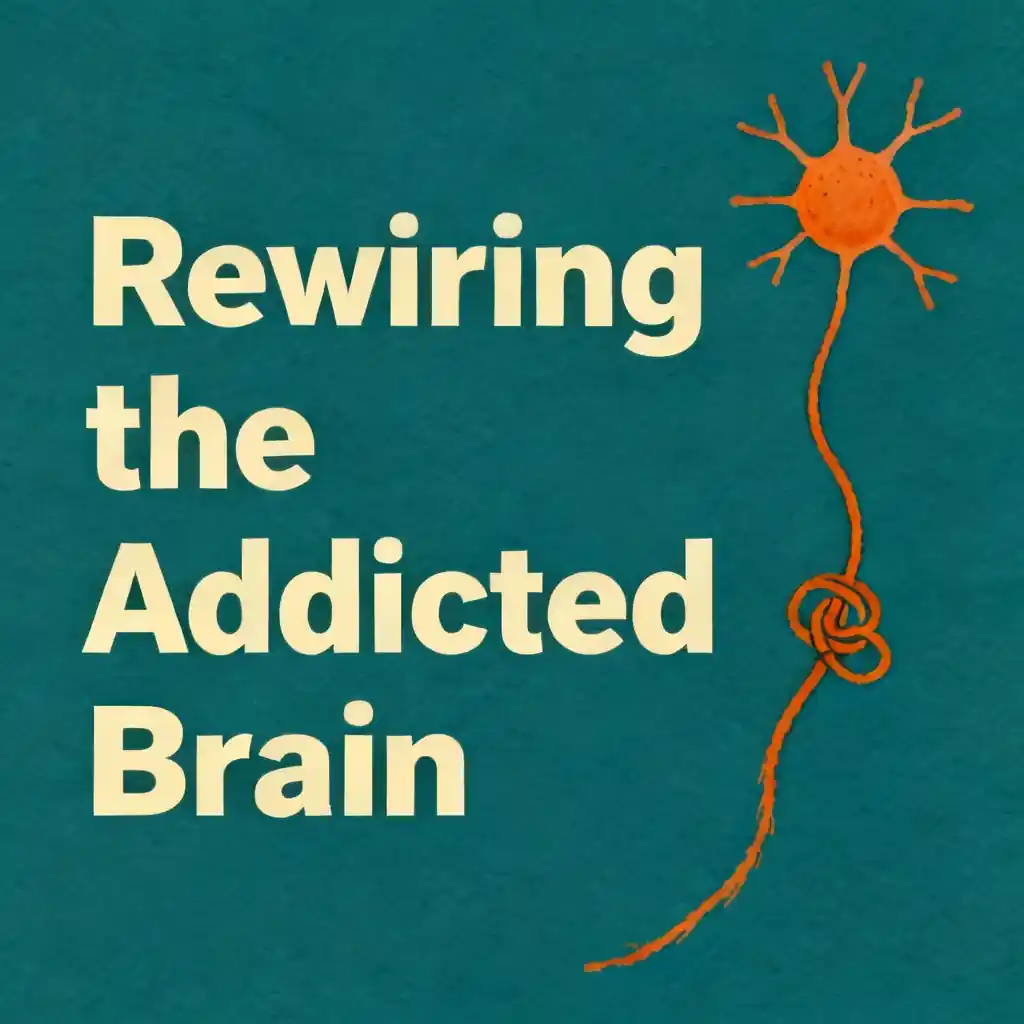
The good news is that the same neuroplasticity that got the brain into this mess is the exact same mechanism that can get it out. We just have to stop feeding the old pathways and start intentionally building the new ones.
Generated by Comfort
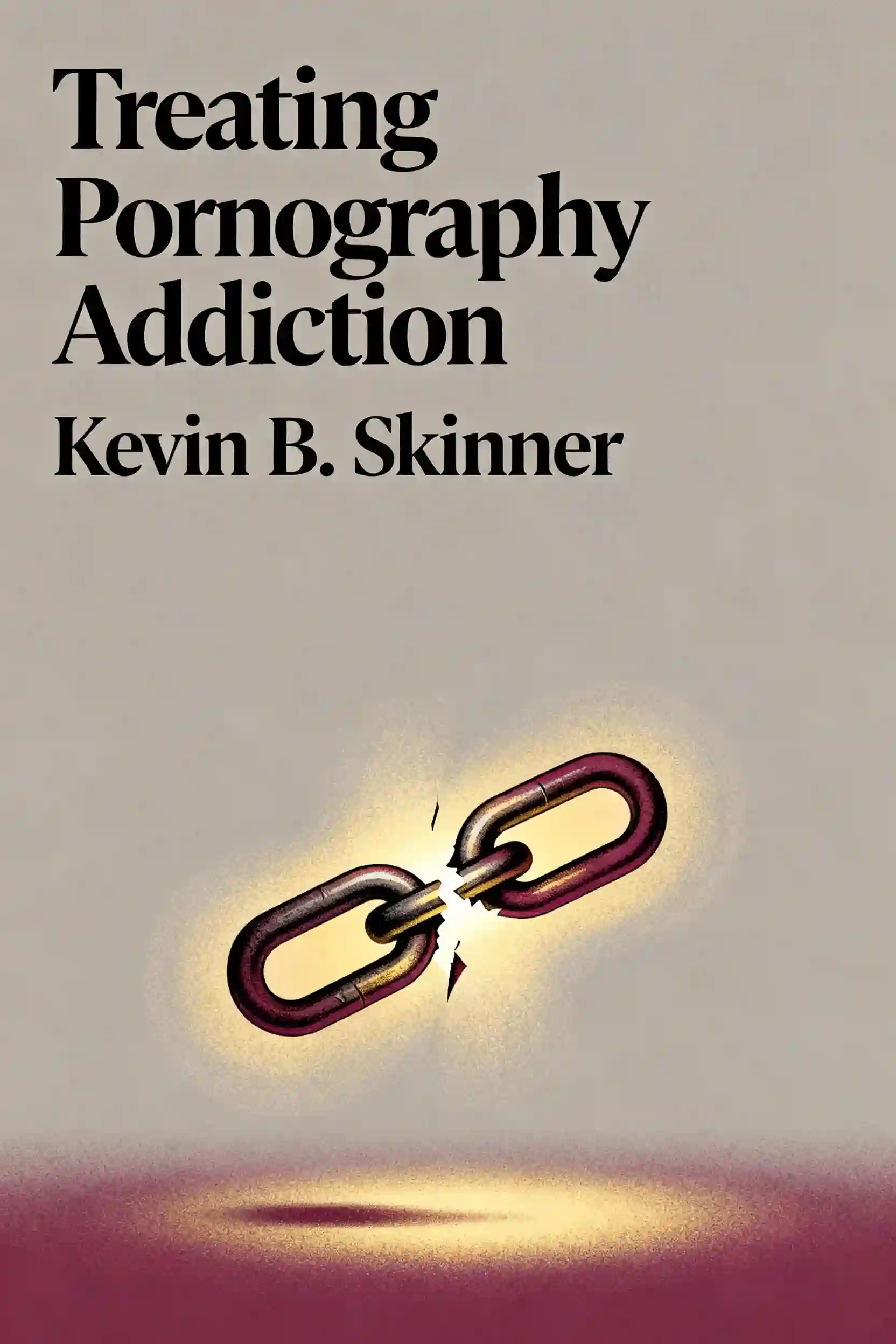
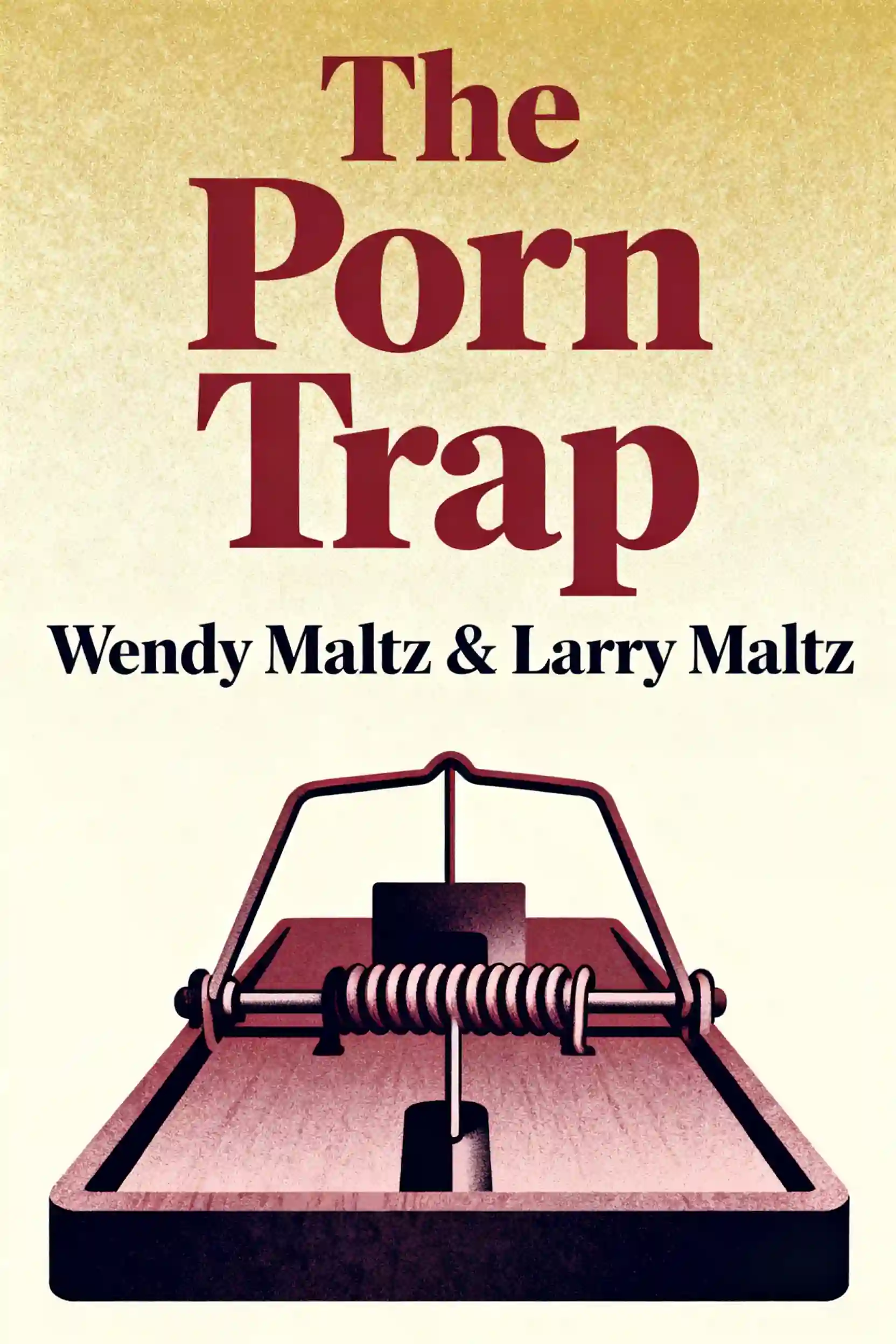
overcome porn addiction and build healthier dopamine habits

Frequently Asked Questions
This occurs due to a phenomenon called Incentive-Sensitization Theory, where the brain's "wanting" system becomes separated from its "liking" system. High-intensity "supernormal stimuli" hijack the mesolimbic dopamine system, sensitizing it to cues like boredom or seeing a phone. This creates a compulsive "must do" drive that screams for the behavior even when the actual experience has become dull, shameful, or unrewarding.
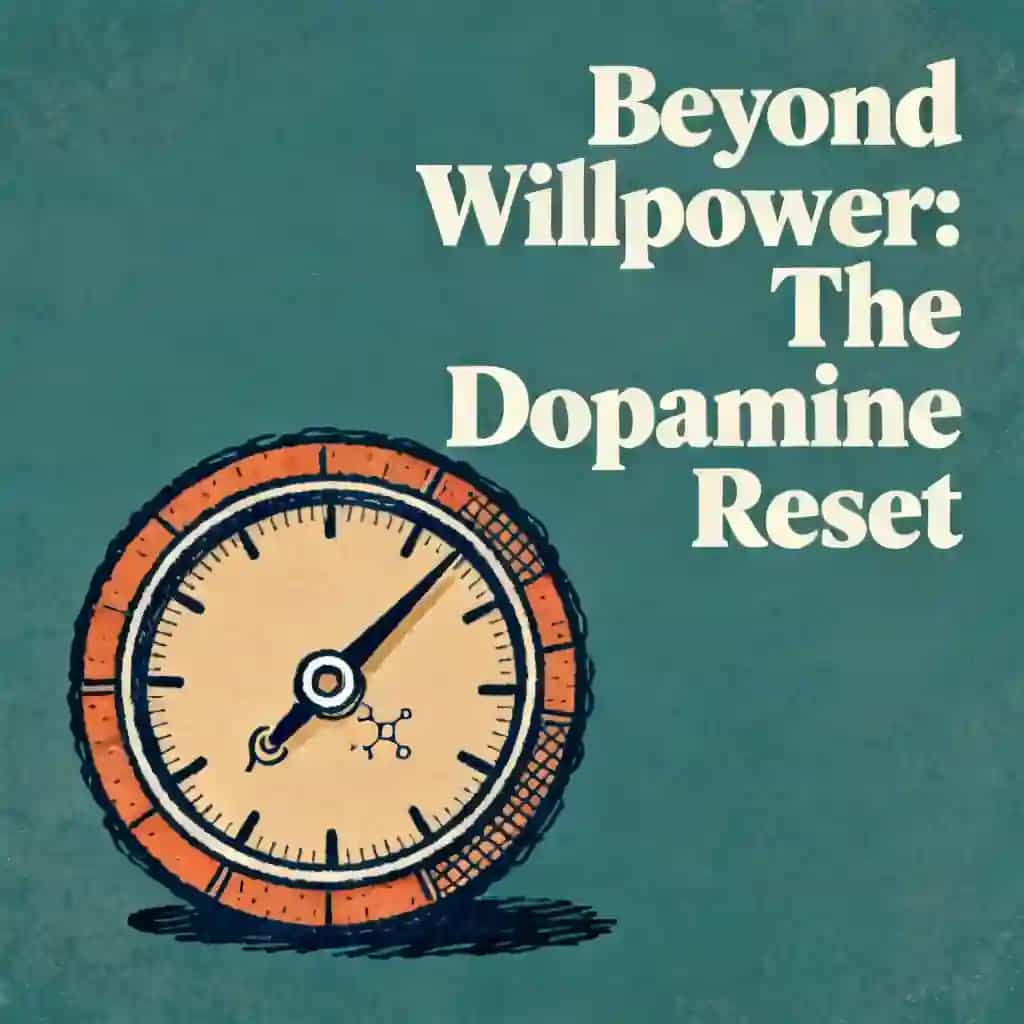
A dopamine reset is a strategic period—often 30 days—designed to lower the intensity of stimulation across the board. When the brain is flooded with high-intensity dopamine from digital sources, it "downregulates" by reducing the number of dopamine receptors, making normal life feel boring. A reset allows these receptors to recover and become sensitive again, eventually enabling you to find genuine pleasure in low-stimulation rewards like nature, conversation, or reading.
The script recommends a technique called "Urge Surfing," which involves observing the urge as a temporary wave rather than fighting it. Instead of "white-knuckling" through suppression, you acknowledge the physical sensations and wait for the peak to pass, which usually happens within 10 to 20 minutes. You can also use the "5 D's" protocol: Discuss the urge with someone, practice Deep breathing, Distract yourself with a pre-planned task, Drink water, and Delay the decision for 15 minutes.
Success often depends on "friction"—making bad habits harder to perform and good habits easier. Practical steps include keeping your phone out of the bedroom entirely, installing web blockers, and deleting triggering apps. By removing the "shortcuts" your brain has built to reach the reward, you buy yourself critical "thinking time" that allows your prefrontal cortex to intervene before an automatic habit takes over.
The "flatline" is a period during the initial phase of recovery (typically 0 to 3 months) where a person may feel numb, irritable, or totally lacking in libido. While this can be discouraging, it is actually a biological sign that the reset is working. It indicates that the brain is recalibrating and rebuilding its dopamine receptors. Pushing through this temporary numbness is essential for the brain to eventually return to a state where natural rewards feel satisfying again.
From Columbia University alumni built in San Francisco
"Instead of endless scrolling, I just hit play on BeFreed. It saves me so much time."


"I never knew where to start with nonfiction—BeFreed’s book lists turned into podcasts gave me a clear path."


"Perfect balance between learning and entertainment. Finished ‘Thinking, Fast and Slow’ on my commute this week."
"Crazy how much I learned while walking the dog. BeFreed = small habits → big gains."
"Reading used to feel like a chore. Now it’s just part of my lifestyle."

"Feels effortless compared to reading. I’ve finished 6 books this month already."
"BeFreed turned my guilty doomscrolling into something that feels productive and inspiring."

"BeFreed turned my commute into learning time. 20-min podcasts are perfect for finishing books I never had time for."
"BeFreed replaced my podcast queue. Imagine Spotify for books — that’s it. 🙌"

"It is great for me to learn something from the book without reading it."
"The themed book list podcasts help me connect ideas across authors—like a guided audio journey."
"Makes me feel smarter every time before going to work"
From Columbia University alumni built in San Francisco
"Instead of endless scrolling, I just hit play on BeFreed. It saves me so much time."
"I never knew where to start with nonfiction—BeFreed’s book lists turned into podcasts gave me a clear path."
"Perfect balance between learning and entertainment. Finished ‘Thinking, Fast and Slow’ on my commute this week."
"Crazy how much I learned while walking the dog. BeFreed = small habits → big gains."
"Reading used to feel like a chore. Now it’s just part of my lifestyle."
"Feels effortless compared to reading. I’ve finished 6 books this month already."
"BeFreed turned my guilty doomscrolling into something that feels productive and inspiring."
"BeFreed turned my commute into learning time. 20-min podcasts are perfect for finishing books I never had time for."
"BeFreed replaced my podcast queue. Imagine Spotify for books — that’s it. 🙌"
"It is great for me to learn something from the book without reading it."
"The themed book list podcasts help me connect ideas across authors—like a guided audio journey."
"Makes me feel smarter every time before going to work"
"Instead of endless scrolling, I just hit play on BeFreed. It saves me so much time."
"I never knew where to start with nonfiction—BeFreed’s book lists turned into podcasts gave me a clear path."
"Perfect balance between learning and entertainment. Finished ‘Thinking, Fast and Slow’ on my commute this week."
"Crazy how much I learned while walking the dog. BeFreed = small habits → big gains."
"Reading used to feel like a chore. Now it’s just part of my lifestyle."
"Feels effortless compared to reading. I’ve finished 6 books this month already."
"BeFreed turned my guilty doomscrolling into something that feels productive and inspiring."
"BeFreed turned my commute into learning time. 20-min podcasts are perfect for finishing books I never had time for."
"BeFreed replaced my podcast queue. Imagine Spotify for books — that’s it. 🙌"
"It is great for me to learn something from the book without reading it."
"The themed book list podcasts help me connect ideas across authors—like a guided audio journey."
"Makes me feel smarter every time before going to work"
"Instead of endless scrolling, I just hit play on BeFreed. It saves me so much time."
"I never knew where to start with nonfiction—BeFreed’s book lists turned into podcasts gave me a clear path."
"Perfect balance between learning and entertainment. Finished ‘Thinking, Fast and Slow’ on my commute this week."
"Crazy how much I learned while walking the dog. BeFreed = small habits → big gains."
"Reading used to feel like a chore. Now it’s just part of my lifestyle."
"Feels effortless compared to reading. I’ve finished 6 books this month already."
"BeFreed turned my guilty doomscrolling into something that feels productive and inspiring."
"BeFreed turned my commute into learning time. 20-min podcasts are perfect for finishing books I never had time for."
"BeFreed replaced my podcast queue. Imagine Spotify for books — that’s it. 🙌"
"It is great for me to learn something from the book without reading it."
"The themed book list podcasts help me connect ideas across authors—like a guided audio journey."
"Makes me feel smarter every time before going to work"