Reigniting Your Brain’s Effort Engine
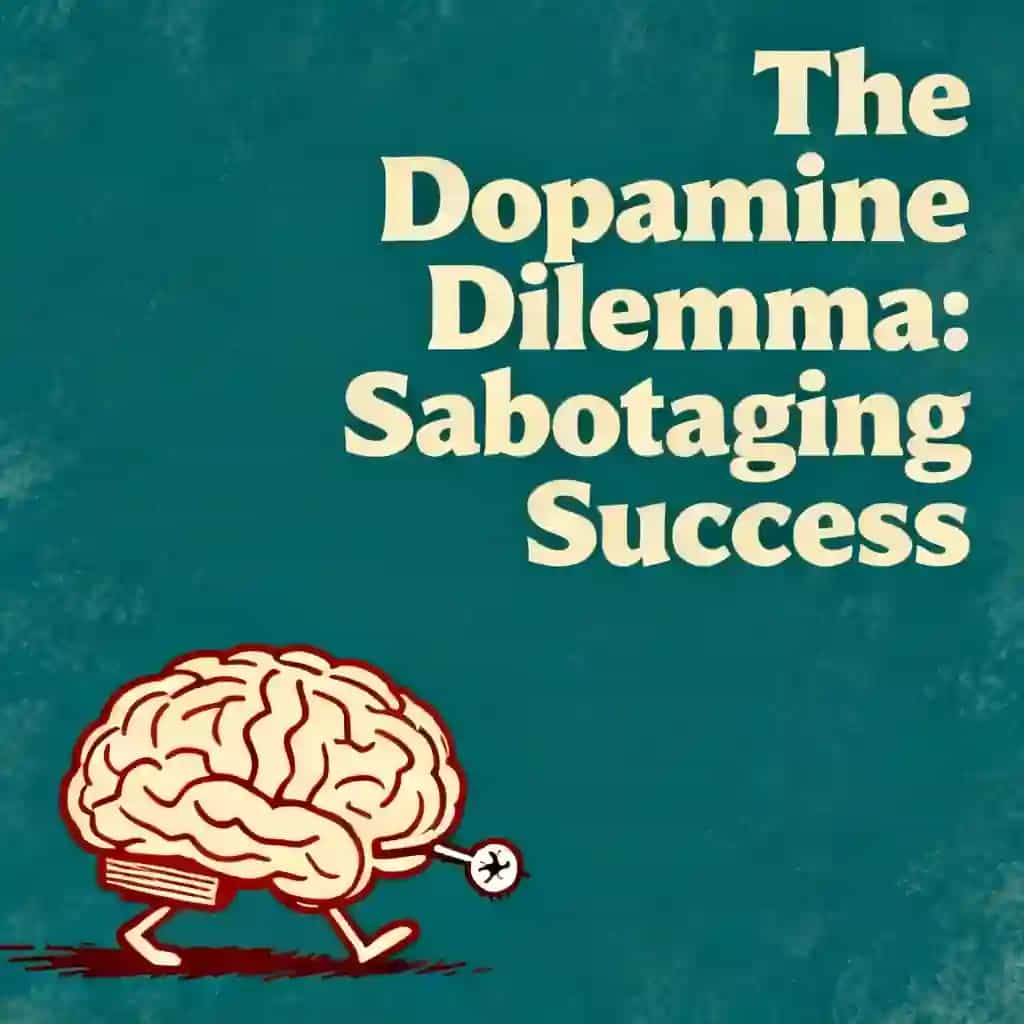
Stop fighting the mid-goal slump by mastering the neurobiology of motivation. Learn practical dopamine hacks and mental strategies to rebalance your effort-reward ratio and sustain high energy.

Best quote from Reigniting Your Brain’s Effort Engine
Motivation isn't a personality trait—it’s a biological calculation. Once you understand the math, you can start hacking the variables by lowering the perceived cost or raising the perceived reward.
Generated by Christine
How to be more motivated and have more energy enthusiasm

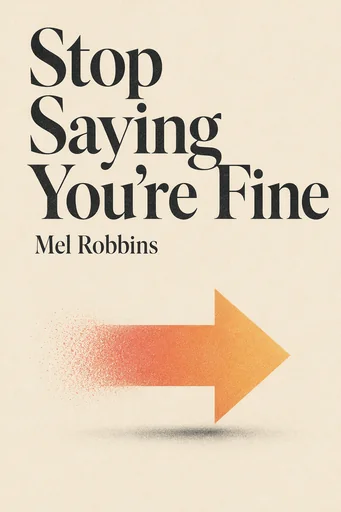
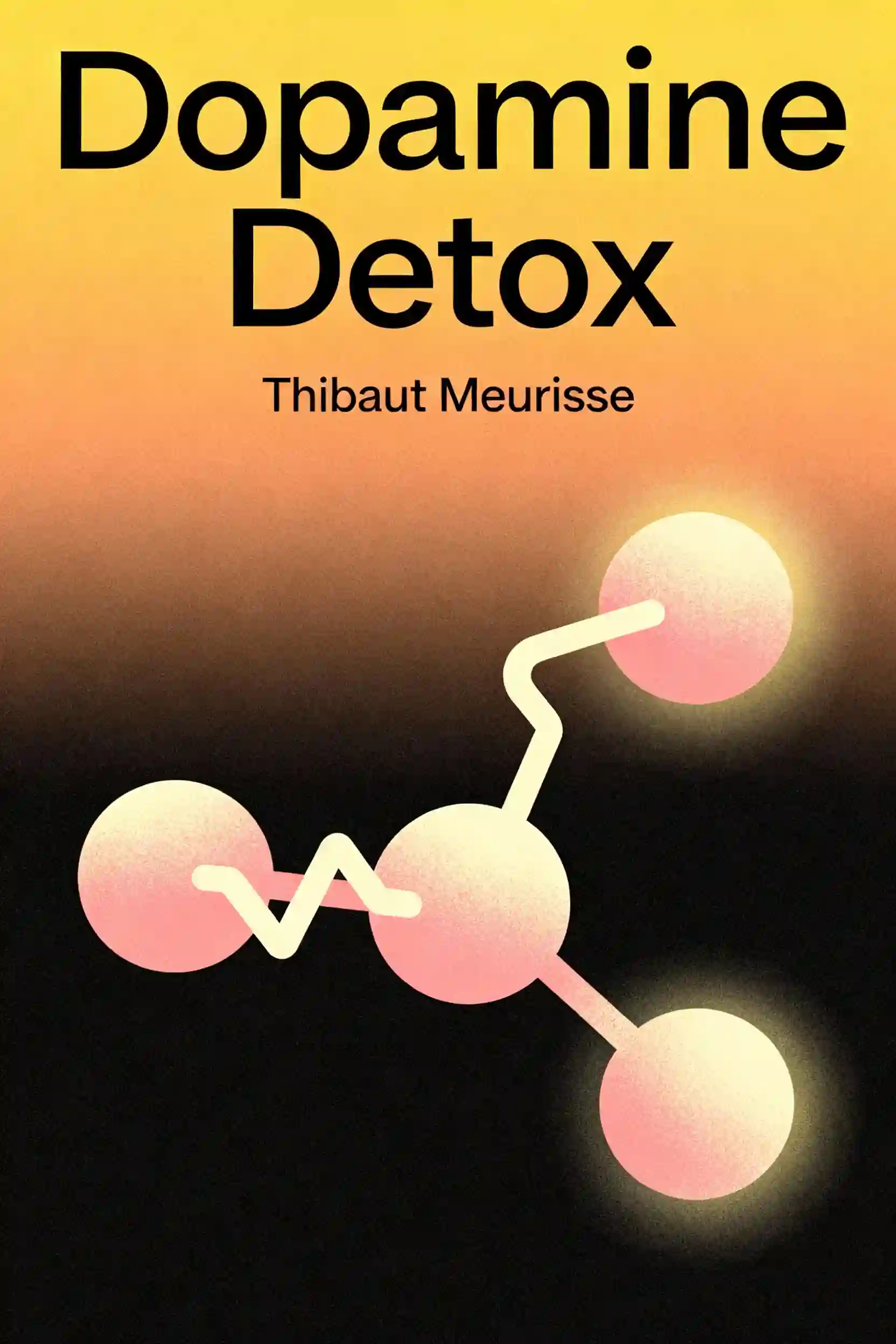
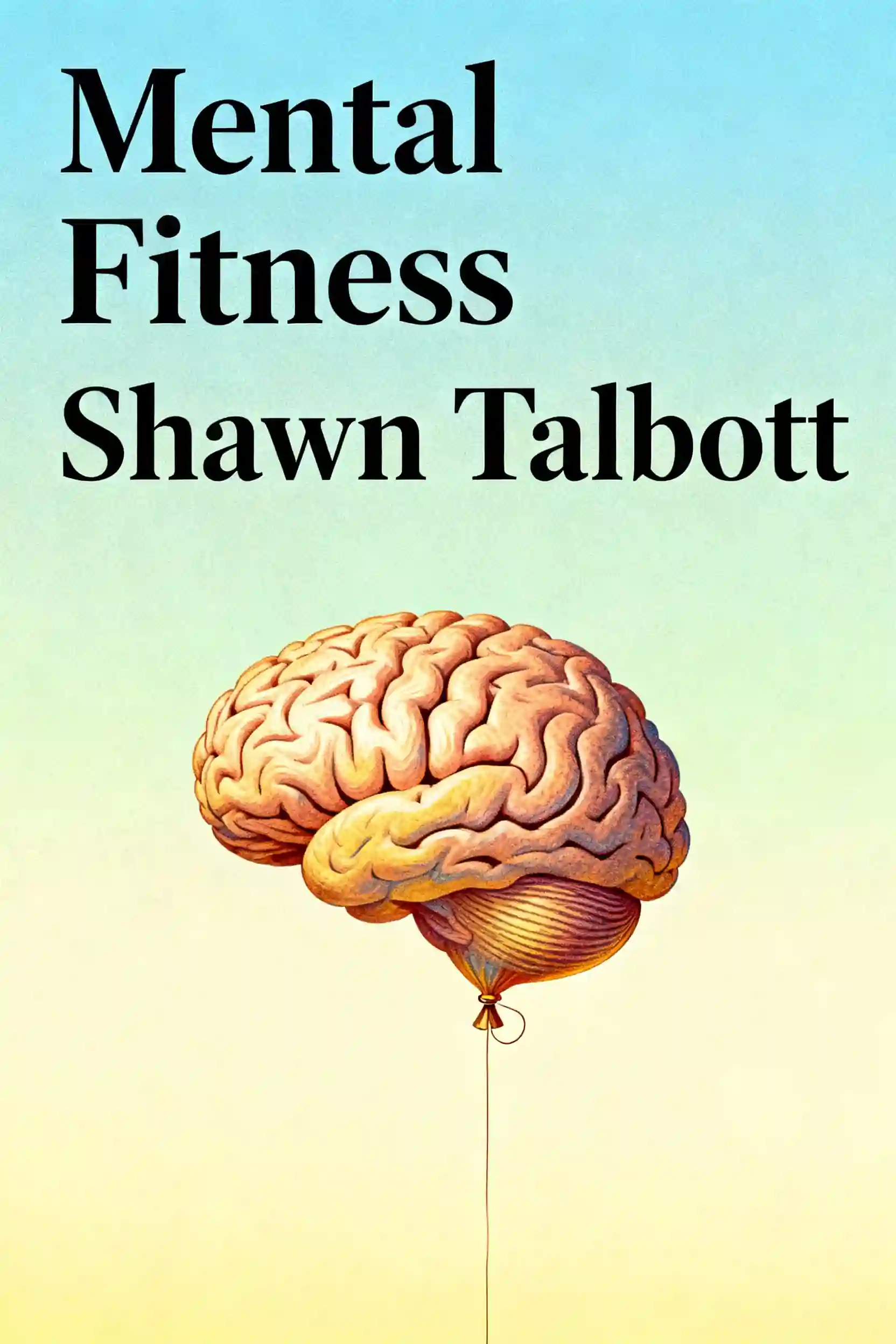
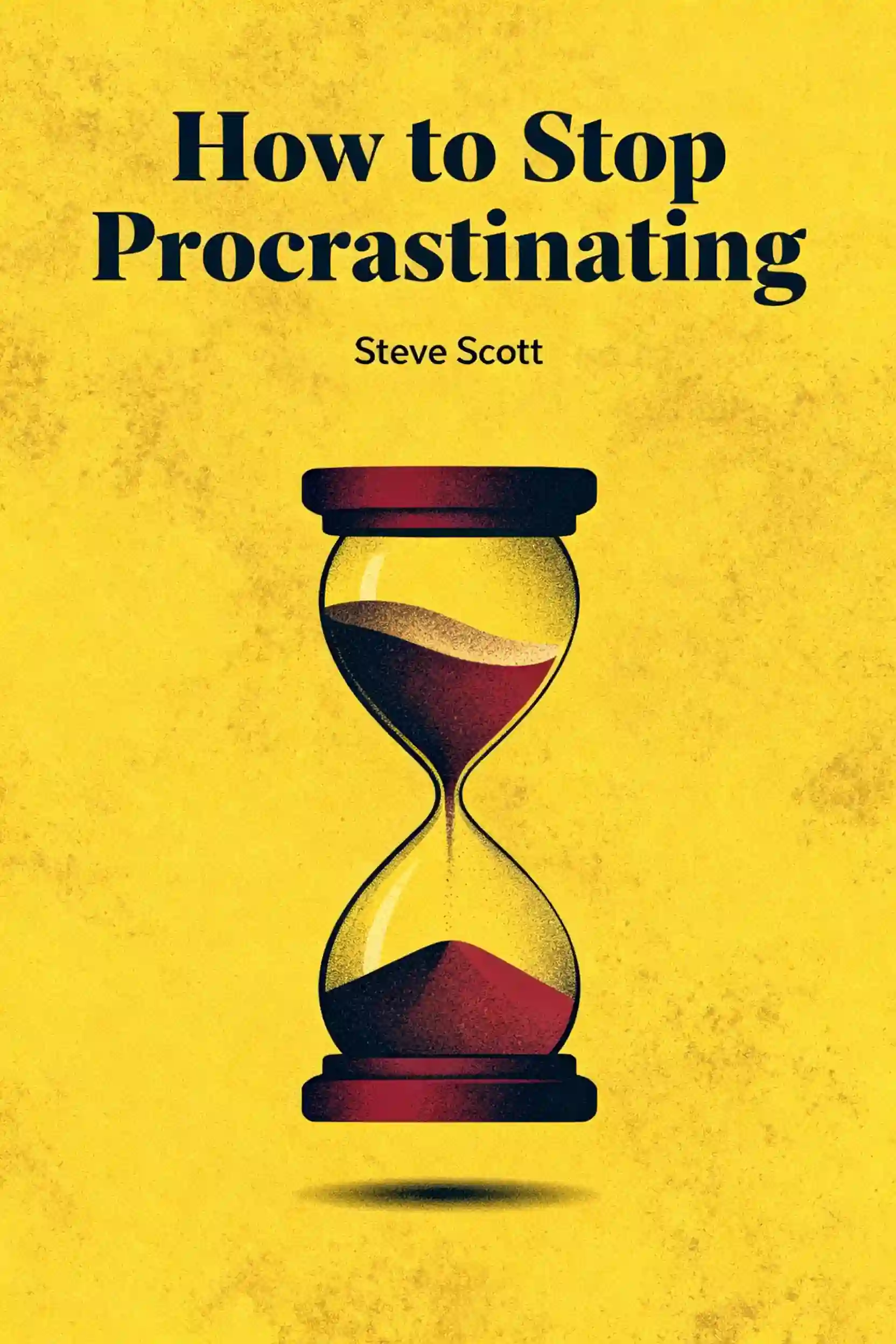
Frequently Asked Questions
The effort-reward imbalance is a neurobiological calculation where the brain acts like a "picky accountant," constantly weighing the required effort against the perceived value of a reward. When the reward feels too distant, abstract, or lower in value than the "work-related response cost," the brain’s mesocorticolimbic circuitry denies the request for energy. This results in a "slump" or a lack of motivation, as the brain is wired to conserve energy unless the dopamine signaling confirms the payout is worth the exertion.
No, current research suggests that dopamine is actually an "activational" transmitter rather than just a "reward" chemical. It serves as the fuel that provides the behavioral vigor and energy needed to overcome obstacles and initiate a task. Instead of just providing a "feel-good" hit at the finish line, dopamine acts as the "oomph" that helps a person get over the initial hump of effort. When dopamine is low, individuals tend to develop a "low-effort bias," choosing easier tasks even if they find the harder tasks more desirable.
To overcome the initial friction of "behavioral activation," you can use "dopamine hacks" to trick the brain's accountant into seeing the task as affordable. One effective method is the "Micro-Cost Reset," where you break a daunting project into a goal so small it is impossible to fail, such as writing just one sentence. This lowers the perceived work-related response cost. Additionally, because movement can trigger motivational circuits, simply changing your posture or standing up can provide the "arousal" signals necessary to kickstart the engine.
Extrinsic motivation is driven by external "carrots and sticks," such as grades, paychecks, or avoiding trouble. Intrinsic motivation comes from the activity itself being the reward, often leading to a "flow state." Relying too heavily on extrinsic rewards can lead to the "undermining effect," where a task you once enjoyed starts to feel like a chore because the locus of control has shifted from internal satisfaction to external pressure. To maintain high energy, it is helpful to find intrinsic connections—like personal growth or mastery—even within mandatory tasks.
This happens because of "reward prediction errors," which is the difference between what you expect to happen and what actually happens. When a task becomes too predictable, the brain stops receiving dopamine bursts because there is nothing new to learn or experience. To fix this, you must introduce novelty or variation—such as changing your environment or gamifying the process—to re-sensitize the reinforcement system and trigger the "wanting" signals again.
From Columbia University alumni built in San Francisco
"Instead of endless scrolling, I just hit play on BeFreed. It saves me so much time."


"I never knew where to start with nonfiction—BeFreed’s book lists turned into podcasts gave me a clear path."


"Perfect balance between learning and entertainment. Finished ‘Thinking, Fast and Slow’ on my commute this week."
"Crazy how much I learned while walking the dog. BeFreed = small habits → big gains."
"Reading used to feel like a chore. Now it’s just part of my lifestyle."

"Feels effortless compared to reading. I’ve finished 6 books this month already."
"BeFreed turned my guilty doomscrolling into something that feels productive and inspiring."

"BeFreed turned my commute into learning time. 20-min podcasts are perfect for finishing books I never had time for."
"BeFreed replaced my podcast queue. Imagine Spotify for books — that’s it. 🙌"

"It is great for me to learn something from the book without reading it."
"The themed book list podcasts help me connect ideas across authors—like a guided audio journey."
"Makes me feel smarter every time before going to work"
From Columbia University alumni built in San Francisco
"Instead of endless scrolling, I just hit play on BeFreed. It saves me so much time."
"I never knew where to start with nonfiction—BeFreed’s book lists turned into podcasts gave me a clear path."
"Perfect balance between learning and entertainment. Finished ‘Thinking, Fast and Slow’ on my commute this week."
"Crazy how much I learned while walking the dog. BeFreed = small habits → big gains."
"Reading used to feel like a chore. Now it’s just part of my lifestyle."
"Feels effortless compared to reading. I’ve finished 6 books this month already."
"BeFreed turned my guilty doomscrolling into something that feels productive and inspiring."
"BeFreed turned my commute into learning time. 20-min podcasts are perfect for finishing books I never had time for."
"BeFreed replaced my podcast queue. Imagine Spotify for books — that’s it. 🙌"
"It is great for me to learn something from the book without reading it."
"The themed book list podcasts help me connect ideas across authors—like a guided audio journey."
"Makes me feel smarter every time before going to work"
"Instead of endless scrolling, I just hit play on BeFreed. It saves me so much time."
"I never knew where to start with nonfiction—BeFreed’s book lists turned into podcasts gave me a clear path."
"Perfect balance between learning and entertainment. Finished ‘Thinking, Fast and Slow’ on my commute this week."
"Crazy how much I learned while walking the dog. BeFreed = small habits → big gains."
"Reading used to feel like a chore. Now it’s just part of my lifestyle."
"Feels effortless compared to reading. I’ve finished 6 books this month already."
"BeFreed turned my guilty doomscrolling into something that feels productive and inspiring."
"BeFreed turned my commute into learning time. 20-min podcasts are perfect for finishing books I never had time for."
"BeFreed replaced my podcast queue. Imagine Spotify for books — that’s it. 🙌"
"It is great for me to learn something from the book without reading it."
"The themed book list podcasts help me connect ideas across authors—like a guided audio journey."
"Makes me feel smarter every time before going to work"
"Instead of endless scrolling, I just hit play on BeFreed. It saves me so much time."
"I never knew where to start with nonfiction—BeFreed’s book lists turned into podcasts gave me a clear path."
"Perfect balance between learning and entertainment. Finished ‘Thinking, Fast and Slow’ on my commute this week."
"Crazy how much I learned while walking the dog. BeFreed = small habits → big gains."
"Reading used to feel like a chore. Now it’s just part of my lifestyle."
"Feels effortless compared to reading. I’ve finished 6 books this month already."
"BeFreed turned my guilty doomscrolling into something that feels productive and inspiring."
"BeFreed turned my commute into learning time. 20-min podcasts are perfect for finishing books I never had time for."
"BeFreed replaced my podcast queue. Imagine Spotify for books — that’s it. 🙌"
"It is great for me to learn something from the book without reading it."
"The themed book list podcasts help me connect ideas across authors—like a guided audio journey."
"Makes me feel smarter every time before going to work"